


























Jardín Botánico de Asunción, Ñu Guasu and Maka Indigenous Heritage
Explore Asunción's 240-hectare Jardín Botánico and 1840s Carlos Antonio López country house in Trinidad, the 1854 Trinidad Church, Parque Ñu Guasu, and Maka Indigenous crafts.
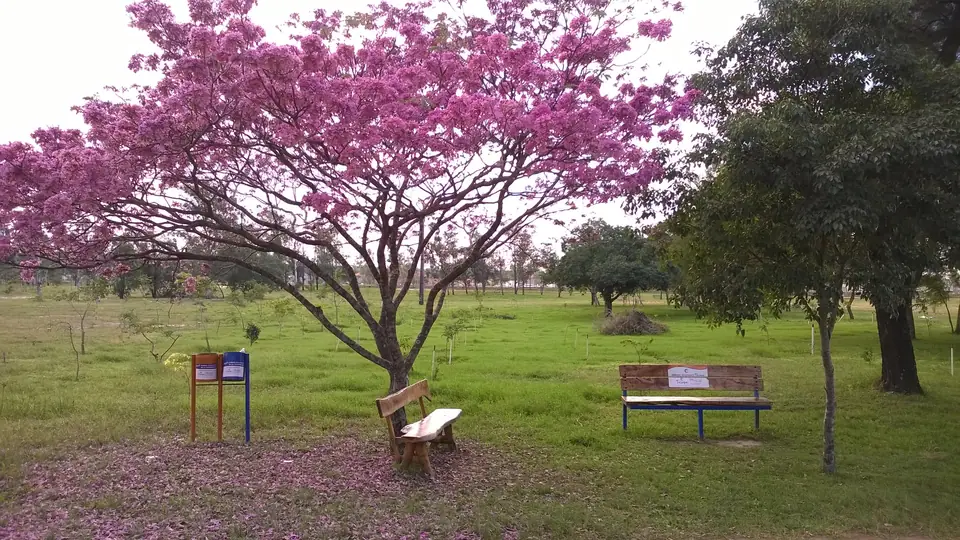
Roughly 7 kilometres northeast of the Historic Centre in the historic district of Santísima Trinidad, the urban avenues of Asunción open onto a vast belt of remnant Upper Paraná Atlantic Forest, galería woodland, and Paraguay River wetlands. Spanning more than 240 hectares, the Jardín Botánico y Zoológico de Asunción combines a nineteenth-century presidential country estate, two historic museums, and shaded forest trails that shelter toucans, monk parakeets, howler monkeys, and capybaras.
The 1840s Country Estate of Carlos Antonio López and the 1914 Botanical Garden
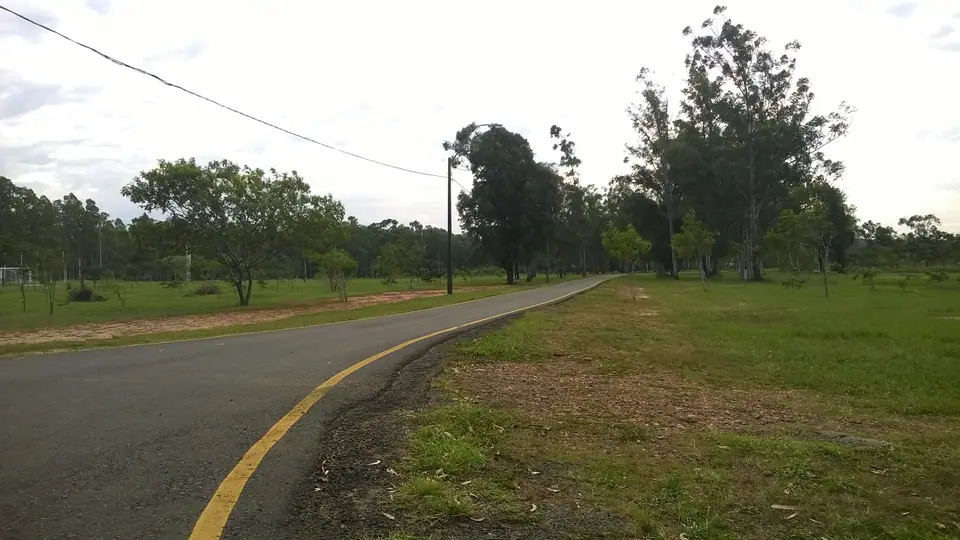
In the 1840s, President Carlos Antonio López acquired this scenic rural estate in Trinidad (known as the Quinta de los López) as his family's summer residence and country seat. It was specifically to link downtown Asunción with this estate that the first 7-kilometre section of the Paraguayan Central Railway was inaugurated on 21 October 1861; the original Estación Botánico (Trinidad Station) still stands beside the park's main entrance on Avenida Artigas and Avenida Primer Presidente.
In 1914, German naturalist, botanist, and zoologist Karl Fiebrig (Carlos Fiebrig) and his wife Anna Gertz officially established the Botanical Garden and Zoo on the estate grounds. Today, walkers and birdwatchers can follow shaded avenues under centuries-old yvyraro, timbó, kurupa'y, and pink tajy (lapacho) trees to inspect the two restored López family residences:
- Casa Baja (Museo de Historia Natural and López Residence): A long, single-storey colonial-neoclassical country villa completed in the 1840s and encircled by wide terracotta-tiled verandas supported by whitewashed masonry pillars, housing natural history, paleontological, and nineteenth-century historical collections.
- Casa Alta: A two-storey brick residence overlooking the lawns toward the Paraguay River; check the official site for hours.
Iglesia de la Santísima Trinidad (1854)
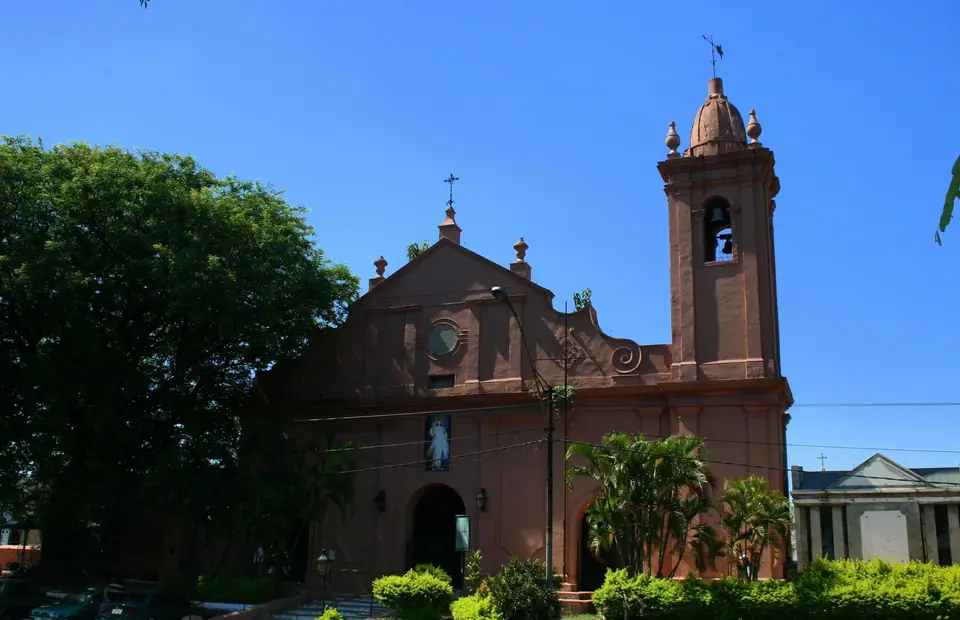
Five blocks south of the Botanical Garden entrance along Avenida Santísima Trinidad stands the Iglesia de la Santísima Trinidad, commissioned by President Carlos Antonio López in 1854 (designed by architect Pascual Urdapilleta) as his family parish church and original burial place before his remains were transferred to the Panteón Nacional in 1936. Stepping inside its three-nave interior reveals a remarkable treasure: ornate polychrome wooden side altars, pulpit panels, and painted choir elements rescued from the eighteenth-century Franciscan church of Yaguarón, alongside two monumental bells cast in Europe for the Jesuit Missions.
Maka Indigenous Community in Mariano Roque Alonso and Parque Ñu Guasu
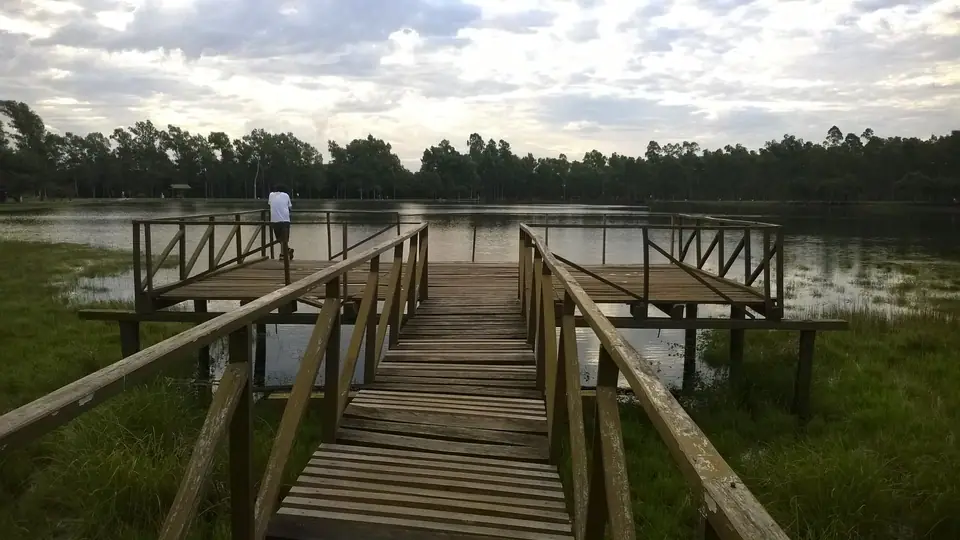
Four kilometres north of the Botanical Garden near the eastern approach to the 1978 Puente Remanso in Mariano Roque Alonso lives the urban community of the Maka (Maká) people (Comunidad Indígena Maká Korumba Kue). Originally from the Pilcomayo basin in the Chaco and supported by General Juan Belaieff, the Maka settled near Asunción in the 1940s and moved to their current neighbourhood in 1985. Maka women are famous across Asunción for their densely woven geometric shoulder bags (morrales), belts, and beadwork, which visitors can purchase directly from Maka artisans in the plazas around El Cabildo and Calle Palma. Near Las Lomas, stop at 25-hectare Parque Ñu Guasu for shaded trails and lagoons.
Traveller tips
Real advice from people who have been to Jardín Botánico de Asunción, Ñu Guasu and Maka Indigenous Heritage. Every tip is read by our team before it goes live.
No tips yet. Been here? Yours could be the first.
Thank you! Your tip will appear here after a quick review.
More in Asunción
Continue exploring Asunción with related neighbourhood, food, and planning guides
Where to Stay in Asunción: Las Lomas, Villa Morra and Historic Centre
Asunción, Paraguay
3 Days in Asunción Itinerary: Historic Palaces, Indigenous Art and Lake Ypacaraí
Asunción, Paraguay
What to Eat in Asunción: Sopa Paraguaya, Chipa, Vori Vori and Surubí
Asunción, Paraguay
Palacio de los López and Costanera de Asunción: Riverfront Architecture Guide
Asunción, Paraguay
