


























Palacio de los López and Costanera de Asunción: Riverfront Architecture Guide
Visit Asunción's iconic Palacio de los López, the 1844 El Cabildo cultural centre, and the 7-kilometre Costanera José Asunción Flores along the Bay of Asunción.
The northern edge of Asunción's historic grid drops gently down to the sheltered waters of the Bay of Asunción, a wide river inlet separated from the main navigation channel of the Paraguay River by the sandbars and floodplain wetlands of the Banco San Miguel and Bahía de Asunción Ecological Reserve. Along this riverfront terrace stand the monumental civic buildings commissioned during the mid-nineteenth-century modernisation of Paraguay, framed today by the sweeping promenade of the Costanera.
Palacio de los López: Neoclassical Seat of the Paraguayan Presidency
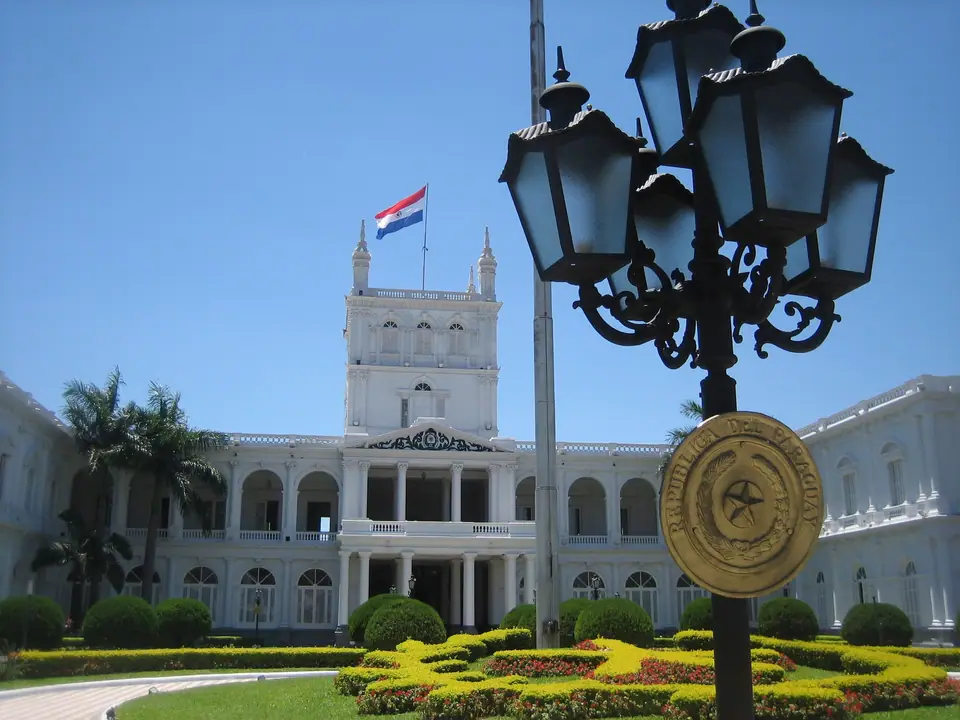
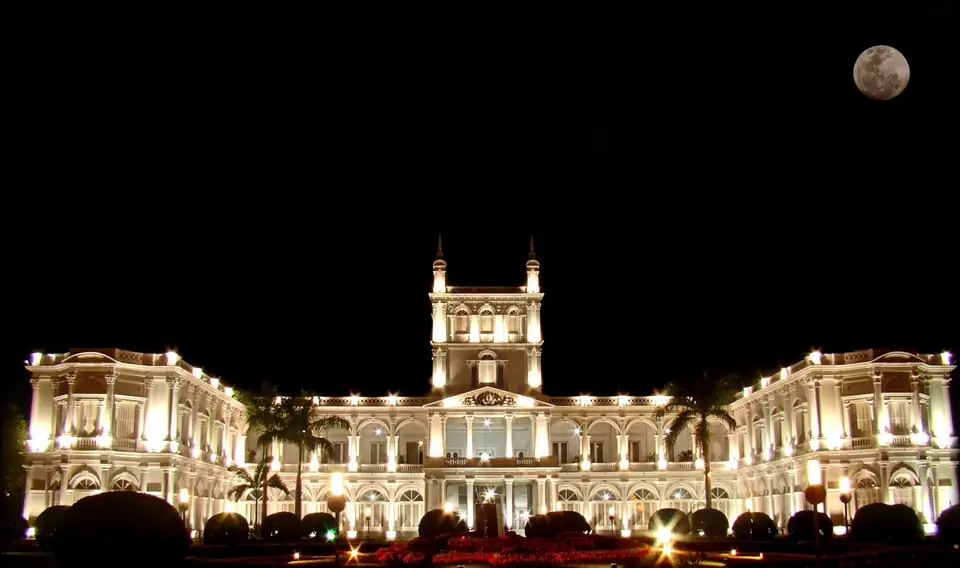
Occupying a commanding garden block between Calle El Paraguayo Independiente and the waterfront, the Palacio de los López (officially the Palacio de Gobierno) is the architectural symbol of Paraguay. Construction began in 1857 for Francisco Solano López (then Minister of War under his father, President Carlos Antonio López) from plans drawn by English-born architect Alonso Taylor and Italian architect Alessandro Ravizza. Built with Emboscada stone, Yaguarón hardwood, Tacumbú brick, and ironwork cast at the state foundry of Ybycuí, the U-shaped palace features two-storey colonnaded galleries and a central square watchtower.
Completed externally in 1867 and restored in the early 1890s, it has served as the workplace of the President of the Republic since 1894. Even when the interior is closed for state business (check the official site of the Secretaría Nacional de Cultura for occasional weekend heritage tours), the palace is magnificent at dusk when warm floodlights illuminate its arches across the lawn.
Centro Cultural de la República El Cabildo and Plaza de las Armas
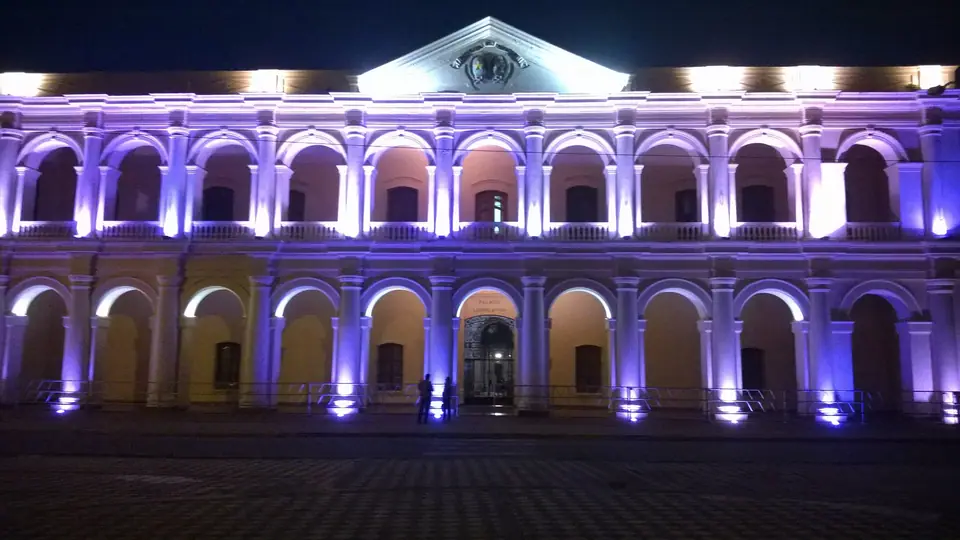
Two blocks east of the palace across Plaza Constitución and Plaza de las Armas (the site of the 1537 founding stockade) stands the Centro Cultural de la República El Cabildo. Erected between 1844 and 1854 by Basque-born architect Pascual Urdapilleta in a harmonious neoclassical style with eleven semicircular ground-floor arches and a balustraded upper gallery, this two-storey landmark replaced the demolished colonial town hall and served as the seat of the National Congress and executive ministries until the modern glass Congress building opened beside it in 2003.
Since 14 May 2004, El Cabildo has operated as a free public museum with dedicated rooms for Indigenous art of the Chaco and Eastern Region, sacred Jesuit and Franciscan baroque woodcarvings, historic tapestries, photography, and the legacy of Paraguayan writers and composers such as Augusto Roa Bastos and Agustín Pío Barrios ("Mangoré"). Pair your visit with the nearby 1845 Metropolitan Cathedral.
Avenida Costanera José Asunción Flores and the Bay of Asunción
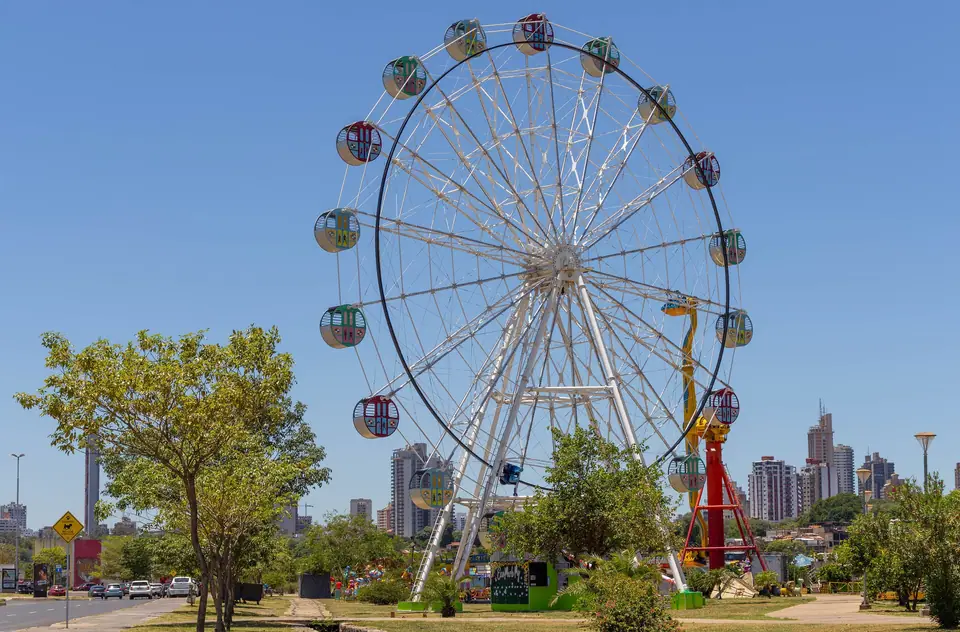
Curving directly below the Palacio de los López and El Cabildo, the Avenida Costanera José Asunción Flores (opened in December 2012) stretches for more than 7 kilometres along the Bay of Asunción. It honours composer José Asunción Flores (1904 to 1972), born in the riverside neighbourhood of La Chacarita right below El Cabildo, who created the slow, melancholic guarania musical genre in 1925 (inscribed by UNESCO on the Intangible Cultural Heritage list in December 2024). In the late afternoon, locals gather along the boardwalk to sip tereré and watch sunset over the bay.
Traveller tips
Real advice from people who have been to Palacio de los López and Costanera de Asunción: Riverfront Architecture. Every tip is read by our team before it goes live.
No tips yet. Been here? Yours could be the first.
Thank you! Your tip will appear here after a quick review.
More in Asunción
Continue exploring Asunción with related neighbourhood, food, and planning guides
Best Time to Visit Asunción: Subtropical Seasons, Weather and Festivals
Asunción, Paraguay
Where to Stay in Asunción: Las Lomas, Villa Morra and Historic Centre
Asunción, Paraguay
3 Days in Asunción Itinerary: Historic Palaces, Indigenous Art and Lake Ypacaraí
Asunción, Paraguay
What to Eat in Asunción: Sopa Paraguaya, Chipa, Vori Vori and Surubí
Asunción, Paraguay
