


























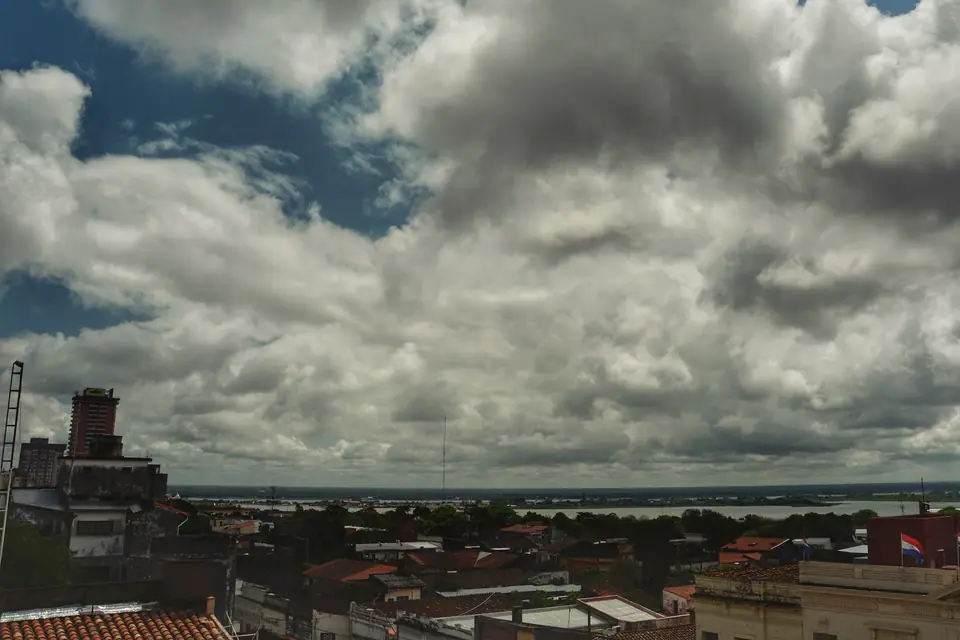
Asunción: Planning a Trip to Paraguay's River Capital
Plan your trip to Asunción, Paraguay with our practical travel guide covering its twin urban poles, nineteenth-century neoclassical landmarks, bilingual Guaraní heritage, and currency tips.
Resting on seven gentle red-earth hills (siete colinas) along the eastern bank of the Paraguay River, Asunción is one of South America's oldest and most unhurried capitals. Founded on 15 August 1537 by Spanish explorer Juan de Salazar y Espinosa as the wooden stockade of Nuestra Señora Santa María de la Asunción, the settlement served as the sixteenth-century launchpad for the expeditions that founded or refounded Buenos Aires, Santa Fe, Corrientes and Santa Cruz de la Sierra, earning its historical title as the Mother of Cities (Madre de Ciudades).
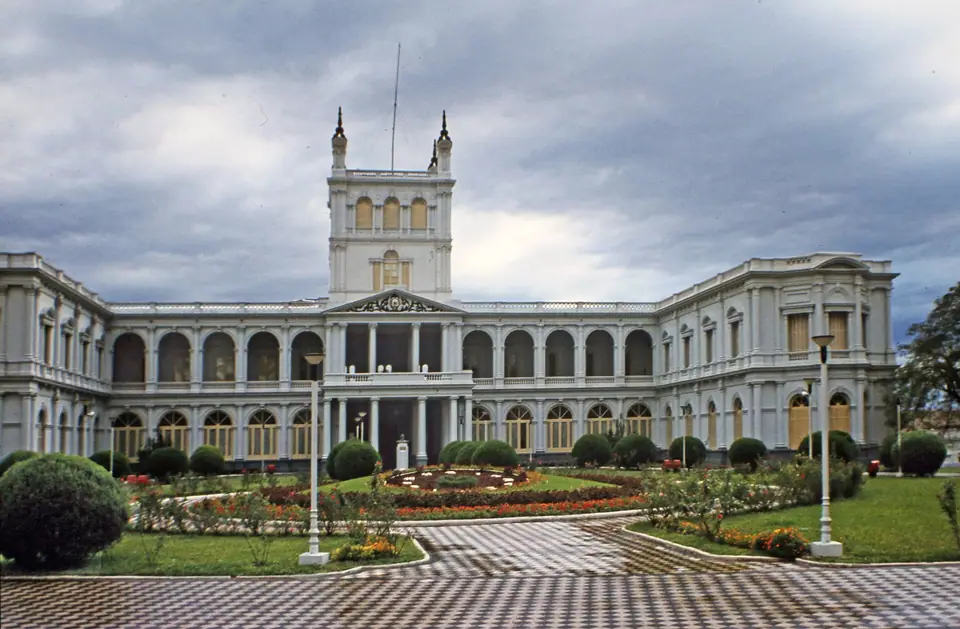
Unlike Andean capitals dominated by sixteenth-century Spanish baroque convents, Asunción's architectural identity was decisively forged in the nineteenth century. After independence in 1811, José Gaspar Rodríguez de Francia imposed a rectangular grid in 1821, and between 1844 and 1865 President Carlos Antonio López and Francisco Solano López contracted European architects to build neoclassical palaces, a cathedral, and one of South America's first steam railways.
How the City Is Organised: Microcentro and the Eastern Corporate Axis
Navigating Asunción becomes simple as soon as you understand its two distinct urban poles, separated by roughly 7 kilometres of tree-lined avenues. Along the southern shore of the Bay of Asunción lies the Casco Histórico (Historic Centre or Microcentro), where the Palacio de los López and Costanera waterfront face the river and the Panteón Nacional de los Héroes and 1772 Casa de la Independencia anchor the commercial spine of Calle Palma. Directly west above the old port rises the colourful stepped hillside of Loma San Jerónimo.
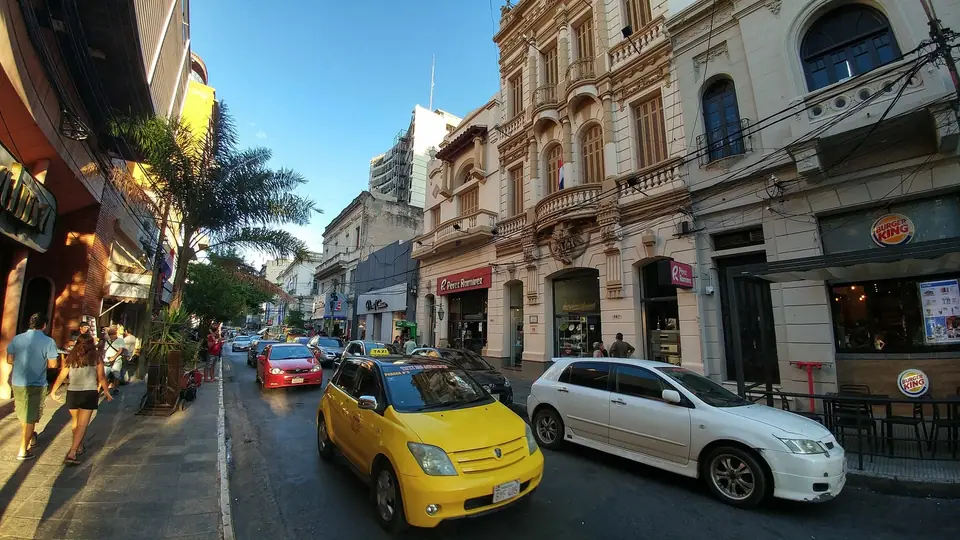
Driving east along Avenida Mariscal López and Avenida España brings you into the verdant residential and commercial neighbourhoods of Recoleta, Villa Morra, and Las Lomas (Carmelitas). Centered on Avenida Aviadores del Chaco and Avenida Santa Teresa, this modern eastern axis (Eje Corporativo) holds the capital's glass towers, rooftop hotels, specialty coffee roasters, open-air shopping centres, and the extraordinary Museo del Barro.
Bilingual Guaraní Identity, Currency, and Everyday Rhythm
Paraguay is the only nation in the Americas where the vast majority of the non-Indigenous population speaks an Indigenous language alongside Spanish. Both Spanish and Guaraní are co-official languages under the 1992 Constitution, and across Asunción you will hear Jopará, the expressive everyday fusion of both tongues, in markets, cafés, and radio broadcasts. The national currency is the Paraguayan guaraní (PYG); cards are widely accepted in hotels and restaurants, while cash banknotes are useful at Mercado 4 herbal stalls and rural workshops.
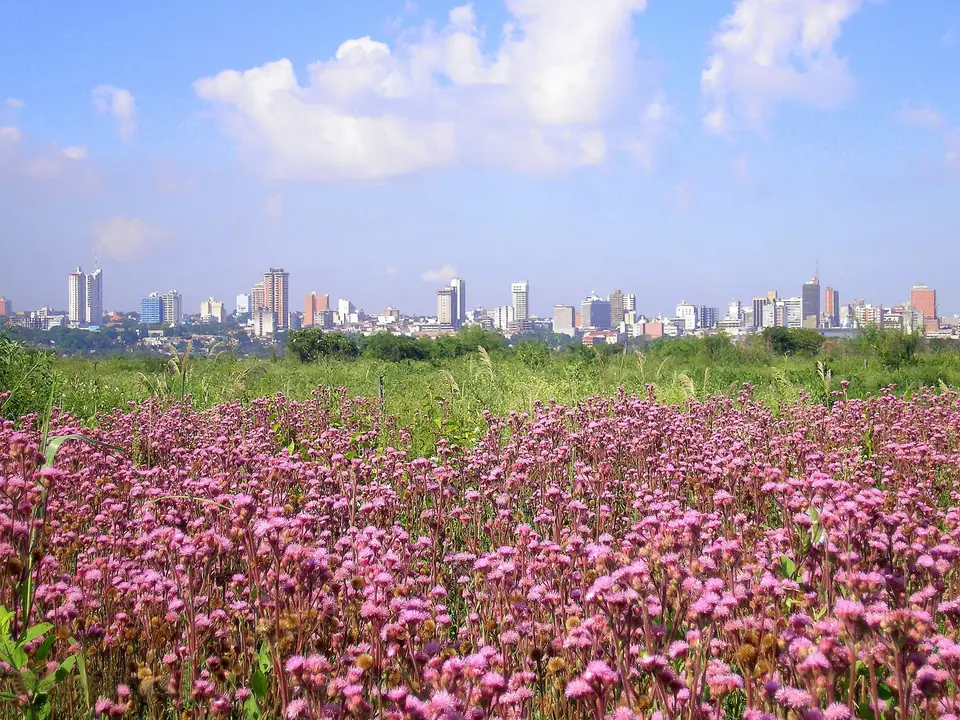
Because Asunción sits at just 43 to 139 metres above sea level in a humid subtropical zone, daily life follows the angle of the sun. Mornings start early along Calle Palma and in shaded parks, midday brings a slower pause accompanied by an ice-cold thermo of tereré (yerba mate poured over crushed medicinal herbs called pohã ñana), and the city comes back outdoors before sunset along the Costanera boardwalk and in the leafy courtyards of Villa Morra. Pair this overview with our 3-day Asunción itinerary and accommodation neighbourhood guide.
Traveller tips
Real advice from people who have been to Asunción: Planning a Trip to Paraguay's River Capital. Every tip is read by our team before it goes live.
No tips yet. Been here? Yours could be the first.
Thank you! Your tip will appear here after a quick review.
More in Asunción
Continue exploring Asunción with related neighbourhood, food, and planning guides
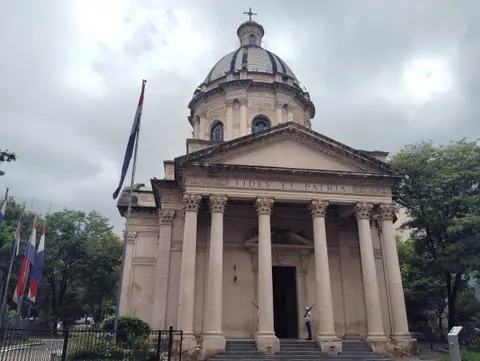
Panteón Nacional, Cathedral and Casa de la Independencia: Historic Core Walk
Asunción, Paraguay
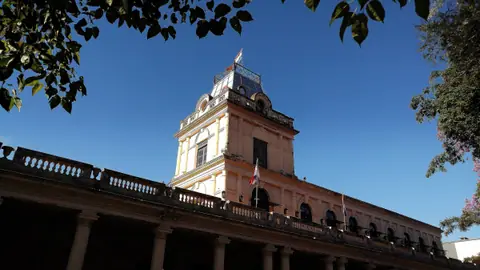
Estación Central del Ferrocarril and Museo del Barro: Art and Railway Heritage
Asunción, Paraguay
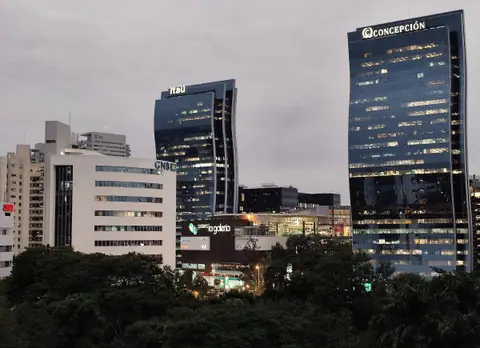
Villa Morra, Carmelitas and Loma San Jerónimo: Neighbourhoods of Asunción
Asunción, Paraguay
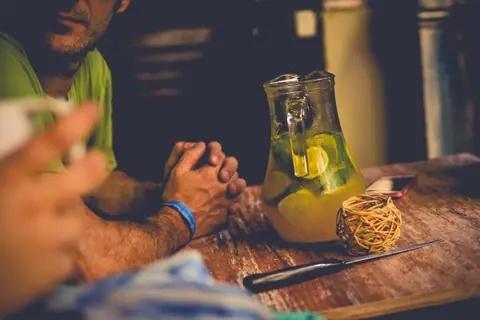
Mercado 4, Tereré Culture and Guaraní Crafts: Everyday Asunción Guide
Asunción, Paraguay
