


























Mercado 4, Tereré Culture and Guaraní Crafts: Everyday Asunción Guide
Experience authentic Asunción at Mercado Municipal N° 4 and Paseo de los Yuyos, learn the UNESCO-listed ritual of tereré with pohã ñana herbs, and shop for ao po'i and filigrana.
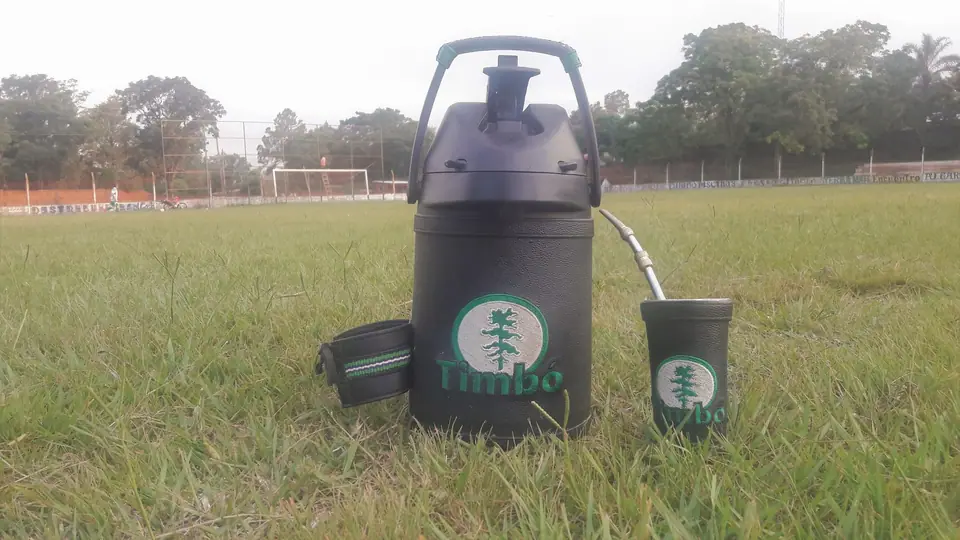
To understand the daily rhythm of Asunción, look at the silver straw and leather-clad thermo carried under the arm of almost every resident. In December 2020, UNESCO inscribed Practices and Traditional Knowledge of Tereré in the Culture of Pohã Ñana on the Representative List of the Intangible Cultural Heritage of Humanity, recognising the ancestral Guaraní herbal infusion that binds Paraguayan social life together.
The Ritual of Tereré and Pohã Ñana ("Wild Remedies")
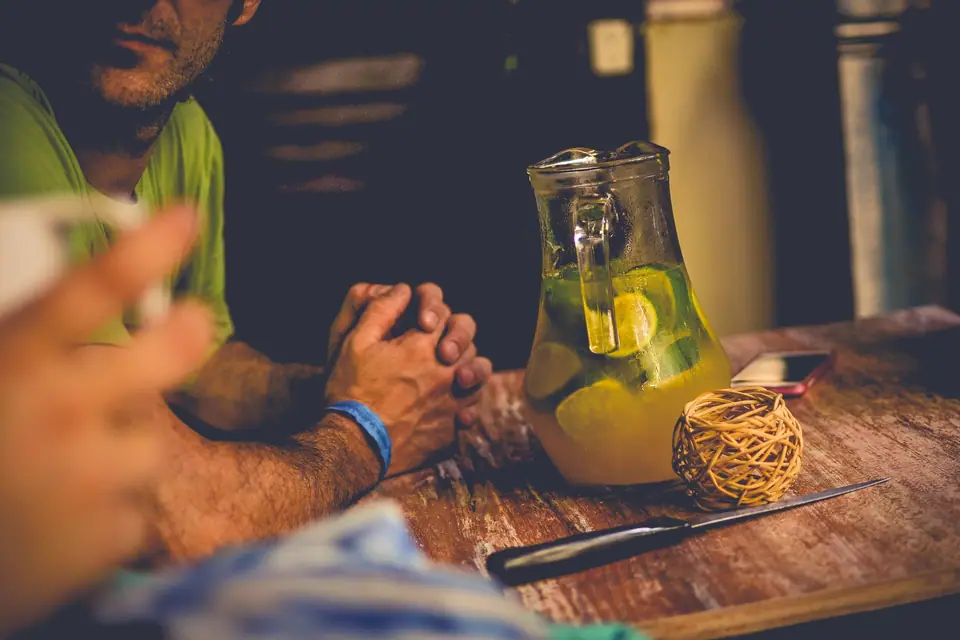
Unlike the hot mate drunk in Montevideo and Buenos Aires, tereré is prepared with ice-cold water infused with freshly crushed medicinal roots, leaves, flowers, and barks known in Guaraní as pohã ñana ("wild or field remedies", also called yuyos in Spanish). The chilled herbal water is poured from a pitcher or wide-mouth thermo over coarse-cut Paraguayan yerba mate (Ilex paraguariensis) inside a cattle-horn, palo santo wood, or leather-wrapped metal cup called a guampa and sipped through a metal straw (bombilla). One person serves the circle in turn until a drinker says "gracias".
Every morning before 08:00, street-corner herbalists (yuyeras and yuyeros) set up wooden mortars (angu'a) stacked with fresh bundles of cooling plants: peppermint (menta'i), lemongrass (cedrón kapi'i), lemon verbena (cedrón Paraguay), saffron root (azafrán), boldo, burrito leaf, and horsetail (cola de caballo). Locals first eat a warm morning snack called tereré rupa ("a bed for the tereré", such as chipa or mbejú).
Exploring Mercado Municipal N° 4 and Paseo de los Yuyos
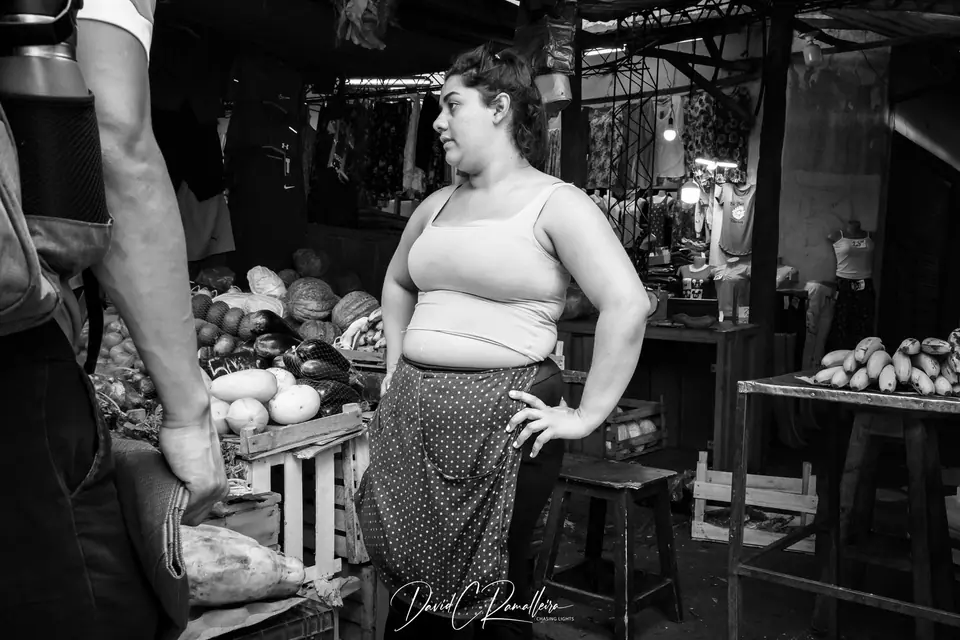
Inaugurated on 7 May 1942 along Avenida Silvio Pettirossi and Avenida Rodríguez de Francia (about 2.5 kilometres south of the Historic Centre), Mercado Municipal N° 4 spans nearly forty blocks of open-air stalls and multi-storey galleries. At its heart along Calle República Francesa and Avenida Pettirossi lies the Paseo de los Yuyos, the capital's historic wholesale and retail hub for medicinal plants, where dozens of herbalists display hundreds of forest and riverside species and hand-stitch custom embossed leather covers around stainless-steel tereré thermoses and guampas.
Inside the market halls, lunch counters serve steaming vori vori and chipa guasu. Visit during morning hours with cash guaraníes.
Traditional Paraguayan Crafts: Ao Po'i, Filigrana, and Indigenous Weaving
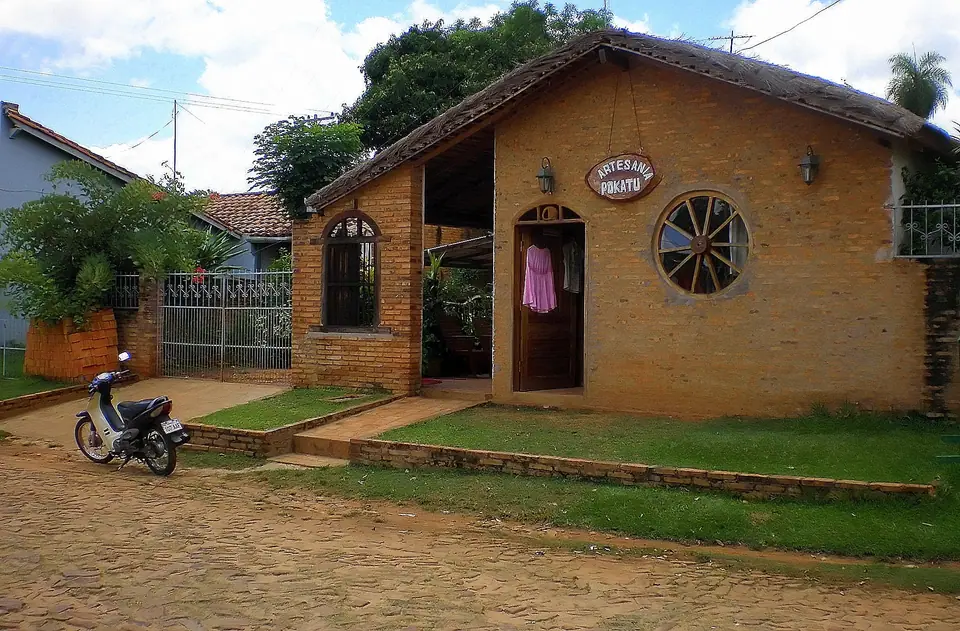
Alongside custom tereré sets, Asunción is the best place to buy authentic regional handicrafts (sold at the artisan stalls of Plaza de la Libertad beside the Panteón Nacional, at the SENATUR Turista Róga craft shop on Calle Palma, and at the Museo del Barro shop):
- Ao Po'i ("fine cloth" in Guaraní): Hand-spun, breathable cotton shirts, dresses, and tablecloths embroidered with intricate geometric and floral openwork stitches in Yataity del Guairá.
- Filigrana de Luque: Delicate silver and gold filigree jewellery, including the seven-band carretón puzzle ring crafted in neighbouring Luque.
- Ñandutí and Indigenous Caraguatá Bags: Colourful spiderweb lace from Itauguá alongside natural-dyed wild bromeliad fibre bags (bolsos de caraguatá) and fragrant palo santo woodcarvings crafted by Nivaclé, Ayoreo, and Enlhet communities of the Chaco.
Traveller tips
Real advice from people who have been to Mercado 4, Tereré Culture and Guaraní Crafts: Everyday Asunción. Every tip is read by our team before it goes live.
No tips yet. Been here? Yours could be the first.
Thank you! Your tip will appear here after a quick review.
More in Asunción
Continue exploring Asunción with related neighbourhood, food, and planning guides
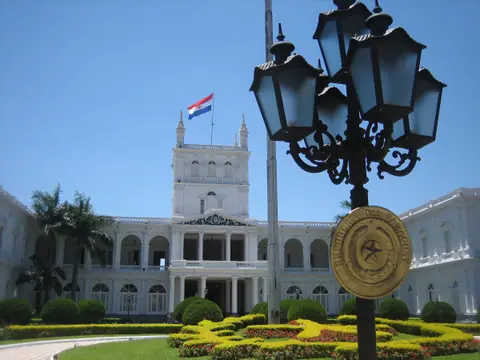
Palacio de los López and Costanera de Asunción: Riverfront Architecture Guide
Asunción, Paraguay
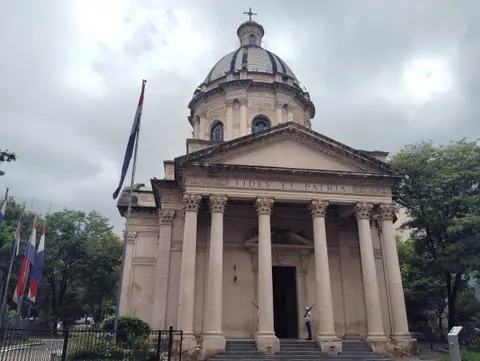
Panteón Nacional, Cathedral and Casa de la Independencia: Historic Core Walk
Asunción, Paraguay
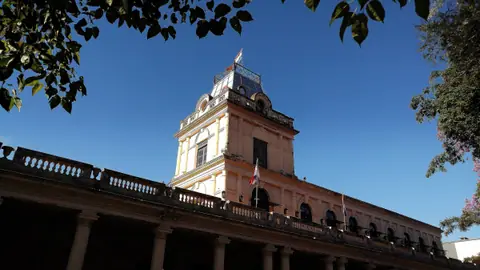
Estación Central del Ferrocarril and Museo del Barro: Art and Railway Heritage
Asunción, Paraguay
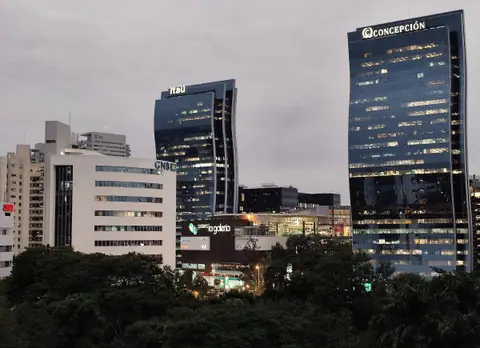
Villa Morra, Carmelitas and Loma San Jerónimo: Neighbourhoods of Asunción
Asunción, Paraguay
