















What to Wear in Bali
Pack half of what you think you need. Bali is hot and humid all year, cotton and linen dry fastest, and laundry services charged by the kilo are on nearly every street. Clothes come back washed and folded the next day.
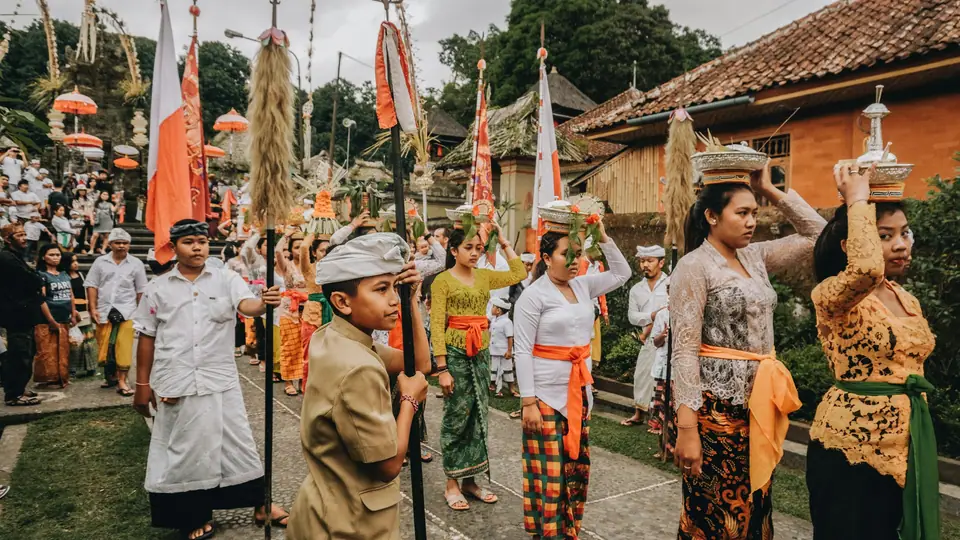
The rule visitors trip over is temple dress. Inside any temple, knees must be covered with a sarong (a wrap tied at the waist) and a sash called a selendang, and shoulders should be covered too. It applies to men and women alike. Many big temples include a sarong at the entrance, but owning one means you're ready when a driver pulls over at a village temple in the middle of a ceremony. Our temples guide explains the rest.
Swimwear belongs on the beach and by the pool. Walking into a warung, a shop or a village in a bikini top or shirtless is seen as disrespectful, and the province's official guidelines for visitors ask for modest dress in public places. A light shirt over the top solves it.
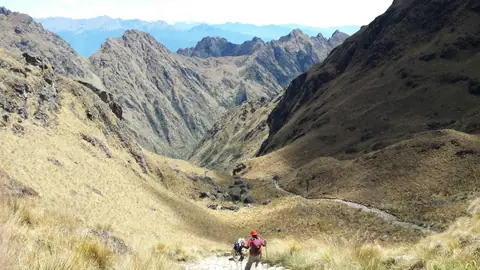
Then there's altitude. The Mount Batur hike starts around 4am, and the rim is cold and windy until the sun is properly up. Bring a fleece even in August, and something waterproof if the cloud is low.
Packing list
- Light, loose clothes, including a few tops that cover your shoulders
- A sarong: temple cover, beach towel and scarf in one
- Sandals that slip off easily, since shoes come off at homes and some shops
- Trainers or trail shoes with grip for terraces, waterfalls and volcano paths
- A fleece or light jacket for early starts and the highlands
- A packable rain jacket from November to March
- Reef-safe sunscreen, a hat, and sunglasses on a strap if you're visiting Uluwatu
- Insect repellent
- A refillable water bottle, since many hotels and cafés offer filtered water
Plugs are the European two-pin type, 230V. If you do ride a scooter, long trousers and closed shoes protect you far better than shorts and flip-flops. Our getting around guide explains what else you need to ride legally.