Where to Stay in Bali: An Area-by-Area Guide
Plan where to stay in Bali with verified area comparisons covering Seminyak, Kuta, Nusa Dua, Sanur, Ubud and the cliffside south for every style of trip.
Choosing where to base yourself in Bali determines the pace of your entire journey. Bali is an island of micro-regions, each presenting distinct road conditions, beach profiles, and cultural settings. Moving between towns consumes valuable hours in transit. On a first visit of seven to ten days, we recommend dividing your itinerary between an inland cultural base and one coastal enclave. This approach minimises vehicle transfers across dense urban corridors and ensures you experience both green highland valleys and the Indian Ocean coastline.
Balancing Inland Culture and Coastal Bases
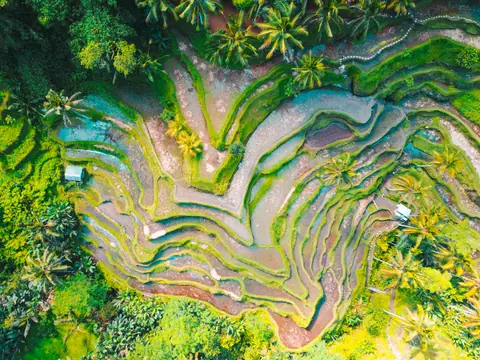
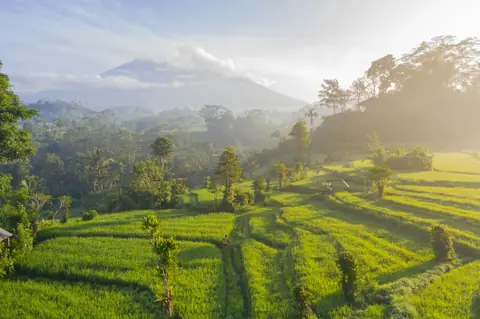
Ubud remains the primary choice for travellers seeking green scenery, traditional dance, and artisan workshops. Located inland among terraced valleys, central Ubud is walkable but subject to tight vehicle queues. Staying slightly outside the centre in villages such as Penestanan or Sayan provides quieter surroundings, though you will depend on drivers for daily excursions. Explore our Ubud guide for walking routes through local craft centres and temple complexes.
Pairing Ubud with a coastal town lets you unpack in two distinct settings rather than switching hotels every two nights. If you plan to tour historic water shrines, consult our Bali temples guide to understand regional driving corridors between your chosen hotel base and sacred sites across the island.
Seminyak: Dining, Boutiques, and Sunset Walks
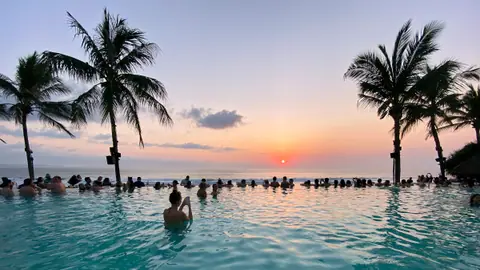
Seminyak is an upmarket coastal enclave situated just north of Legian and Kuta, roughly 10 kilometres from Denpasar. It stretches from Double Six Street in the south towards Kerobokan and Umalas north of Petitenget Temple. The atmosphere here is notably more sophisticated and laid-back than in neighbouring Kuta. The beach remains relatively calm during daytime hours before filling in the late afternoon for ocean sunsets.
Accommodation ranges across budget hostels, serviced private villas, and high-end resorts. Exploring on foot is an ideal way to browse local fashion boutiques and open-air dining venues. Evening strolls are particularly pleasant when sea breezes cool the shoreline. For longer journeys across town during peak midday heat, hail a metered taxi or request a private car from your hotel concierge. Traffic on the main west coast conurbation can become severely congested. Drivers frequently rely on Sunset Road, the eastern bypass route, which serves as a faster corridor into Seminyak despite adding physical distance.
Kuta: Surf Heritage and Central Movement
Once a sleepy fishing village with a sweeping sand beach, Kuta developed rapidly following the construction of the pioneering Kuta Beach Hotel in the 1960s. Today, Kuta draws travellers seeking energetic surf schools, casual shopping, and dense concentrations of convenience services. The local street scene is informal, with visitors moving between cafés in shorts, T-shirts, and sandals.
Getting around Kuta is straightforward on foot, by bicycle, or by rented motorcycle. Taking a private car into central Kuta is not recommended because vehicle parking is extremely tight along narrow side lanes. While central Kuta can feel frantic, its western beach still offers consistent beginner surf breaks and direct access to airport transfer routes.
Nusa Dua: Integrated Luxury and Calm Water
Nusa Dua is a master-planned, prestigious enclave of international luxury hotels, deluxe wellness spas, convention centres, and manicured seaside grounds. Located approximately 40 kilometres south of Denpasar, the enclave takes its name from two small raised coastal headlands, meaning 'Two Islands'. On one of these headlands stands Pura Nusa Dharma, a Hindu shrine constructed in 1948 by Tan Sie Yong.
Reaching Nusa Dua typically requires a drive of 20 to 30 minutes from Kuta or roughly 15 minutes from Jimbaran. The beaches here face east, offering sheltered swimming conditions behind outer reef barriers. The gated layout separates guests from everyday residential traffic, making it an effortless base for families with young children or travellers seeking self-contained resort amenities.
Sanur, Canggu, and Uluwatu Compared
On the opposite side of the southern peninsula from Kuta lies Sanur. Historically preferred by travellers seeking a sedate coastal village, Sanur features a paved seaside promenade, gentle reef-protected waters, and direct ferry departures to Nusa Penida. It offers a tranquil rhythm suited to long walks and relaxed cycling.
Canggu sits north of Seminyak, attracting digital workers and surfers with international café culture and beach bars. However, its narrow arterial roads experience heavy scooter traffic throughout the day. Uluwatu, situated on the southern limestone cliffs of the Bukit Peninsula, features dramatic ocean lookouts and secluded white-sand coves. Uluwatu is widely dispersed, meaning private transport is mandatory for visiting restaurants or viewing coastal surf breaks. Our dedicated Bali beaches guide details which southern coves offer safe swimming conditions across varying tidal windows.
| Region | Primary Character | Beach and Water Conditions | Local Transport Reality |
|---|---|---|---|
| Seminyak | Upmarket dining, fashion boutiques, resort villas | Wide open beach, rough surf, strong sunset scene | Best explored on foot; Sunset Road bypasses local jams |
| Kuta | Casual surf culture, high energy, budget options | Broad sandy break, ideal for beginner surf lessons | Walk or bicycle; private car parking is extremely tight |
| Nusa Dua | Self-contained luxury resorts, manicured grounds | Sheltered lagoon waters, calm family swimming | Spacious private resort roads; short drive from Jimbaran |
| Sanur | Sedate seaside village, family-friendly promenade | Shallow, reef-protected water with minimal shore break | Flat seaside footpaths, bicycles, easy pedestrian routes |
| Ubud | Inland terraced valleys, arts, cultural dance | No coastline; river gorges and terraced rice fields | Walkable central core; private drivers needed for valleys |
Seasonal Weather and Accommodation Planning
Bali maintains steady tropical temperatures year-round, with daytime maximums hovering near 28 or 29°C across coastal plains. Open-Meteo climate data spanning 2015 to 2024 reveals distinct rainfall shifts that influence your stay. The wettest window spans December through February, when monthly precipitation peaks between 297 and 339 millimetres across roughly 26 to 28 wet days. During these months, coastal winds can bring sea debris onto southwest beaches, making eastern bases such as Sanur and Nusa Dua more appealing for swimming.
Dry weather arrives between June and September. August records an average of 57 millimetres of rainfall, while July averages 82 millimetres with daytime temperatures cooling slightly to 27°C. Booking well in advance is essential during these clear summer months, particularly if you require multi-bedroom private pool villas in popular districts like Seminyak or central Ubud.
Practical Booking and Licensing Checks
When selecting your accommodation, verify whether rental properties hold official registration with provincial authorities. Provincial regulations advise visitors to book licensed lodging establishments. Licensed venues provide formal channels of guest assistance and adhere to regional hospitality safety standards. If you select private villas in rural areas, ensure your host provides clear arrival instructions, as narrow village access lanes often lack street numbers. Finally, confirm vehicle access before booking secluded valley properties, as luggage drop-off points may sit some distance from your actual room.
Where it is
- 1Central Bali
- Denpasar I Gusti Ngurah Rai International Airport (DPS) · about 38 km from the central Bali in a straight line
- Directions in Google Maps
Stations and taxi ranks: OpenStreetMap. Airports: OurAirports. Distances are in a straight line.
Traveller tips
Real advice from people who have been to Bali. Every tip is read by our team before it goes live.
No tips yet. Been here? Yours could be the first.
Thank you! Your tip will appear here after a quick review.
More in Bali
Continue exploring Bali with related neighbourhood, food, and planning guides