


























Photo: Pudelek (Marcin Szala) · CC BY-SA 3.0
Day Trips from Bratislava: Vienna & the Little Carpathians
How to reach Vienna in under an hour by train or boat, and explore Carpathian wine towns and castle cellars on IDS BK tickets.
Bratislava's sharpest advantage as a travel base sits less than an hour outside its stations. Habsburg palace gardens beckon straight west across the Austrian frontier, while sunny limestone vineyards, glazed pottery studios, and vaulted hilltop fortresses hug the northern city edge. Early morning trains and country buses run smoothly across calm landscape borders without airport queues or luggage belts. Match direction cleanly to clear forecasts, museum opening days, and lightweight daypack essentials before leaving downtown.
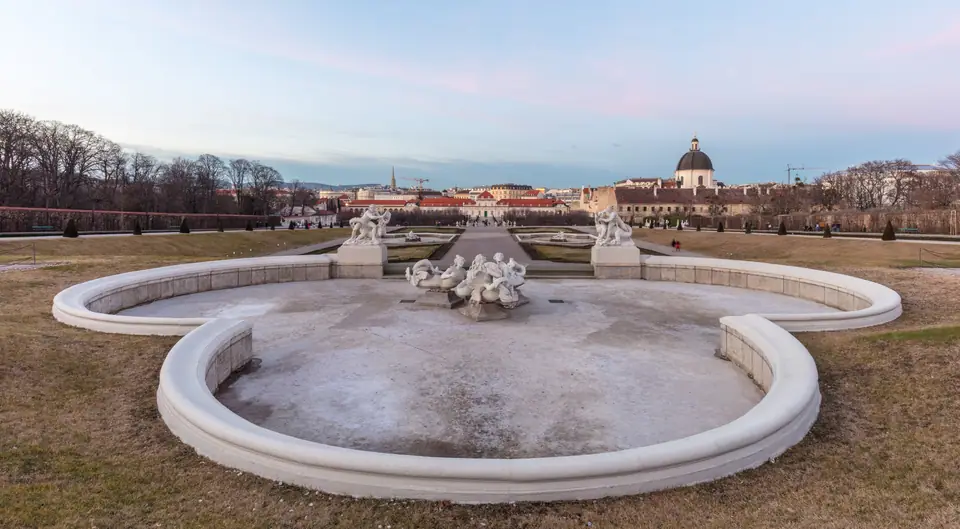
- Head west to Vienna for major imperial art collections, formal Belvedere terraces, and rapid cross-border rail or boat hops.
- Head north-east into the Little Carpathians for relaxed cellar tastings, tin-glazed ceramics, and cavernous castle basements on regional IDS BK tickets.
- Continue onward by rail out of Hlavná stanica toward Salzburg (roughly 305 km west), Kraków (roughly 439 km north-east), or Ljubljana through Graz.
Rail, Coach or Boat West to Vienna?
Roughly 55 to 60 kilometres divide central Bratislava from Vienna across flat Danube meadows, served smoothly by train, bus, and fast boat. Rail offers the steadiest year-round pace regardless of winter river ice or Danube fog. Cross-border rail took a big step forward when Marchegg line electrification finished on 11 October 2025. Clean ZSSK and ÖBB REX8 expresses now link Bratislava hlavná stanica straight to Wien Hbf in around 56 minutes. Parallel southern REX6 trains connect Bratislava-Petržalka via Kittsee to Wien Hbf in roughly 59 minutes. Arrivals step straight outside onto tram lines climbing toward Upper Belvedere gardens and rapid U-Bahn connections across Vienna.
Through warmer months, the sleek Twin City Liner catamaran casts off from Rázusovo nábrežie in Bratislava's Old Town. Open rear decks catch breezy sunshine past willow islands and limestone bluffs. Boats slide cleanly into Vienna's Schwedenplatz canal berth in roughly 75 minutes, leaving walkers minutes on foot from Stephansplatz spires. Checking seasonal ferry schedules online ensures smooth evening train returns once autumn dusk settles early along river locks. Frequent RegioJet, FlixBus, and Slovak Lines coaches serve Erdberg and Vienna Hbf off Most SNP and Nivy into evening hours. Pack your physical passport carefully before crossing for routine spot checks along border posts.
Following the Small Carpathian Wine Ridge
Beech groves blanket Malé Karpaty (Little Carpathians), rising gently north-east for roughly 100 kilometres toward 768-metre summit Záruby. Protected since 1976, this 646.1-square-kilometre landscape hugs sunny southern vineyard slopes framed by dry stone walls and pine air. Leave rental keys behind whenever wine tasting sits on your afternoon schedule. Frequent ZSSK S50 commuter trains from Hlavná stanica and regional IDS BK coaches out of Nivy bus terminal tie hillside wine towns seamlessly together. A valid multi-zone Bratislava CARD covers regional stops out across Pezinok and Modra with zero extra paper tickets.
Vineyard alleys climb gently uphill from suburban railway platforms, making car-free tasting loops easy even for relaxed walkers. Traditional family wine cellars often hang fresh pine boughs above stone arches to signal open tasting rooms during crisp weekends. Friendly wine growers happily pour crisp mineral samples beside oak barrels while valley breezes rustle green vine leaves cleanly overhead. Keep euro notes handy for village cellar doors and verify late-evening return bus times before sunset.
Svätý Jur and Royal Free Town Pezinok
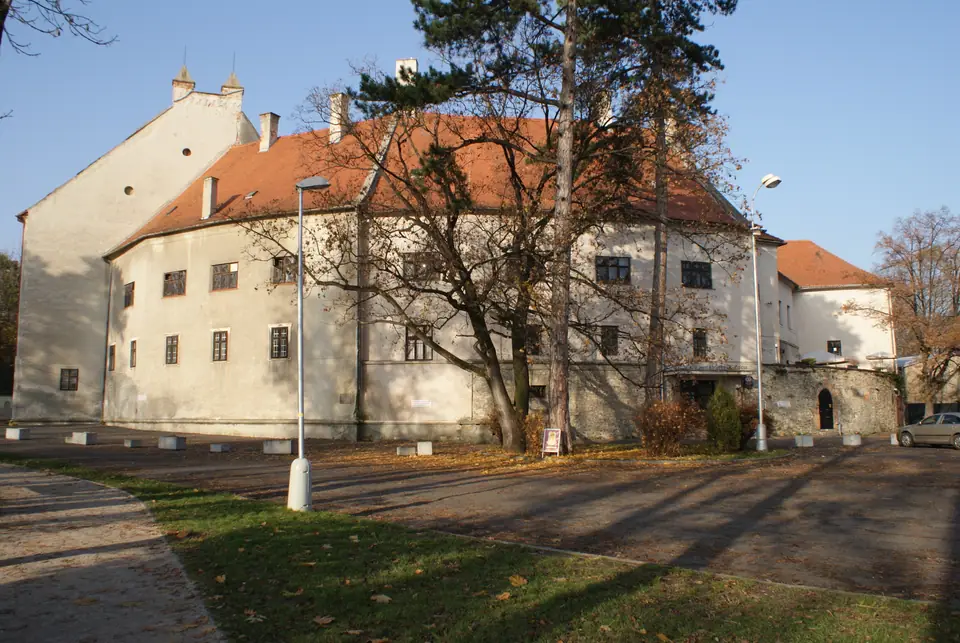
Fifteen minutes north along the S50 corridor rests quiet Svätý Jur, curled directly below tidy green vine rows. Stroll past surviving fragments of medieval defensive wall, the thirteenth-century Gothic Church of St George, and the original 1840 terminus of Hungary's pioneering horse-drawn Pressburg-to-Trnava railway. Stone side lanes carry walkers quickly from village pubs onto terraced vineyard lookouts facing Bratislava flats in the haze below.
Ten minutes beyond brings trains into Royal Free Town Pezinok. Stately Renaissance town houses frame calm cobbled squares beside the green gardens of thirteenth-century Pezinok Castle. Inside, historic vaulted halls complement viticulture exhibits at the Small Carpathian Museum. Town squares offer pleasant midday benches beside stone fountains and sunny patisserie counters between cellar stops. Between September and November, roads heading slightly south toward Slovenský Grob draw steady dinner crowds for traditional roast-goose and lokše feasts.
Tin-Glazed Ceramics in Modra
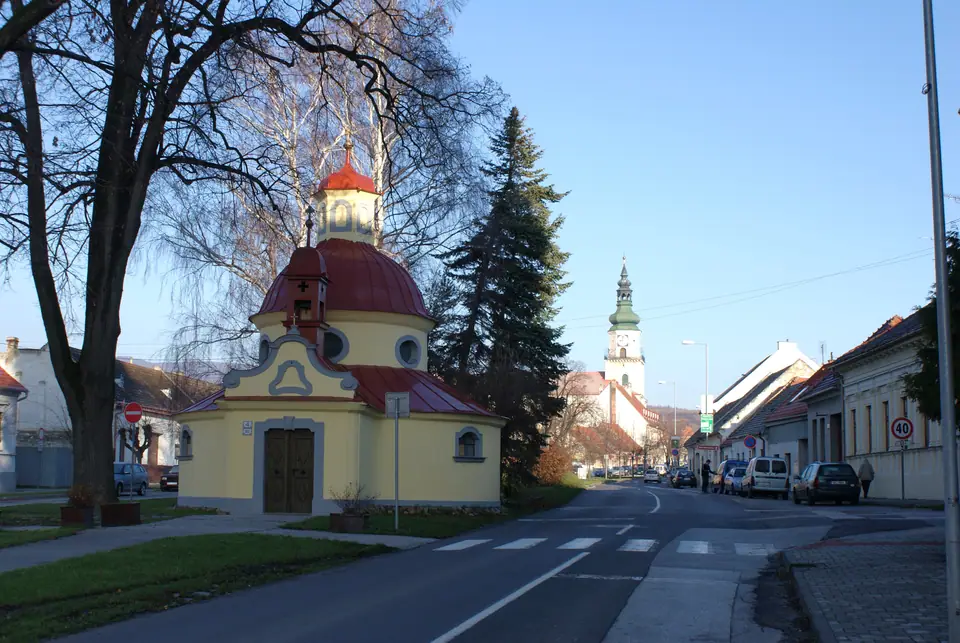
Connecting IDS BK buses run north-east from Pezinok or direct from Nivy into tranquil Modra. Local workshops win nationwide renown for painted cobalt, white, green, and ochre tin-glazed Slovenská ľudová majolika pottery. Artisans trace their hand-brushed floral patterns directly back to seventeenth-century Haban ceramicists. Working kiln rooms, paint studios, and shelves stacked with painted wine pitchers and stoneware plates invite slow browsing. Hand-painted soup tureens, candlesticks, and herb jars display distinctive deep-blue floral brushwork fired right on site. Peaceful lanes past the Ľudovít Štúr memorial museum and historic town gates pair naturally with relaxed cellar glasses of local Riesling and Frankovka modrá.
Cellar Vaults Beneath Červený Kameň
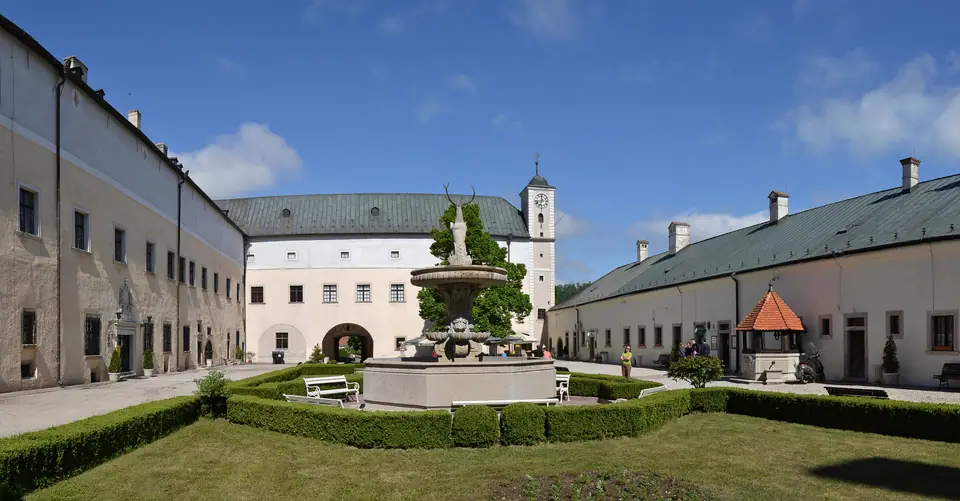
High in wooded folds above Častá rises massive Červený Kameň Castle. Begun as a thirteenth-century frontier stone fort, the stronghold transformed radically after 1535 under Augsburg's wealthy Fugger banking family. Later aristocratic Pálffy heirs turned the rugged bastion into a bright renaissance residence. Courtyard lime trees shade stone arcades leading upstairs through preserved period apartments.
Deep underneath the inner yard stretch colossal multi-storey brick storage cellars built for wine casks, grain sacks, and copper ingots. Those cavernous brick galleries rank comfortably among Central Europe's largest fortress basements, staying briskly cool even through hot August afternoons. Bus riders or drivers with clear afternoon daylight occasionally carry on north toward romantic twentieth-century Smolenice Castle rising through dense forest. Verify current Slovak National Museum tour windows and unhurried IDS BK return buses back to Bratislava's riverfront before setting out.
Where it is
- 1Day Trips from Bratislava
- M. R. Štefánik Airport (BTS) · about 27 km from here in a straight line
- Vienna International Airport (VIE) · about 65 km from here in a straight line
- Directions in Google Maps
Stations and taxi ranks: OpenStreetMap. Airports: OurAirports. Distances are in a straight line.
Traveller tips
Real advice from people who have been to Bratislava. Every tip is read by our team before it goes live.
No tips yet. Been here? Yours could be the first.
Thank you! Your tip will appear here after a quick review.
More in Bratislava
Continue exploring Bratislava with related neighbourhood, food, and planning guides
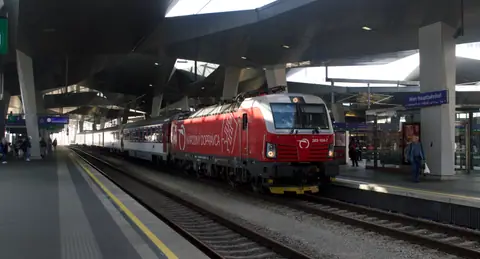
How to Get to & Around Bratislava: Vienna Rail, BTS & PAAS
Bratislava, Slovakia
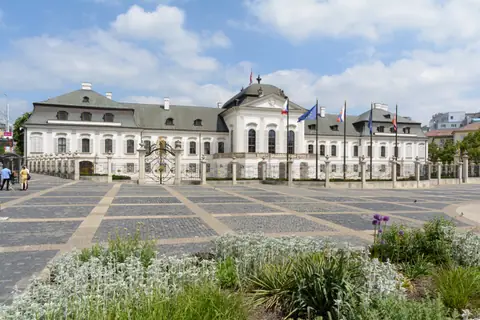
Where to Stay in Bratislava: Quiet Streets, Waterfronts & Petržalka
Bratislava, Slovakia
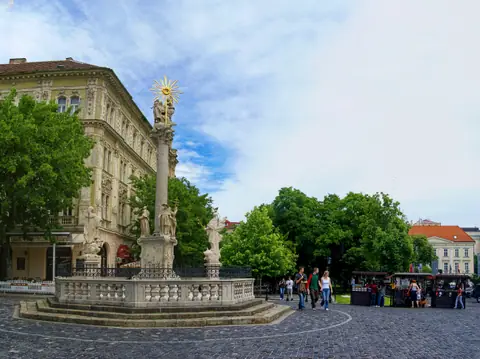
Best Time to Visit Bratislava: Climate, Harvest Wine & Advent
Bratislava, Slovakia
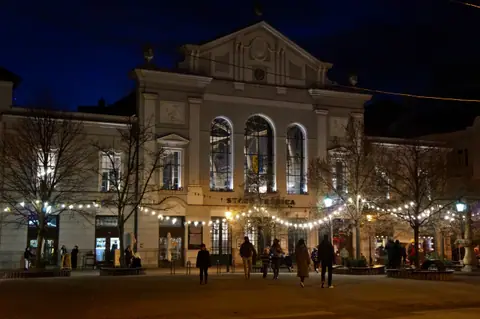
What to Eat in Bratislava: Halušky, Rožky, Stará Tržnica & Wine
Bratislava, Slovakia
