Vienna
Habsburg palaces, marble-tabled coffee houses, standing room at the opera and hillside vineyards within the city limits.
Quick decisions
How many days?
3 days: the Innere Stadt and Hofburg, Schönbrunn and the Belvedere, then the Kunsthistorisches Museum, Naschmarkt and Prater. 4 to 5 days: add an evening at a hillside wine tavern and a trip to the Wachau Valley. Our three-day plan sets out the daily pace.
Where should I stay?
Innere Stadt (1st): walkable to most palaces, at the highest hotel rates. Neubau (7th) or Wieden (4th): independent cafés, restaurants and U-Bahn links just outside the Ring. Leopoldstadt (2nd): between the canal and the Prater. See our district comparison.
Do I need a car?
No. Parking in the inner districts requires short-stay permits, and the U-Bahn, trams and S-Bahn reach every palace, museum and vineyard in the city. Day trips to Melk, Krems and Bratislava go straight from the main stations by train.
Best for
Music: nightly opera and orchestral concerts, with cheap standing places if you know the system. Art and architecture: Bruegel, Klimt, Schiele and Otto Wagner. Slow afternoons: coffee houses where nobody rushes you for the bill.
Before you go
Sundays: almost all shops and supermarkets close all day, though museums and cafés open as normal. Opera standing room: released online at 10am on the day of the performance. Tap water: piped straight from Alpine springs and drinkable everywhere.
Getting around
From the airport: take the ÖBB Railjet to Hauptbahnhof or S7 to Wien Mitte rather than the pricey City Airport Train. In the city: 24, 48 and 72-hour Wiener Linien passes cover all U-Bahn, trams and buses inside the core zone. Full details in arrival and transport.
Continue your trip
The Danube abbey at Melk, the vineyards of the Wachau Valley and the Slovak capital Bratislava are all easy day trips from Vienna. Direct trains also run north to Prague and Berlin, north-east to Kraków, and east to Budapest.
Overview
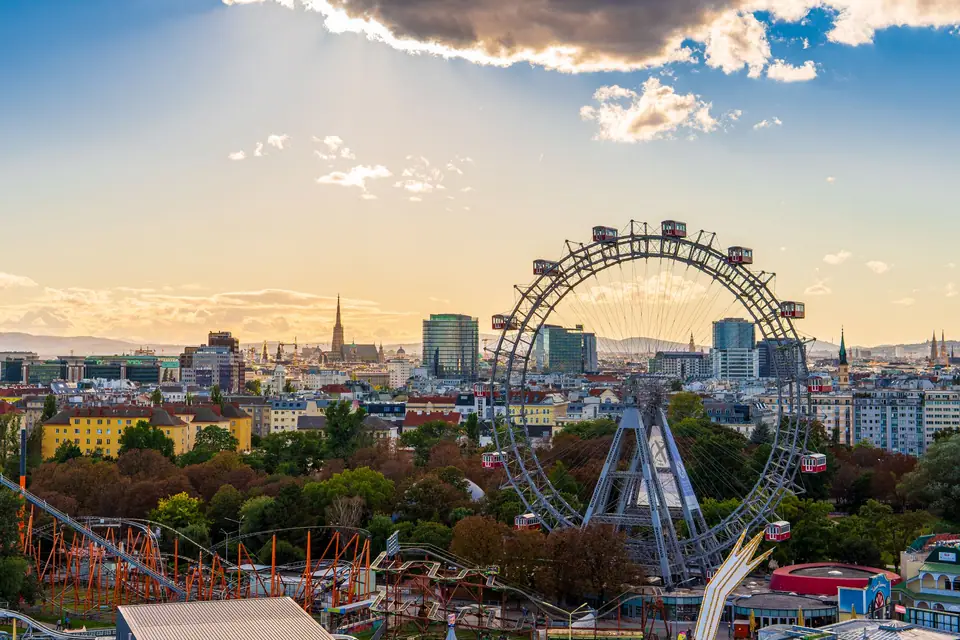
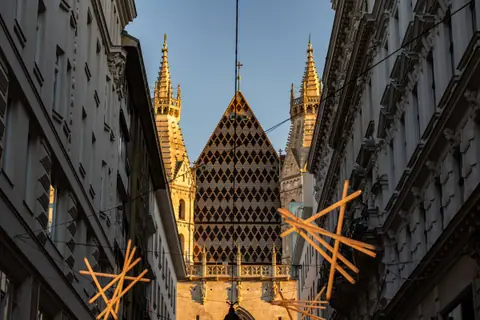
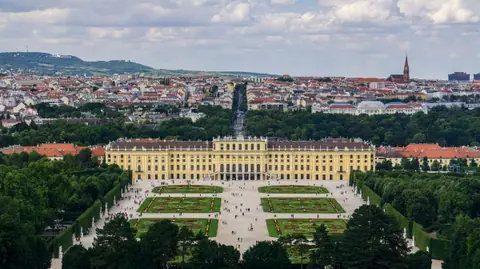
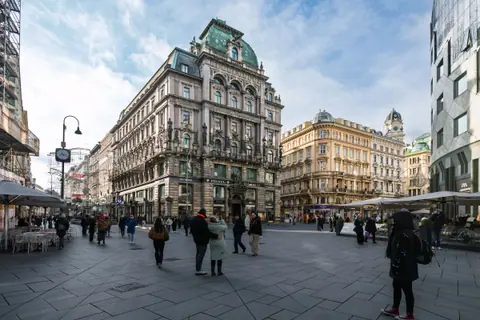
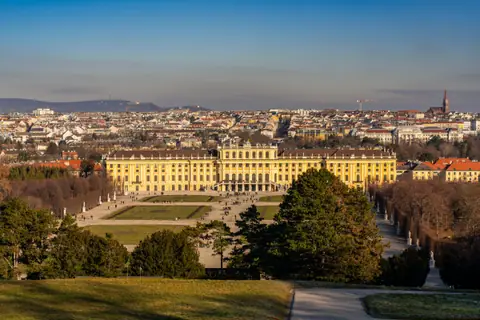
Vienna was the capital of the Habsburg Empire for centuries, and the scale of the centre still belongs to a much larger state than modern Austria. Inside the loop of the Ringstrasse boulevard sit the gothic spire of St Stephen's Cathedral, the winter courts of the Hofburg and the marble staircases of the Kunsthistorisches Museum. Outside the Ring lie the summer residences: Schönbrunn Palace to the west and the Belvedere to the south-east.
What stops Vienna feeling like a museum piece is how ordinary life uses these rooms. You can hear the Vienna Philharmonic Orchestra from a standing spot at the State Opera for the price of a snack, read the newspapers for two hours over a single cup in a traditional coffee house, and end the afternoon on a tram to the vineyards above Grinzing. Start with our first-timer briefing for how the numbered districts, tickets and local customs work.
Getting there
Vienna International Airport (Schwechat) sits 18 km south-east of the centre. Skip the heavily advertised City Airport Train (CAT) and take a regular ÖBB Railjet to Wien Hauptbahnhof (15 minutes) or the S7 suburban train toward Wien Mitte, remembering that the airport lies outside the city core zone. International trains arrive at Wien Hauptbahnhof or Westbahnhof. All routes and ticket rules are in our transport guide.
Where to stay
Vienna is divided into 23 numbered districts spiralling out from the Innere Stadt (1st). Staying in the 1st puts you on foot for the Hofburg and cathedral; staying just outside the Ring in Neubau (7th), Wieden (4th) or Leopoldstadt (2nd) cuts hotel bills and puts you where residents eat and drink. We compare the seven central districts in where to stay in Vienna.
Things to do
The big four are the Hofburg, Schönbrunn Palace, the Belvedere (for Klimt's The Kiss) and the Kunsthistorisches Museum, balanced with the Prater and the neighbourhoods outside the Ring. Our things to do list orders them by priority and flags what to skip.
Food and drink
Viennese cooking borrows from across the old empire: veal Wiener Schnitzel, boiled beef Tafelspitz, Hungarian-style goulash, sweet dumplings and layered cakes, washed down with crisp white wine grown on the hills inside the city boundary. Read our food and wine tavern guide before you sit down.
Culture
Mozart, Beethoven, Schubert, Mahler and Strauss all worked here, and at the turn of the 20th century Klimt, Schiele, Otto Wagner and Freud reshaped European art and thought within a few streets of each other. You can trace that shift from the Spanish Riding School and the concert halls to the Secession dome on the Ringstrasse.
Weather by month
Vienna is warmest in July, with average highs around 28°C, and coldest in January, when nights drop to about -2°C. September is the wettest month, with rain on about 9 days.
| Month | Low | Range | High | Rain | Rainy days |
|---|---|---|---|---|---|
| Jan | -2°C | 4°C | 41 mm | 10 d | |
| Feb | 0°C | 8°C | 36 mm | 9 d | |
| Mar | 2°C | 11°C | 32 mm | 7 d | |
| Apr | 6°C | 16°C | 50 mm | 10 d | |
| May | 11°C | 20°C | 78 mm | 13 d | |
| Jun | 16°C | 26°C | 69 mm | 11 d | |
| Jul | 17°C | 28°C | 60 mm | 10 d | |
| Aug | 17°C | 27°C | 61 mm | 9 d | |
| Sep | 13°C | 22°C | 84 mm | 9 d | |
| Oct | 8°C | 16°C | 56 mm | 10 d | |
| Nov | 3°C | 9°C | 44 mm | 8 d | |
| Dec | 0°C | 6°C | 46 mm | 10 d |
Averages of daily values from 2015 to 2024. Rainy days are days with at least 1 mm of rain. Source: Open-Meteo · Compare destinations by month.
Vienna on the map
Every place we cover in Vienna. Tap a category or pin to explore.
In-depth Vienna guides
Browse the guides grouped by topic: sights, neighbourhoods, food, transport, day trips and trip planning.
Sights, Landmarks & Parks
Key monuments, viewpoints, museums and nature trails.
- Best Things to Do in ViennaTen experiences that define a first visit to Vienna, with timing advice and what to skip.
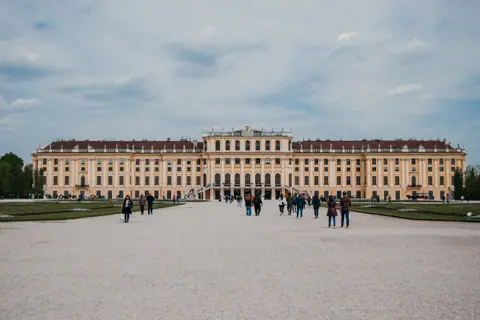
- Schönbrunn Palace and Gardens: How to VisitHow to pace the Habsburg summer palace, its hilltop Gloriette and 160 hectares of gardens without the crowds.
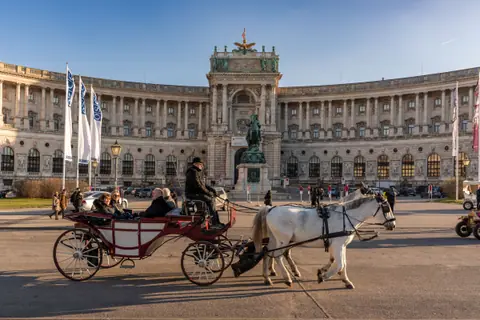
- The Hofburg, Sisi Museum and Imperial TreasuryNavigating the Habsburg winter palace complex: which wings to enter and which tickets to book.
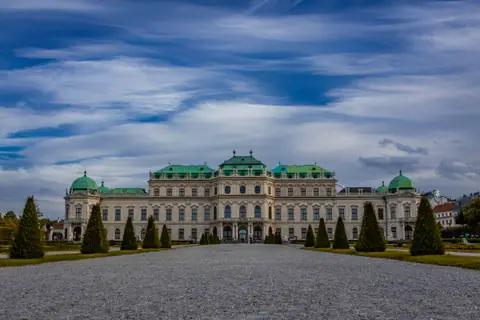
- Belvedere Palace: Klimt's Kiss, Baroque Gardens and TicketsPrince Eugene's two Baroque palaces, the sloped gardens between them and Austria's premier art collection.
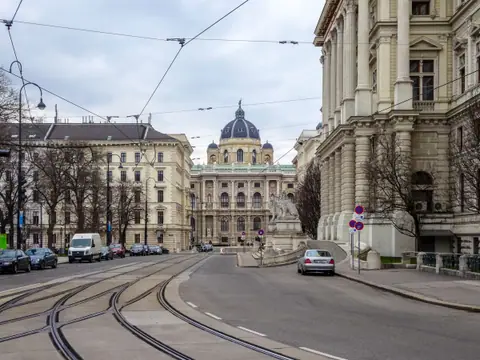
- Kunsthistorisches Museum and the MuseumsQuartierFrom Bruegel and Habsburg treasures on Maria-Theresien-Platz to Egon Schiele in the former imperial stables.
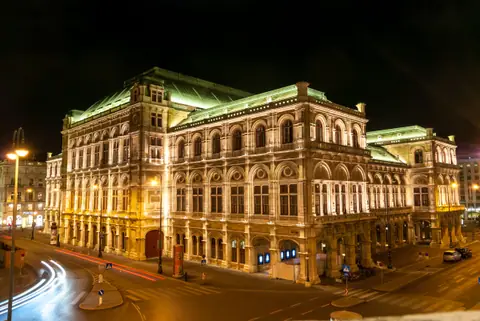
- Opera and Classical Music in Vienna: Tickets and Standing RoomHow to hear the world's finest orchestras in the State Opera and Musikverein, including the standing-room system.
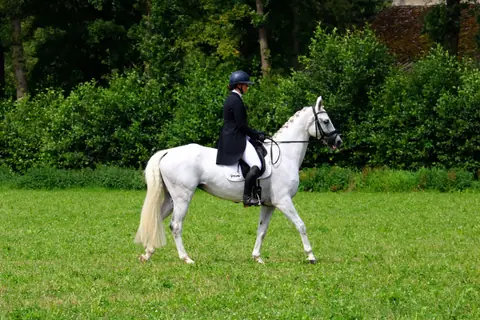
- The Spanish Riding School: Lipizzaner Performances and Morning ExerciseHow to see the white Lipizzaner stallions in the Baroque Winter Riding School hall, with or without a performance ticket.
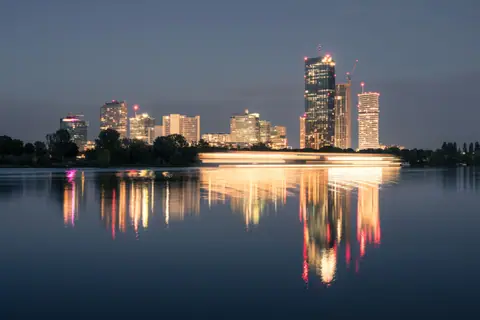
- The Prater, Giant Ferris Wheel and the Danube IslandThe 1897 Giant Ferris Wheel, the former imperial hunting grounds and how Vienna's three waterways fit together.
Neighbourhoods & Where to Stay
Districts, historic quarters and the best bases for your stay.
- St Stephen's Cathedral and the Innere Stadt: A Walking RouteAn eight-stop self-guided walk through Vienna's medieval lanes, courtyards and squares inside the Ring.
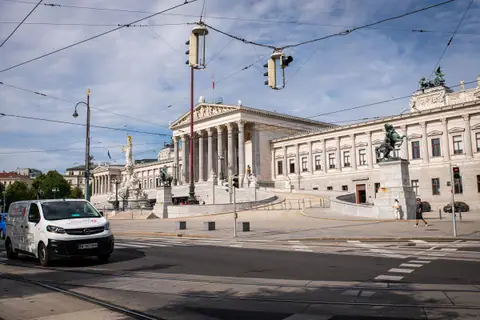
- The Ringstrasse and Otto Wagner's ViennaA route around the grand 19th-century boulevard and the Art Nouveau buildings that rebelled against it.
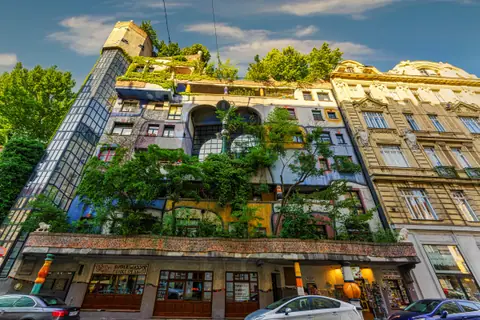
- Naschmarkt, Spittelberg and Local Vienna Beyond the RingOpen-air markets, Biedermeier lanes, independent shops and the residential districts outside the Ringstrasse.
- Where to Stay in Vienna: Districts ComparedSeven central Vienna districts compared for walkability, U-Bahn connections, evening life and hotel budgets.
Food & Drink
Local dishes, markets, cafés and dining districts.
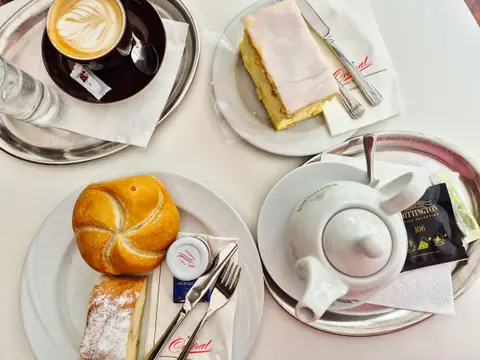
- Vienna Coffee Houses: How They Work and Which to PickThe unwritten rules of the Viennese Kaffeehaus, what the coffee names mean and seven rooms to try.
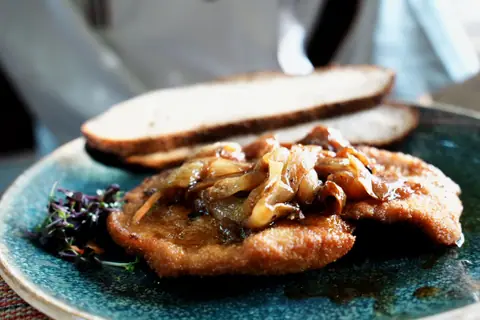
- Viennese Food, Schnitzel and Wine Taverns (Heurigen)What to order in a Viennese Beisl, the difference between veal and pork Schnitzel, and how to visit a hillside wine tavern.
Getting Around & Arrival
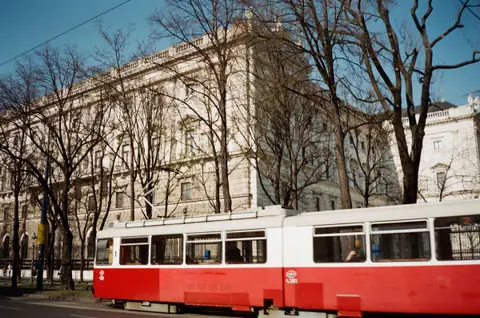
Airport transfers, public transit, passes and driving rules.
Day Trips & Excursions
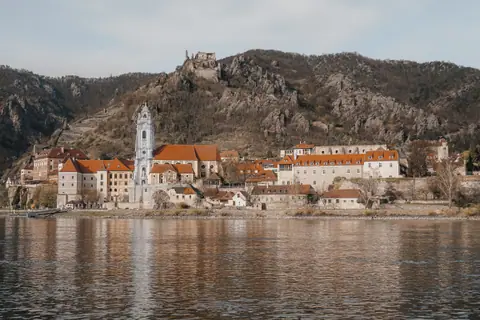
Easy half-day and full-day trips from the city.
Trip Planning & Itineraries
When to visit, what to pack and day-by-day routes.
- Vienna: What to Know Before You GoThe layout of the numbered districts, Sunday rules, money tips and local habits that shape a trip to Vienna.
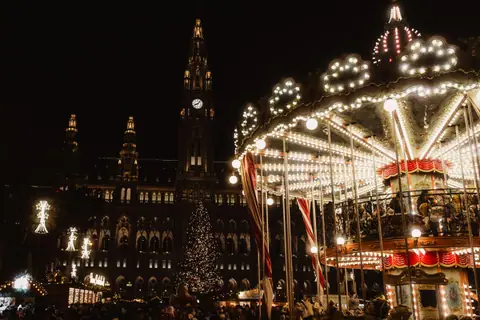
- Best Time to Visit ViennaFrom spring concerts and autumn grape harvests to the Christmas markets and winter ball season.
- What to Wear in ViennaPractical packing advice for palace gardens, museum marble floors, opera nights and Vienna's four seasons.
- 3 Days in Vienna: A Day-by-Day ItineraryThree unhurried days that pair one major palace or museum each morning with coffee houses, markets and evening music.
Need your embassy or consulate in Austria? See embassies and consulates in Austria.
Reviews
Log in to write a review.
No reviews yet.