Buenos Aires
Spread along the southwestern shore of the Río de la Plata estuary, Argentina's capital pairs Belle Époque avenues, 19th-century cafés notables, and the 1908 Teatro Colón with cobblestone San Telmo markets, corrugated-iron La Boca tenements, and oak-smoked neighbourhood parrillas.
Quick decisions
- How many days? Three to four full days cover the historic axis from Plaza de Mayo to Recoleta, the cobblestone streets of San Telmo and La Boca, the parks of Palermo, and a suburban rail trip to the Paraná Delta at Tigre.
- Where should I stay? Palermo Soho and Palermo Hollywood suit travellers looking for leafy streets, cafés, and evening dining; Recoleta offers French-style townhouses near major museums; San Telmo places you among colonial courtyards and antique halls.
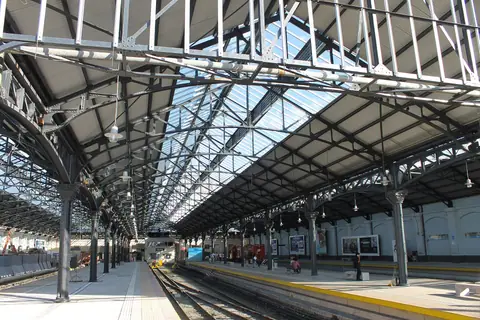
- Do I need a car? No. A rechargeable SUBE card covers the six-line Buenos Aires Underground (Subte), the 24-hour colectivo bus network, and commuter trains from Retiro and Constitución.
- Best for: Neoclassical and Art Nouveau architecture, open-fire beef parrillas, traditional tango salons (milongas), late-night bookshops along Avenida Corrientes, and subtropical river islands.
- Before you go: Pick up and load a SUBE transit card at a Subte station or kiosk, bring comfortable walking shoes for uneven cobbles in San Telmo, and check the official site for Teatro Colón guided tour slots before arrival.
- Getting around: Line D connects Plaza de Mayo with Recoleta and Palermo, Line C links the Retiro and Constitución rail terminals, and licensed radio taxis or ride-hailing apps handle late-evening trips between neighbourhoods.
- Continue your trip: Pair the Argentine capital with an Atlantic coast flight to Rio de Janeiro, an urban art stop in São Paulo, or an Andean highland journey to Machu Picchu.
Overview
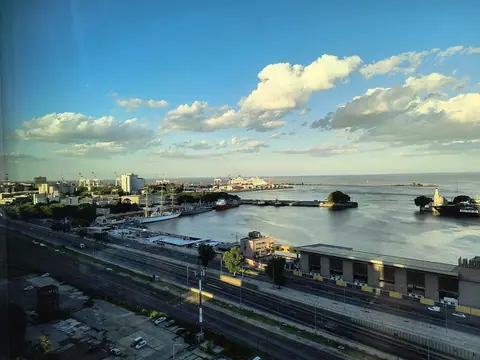
Buenos Aires, officially the Autonomous City of Buenos Aires, stands on the flat pampas along the southwestern bank of the Río de la Plata estuary. Founded for the second and permanent time on 11 June 1580 by Spanish captain Juan de Garay and federalised as Argentina's national capital in 1880, the city proper counts 3.1 million residents within 48 distinct neighbourhoods (barrios), anchored by a wider metropolitan area of 16.7 million people.
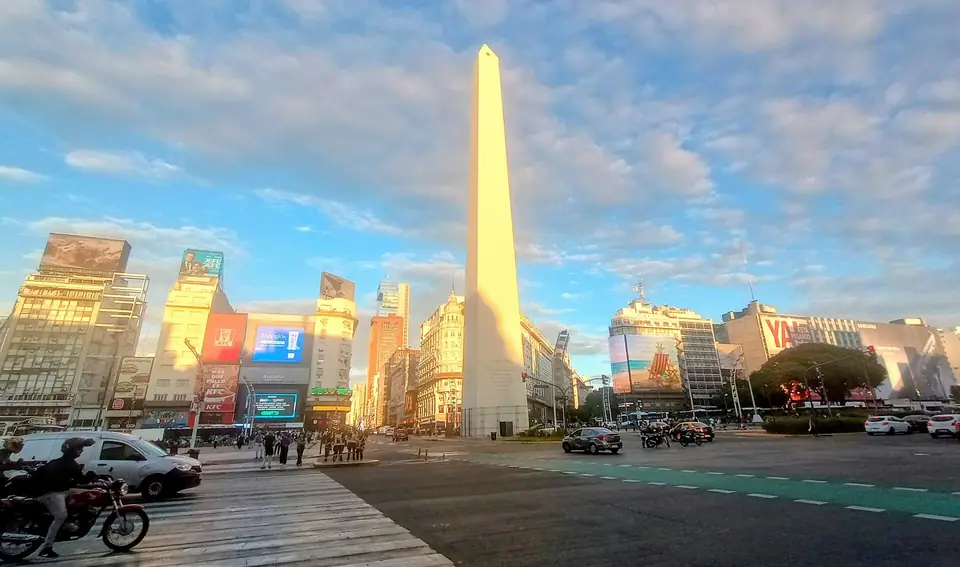
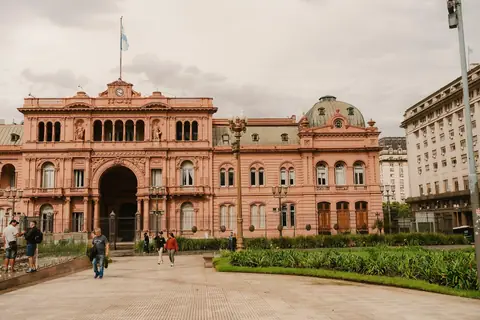
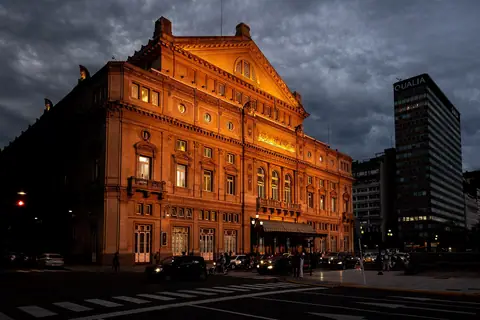
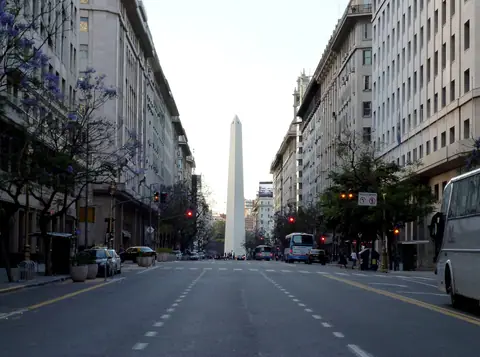
Waves of European immigration in the late 19th and early 20th centuries shaped the capital's built landscape and daily customs. Along Plaza de Mayo, Casa Rosada, and Avenida de Mayo, French mansard roofs and Spanish Art Nouveau domes overlook marble-tabled coffeehouses opened as early as 1858. A short walk north, Teatro Colón, Obelisco, and Avenida Corrientes trace the theatrical heart of the city around the 110-metre-wide Avenida 9 de Julio.
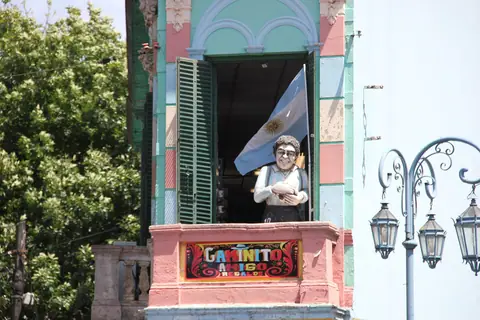
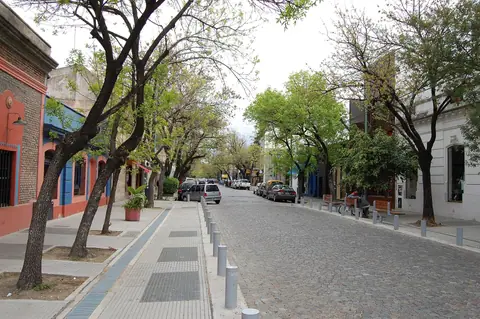
Each neighbourhood carries its own architectural and social character. To the south, San Telmo, Plaza Dorrego, and the Historic Market Hall preserve 19th-century courtyard houses and wrought-iron market arches, while La Boca, Caminito, and the Old Riachuelo Port reflect the Genoese dockworking heritage of the Matanza River mouth. To the north, Recoleta Cemetery, Bellas Artes, and El Ateneo Grand Splendid lead directly into the 400-hectare parkland of Palermo Soho, Bosques de Palermo, and MALBA.
Getting there
Most long-haul flights land at Ministro Pistarini International Airport (Ezeiza, EZE), situated 22 kilometres south-southwest of central Buenos Aires, which handles 85 per cent of Argentina's international air traffic. Domestic flights from Patagonia, Mendoza, and Iguazú, as well as regional services from Brazil, Chile, and Uruguay, frequently use Aeroparque Jorge Newbery (AEP), positioned on the Río de la Plata shore in Palermo just 2 kilometres northwest of downtown.
High-speed catamarans also cross the Río de la Plata estuary between the Puerto Madero ferry terminal in Buenos Aires and Colonia del Sacramento or Montevideo in Uruguay. Once in the city, the Buenos Aires Underground (Subte), opened in 1913 as the first metro network in Latin America and the Southern Hemisphere, operates six underground lines (A, B, C, D, E, and H) across 56.7 kilometres and 90 stations. Full transfer details are covered in How to Get to Buenos Aires.
Where to stay
Most visitors base themselves along the northern and central corridor served by Subte Lines D and H. Palermo, the city's largest neighbourhood covering 17.4 square kilometres, splits into low-rise areas such as Palermo Soho and Palermo Hollywood, where converted townhouses hold boutique hotels, specialty coffee roasters, and courtyard parrillas.
Neighbouring Recoleta appeals to travellers who prefer classic Haussmann-style apartment blocks within walking distance of the National Museum of Fine Arts and Recoleta Cemetery. South of Plaza de Mayo, San Telmo offers restored 19th-century mansions and loft apartments along cobblestone streets, while Puerto Madero features contemporary high-rise hotels facing converted brick dockside warehouses. Compare each district in Where to Stay in Buenos Aires.
Things to do
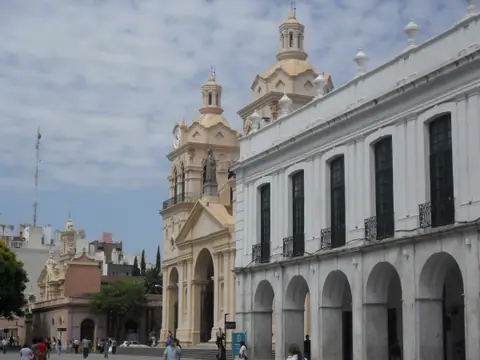
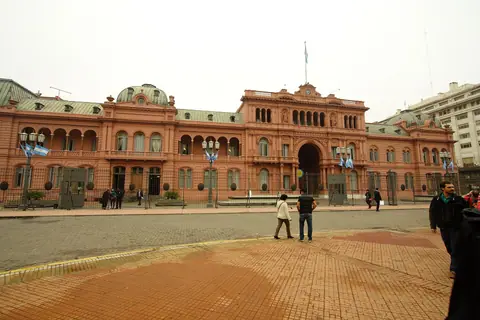
Start at the civic core of Plaza de Mayo, formed in 1884 around the 1811 Pirámide de Mayo monument, bordered by the pink presidential Casa Rosada, the 12-columned Metropolitan Cathedral, and the whitewashed colonial Cabildo. Follow Avenida de Mayo west past the 1858 Café Tortoni and the 1923 Palacio Barolo before turning north to the 1936 Obelisco and the 1908 Teatro Colón opera house.
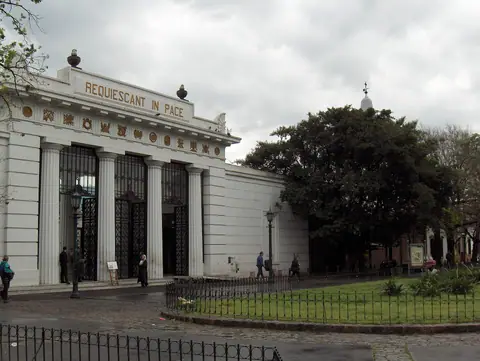
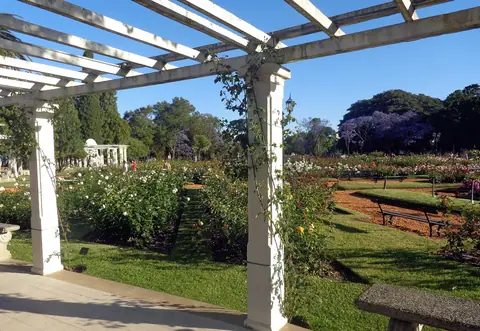
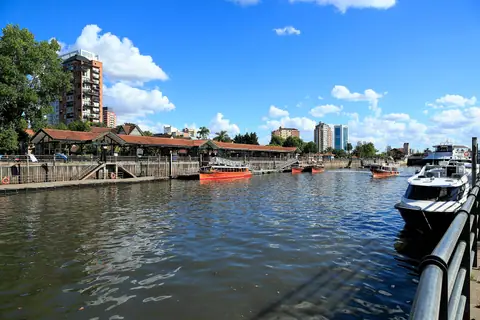
In the southern barrios, browse the 1897 cast-iron Mercado de San Telmo and the Sunday antique stalls on Plaza Dorrego, then continue to the painted corrugated-iron tenements of Caminito in La Boca. Along the northern avenue axis, walk the marble mausoleums of the 1822 La Recoleta Cemetery, step inside the 1919 theatre-turned-bookshop El Ateneo Grand Splendid, and explore the rose gardens of Parque Tres de Febrero and the 2001 MALBA museum. For a full day on the water, board the Mitre commuter train to Tigre Delta and San Isidro. See our complete list in Best Things to Do in Buenos Aires.
Food and drink
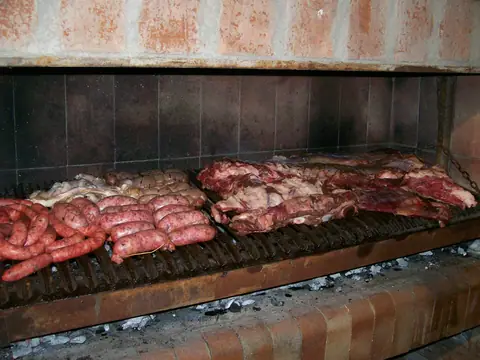
Porteño dining revolves around the parrilla, where wood or charcoal embers slow-roast beef cuts including bife de chorizo (sirloin), ojo de bife (ribeye), and tira de asado (short ribs), preceded by grilled provoleta cheese and choripán sausage rolls dressed with chimichurri. Neighbourhood bodegones serve oversized platters of milanesa napolitana and handmade pasta inherited from Genoese and Neapolitan immigrants.
Along Avenida Corrientes, traditional pizzerias bake thick, cheese-laden fugazzeta topped with sweet white onions alongside slices of chickpea-flour fainá. Afternoon breaks centre on a cortado with flaky medialunas (croissants) or alfajores filled with dulce de leche, while late evenings end at an artisanal heladería. Read our dish-by-dish breakdown in What to Eat in Buenos Aires.
Culture
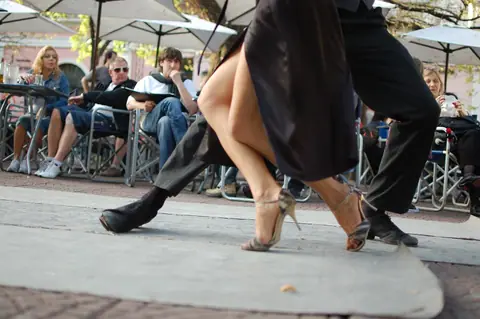
Buenos Aires is the birthplace of tango, which emerged in the late 19th century among European immigrants, Afro-Argentines, and gauchos in the port tenements of La Boca and San Telmo. Today, locals dance at neighbourhood milongas (social tango halls) that begin late in the evening and follow traditional cabeceo eye-contact etiquette.
Evening life in the capital runs two to three hours later than in North America or northern Europe: restaurants rarely fill before 21:00, theatre curtains along Avenida Corrientes rise through the late evening, and independent bookshops remain open past midnight after performances.
Weather by month
Buenos Aires is warmest in January, with average highs around 30°C, and coldest in July, when nights drop to about 8°C. October is the wettest month, with rain on about 10 days. For mild weather with fewer rainy days, aim for May, August and September.
| Month | Low | Range | High | Rain | Rainy days |
|---|---|---|---|---|---|
| Jan | 20°C | 30°C | 63 mm | 9 d | |
| Feb | 19°C | 29°C | 56 mm | 8 d | |
| Mar | 18°C | 27°C | 56 mm | 8 d | |
| Apr | 14°C | 23°C | 63 mm | 9 d | |
| May | 11°C | 19°C | 49 mm | 7 d | |
| Jun | 8°C | 16°C | 49 mm | 7 d | |
| Jul | 8°C | 16°C | 49 mm | 7 d | |
| Aug | 9°C | 18°C | 49 mm | 7 d | |
| Sep | 11°C | 20°C | 49 mm | 7 d | |
| Oct | 13°C | 23°C | 70 mm | 10 d | |
| Nov | 16°C | 26°C | 63 mm | 9 d | |
| Dec | 19°C | 29°C | 63 mm | 9 d |
Averages of daily values from 2015 to 2024. Rainy days are days with at least 1 mm of rain. Source: Open-Meteo · Compare destinations by month.
Buenos Aires on the map
Every place we cover in Buenos Aires. Tap a category or pin to explore.
In-depth Buenos Aires guides
Browse the guides grouped by topic: sights, neighbourhoods, food, transport, day trips and trip planning.
Sights, Landmarks & Parks
Key monuments, viewpoints, museums and nature trails.
- Best Things to Do in Buenos AiresFrom the 1822 Recoleta Cemetery and the 1908 Teatro Colón to San Telmo's cast-iron market and Puerto Madero's swing bridge, explore the top sights.
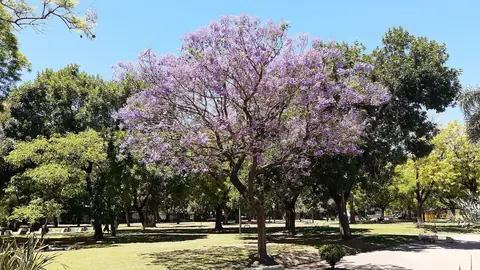
- Best Time to Visit Buenos Aires: Seasons, Jacarandas, and WeatherCompare Buenos Aires month by month using official SMN 1991 to 2020 climate normals, from purple jacaranda spring in November to mild autumn days.
- 3 Days in Buenos Aires: Neighbourhoods, Tango, and RiverfrontFollow a structured 3-day Buenos Aires itinerary covering Plaza de Mayo, San Telmo, Recoleta, Teatro Colón, Palermo, La Boca, and Puerto Madero.
- Plaza de Mayo, Casa Rosada, and Avenida de MayoWalk the civic and architectural spine of Buenos Aires from the 1884 Plaza de Mayo and pink Casa Rosada past the 1858 Café Tortoni to Palacio Barolo.
- La Boca, Caminito, and the Old Riachuelo PortVisit the colourful corrugated-iron conventillos of Caminito, the old Riachuelo river port, and the Genoese cultural heritage of La Boca.
- Recoleta Cemetery, Bellas Artes, and El Ateneo Grand SplendidExplore the 1822 La Recoleta Cemetery, the 1732 Basilica of Our Lady of the Pillar, the National Museum of Fine Arts, and El Ateneo Grand Splendid.
- Teatro Colón, Obelisco, and Avenida CorrientesTour the 1908 Teatro Colón opera house, stand beneath the 1936 Obelisco on 110-metre-wide Avenida 9 de Julio, and walk Avenida Corrientes.
- Palermo Soho, Bosques de Palermo, and MALBASpend a day in Buenos Aires' largest barrio, exploring the 400-hectare Bosques de Palermo, the 1967 Japanese Gardens, MALBA, and Palermo Soho.
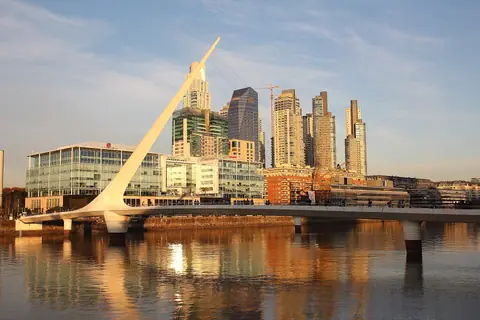
- Puerto Madero, Puente de la Mujer, and Costanera Sur ReserveWalk the regenerated 1890s red-brick docks of Puerto Madero, cross Santiago Calatrava's Puente de la Mujer, and explore the Costanera Sur Reserve.
Neighbourhoods & Where to Stay
Districts, historic quarters and the best bases for your stay.
- Buenos Aires: Everything You Need to KnowPlan your visit to Argentina's capital with practical advice on the 48 barrios, the 1913 Subte underground, seasonal weather, and cultural etiquette.
- Where to Stay in Buenos Aires: Palermo, Recoleta, and San TelmoCompare Buenos Aires' best neighbourhoods for travellers: leafy Palermo Soho and Hollywood, elegant Recoleta, historic San Telmo, and waterfront Puerto Madero.
- San Telmo, Plaza Dorrego, and the Historic Market HallExplore Buenos Aires' oldest neighbourhood, from the 1897 cast-iron Mercado de San Telmo and Sunday antiques fair on Plaza Dorrego to colonial churches.
Food & Drink
Local dishes, markets, cafés and dining districts.
Getting Around & Arrival
Airport transfers, public transit, passes and driving rules.
Day Trips & Excursions
Easy half-day and full-day trips from the city.
Reviews
Log in to write a review.
No reviews yet.