Copenhagen
Gabled 17th-century harbour townhouses, royal palaces, clean wooden harbour baths, rye-bread smørrebrød counters and dedicated cycle lanes linking bridges across the water.
Quick decisions
How many days?
3 days: Indre By, Nyhavn, Rosenborg Castle and Tivoli Gardens on day one, Christiansborg, Christianshavn and Reffen street food on day two, plus Nørrebro, Vesterbro and a harbour swim on day three. 4 to 5 days: add a coastal train trip to Louisiana Museum and Kronborg Castle or cross the bridge to Malmö. Follow our three-day route.
Where should I stay?
Indre By (Inner City): walk everywhere between Nyhavn, palaces and museums. Vesterbro: lively restaurants and Kødbyen near Central Station. Nørrebro or Østerbro: local bakeries, parks and calmer residential avenues. Compare areas in our neighbourhood overview.
Do I need a car?
No. Central Copenhagen is built around bicycles, pedestrian lanes, yellow electric harbour buses and the 24-hour driverless Metro.
Best for
Architecture and design: brick-and-copper royal Renaissance castles beside contemporary waterfront libraries and bridges. Food lovers: traditional open-faced smørrebrød, cardamom buns and New Nordic kitchens. Urban swimmers and cyclists: clean harbour baths and wide cycle tracks.
Before you go
Cards work everywhere and cycle lanes have strict rules: Denmark uses the Danish krone (DKK) rather than the euro, though contactless cards cover almost every purchase. Never step into a cycle track without looking both ways. Read our practical briefing.
Getting around
From Copenhagen Airport (CPH): Metro Line M2 reaches Kongens Nytorv in 13 minutes and regional trains reach København H in 13 minutes. Details in arrival and transport.
Continue your trip
Coastal trains head north to the Louisiana Museum of Modern Art and Kronborg Castle in Helsingør, west to the Viking Ship Museum in Roskilde, or across the Øresund Bridge to Malmö and Stockholm.
Overview
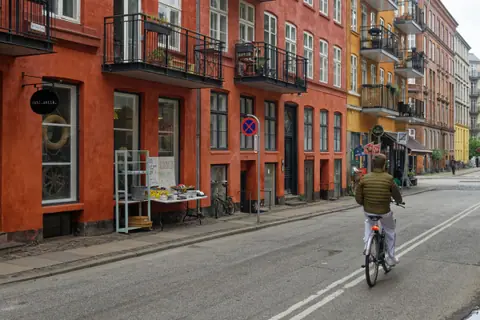
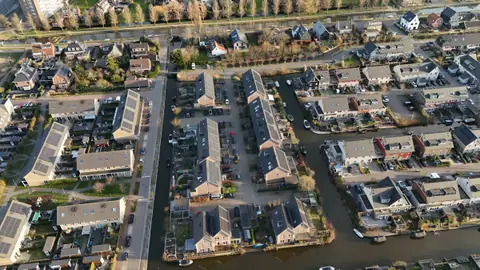
Built across the coastal islands of Zealand and Amager facing the Øresund strait, Copenhagen has transformed its former industrial shipping channel into a clean, swimmable living room lined with timber decks, pedestrian cycle bridges and contemporary architecture. In the historic core of Indre By and Nyhavn, 17th-century merchant townhouses painted in ochre, terracotta and pale blue face wooden schooners moored along the canal.
Within a twenty-minute walk or a ten-minute pedal from the centre stand the copper spires of Rosenborg and Christiansborg castles, the pagoda lanterns of Tivoli Gardens, the cobbled canals of Christianshavn and the independent bakeries and food halls of Vesterbro and Nørrebro. Start with our before-you-go briefing and top things to do in Copenhagen.
Getting there
Copenhagen Airport, Kastrup (CPH), sits just eight kilometres south-east of the city centre on the island of Amager. Both driverless Metro Line M2 (to Christianshavn, Kongens Nytorv and Nørreport) and mainline DSB / Öresundståg trains (to København H Central Station) make the crossing in under fifteen minutes. Inside the city, four automated Metro lines, yellow Movia harbour buses and rented bicycles cover every district. See how to get to Copenhagen and public transport cards.
Where to stay
First-time visitors who want to walk between the royal palaces, canal boats and museums usually stay in Indre By around Kongens Nytorv or the Latin Quarter, while food-focused travellers look to Vesterbro near Central Station, Nørrebro north of the lakes or quiet waterfront hotels in Christianshavn and Islands Brygge. We compare all six main areas in where to stay in Copenhagen.
Things to do
Walk the waterfront from Nyhavn past Amalienborg Palace, climb the spiral ramp of the Round Tower, inspect the Crown Jewels at Rosenborg Castle, ride the wooden roller coaster inside Tivoli Gardens, and take a day train to Louisiana Museum and Kronborg Castle. Browse the complete list in things to do in Copenhagen.
Food and drink
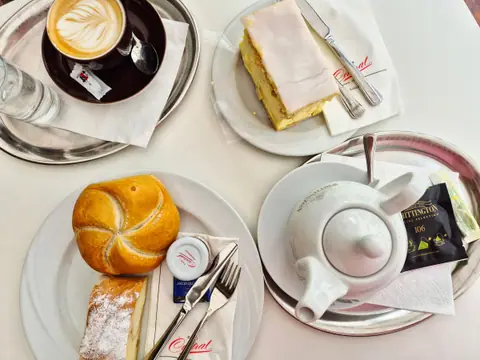
Copenhagen's food culture shines just as brightly in morning sourdough bakeries and traditional lunch taverns as it does in experimental tasting rooms. Order tall open-faced smørrebrød sandwiches on dense dark rye bread with pickled herring or roast beef and crispy onions, flaky spandauer pastries and knotted cardamom buns (kardemommesnurrer), or organic street food overlooking the water at Reffen. Read more in our Copenhagen food and bakery guide.
Culture
Founded as a 10th-century Viking fishing settlement and fortified by Bishop Absalon in 1167 under the name Købmændenes Havn (Merchants' Harbour), Copenhagen grew under the 17th-century builder-king Christian IV, who gave the city its green copper spires, Rosenborg Castle, the Round Tower and the canals of Christianshavn.
Weather by month
Copenhagen is warmest in July, with average highs around 23°C, and coldest in January, when nights drop to about 0°C. August is the wettest month, with rain on about 10 days. For mild weather with fewer rainy days, aim for May, June and September.
| Month | Low | Range | High | Rain | Rainy days |
|---|---|---|---|---|---|
| Jan | 0°C | 4°C | 52 mm | 11 d | |
| Feb | 0°C | 5°C | 40 mm | 9 d | |
| Mar | 1°C | 8°C | 41 mm | 9 d | |
| Apr | 5°C | 12°C | 36 mm | 8 d | |
| May | 9°C | 17°C | 44 mm | 8 d | |
| Jun | 13°C | 21°C | 58 mm | 9 d | |
| Jul | 15°C | 23°C | 64 mm | 10 d | |
| Aug | 15°C | 22°C | 68 mm | 10 d | |
| Sep | 12°C | 18°C | 59 mm | 10 d | |
| Oct | 8°C | 13°C | 63 mm | 11 d | |
| Nov | 4°C | 8°C | 56 mm | 11 d | |
| Dec | 1°C | 5°C | 57 mm | 12 d |
Averages of daily values from 2015 to 2024. Rainy days are days with at least 1 mm of rain. Source: Open-Meteo · Compare destinations by month.
Copenhagen on the map
Every place we cover in Copenhagen. Tap a category or pin to explore.
In-depth Copenhagen guides
Browse the guides grouped by topic: sights, neighbourhoods, food, transport, day trips and trip planning.
Sights, Landmarks & Parks
Key monuments, viewpoints, museums and nature trails.
- Best Things to Do in CopenhagenHarbour canals, Renaissance royal castles, historic amusement gardens, art museums and harbour baths.
- Nyhavn, Amalienborg Palace and the Indre By WaterfrontA self-guided walk from the colourful gables of Nyhavn to Amalienborg Palace and Kastellet.
- Visiting Tivoli Gardens: Rides, Pagodas and Evening LightsMaking the most of Copenhagen's 1843 pleasure gardens, from the 1914 wooden coaster to evening illuminations.
- Rosenborg Castle, the Crown Jewels and Christiansborg PalaceComparing Christian IV's Renaissance treasure box at Rosenborg with the seat of parliament at Christiansborg.
- The Round Tower, Latin Quarter and Strøget Side StreetsStep-free spiral views from the 1642 Round Tower and the cobbled bookshop lanes of the Latin Quarter.
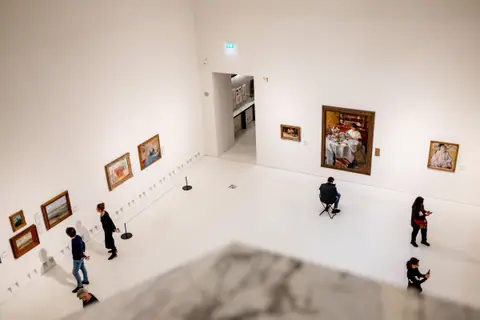
- Copenhagen Museums: Glyptoteket, SMK, Designmuseum and BLOXInside Copenhagen's four flagship museums of sculpture, Impressionist painting, Danish chairs and architecture.
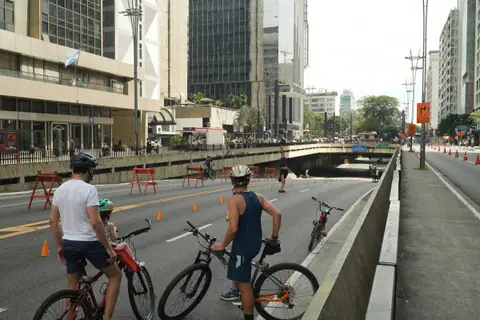
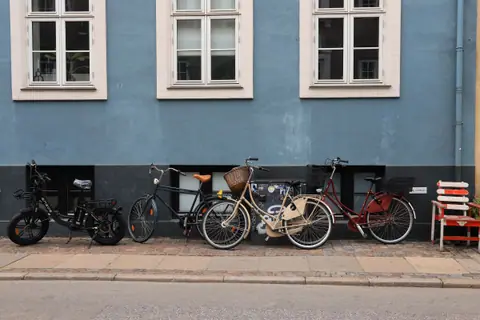
- Cycling in Copenhagen: Bike Lanes, Hand Signals and Best RoutesRenting a bike, mastering Copenhagen's hand signals and riding the elevated Cykelslangen bridge.
- Frederiksberg Gardens, the Underground Cisterns and VærnedamsvejHilltop palace gardens, subterranean dripstone art chambers at Cisternerne and leafy avenues.
Neighbourhoods & Where to Stay
Districts, historic quarters and the best bases for your stay.
- Christianshavn Canals, Church of Our Saviour and ChristianiaWalking the Dutch-inspired canals of Christianshavn, climbing Vor Frelsers Kirke and visiting Christiania.
- Vesterbro, the Meatpacking District (Kødbyen) and Sønder BoulevardWhite-tiled butcher halls turned seafood bars in Kødbyen, leafy Sønder Boulevard and independent Vesterbro.
- Nørrebro: Jægersborggade, Assistens Cemetery and SuperkilenCross Dronning Louises Bro into Nørrebro for cobbled Jægersborggade, Assistens gardens and Superkilen Park.
- Refshaleøen, Reffen Street Food, CopenHill and Harbour BathsSwimming in clean city harbour pools, eating by the water at Reffen and walking up CopenHill's roof.
- Where to Stay in Copenhagen: Best Areas ComparedComparing Copenhagen's six best hotel neighbourhoods by atmosphere, Metro links and walkability.
Food & Drink
Local dishes, markets, cafés and dining districts.
Getting Around & Arrival
Airport transfers, public transit, passes and driving rules.
- Getting to Copenhagen from Kastrup Airport and by International Train13-minute airport transfers by Metro or train into central Copenhagen and arriving at København H.
- Copenhagen Public Transport: Metro, Harbour Buses and Copenhagen CardNavigating the 24-hour Metro, riding the yellow Harbour Buses on a regular ticket and comparing passes.
Trip Planning & Itineraries
When to visit, what to pack and day-by-day routes.
- Copenhagen: What to Know Before You GoCard-only payments in Danish kroner, cycle lane rules, neighbourhood layout and booking tips.
- Best Time to Visit Copenhagen: Seasons, Daylight and FestivalsChoosing between 17.5-hour summer days on the harbour decks, golden September light and December hygge.
- What to Wear in Copenhagen: Layering for Wind, Bikes and SeasonsDressing for coastal breezes, bike lanes and cobblestone streets in every season.
- 3 Days in Copenhagen: A Practical Day-by-Day RouteThree geographical days covering the royal core, Christianshavn's canals, Nørrebro and the coast.
Need your embassy or consulate in Denmark? See embassies and consulates in Denmark.
Reviews
Log in to write a review.
No reviews yet.