Stockholm
Fourteen islands where Lake Mälaren meets the Baltic Sea, linking ochre medieval alleys in Gamla Stan, the salvaged 1628 warship Vasa, bedrock metro art stations and thirty thousand archipelago islands.
Quick decisions
How many days?
3 days: Gamla Stan, the Royal Palace and City Hall on day one, Djurgården (Vasa Museum and Skansen) and Östermalm on day two, plus Södermalm viewpoints, Metro art stations and an archipelago boat trip on day three. Follow our three-day route.
Where should I stay?
Norrmalm & Centralstation: walk to ferries, shopping and Arlanda trains. Gamla Stan: medieval cobbled lanes and waterfront quays. Södermalm or Östermalm: independent cafés and cliff views, or leafy food-hall elegance. Compare areas in our island breakdown.
Do I need a car?
No. Stockholm spans 14 islands connected by pedestrian bridges, underground Tunnelbana trains, Line 7 trams and commuter ferries.
Best for
Maritime and royal history: the 98-percent-original 1628 warship Vasa and three royal palaces. Island hopping: regular commuter boats into the Stockholm Archipelago. Design and coffee culture: bedrock subway caves and twice-daily fika breaks.
Before you go
Sweden is almost completely cashless: carry a contactless Visa or Mastercard for everything from SL ferries and bakeries to public toilets, as many places refuse Swedish kronor banknotes. Read our practical briefing.
Getting around
From Arlanda Airport (ARN): the high-speed Arlanda Express reaches Stockholm Central in 18 minutes, or take commuter train Line 40 and Flygbussarna coaches. Details in arrival and transport.
Continue your trip
High-speed SJ trains run south to Copenhagen and west to Gothenburg, while overnight Baltic ferries sail to Helsinki, Turku and Tallinn.
Overview
Built where the fresh waters of Lake Mälaren rush into the brackish inlets of the Baltic Sea, Stockholm spreads across fourteen islands tied together by fifty-seven bridges. At the geographic centre sits Gamla Stan (the Old Town), where tall 17th-century merchant gable houses painted in warm saffron, rust and ochre crowd along cobblestone alleys below the Royal Palace.
Every surrounding island has its own distinct mood: green park-covered Djurgården holds the salvaged warship Vasa and Skansen open-air museum, cliff-rimmed Södermalm looks north across the water from timber cottages and indie boutiques, and Östermalm and Norrmalm anchor the city's food halls and department stores, while boats depart all day into the Stockholm Archipelago. Begin with our before-you-go briefing and top things to do in Stockholm.
Getting there
Stockholm Arlanda Airport (ARN) lies 40 kilometres north of the city and connects to Stockholm Centralstation in 18 minutes via the dedicated Arlanda Express train, in 38 minutes on SL commuter rail Line 40, or by Flygbussarna coach. Within the city, you can tap a contactless bank card directly on all SL Tunnelbana metro gates, buses, Djurgården trams and inner-harbour commuter ferries. See getting to Stockholm and how SL transport works.
Where to stay
Because water separates each district, picking the right island shapes your daily walks. Norrmalm puts you within steps of Centralstation and NK, Gamla Stan surrounds you with medieval lanes after day-trippers leave, Södermalm offers Stockholm's liveliest restaurants and viewpoints, and Östermalm provides grand waterfront boulevards along Strandvägen. Compare all islands in where to stay in Stockholm.
Things to do
Stand before the towering oak stern of the 1628 warship at the Vasa Museum, wander the narrow lanes of Gamla Stan, walk the cliff path of Monteliusvägen on Södermalm, ride the escalators down into the painted bedrock caves of the Stockholm Metro, and catch a Waxholmsbolaget boat to Vaxholm or Fjäderholmarna. Full list in things to do in Stockholm.
Food and drink
Daily life in Stockholm pauses twice a day for fika, a unhurried coffee break paired with a knotted cinnamon bun (kanelbulle) or freshly ground cardamom bun (kardemummabulle). For lunch and dinner, look for classic husmanskost comfort dishes: hand-rolled meatballs with lingonberries and pickled cucumber, crisp toast Skagen topped with cold-water prawns and bleak roe, and cured salmon (gravad lax) at the 1888 brick market hall in Östermalm. Read more in our Stockholm food and fika guide.
Culture
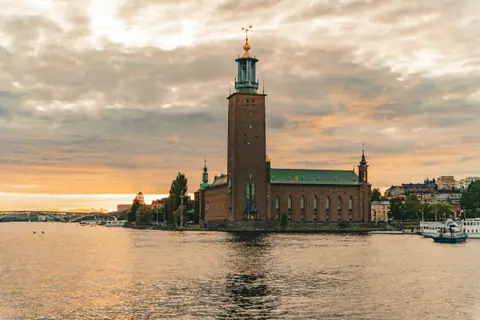
Founded around 1252 by Birger Jarl as a fortified lock guarding Lake Mälaren, Stockholm rose to European prominence during the 17th-century Swedish Empire and has hosted the annual Nobel Prize ceremonies every 10 December since 1901, crowning the year with the Nobel Banquet inside the red-brick halls of Stockholm City Hall.
Weather by month
Stockholm is warmest in July, with average highs around 24°C, and coldest in January, when nights drop to about -3°C. August is the wettest month, with rain on about 10 days. For mild weather with fewer rainy days, aim for May, June and September.
| Month | Low | Range | High | Rain | Rainy days |
|---|---|---|---|---|---|
| Jan | -3°C | 1°C | 41 mm | 10 d | |
| Feb | -3°C | 2°C | 31 mm | 8 d | |
| Mar | -1°C | 6°C | 29 mm | 7 d | |
| Apr | 3°C | 11°C | 30 mm | 7 d | |
| May | 8°C | 17°C | 38 mm | 7 d | |
| Jun | 12°C | 22°C | 56 mm | 9 d | |
| Jul | 15°C | 24°C | 66 mm | 9 d | |
| Aug | 14°C | 22°C | 68 mm | 10 d | |
| Sep | 10°C | 17°C | 54 mm | 9 d | |
| Oct | 5°C | 11°C | 53 mm | 10 d | |
| Nov | 2°C | 6°C | 52 mm | 10 d | |
| Dec | -2°C | 2°C | 46 mm | 10 d |
Averages of daily values from 2015 to 2024. Rainy days are days with at least 1 mm of rain. Source: Open-Meteo · Compare destinations by month.
Stockholm on the map
Every place we cover in Stockholm. Tap a category or pin to explore.
In-depth Stockholm guides
Browse the guides grouped by topic: sights, neighbourhoods, food, transport, day trips and trip planning.
Sights, Landmarks & Parks
Key monuments, viewpoints, museums and nature trails.
- Best Things to Do in StockholmA salvaged 17th-century warship, medieval island lanes, Golden Hall mosaics and archipelago ferries.
- Gamla Stan Guide: Stortorget, Narrow Alleys and the Royal PalaceExploring Stockholm's 13th-century island heart, from Stortorget to the 600-room Royal Palace.
- Djurgården Guide: Vasa Museum, Skansen and Rosendal GardenStockholm's green royal island holding the 1628 warship Vasa, Skansen and Rosendals Trädgård.
- Stockholm Metro Art Guide: The Best Stations on the Blue and Red LinesA self-guided 90-minute route through Stockholm's most sweeping painted bedrock subway caverns.
- Stockholm City Hall (Stadshuset) and the Nobel Prize MuseumInside the 18-million-tile Golden Hall at Stockholm City Hall and the Nobel Prize story in Gamla Stan.
- Skeppsholmen and Kastellholmen: Moderna Museet and Peaceful Quay WalksCrossing the gilded-crown bridge to car-free Skeppsholmen for Moderna Museet and historic wooden ships.
- Kayaking, Open-Water Swimming and Lake Walks in StockholmWhere to rent a kayak on smooth city canals, dive off sun-warmed granite cliffs and swim in clean lake water.



Neighbourhoods & Where to Stay
Districts, historic quarters and the best bases for your stay.
- Södermalm Guide: Monteliusvägen Views, SoFo and FotografiskaCliff-edge panoramas over Lake Mälaren, wooden 18th-century cottages, SoFo boutiques and Fotografiska.
- Östermalm and Norrmalm: Saluhall, Strandvägen and KungsträdgårdenBrick-turreted food halls, waterfront boulevards, cherry blossoms in Kungsträdgården and design stores.
- Where to Stay in Stockholm: Island-by-Island BreakdownComparing Stockholm's five main hotel islands by atmosphere, walkability and transport links.
Food & Drink
Local dishes, markets, cafés and dining districts.

Getting Around & Arrival
Airport transfers, public transit, passes and driving rules.
- Getting to Stockholm: Arlanda Airport Trains, Centralstation and FerriesComparing Arlanda Express, commuter trains and airport buses into Stockholm Centralstation.
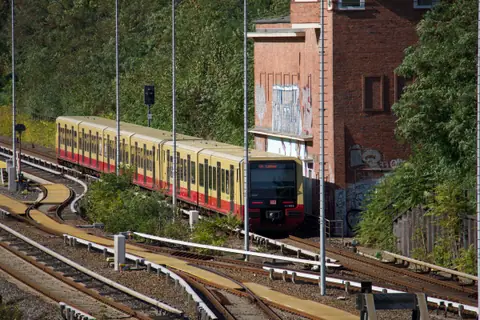
- Stockholm Public Transport: SL Contactless Tap, Tram 7 and Ferries 80/82Using contactless tap-and-go across Stockholm's Tunnelbana, Tram 7 and inner-harbour ferries 80 and 82.
Day Trips & Excursions
Easy half-day and full-day trips from the city.
- Stockholm Archipelago Guide: Vaxholm, Fjäderholmarna and SandhamnPicking the right archipelago island for a half-day or full-day ferry trip from central Stockholm.
- Day Trips from Stockholm: Drottningholm Palace, Uppsala and SigtunaSailing Lake Mälaren to UNESCO-listed Drottningholm Palace or taking a quick train to Uppsala and Sigtuna.
Trip Planning & Itineraries
When to visit, what to pack and day-by-day routes.
- Stockholm: What to Know Before You GoWhy you never need cash in Stockholm, how the main islands fit together and local customs.
- Best Time to Visit Stockholm: Midsummer, White Nights and Winter LightsTiming your Stockholm trip for 18.5-hour summer days, Midsummer maypoles or December candlelit traditions.
- What to Wear in Stockholm: Cobblestones, Archipelago Wind and Winter LayersDressing for Stockholm's island breezes, medieval cobblestones and smart minimalist style.
- 3 Days in Stockholm: Islands, Vasa Museum, Södermalm and ArchipelagoThree island-by-island days linking Gamla Stan, City Hall, the Vasa Museum, Södermalm and the archipelago.
- Practical Tips for Stockholm: Cashless Payments, Systembolaget and EtiquettePractical Swedish habits from card-only counters and Systembolaget hours to queue numbers and tap water.
Need your embassy or consulate in Sweden? See embassies and consulates in Sweden.
Reviews
Log in to write a review.
No reviews yet.