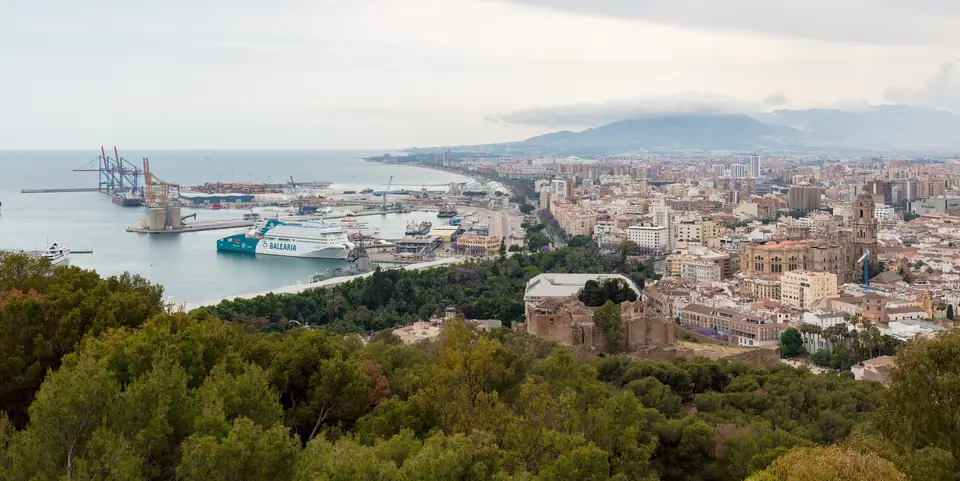
Photo: Diego Delso · CC BY-SA 4.0
Málaga
A sun-warmed Andalusian port where Phoenician roots, hilltop Moorish fortresses, and major modern art museums line a compact historic centre.
Quick decisions
How many days?
Three days. This allows time for the fortress monuments, coastal art collections, and local dining. Read our 3-day itinerary to organise your route.
Where should I stay?
The historic centre. Most points of interest cluster here, letting you reach key sites entirely on foot. Check our neighbourhood guide for specific districts.
Do I need a car?
No. Walkable streets, two metro lines, and local trains make driving unnecessary in town. Take regional buses or Cercanías services for coast and valley excursions.
Best for
Art and ancient architecture. Major cultural spaces sit steps away from Roman masonry and substantial Arab fortresses overlooking the Mediterranean Sea.
Before you go
Book museum tickets early. Venues sell entries online to regulate gallery access. Pack comfortable walking shoes for stone steps and fortress climbs.
Getting around
Walk and use public transit. Urban buses and the two-line metro link the centre to outer districts. White taxis with blue stripes cover late journeys.
Continue your trip
Head inland or along the coast. Regular trains run west to coastal towns, while regional routes link to Granada and Seville. Browse our day trips guide for options.
Overview
Málaga rests at an altitude of 11 metres above sea level along the southern coast of Spain. The municipal territory covers 395 square kilometres and is home to 566,447 inhabitants. In the first century B.C., Estrabon mentioned a Phoenician town established at the foot of the central hill. Roman rule followed, establishing self-governing municipal rights recorded under the Lex Flavia Malacitana statutes. In 571, the Visigoth king Leovigildo captured the settlement before Tarik crossed the straits in 711.
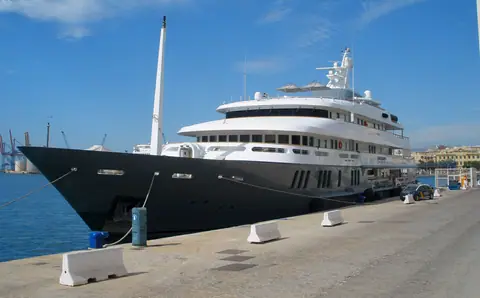
Eight centuries of Islamic governance shaped urban defences and irrigation networks before the Catholic Monarchs incorporated Málaga in 1487. Today, modern commerce thrives around an active port, where cruise traffic operates from Muelle de Cánovas. Travellers planning their visit can consult our comprehensive travel guide for essential advice. To check seasonal temperatures, sunshine figures, and holiday periods, review our dedicated best time to visit guide.
Getting there
Travellers flying to the coast arrive at Málaga Costa del Sol Airport, situated 8 kilometres outside the urban centre. The Express Aeropuerto bus service reaches the city centre in roughly 15 minutes, carrying passenger luggage free of charge. In addition, Cercanías commuter train line C1 connects the terminal directly to Málaga Centro Alameda in under 15 minutes. Road links also connect terminal exits directly to the MA-20 ring road.
Mainline rail journeys arrive at María Zambrano station, located 2 kilometres from the port and 7 kilometres from the airport terminal. High-speed rail services link Málaga directly with Seville, and the railway station provides on-site left-luggage facilities. Travellers can consult our detailed advice on how to get there for regional coach timetables and intercity transit connections across Andalusia.
Where to stay
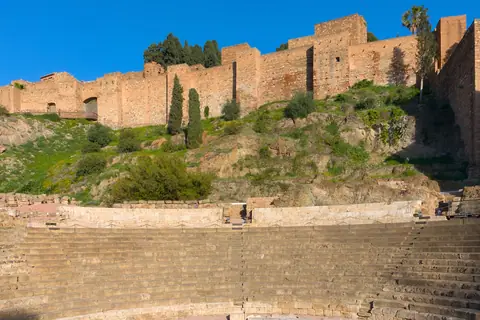
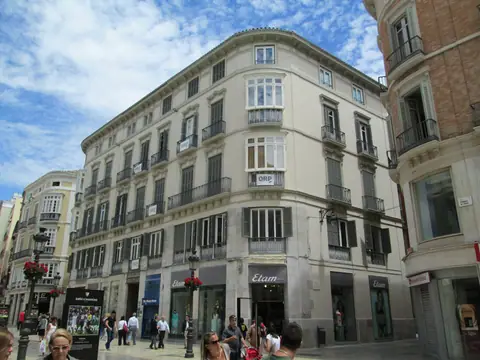
Most historic sights cluster within the old quarter, so lodging near Calle San Agustín or Plaza Carmen Thyssen keeps daily travel on foot. Visitors staying near the Roman Theatre can walk to ancient fortifications, town squares, and local tapas bars in minutes. The María Zambrano railway station offers an alternative base, situated 2 kilometres from the port, with quick connections for rail excursions.
Coastal quarters around La Malagueta beach provide waterfront promenades within walking distance of the central docks. Public buses connect these coastal suburbs to the historic centre, while two carbon-neutral metro lines run west towards university districts. The single reloadable transport card allows shared travel for up to 15 passengers. To choose the right neighbourhood for your budget, browse our guide on where to stay.
Things to do
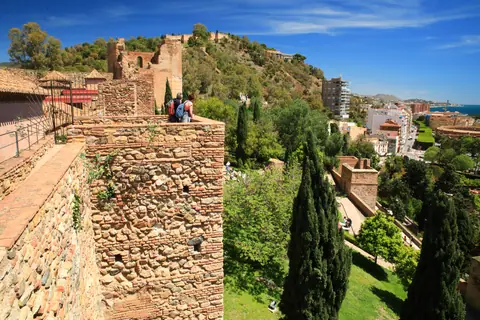
Begin your sightseeing at the Alcazaba fortress on Mount Gibralfaro, an extensive eleventh-century Arab palace covering 14,200 square metres. King Badis of Granada expanded the fortress in 1056 with double perimeter walls, and restoration started in 1933. Higher up the hillside stands Gibralfaro Castle, constructed in the fourteenth century to protect the stronghold. Read our full Alcazaba and Gibralfaro guide to plan your route.
In the historic centre, the cathedral offers guided roof tours daily as well as organ visits. Art enthusiasts can tour the Picasso Museum in Calle San Agustín, where over 200 artworks occupy the sixteenth-century Buenavista Palace. At the port, Centre Pompidou Málaga occupies the El Cubo pavilion between piers 1 and 2. Discover further urban attractions through our curated list of things to do.
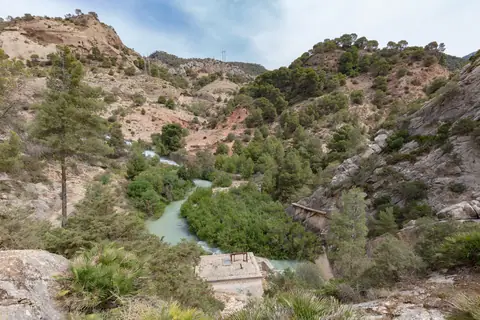
Active travellers can organise excursions outside the city centre, including the Caminito del Rey path. This trail is located less than 60 kilometres away in Desfiladero de los Gaitanes Natural Park. Regional trains run from Málaga towards El Chorro, where hikers must wear secured footwear and safety helmets. For complete route suggestions and transport tips across the province, explore our comprehensive day trips guide.
Food and drink
Local culinary culture draws upon centuries of Mediterranean trade, agricultural harvests, and regional maritime traditions. Under Roman rule, Málaga exported barrels of regional wine, olive oil, and salted garum fish sauce through its busy commercial harbour. Muslim rule later expanded fruit and nut production, including raisins and dried figs across surrounding valleys. Traditional taverns continue serving regional wines with local fish dishes.
Central markets supply fresh produce every morning, surrounded by counter-service bars serving small tapas plates to standing diners. Eating remains casual and social, with groups enjoying seafood along pedestrian streets and beachfront promenades. Outdoor chiringuito restaurants operate on La Malagueta beach throughout the bathing season. Review our wardrobe recommendations on what to wear to ensure suitable attire for indoor dining rooms and city squares.
Culture
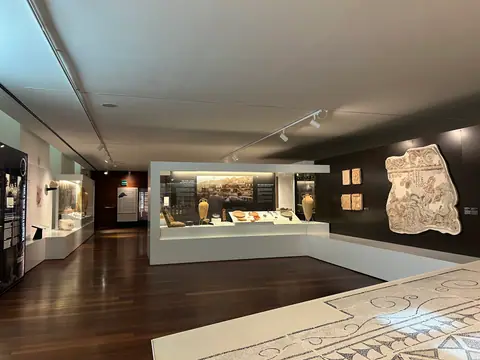
Málaga celebrates its creative legacy through native painter Pablo Picasso, born here before gaining international fame. Opened in 2003, the Picasso Museum exhibits his work inside the Buenavista Palace, offering audio guides through mobile apps. Nearby on Calle Compañía, Museo Carmen Thyssen exhibits Spanish art and an ancient archaeological site. Review practical visiting hours and ticket advice in our Picasso and museums guide.
Religious festivals form a vital element of community life, most notably during Easter week processions through city avenues. Brotherhoods wear traditional robes to carry massive processional thrones called pasos, accompanied by ancient local traditions. On Easter Wednesday near Plaza de la Aduana, the articulated statue of Jesús el Rico officially frees a selected prisoner. Along the coast, residents respect communal beach spaces spanning 14 kilometres of shoreline.
Weather by month
Málaga is warmest in July, with average highs around 31°C, and coldest in January, when nights drop to about 9°C. March is the wettest month by rainfall (85 mm), with rain on about 10 days. For mild weather with fewer rainy days, aim for February and May.
| Month | Low | Range | High | Rain | Rainy days |
|---|---|---|---|---|---|
| Jan | 9°C | 17°C | 46 mm | 6 d | |
| Feb | 10°C | 17°C | 30 mm | 5 d | |
| Mar | 11°C | 19°C | 85 mm | 10 d | |
| Apr | 13°C | 21°C | 41 mm | 8 d | |
| May | 16°C | 24°C | 23 mm | 4 d | |
| Jun | 20°C | 28°C | 9 mm | 2 d | |
| Jul | 23°C | 31°C | 1 mm | 0 d | |
| Aug | 23°C | 31°C | 8 mm | 1 d | |
| Sep | 20°C | 28°C | 28 mm | 4 d | |
| Oct | 17°C | 24°C | 68 mm | 6 d | |
| Nov | 13°C | 20°C | 66 mm | 6 d | |
| Dec | 11°C | 18°C | 39 mm | 5 d |
Averages of daily values from 2015 to 2024. Rainy days are days with at least 1 mm of rain. Source: Open-Meteo · Compare destinations by month.
Málaga on the map
Every place we cover in Málaga. Tap a category or pin to explore.
In-depth Málaga guides
Browse the guides grouped by topic: sights, neighbourhoods, food, transport, day trips and trip planning.
Sights, Landmarks & Parks
Key monuments, viewpoints, museums and nature trails.
- Best Things to Do in MálagaMálaga combines historic hilltop monuments, modern art collections, scenic coastal promenades, and convenient regional transport connections.
- Málaga Museums Guide: Picasso and BeyondA practical visitor guide to Museo Picasso Málaga, Centre Pompidou, and cultural venues across the city.
Neighbourhoods & Where to Stay
Districts, historic quarters and the best bases for your stay.
Getting Around & Arrival
Airport transfers, public transit, passes and driving rules.
Day Trips & Excursions
Easy half-day and full-day trips from the city.
Trip Planning & Itineraries
When to visit, what to pack and day-by-day routes.
- Málaga: What to Know Before You GoOur Málaga travel guide explains public transport, airport bus connections, travel distances, and entry practicalities.
- Best Time to Visit MálagaMálaga offers mild winters and sunny summers, making spring and early autumn ideal for historic sightseeing and coastal exploring.
- What to Wear in MálagaPack breathable natural textiles, supportive flat shoes, and secure trail footwear for discovering Málaga and the sunny Costa del Sol.
- Alcazaba and Gibralfaro Castle GuideDiscover the Alcazaba fortress and Gibralfaro Castle above Málaga with practical advice on history, terrain, and city views.
- Málaga in 3 Days: A Practical ItineraryA structured three-day walking itinerary through Málaga, connecting ancient citadels, cathedral roof tours, art museums and regional transport links.
Need your embassy or consulate in Spain? See embassies and consulates in Spain.
Reviews
Log in to write a review.
No reviews yet.