Quito
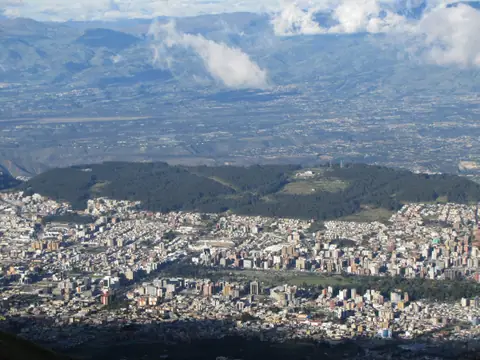
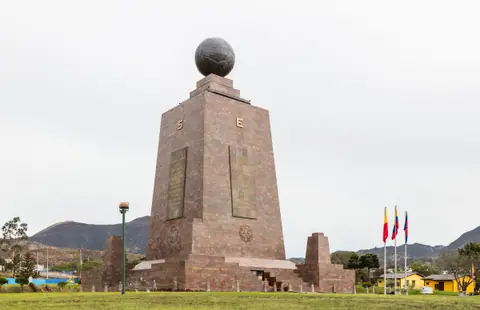
High in the Guayllabamba river basin at 2,850 metres on the eastern flank of Pichincha Volcano, Quito pairs a 320-hectare UNESCO Historic Centre of gilded Baroque churches with the underground Quito Metro and direct access to the Equator and Cotopaxi.
Quick decisions
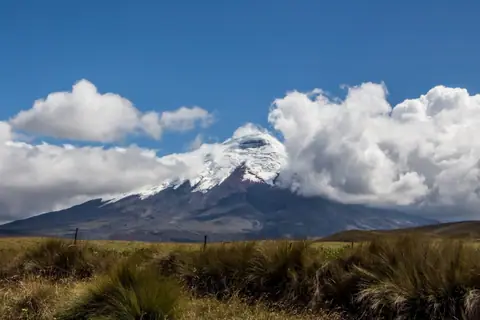
- How many days? Three to four days give you time to acclimatise at 2,850 metres, explore the 320-hectare Historic Centre and TeleferiQo, and take a day trip to Ciudad Mitad del Mundo or Cotopaxi National Park.
- Where should I stay? Stay in the Centro Historico for restored colonial courtyard hotels near Plaza San Francisco, La Floresta for leafy streets and independent dining, or Parque La Carolina for modern high-rise hotels near Metro stations.
- Do I need a car? No. Quito stretches 50 kilometres through a narrow valley served by the 22-kilometre underground Quito Metro Line 1, electric Trolebus corridors, and registered yellow taxis.
- Best for: Spanish Baroque architecture, Quito School religious art, high-altitude volcano viewpoints, equatorial geography, and highland Ecuadorian cuisine.
- Before you go: Ecuador uses the United States dollar (USD) alongside locally minted centavo coins; carry small notes and coins, pack high-factor sun protection for the equatorial UV, and take your first day gently at altitude.
- Getting around: Use Quito Metro Line 1 between San Francisco in the Old Town, La Alameda, El Ejido, Inaquito, and La Carolina, and use authorised taxis or ride-hailing apps after dark.
- Continue your trip: Pair Quito with Andean heritage in Bogota or Cusco.
Overview
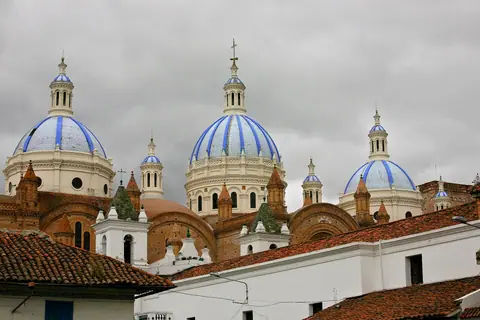
Founded as San Francisco de Quito on 6 December 1534 by Sebastian de Benalcazar atop an Inca settlement built over an earlier Quitu-Cara trading centre, Ecuador's capital sits at an official elevation of 2,850 metres (9,350 feet) in the Guayllabamba river basin just 25 kilometres south of the Equator. Inscribed in September 1978 among the very first UNESCO World Cultural Heritage Sites, Quito preserves 320 hectares of volcanic-stone convents, gilded Baroque churches, and cobbled plazas beneath the active stratovolcano of Pichincha.
Getting there
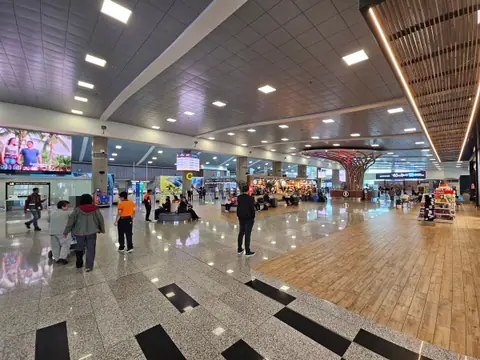
Mariscal Sucre International Airport (IATA: UIO) operates on the Tababela plain roughly 35 to 40 kilometres east of central Quito at 2,400 metres elevation, connected to the city by the Ruta Viva and Via Interoceanica highways. Inside the 50-kilometre urban valley, the 22-kilometre underground Quito Metro Line 1 links 15 stations between Quitumbe in the south and El Labrador in the north, complemented by the Trolebus and Ecovia BRT corridors.
Where to stay
Stay in the UNESCO Centro Historico around Plaza San Francisco and Plaza Grande for restored colonial courtyard mansions within steps of the major churches, in the 1917 Garden City neighbourhood of La Floresta for leafy streets and chef-driven dining, or around the 64-hectare Parque La Carolina and Inaquito for modern high-rise hotels with direct Metro access.
Things to do
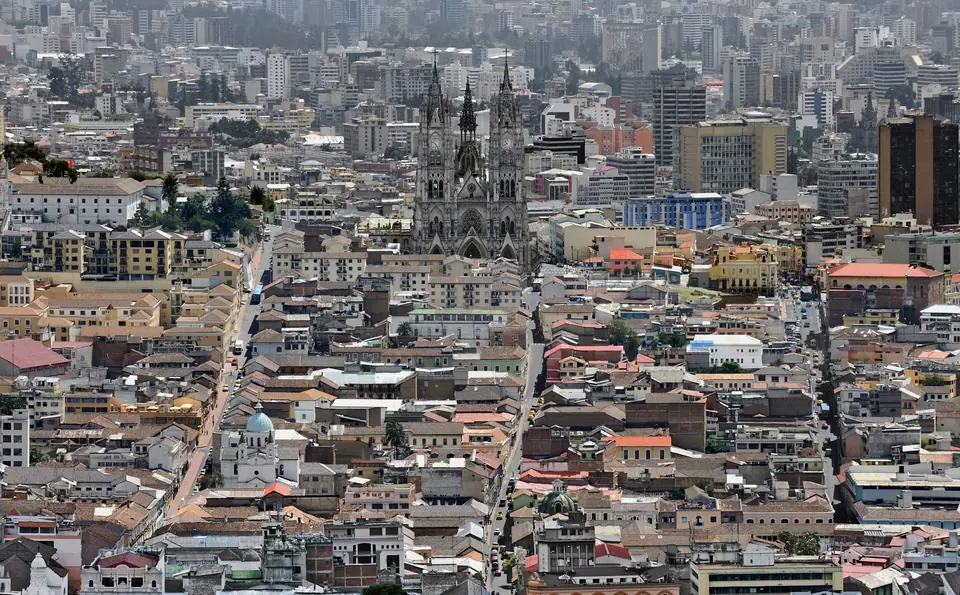
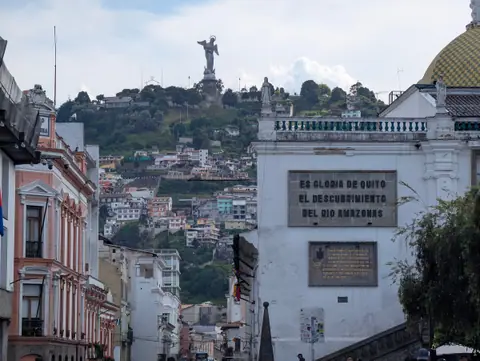
Explore the 23-karat gold-leaf interior of Iglesia de la Compania de Jesus, the 3.5-hectare Franciscan Convent on Plaza San Francisco, and the neo-Gothic spires of Basilica del Voto Nacional overlooking the 41-metre aluminium Virgin on El Panecillo. On clear mornings, ride the TeleferiQo gondola up Pichincha Volcano to Cruz Loma at 3,945 metres, visit Oswaldo Guayasamin's Capilla del Hombre in Bellavista, and take day trips to Ciudad Mitad del Mundo or Cotopaxi National Park.
Food and drink
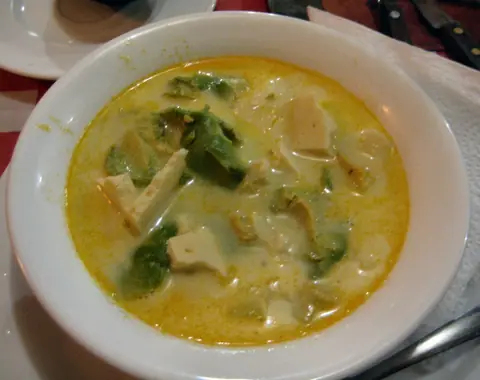
Highland Ecuadorian cooking in Quito centres on velvety locro de papa potato soup topped with avocado and queso fresco, whole slow-roasted pork hornado and fritada served with cheese-stuffed llapingacho potato patties and hominy mote, and evening servings of puffed empanadas de viento with hot spiced canelazo along Calle La Ronda, paired with single-origin Arriba Nacional dark chocolate.
Culture
Between the sixteenth and eighteenth centuries, indigenous Kichwa and mestizo masters such as Bernardo de Legarda and Manuel Chili (Caspicara) forged the Quito School of Art (Escuela Quitena), blending European Baroque forms with Andean motifs across thousands of polychrome wood sculptures and altarpieces. In the twentieth century, painter Oswaldo Guayasamin carried that monumental tradition forward at La Capilla del Hombre.
Weather by month
Quito is warmest in August, with average highs around 22°C, and coldest in August, when nights drop to about 8°C. April is the wettest month, with rain on about 20 days. For mild weather with fewer rainy days, aim for January, June, July, August, September and December.
| Month | Low | Range | High | Rain | Rainy days |
|---|---|---|---|---|---|
| Jan | 9°C | 20°C | 98 mm | 14 d | |
| Feb | 9°C | 20°C | 112 mm | 16 d | |
| Mar | 9°C | 20°C | 126 mm | 18 d | |
| Apr | 9°C | 20°C | 140 mm | 20 d | |
| May | 9°C | 21°C | 126 mm | 18 d | |
| Jun | 9°C | 21°C | 56 mm | 8 d | |
| Jul | 8°C | 21°C | 35 mm | 5 d | |
| Aug | 8°C | 22°C | 42 mm | 6 d | |
| Sep | 8°C | 21°C | 77 mm | 11 d | |
| Oct | 9°C | 21°C | 119 mm | 17 d | |
| Nov | 9°C | 20°C | 112 mm | 16 d | |
| Dec | 9°C | 20°C | 105 mm | 15 d |
Averages of daily values from 2015 to 2024. Rainy days are days with at least 1 mm of rain. Source: Open-Meteo · Compare destinations by month.
Quito on the map
Every place we cover in Quito. Tap a category or pin to explore.
In-depth Quito guides
Browse the guides grouped by topic: sights, neighbourhoods, food, transport, day trips and trip planning.
Sights, Landmarks & Parks
Key monuments, viewpoints, museums and nature trails.
- Things to Do in Quito: Baroque Gold Churches, Volcanoes and the EquatorFrom the 23-karat gold-leaf interior of La Compania de Jesus and the neo-Gothic spires of Basilica del Voto Nacional to the TeleferiQo ridge and Mitad del Mundo.
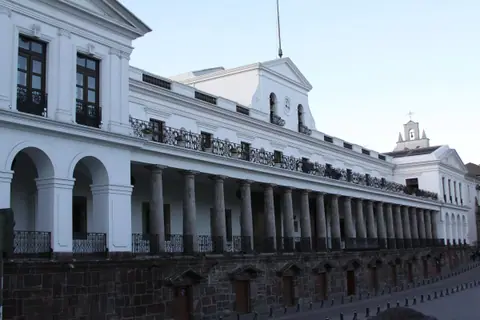
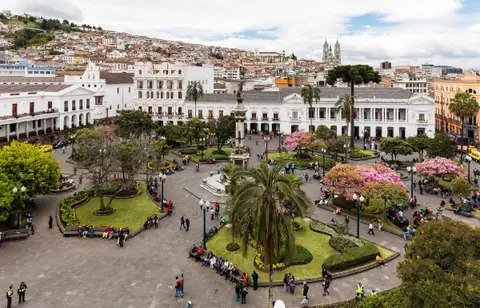
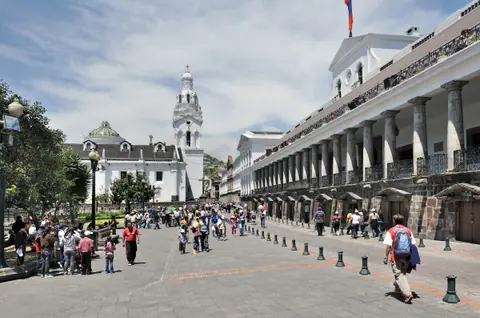
- Plaza Grande, Carondelet Palace and the Metropolitan Cathedral of QuitoWalk the civic and ecclesiastical heart of Quito at Plaza de la Independencia, flanked by Palacio de Carondelet, the 1562 Metropolitan Cathedral, and the Archbishop's Palace.
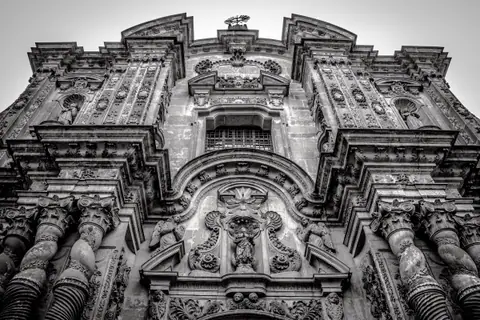
- La Compania de Jesus and Quito's Baroque Gold ChurchesStep inside the 23-karat gold-leaf interior of Iglesia de la Compania de Jesus (1605-1765), then explore Santo Domingo and Basilica de la Merced.
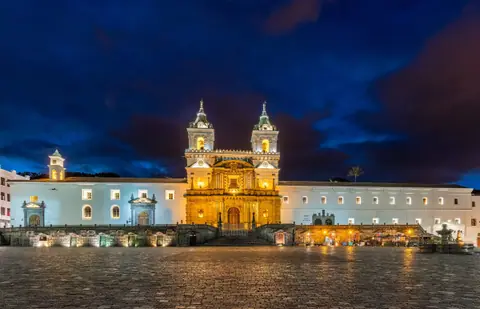
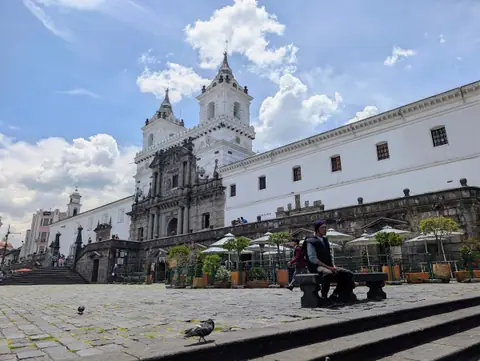
- Plaza San Francisco, the 1535 Franciscan Convent and Calle La RondaExplore Quito's oldest and largest monastic complex at Iglesia y Convento de San Francisco (begun 1535), then stroll down bohemian Calle La Ronda.
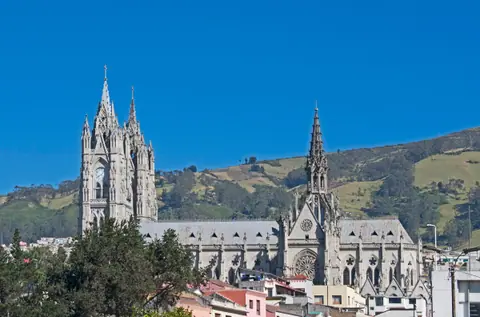
- Basilica del Voto Nacional and the Virgin of El PanecilloBookend the Historic Centre of Quito between its two monumental landmarks: the 115-metre neo-Gothic spires of Basilica del Voto Nacional in the north and the 41-metre winged Virgin on El Panecillo in the south.
- TeleferiQo, Cruz Loma (3,945 m) and Hiking Rucu PichinchaRide the TeleferiQo gondola from 3,117 m to Cruz Loma at 3,945 m on the flank of Pichincha Volcano for panoramas of the Avenue of the Volcanoes and the trail to Rucu Pichincha.
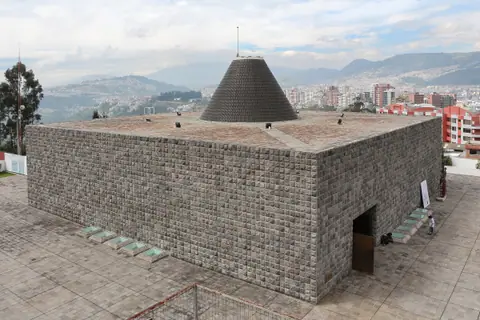
- Capilla del Hombre, Guayasamin Museum, MuNa and La FlorestaDiscover twentieth-century Ecuadorian art at Oswaldo Guayasamin's Capilla del Hombre in Bellavista, pre-Columbian treasures at Museo Nacional del Ecuador, and leafy La Floresta.
Neighbourhoods & Where to Stay
Districts, historic quarters and the best bases for your stay.
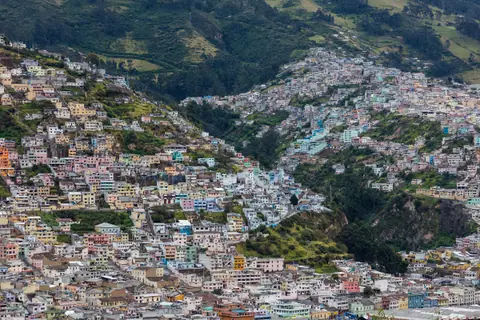
- Quito: Essential Planning for Ecuador's Andean CapitalEverything you need to plan a trip to Quito at 2,850 metres, from navigating the narrow 50-kilometre valley on the Quito Metro to acclimatising and using US dollars.
- Best Time to Visit Quito: Dry Verano, Equatorial Sunshine and Climate DataMonth-by-month weather breakdown for Quito using official 1991-2020 WMO climate normals, comparing the sunny June-September dry season with the greener wet months.
- Where to Stay in Quito: Centro Historico, La Floresta and Parque La CarolinaCompare Quito's best neighbourhoods for travellers, from courtyard mansion hotels in the UNESCO Old Town to leafy La Floresta and modern Parque La Carolina.
- 3-Day Quito Itinerary: Historic Centre, TeleferiQo, Equator and CotopaxiA well-paced 3-day Quito itinerary engineered for altitude acclimatisation, pairing the UNESCO Old Town on Day 1 with the TeleferiQo on Day 2 and the Equator or Cotopaxi on Day 3.
Food & Drink
Local dishes, markets, cafés and dining districts.
Getting Around & Arrival
Airport transfers, public transit, passes and driving rules.
Day Trips & Excursions
Easy half-day and full-day trips from the city.
- Ciudad Mitad del Mundo, the Equator and Pululahua Volcanic CraterStand on the Equator 26 km north of Quito at Ciudad Mitad del Mundo and the Intinan Museum, then peer into the inhabited volcanic caldera of Pululahua Geobotanical Reserve.
- Cotopaxi National Park and Otavalo Market Day Trips from QuitoCompare Quito's two classic highland day trips: hiking to 4,864 m on glacier-capped Cotopaxi Volcano in the south or visiting Kichwa weavers at Otavalo Market and Cuicocha Lake in the north.
Reviews
Log in to write a review.
No reviews yet.