Kaiserstrasse Guide
A residential street of cafés and restaurants for the evening after sightseeing ends.
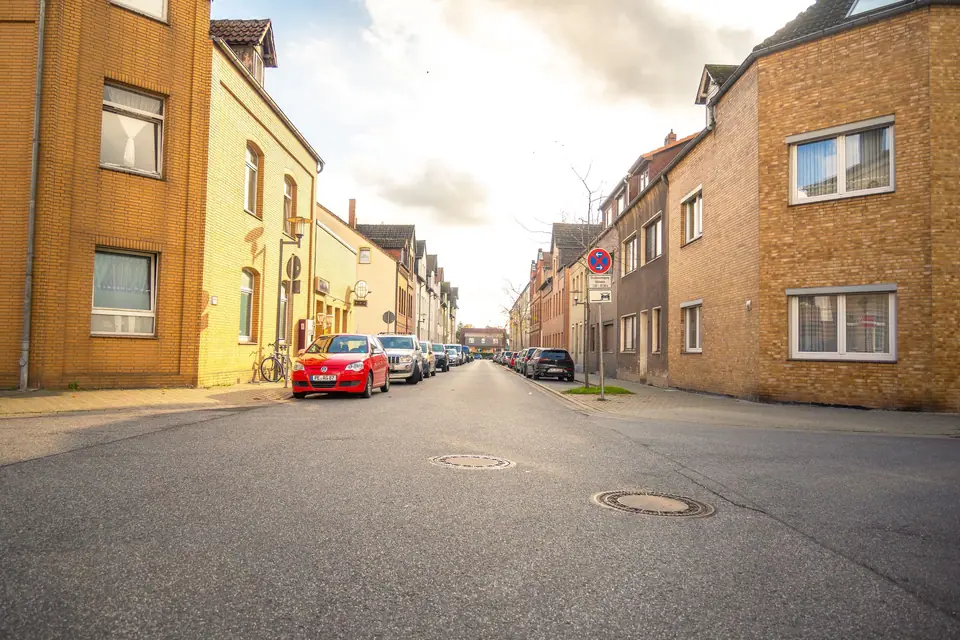
Kaiserstrasse is not a sight. It is a street, and the neighbourhood around it, where the evening begins once the museums have closed. The area lies east of the ring road that follows the line of the old city walls, a short walk from the Hellweg shopping streets, and shares its feel with the neighbouring Kreuzviertel: older apartment blocks, mature trees, ground-floor restaurants and the kind of cafés that fill up with locals rather than tour groups.
What the street is like
Expect a calm residential rhythm. Shopfronts are small, many of them owner-run: a bakery, a wine bar, a tapas place, a Turkish or Italian kitchen, a bar that fills at ten. There is no single building to photograph. The attraction is how an ordinary German inner-city quarter looks when it works, and it comes as a relief after a day among museums and shopping streets.
Architecture is mixed. Some blocks date from the late nineteenth century, others were rebuilt after the Second World War, when most of the inner city was destroyed. That patchwork is typical of the Ruhr, and it explains why the district feels lived in rather than preserved. Notice balconies, stairwell windows and the painted house numbers more than any grand facade.
A simple evening plan
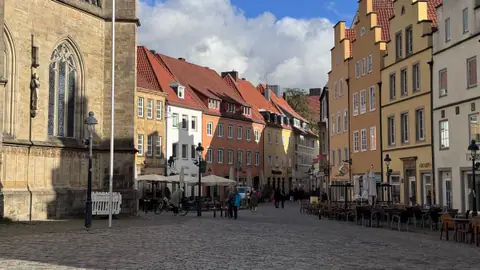
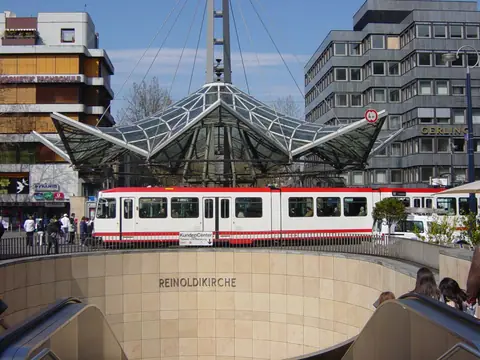
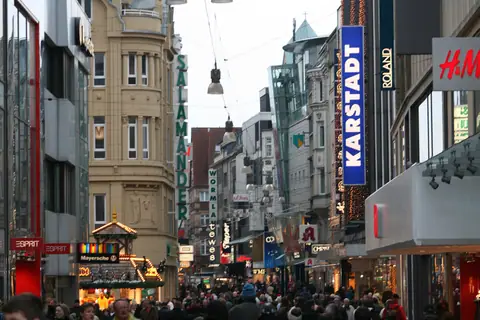
Start in the old centre. After the Reinoldikirche, cross the Alter Markt and walk east, past the end of the shopping zone and across the ring road. Allow a quarter of an hour on foot at an easy pace, or take the Stadtbahn for a stop or two if the weather is poor.
Once there, walk the whole street before choosing. Read menus, look through windows and see where tables are full by early evening. That is better than booking from a phone map in the hotel, and on most weekdays you can still find a table without a reservation. On Friday and Saturday evenings, book anything you particularly want, or arrive early.
A sensible order is a drink first at a café or bar, dinner second, and a final glass at a place with a counter and a short beer list. If you are interested in the local drinking tradition, our Dortmund beer guide suggests what to order, and the food guide helps decide what kind of kitchen suits you.
When it works, and when to skip it
Come after the working day, from late afternoon to the evening. Mornings are quiet, many places are shut, and there is nothing to do except admire the buildings, so we would not plan a daytime visit around it. Sunday evenings are also thinner than you might expect, because small restaurants often keep their own days off. Check the specific place you want rather than assuming a whole street will be open.
The area suits couples, small groups of friends, and anyone who prefers a restaurant meal in a residential setting to a table on a square. It also suits visitors who have a hotel in the centre and want one evening that feels a little more local without a long ride.
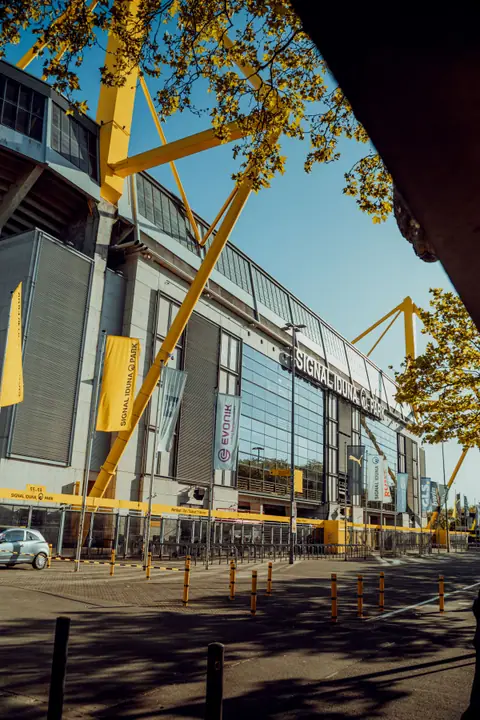
Skip it if you want live music, big venues or a loud night out. For that, the streets near the station are closer, and Brückstrasse is more direct. Skip it too if you want a single destination with a clear list of things to do, because the street rewards slow walking more than ticking boxes. On football weekends the neighbourhood can be busy with fans heading to or from the south, so allow extra time and expect full tables.
The Unionviertel, on the other side of the centre, gives a different option for the same kind of evening, with the Dortmunder U as its landmark. Kaiserstrasse is the calmer choice.
Traveller tips
Real advice from people who have been to Kaiserstrasse. Every tip is read by our team before it goes live.
No tips yet. Been here? Yours could be the first.
Thank you! Your tip will appear here after a quick review.
More in Dortmund
Continue exploring Dortmund with related neighbourhood, food, and planning guides