Dortmund
A Ruhr city of football, converted industry and parks, where blast furnaces, brewery towers and an artificial lake tell the story of change.
Quick decisions
How many days?
3 days: one central day, one football and industry day, one day in the green south and west. 4 or 5 days: add neighbourhood time or a Ruhr day trip. Our 3-day itinerary shows how to pace it.
Where should I stay?
Near the Hauptbahnhof: the easiest base for trains and the centre. Kreuzviertel and Unionviertel: cafés and evenings. Hörde: the lake and the industrial story. See where to stay in Dortmund.
Do I need a car?
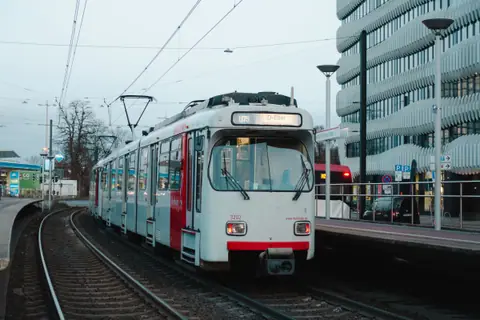
No. The centre is walkable and the Stadtbahn, regional trains and buses cover the rest. Our getting around guide explains how the network works.
Best for
Football: Signal Iduna Park and two museums. Industrial heritage: Zeche Zollern and PHOENIX West. Green space: Westfalenpark and Rombergpark. Beer and food: a brewing city with a lively migrant food scene.
Before you go
Check live pages: several museums are changing in 2026, including the MKK and the DASA's Hazardous Hall. Plan around match days: hotels fill and trains crowd. Read our matchday guide.
Spending less
The Dortmunder U is free to enter and the Hoesch Museum is free. Parks, the lake and the city centre cost nothing. See our budget guide for the full picture.
Continue your trip
Regional trains link Dortmund with Essen, Bochum, Düsseldorf and Cologne, so it works as a base for the wider Ruhr.
Overview
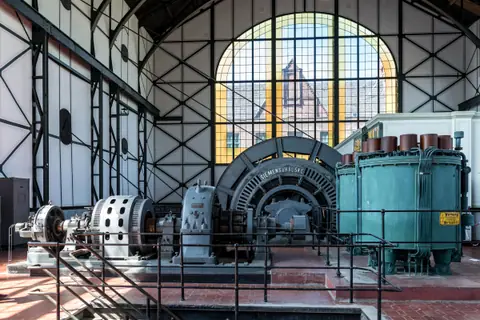
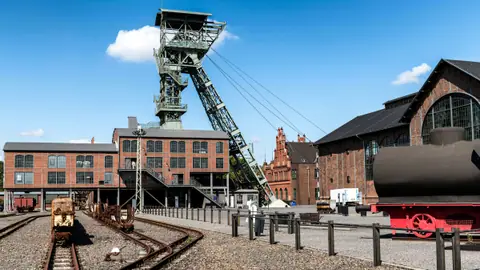
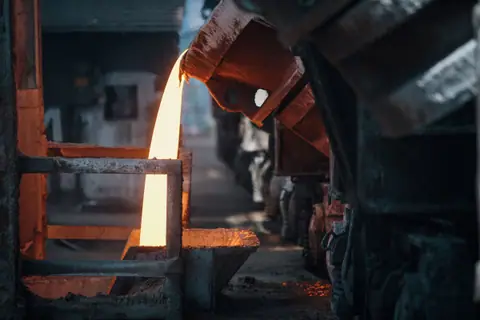
Dortmund makes most sense when you see what happened to its industrial landscape. Coal and steel once shaped its jobs, neighbourhoods and skyline, and the same ground now carries football, museums, parks and a lakeside district built where a steelworks stood. It is not a postcard city, and the interesting story is not only what survived but what Dortmund did with what was left. Start with our Dortmund travel guide.
The centre is compact around the Hauptbahnhof, with the German Football Museum, Westenhellweg, Reinoldikirche and Alter Markt. But the signature sights spread outward: the Dortmunder U west of the station, Signal Iduna Park in the south-west, Zeche Zollern on the western edge, and PHOENIX See in Hörde. Treat the centre as a starting point, not the whole trip.
Check live information before you fix your days. The MKK's permanent display is closed while the building is redeveloped, the DASA's Hazardous Hall is closed until further notice, and parts of PHOENIX West and the lake paths are under works. Plan around what is open on your dates.
Getting there
Dortmund's Hauptbahnhof is a hub for long-distance and regional trains across the Ruhr and beyond, and the city has its own airport as well. Our getting there guide compares the options, and the getting around guide covers the Stadtbahn and buses.
Where to stay
Stay near the Hauptbahnhof for trains and the centre, in the Kreuzviertel or Unionviertel for cafés and evenings, or in Hörde for the lake. Match days and trade fairs push prices and crowds up, so book early for those dates. We compare the areas in our where to stay guide.
Things to do
Our best things to do in Dortmund lists the main sights. For football, see Signal Iduna Park and the BORUSSEUM. For industry, try Zeche Zollern and PHOENIX West. For green space, Westfalenpark and Rombergpark are the best choices.
Food and drink
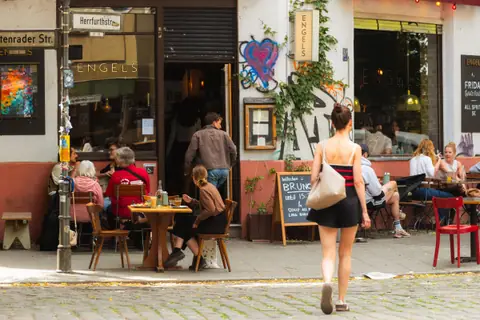
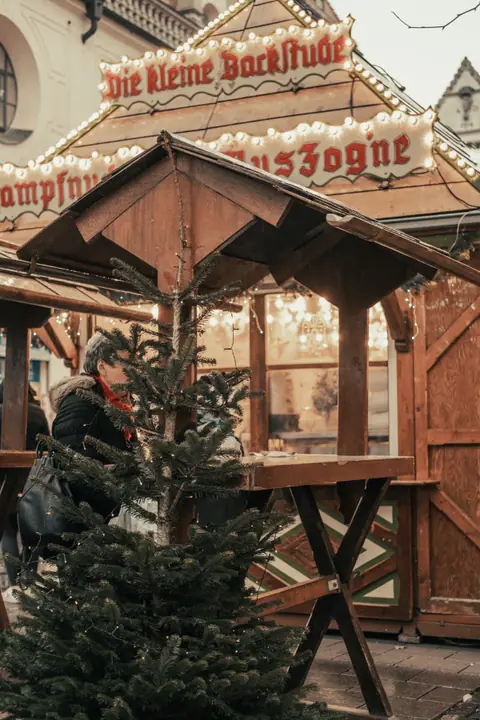
Dortmund eats and drinks like a Ruhr city: hearty local dishes, a long brewing tradition and a lively scene shaped by migrant communities, especially in the Nordstadt. Our food guide and beer guide show where to start, and the Christmas market guide covers the winter season.
Culture
Dortmund's culture is shaped by work: mines, steelworks, breweries and the football club born in a working-class district. Industrial sites such as the Hoesch Museum and the DASA tell that story, while the Museum Ostwall and Phoenix des Lumières show how the city now uses its old buildings for art.
Weather by month
Dortmund is warmest in August, with average highs around 24°C, and coldest in January, when nights drop to about 1°C. January is the wettest month, with rain on about 18 days. For mild weather with fewer rainy days, aim for May, June, July and September.
| Month | Low | Range | High | Rain | Rainy days |
|---|---|---|---|---|---|
| Jan | 1°C | 5°C | 94 mm | 18 d | |
| Feb | 2°C | 8°C | 85 mm | 13 d | |
| Mar | 3°C | 10°C | 73 mm | 14 d | |
| Apr | 5°C | 14°C | 60 mm | 12 d | |
| May | 9°C | 18°C | 66 mm | 13 d | |
| Jun | 13°C | 23°C | 77 mm | 12 d | |
| Jul | 15°C | 23°C | 80 mm | 13 d | |
| Aug | 15°C | 24°C | 86 mm | 14 d | |
| Sep | 12°C | 20°C | 71 mm | 12 d | |
| Oct | 9°C | 15°C | 71 mm | 13 d | |
| Nov | 5°C | 10°C | 77 mm | 14 d | |
| Dec | 3°C | 7°C | 89 mm | 16 d |
Averages of daily values from 2015 to 2024. Rainy days are days with at least 1 mm of rain. Source: Open-Meteo · Compare destinations by month.
Dortmund on the map
Every place we cover in Dortmund. Tap a category or pin to explore.
In-depth Dortmund guides
Browse the guides grouped by topic: sights, neighbourhoods, food, transport, day trips and trip planning.
Sights, Landmarks & Parks
Key monuments, viewpoints, museums and nature trails.
- Best Things to Do in DortmundThirteen things to do in Dortmund, what to skip and how to group them by district.
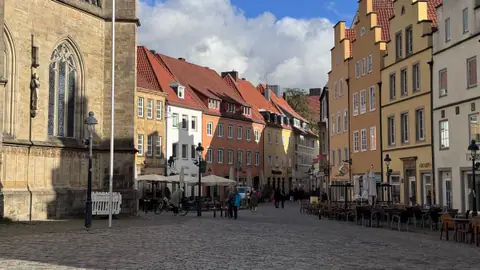
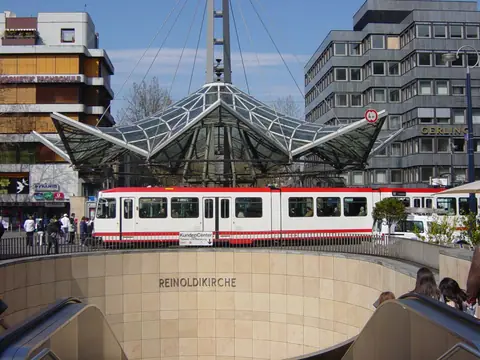
- Reinoldikirche GuideThe city's main medieval church is a short stop between Westenhellweg and Alter Markt.
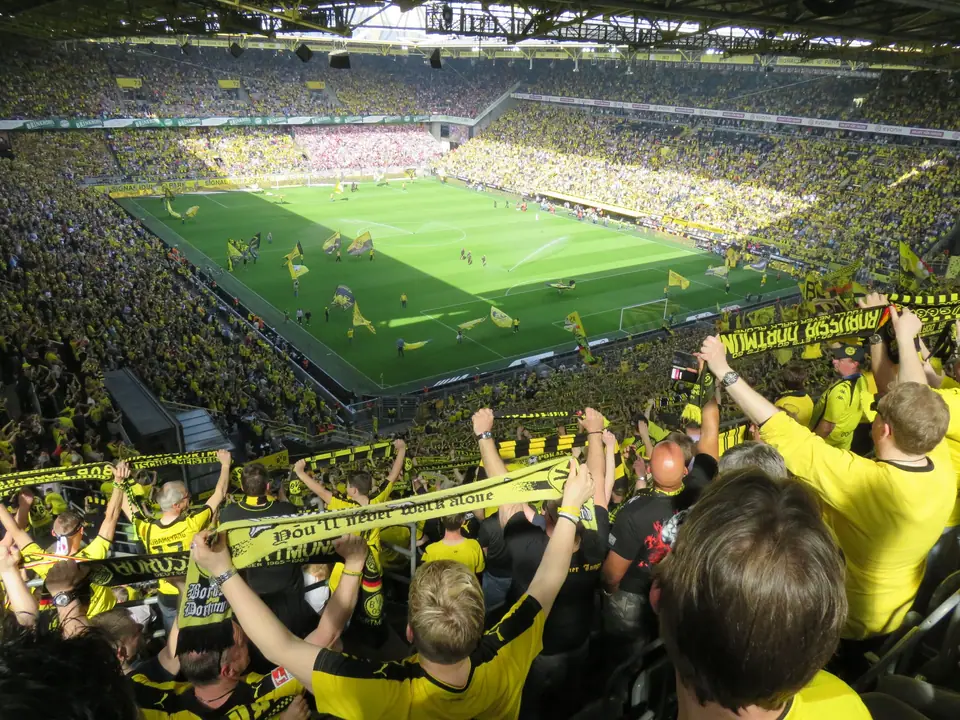
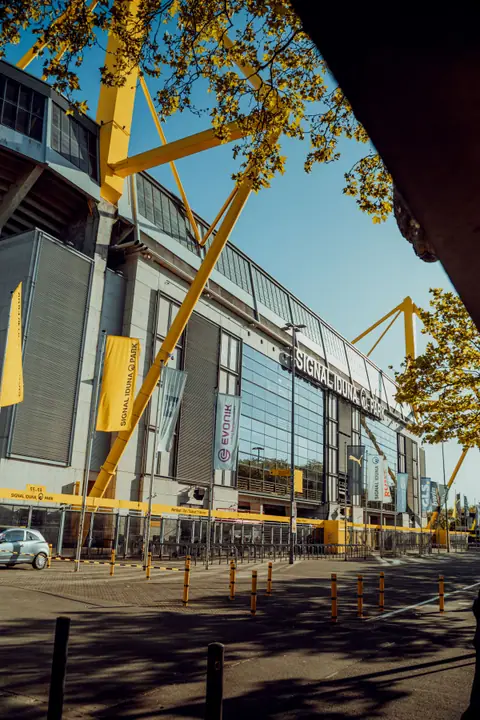
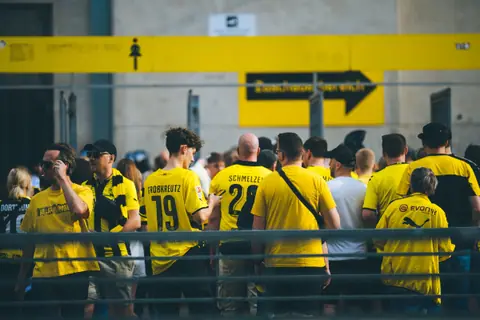
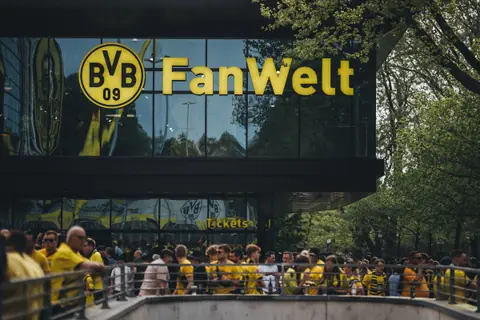
- Signal Iduna Park GuideBVB's stadium in the south-west of the city, with the Yellow Wall and a football district around it.
- German Football Museum GuideThe national football museum opposite the main station, a strong first or last stop.
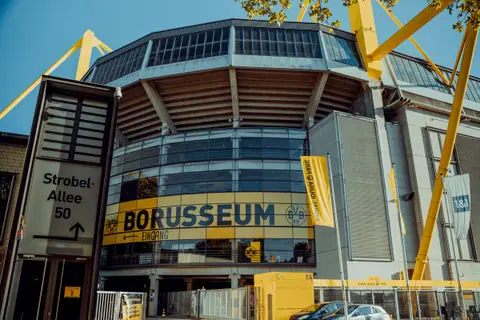
- BORUSSEUM GuideThe Borussia Dortmund club museum at the stadium, short, focused and fan-friendly.
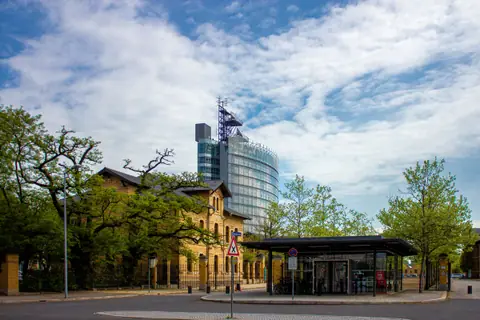
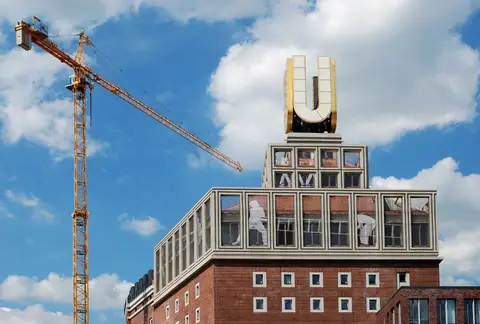
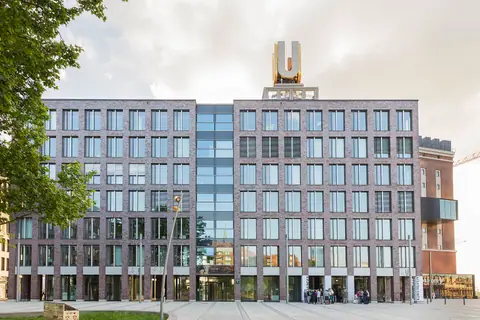
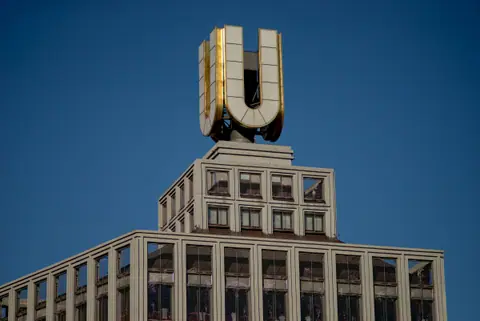
- Dortmunder U GuideA former brewery tower near the station, now a free-to-enter centre for art and culture.
- Museum Ostwall GuideDortmund's modern art museum sits in the upper floors of the former Union brewery tower.
- MKK Guide: Dortmund's Art and Cultural History MuseumThe city's art and cultural history museum is mid-redevelopment, so plan around its special programme.
- Hoesch Museum GuideA free museum that tells Dortmund's steel history through one company and the people who worked there.
- DASA Working World Exhibition GuideA large, hands-on exhibition about how people work, and how machines and workplaces shape them.
- Zeche Zollern GuideA coal mine built like a palace, with an Art Nouveau machine hall that is the star of the site.
- Phoenix des Lumières GuideDigital art projected across the walls and floor of a vast former industrial hall at PHOENIX West.
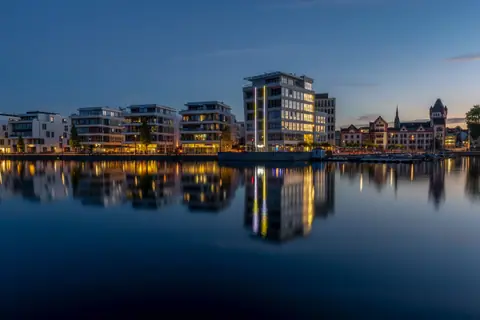
- PHOENIX See GuideAn artificial lake in Hörde built on a former steelworks, with a walking and cycling circuit around it.
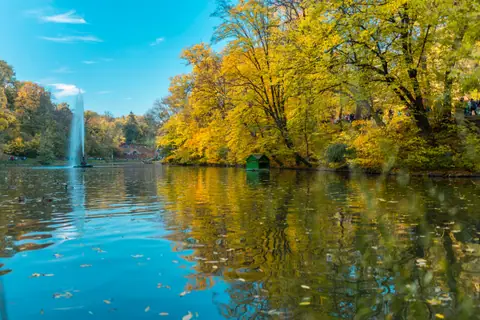
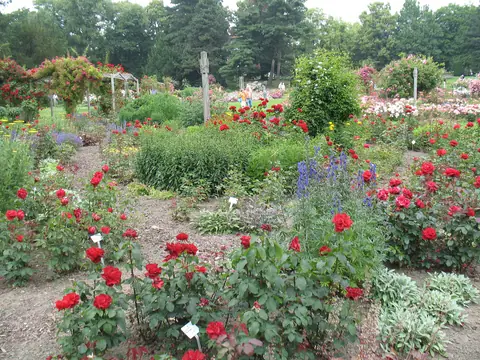
- Westfalenpark GuideDortmund's main city park, built for a garden show and still the place locals go.
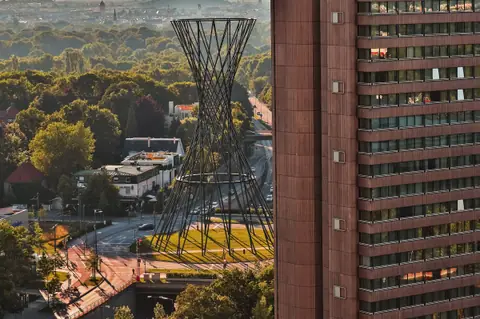
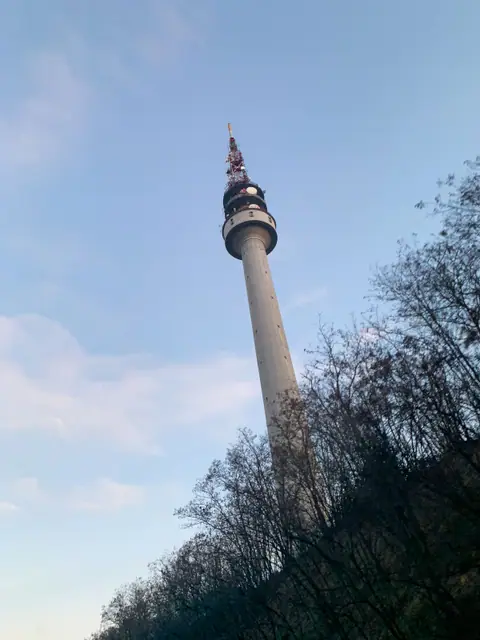
- Florianturm GuideA 1950s concrete tower that shows how the city fits together.
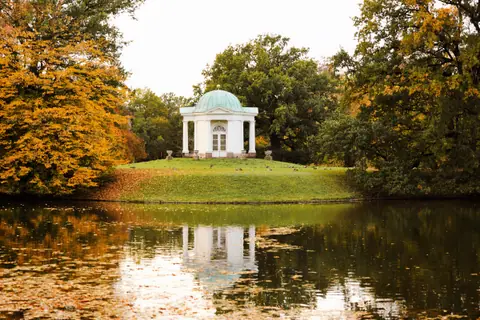
- Rombergpark GuideA botanical garden and landscape park on the southern edge of the city.
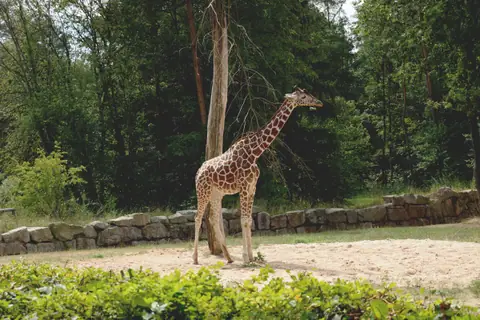
- Zoo Dortmund GuideA large outdoor family attraction in the south of the city, next to Rombergpark.
Neighbourhoods & Where to Stay
Districts, historic quarters and the best bases for your stay.
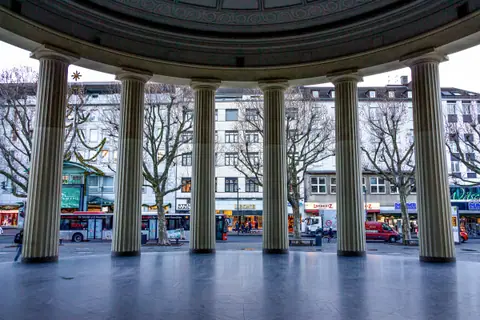
- Alter Markt GuideThe old market square at the centre of Dortmund, best used as a hub for a walk.
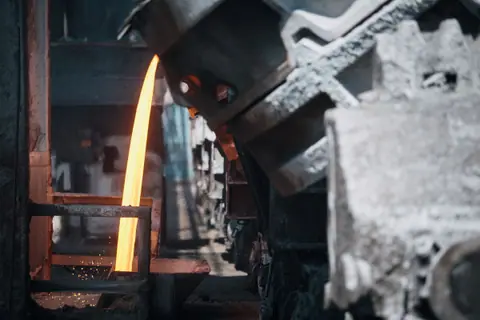
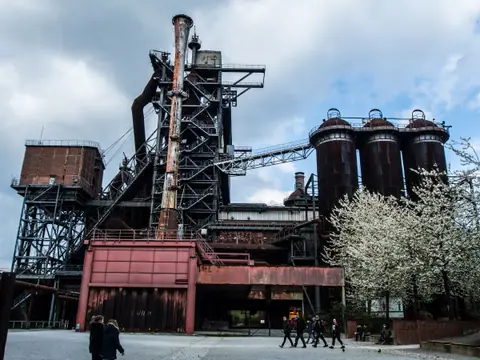
- PHOENIX West GuideA former blast-furnace site where the giant steel structures stand in the open and one furnace can be climbed.
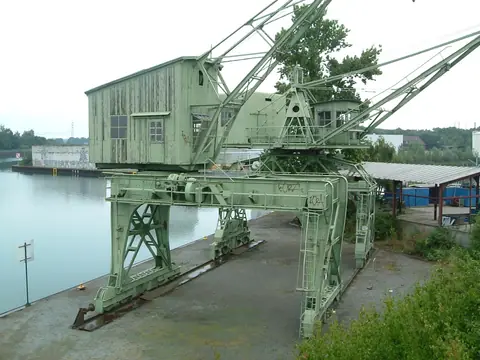
- Dortmund Harbour GuideThe working canal port that explains how Dortmund got its coal and steel moving.
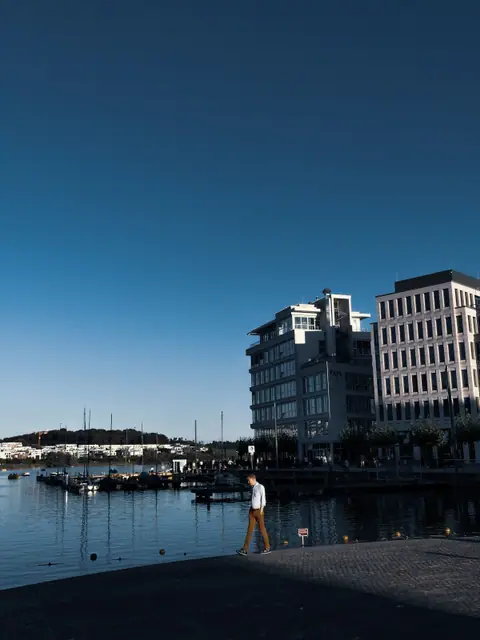
- Hörde GuideThe southern district where old steelworks became a lake and a new waterfront.
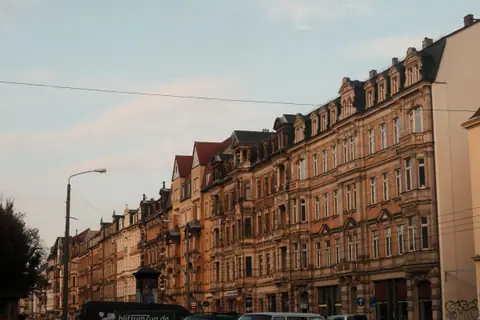
- Kreuzviertel GuideA residential district of cafés, bars and old apartment houses south of the centre.
- Unionviertel GuideThe creative district around the old Union brewery, west of the station.
- Nordstadt GuideA walking route through Dortmund's densest, most mixed and least polished inner district.
- Kaiserstrasse GuideA residential street of cafés and restaurants for the evening after sightseeing ends.
- Brückstrasse GuideA short central street for after-dark food and drinks, a few minutes from the station.
- Where to Stay in DortmundWhich district to base yourself in, depending on football, museums, evenings or budget.
Food & Drink
Local dishes, markets, cafés and dining districts.

Getting Around & Arrival
Airport transfers, public transit, passes and driving rules.
Trip Planning & Itineraries
When to visit, what to pack and day-by-day routes.
- Dortmund: What to Know Before You GoHow Dortmund is laid out, how long to stay and what to plan before you arrive.
- Best Time to Visit DortmundLate spring and early autumn suit most visitors; match days and Christmas can override that.
- What to Wear in DortmundLayers, a waterproof jacket and sturdy shoes cover almost every day in Dortmund.
- Dortmund on a BudgetWhich Dortmund sights are free, where to spend and how to plan cheaply.
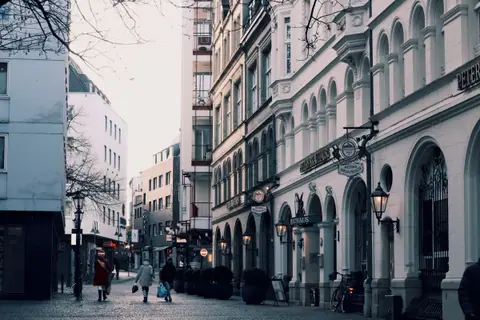
- Dortmund City Centre GuideA walking loop through central Dortmund, from the Hauptbahnhof to Alter Markt.
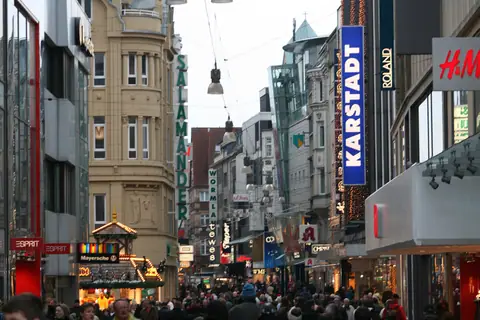
- Shopping in DortmundWestenhellweg, the shopping centres, BVB shops and what to bring home.
- Dortmund Football Matchday GuideHow to plan a Dortmund home match day around the fixture, not around sightseeing.
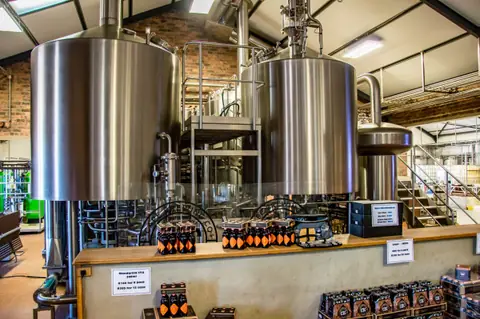
- Dortmund Beer GuideDortmund's brewing past, the golden Export lager and where to drink it now.
- Dortmund 3-Day ItineraryThree days grouped by district: centre, industrial west and south, lake and Hörde.
Need your embassy or consulate in Germany? See embassies and consulates in Germany.
Reviews
Log in to write a review.
No reviews yet.