Rombergpark Guide
A botanical garden and landscape park on the southern edge of the city.
Rombergpark is the quiet reply to anyone who thinks Dortmund means steel and football and nothing else. It covers more than 68 hectares in the south-west of the city, on the grounds of a former noble estate, and works at once as a landscape park and a botanical garden. Specialist plant collections, old trees, ponds and greenhouse houses sit within one connected area, and the park keeps its outdoor grounds open around the clock.
What kind of visit is it?
This is a walk, not an attraction with a checklist. Paths wander between planted zones and woodland, and the main ponds give the park its focal points. The botanical side shows in the labelled collections and in the greenhouse houses, which are open at weekends and on public holidays, so decide early whether you want to see them and plan the day around that rather than turning up on a weekday and finding them closed.
Compared with Westfalenpark, Rombergpark is calmer, more scientific and less programmed. Westfalenpark has events, a tower and play areas; Rombergpark has shade, specimen trees and long stretches where you meet few other people. If you want a day of activities with children, choose Westfalenpark. If you want a slow, reflective afternoon, choose this one.
Which season is best?
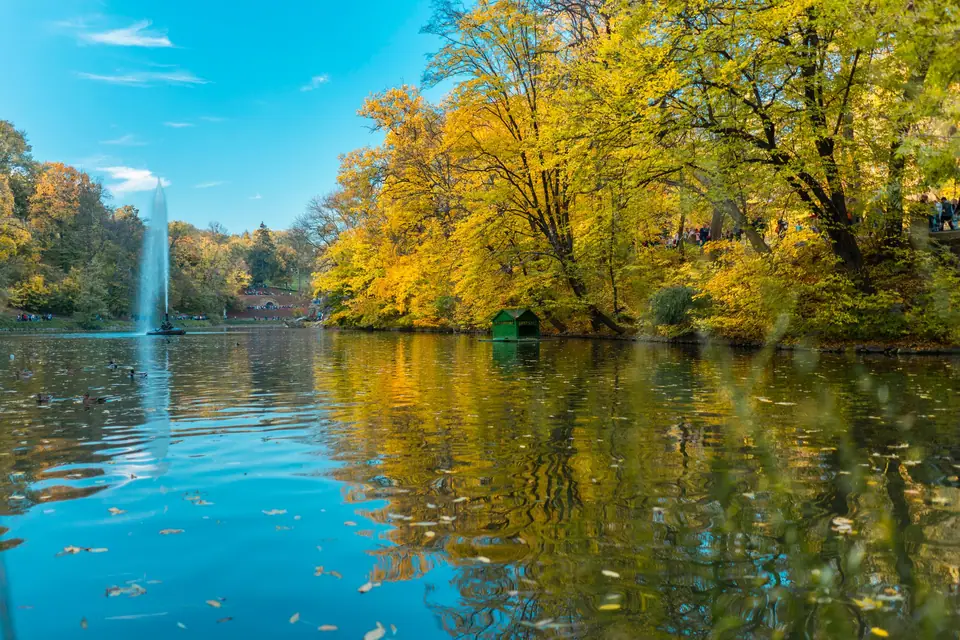
Spring brings flowering shrubs and fresh growth, summer gives deep shade, and autumn is our favourite time, when the old trees colour and the ponds reflect them. The city runs seasonal events here, including botanical tours, historical walks and an autumn chestnut festival, so look at the official programme before you go. Winter is bare but peaceful, and the greenhouses become more attractive when it is cold outside.
Weather decides more here than at a museum. Paths can be wet and muddy after rain, so wear shoes that cope with that. Dry days after a few clear nights often bring the best light and the fewest people.
How do I combine it with other things?
The natural pair is Zoo Dortmund, which lies in the same broad green zone, so a family can split a day between the two. Adults without children can use the park as the calm half of a southern day and finish with dinner in Hörde, which is a short journey away and has a very different, redeveloped character.
We would not try to add a city-centre museum afterwards. The park is better when you are not watching the clock, and the journey from the centre is long enough that a second fixed appointment becomes stressful. Our getting around guide explains how the Stadtbahn and buses reach the south-western districts.
How long do I need?
Two hours is enough for a loose loop, and three allows the greenhouses and a slower pace. Leave extra time if you join one of the guided tours, which suit anyone who wants names for what they are looking at. Dry paths in October show the old trees at their best. Do not try to see every planting area. Choose one collection, circle the main pond, add the greenhouses, and stop there. Bring water, and check the official site for tour dates and greenhouse access on the day you go.
Who should skip it?
Visitors with only a day or two in the city should put it behind the centre, the stadium and an industrial site. It is also a poor choice in persistent rain, and anyone who wants something that feels like a headline sight will find it too gentle. For everyone else, it is one of the most pleasant places to spend an unhurried afternoon, and it shows a side of Dortmund the industrial sites do not.
Traveller tips
Real advice from people who have been to Rombergpark. Every tip is read by our team before it goes live.
No tips yet. Been here? Yours could be the first.
Thank you! Your tip will appear here after a quick review.
More in Dortmund
Continue exploring Dortmund with related neighbourhood, food, and planning guides