Unionviertel Guide
The creative district around the old Union brewery, west of the station.
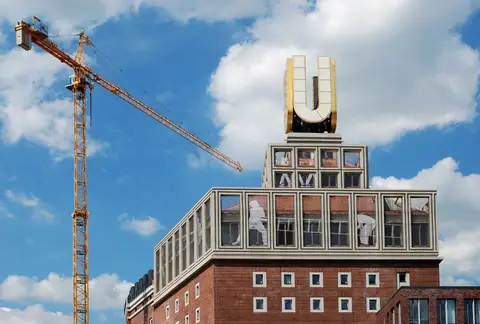
The Unionviertel takes its name from the Union brewery, whose old fermentation and storage tower is now the Dortmunder U. The district lies just west of the Hauptbahnhof and the centre, and it shows how a former brewing and industrial neighbourhood has turned into one with cafés, small studios and cultural businesses. It is less polished than the Kreuzviertel and more mixed, which is part of its appeal. The Dortmunder U is the landmark. The streets around it are the context.
- Start at the Hauptbahnhof. Walk west along the main road away from the pedestrian centre, with the tower in view.
- The Dortmunder U. Look at the building from outside first. Its brick bulk and the lit U on top are best appreciated before you go in.
- Inside the U. General access is free, though special exhibitions may be ticketed. The Museum Ostwall occupies part of the building, and the upper floors give a view over the district.
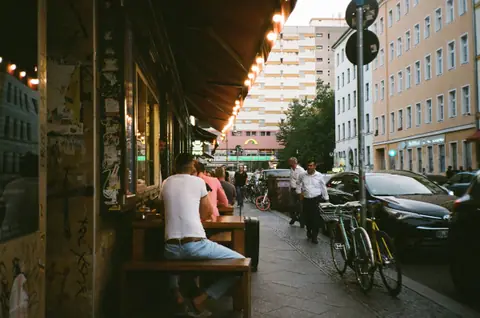
- Walk west along Rheinische Strasse. Shops, bakeries and small restaurants line the street, with a mix of residents and students.
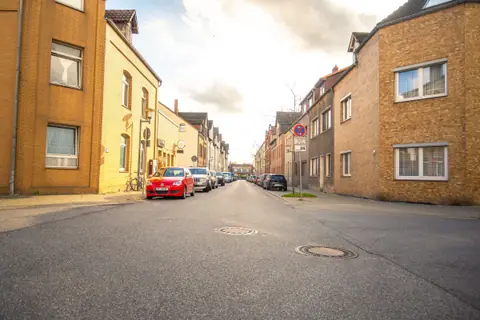
- Side streets. Turn into the quieter roads and look at the older housing and former industrial buildings that survive between newer blocks.
- Creative yards. Several old commercial courtyards, among them the Union Gewerbehof, now house studios, offices and small cultural uses. Walk in only where the gate is open, and keep your voice down around working studios, since these are workplaces first.
- A café stop. The district has plenty of casual places, which suits an afternoon pause better than a long meal.
- Return or continue. Walk back to the station, or head for the city centre and its restaurants.
When to come
Come in the late afternoon. The museums are closing, the cafés pick up, and the neighbourhood begins to work as an evening destination. Combined with the U and the Ostwall, it makes one of the most coherent contemporary-culture afternoons in the city. A morning visit is also fine if the weather is bad and you plan to spend most of it inside the U. Weekends are livelier, though some small businesses keep shorter days, so do not rely on a specific shop being open. The route is flat and easy on foot, but the pavements are uneven in places and traffic on the main roads is heavy, so cross where the signals are. Wear shoes you can walk in for two hours, and bring a rain jacket, because the stretches between the U and the cafés have little shelter.
Allow two to three hours for a first visit. On a return trip, give the district a slow half day with a long coffee stop and no plan at all. Pair it with the Hoesch Museum or Zeche Zollern on another day if you want more industrial history, since the Unionviertel itself is not a museum district.
Who it suits, and what to skip
This is a good fit for visitors who would rather eat at a neighbourhood table than on an attraction terrace, for people interested in how old industry is reused, and for travellers staying a few nights who want somewhere to eat that feels lived in. Its character is informal and slightly rough at the edges. Do not expect the tree-lined elegance of the Kreuzviertel, and do not expect a compact grid, because the streets are more scattered.
Skip it if you only have a short window and want classic sights, or if you want a nightlife strip. For that, Kaiserstrasse and the Kreuzviertel are better. For the beer connection, the district makes more sense after you have read our beer guide, which explains why a brewery tower is this city's emblem.
Traveller tips
Real advice from people who have been to Unionviertel. Every tip is read by our team before it goes live.
No tips yet. Been here? Yours could be the first.
Thank you! Your tip will appear here after a quick review.
More in Dortmund
Continue exploring Dortmund with related neighbourhood, food, and planning guides