Photo: Kora27 · CC BY-SA 4.0
Eierschecke, Sauerbraten and Stollen in Dresden
Dresden cooking pairs sweet-tart royal traditions, from three-layer Eierschecke and butter-sealed Stollen to spiced Sauerbraten, pan-fried Quarkkäulchen, and steep Elbe terrace wines.
Saxon kitchens reward eaters who trade generic German beer-hall staples for royal pastry ovens and steep river vineyards. Local coffeehouse habits sit closer to Vienna or Prague than northern ports. Vaulted timber dining rooms below reconstructed Altstadt squares serve heartier winter roasts, while Neustadt tables spotlight seasonal cooking, sourdough bread, and house-roasted beans. Tall cream cakes anchor afternoon tables long before dark gravy plates arrive after dusk. Five regional dishes map the city cleanly from Neustadt bakeries to sandstone cellars. Carry euro notes and coins with bank cards, because family bakeries and small Konditoreien often decline card terminals.
Dresdner Eierschecke: Three Layers Over Afternoon Coffee
Start any Dresden afternoon beside a glowing pastry counter. Point straight toward a tall golden square of Dresdner Eierschecke (pronounced roughly EYE-er-shek-eh). Its name comes from a belted 14th-century men's tunic called a Schecke, echoed cleanly in three distinct layers. Below sits a soft yeast dough or crisp shortcrust base supporting clean fork cuts. Across the middle spreads smooth sweetened quark brightened gently with lemon peel or plump raisins. Crowning each sheet rises a baked egg-yolk glaze whipped from butter, vanilla custard, and airy beaten whites. Order full sheet squares served chilled on plain porcelain plates without heavy buttercream frosting. Altmarkt coffee salons pair slices with filtered pot coffee, whereas Neustadt corner roasters pour flat whites beside lighter sponge versions. Ask for an outer edge piece if you enjoy crisp caramelised baking crust framing smooth vanilla custard. Crisp browned edges offset cool airy egg glaze nicely beside quiet arched window tables.
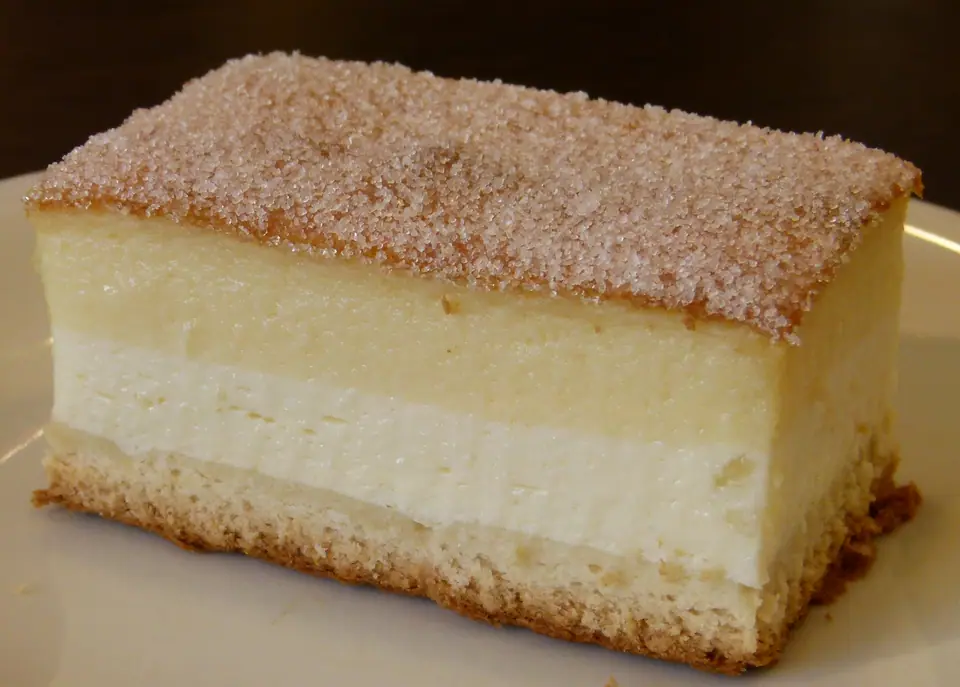
Dresden-born author Erich Kästner praised Eierschecke in print as an extraordinary cake sadly overlooked outside Saxony. Watch out for regional competition south-west in Freiberg, where bakers drop the middle quark band entirely in favour of rich egg-and-milk topping.
Butter Letters and Guild Seals on Dresdner Christstollen
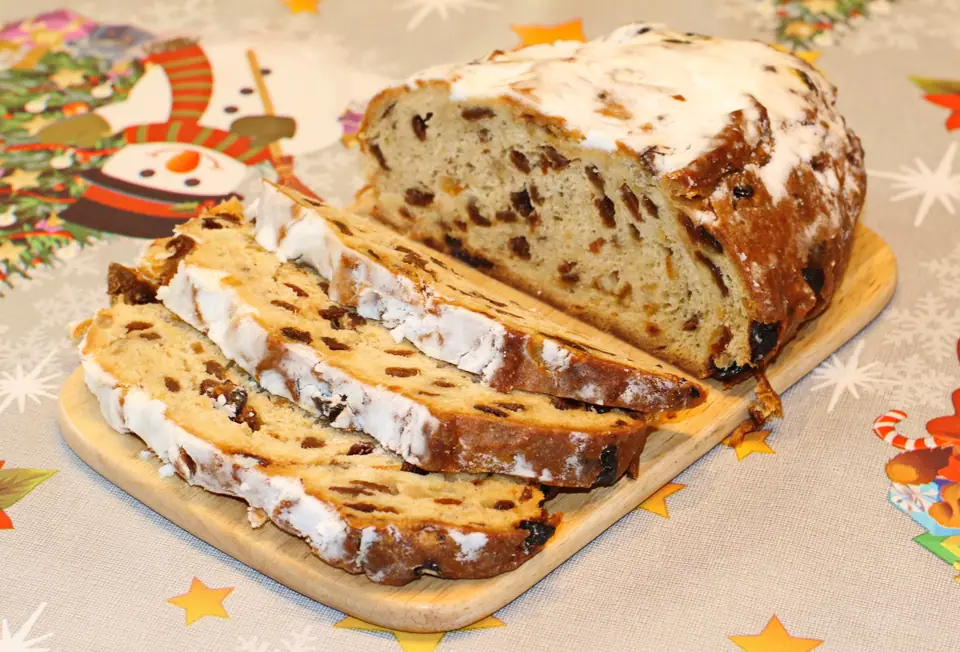
Few European loaves carry medieval church diplomacy inside every slice. Recorded as festive Striezel bread in 1474, the rich Christmas loaf gave Altmarkt's Striezelmarkt its name back in 1434. Strict Advent fasting laws banned butter and milk across medieval Saxony. Early bakers therefore kneaded dense dough purely with flour, yeast, water, and pungent turnip oil. Rome refused an initial 1450 petition, yet Pope Innocent VIII granted the 1491 Butterbrief (Butter Letter). That papal decree allowed butter inside Advent baking in exchange for annual dues funding Freiberg Minster.
Protected since 2010 as an EU Protected Geographical Indication (PGI) under the Schutzverband Dresdner Stollen, authentic loaves follow strict rules. Roughly 100 to 110 certified bakeries inside Dresden and a tight local zone hold rights to bake and seal them. Guild standards forbid margarine, synthetic flavourings, and chemical preservatives. Bakers soak raisins and citrus peel in rum before brushing warm loaves thickly with melted butter and white icing sugar. Matured loaves keep beautifully wrapped in foil for winter mornings, sliced thinly beside dark roast coffee or Assam tea. Every genuine two-kilogram loaf carries Augustus II the Strong's golden seal. At his 1730 Zeithain pageant, Augustus ordered roughly 100 bakers to build a 1.8-tonne giant stollen for around 24,000 guests, still celebrated annually during December's Stollenfest with a 1.60-metre, twelve-kilogram carving knife.
Sächsischer Sauerbraten With Potato Dumplings and Raisin Gravy
Evening appetites turn naturally toward cool brick vaults and historic inns. Sächsischer Sauerbraten captures eastern Germany's distinctive sweet-sour balance better than any main plate. Rhineland kitchens thicken gravy with spiced gingerbread biscuits. By contrast, Saxon cooks marinate beef shoulders for days inside red wine, vinegar, juniper berries, cloves, root vegetables, and bay leaves. Slow braising yields tender dark beef swimming in strained glossy sauce sweetened gently with plump raisins. Soft boiled potato dumplings (Klöße) soak up every drop beside apple-braised red cabbage (Rotkohl) and foaming mugs of local black lager. Small brick cellars also serve wild mushroom stews and savoury bread dumplings for diners skipping red meat.
Warm Quarkkäulchen From Pan to Cinnamon Sugar
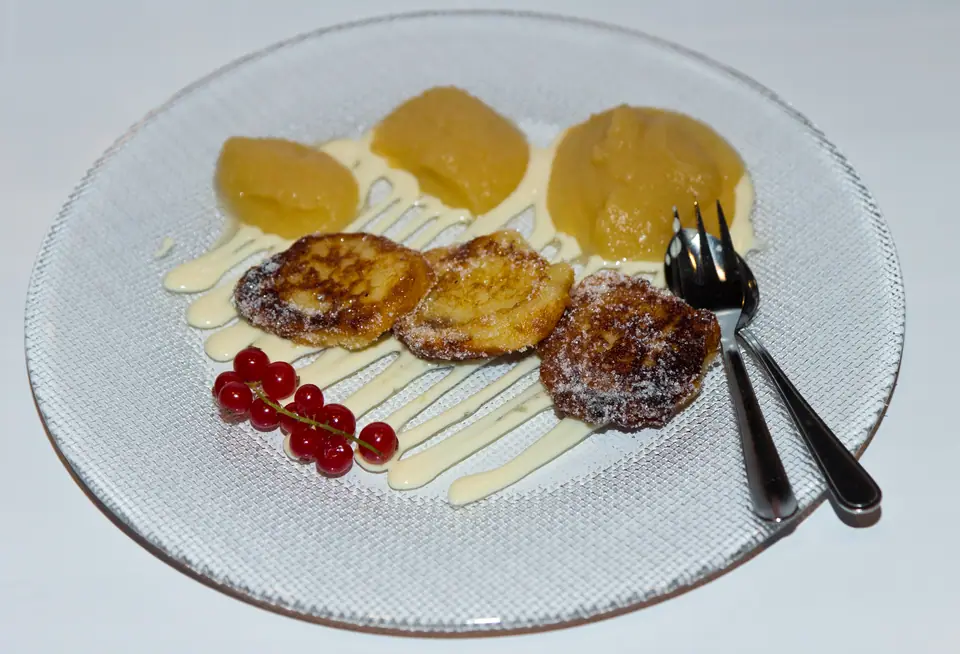
Simple Saxon farm cellars shaped Dresden's liveliest warm comfort dish. Quarkkäulchen (KVARK-koyl-khen) blur weekday lunch and late dessert effortlessly. Cooks press cold mashed potatoes together with drained quark curd, mixing in flour, egg, sugar, grated lemon peel, cinnamon, and sweet raisins until fragrant. Thick floured patties brown slowly inside foaming butter so crisp golden crusts protect steaming fluffy centres. Cafés near Kreuzkirche and Altmarkt stack two or three hot rounds beneath cinnamon sugar and cool tart apple compote. Order morning plates before long gallery walks or share warm afternoon rounds after river cruises.
Goldriesling and Sparkling Cellars Along the Saxon Wine Route
Steep mineral river terraces make Saxony Germany's northern wine frontier. Slopes running north-west from Pirna past Pillnitz through Radebeul to Meissen form Anbaugebiet Sachsen, one of the smallest, northernmost areas among Germany's thirteen wine regions. Sun-warmed granite and gneiss walls capture reflected Elbe light, ripening fragrant Müller-Thurgau, dry Riesling, Weissburgunder, and floral Traminer vines. Look closely on wine menus for crisp Goldriesling, an Alsace crossing surviving largely along these steep Saxon terraces.
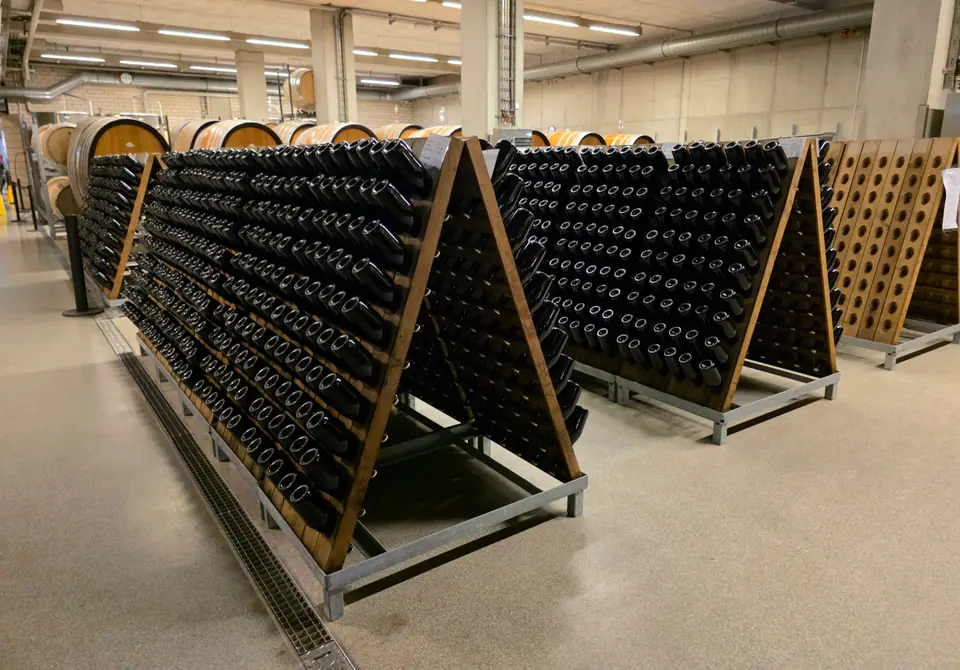
Ride S-Bahn S1 roughly twenty minutes downriver to tour Schloss Wackerbarth in Radebeul. Saxony's historic State Winery pairs terraced stone walls below its hilltop Belvedere pavilion with bottle-fermented Sekt cellars and shaded garden pergolas looking toward Elbe river barges. Ask cellar staff for dry crisp estate tasting pours beside sunlit garden terraces to match local bottles with river views. Pairing afternoon cake stops beside Altmarkt with chilled bottles on sunny vineyard slopes turns daily meals into a rich tour of Saxon craft.
Where it is
- 1Dresden
- Dresden Airport (DRS) · about 10 km from Dresden in a straight line
- Berlin Brandenburg Airport (BER) · about 147 km from Dresden in a straight line
- Directions in Google Maps
Stations and taxi ranks: OpenStreetMap. Airports: OurAirports. Distances are in a straight line.
Traveller tips
Real advice from people who have been to Dresden. Every tip is read by our team before it goes live.
No tips yet. Been here? Yours could be the first.
Thank you! Your tip will appear here after a quick review.
More in Dresden
Continue exploring Dresden with related neighbourhood, food, and planning guides