


























Gaziantep Castle, the Hamam Museum and the Underground Kasteller Water System
Around the Citadel: Gaziantep Castle, the 1577 Bath Culture Museum and the city's unique underground Kasteller.
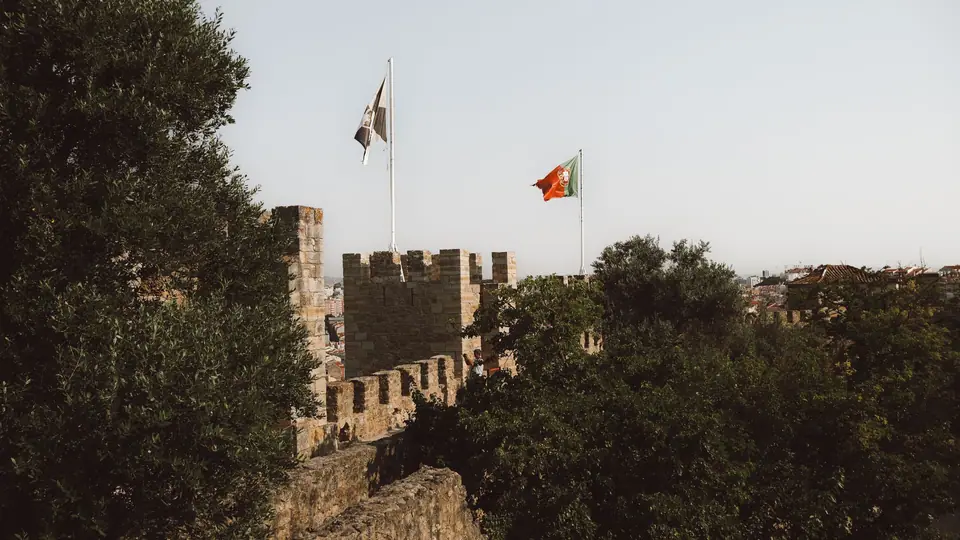
Rising on a circular limestone mound 30 metres above the northern edge of the historic bazaars, Gaziantep Castle (Gaziantep Kalesi) has guarded the crossing between Syria and Anatolia since Hittite watchtowers first stood on the hill. Expanded into a 1,200-metre circumference fortress with 12 watchtowers under the Roman Empire and rebuilt in its current form by Byzantine Emperor Justinian I in the 6th century AD (with later Seljuk, Mamluk and 1557 Ottoman restorations under Suleiman the Magnificent), the castle is surrounded by a deep dry moat spanned by an iron-and-stone drawbridge. (Practical note: following damage to sections of the upper bastion walls during the February 2023 earthquakes, the castle ramparts have been undergoing careful archaeological restoration by the Ministry of Culture; even when interior galleries are paused for stone conservation, the surrounding moat walk, the Hamam Museum and the historic inns at its base are fully open).
1. The Gaziantep Hamam Museum (1577 Paşa Hamamı, Right Below the Castle)
At the northern foot of the castle mound stands the domed 16th-century bathhouse of the Lala Mustafa Pasha Complex, converted in 2015 into the Gaziantep Hamam Museum. Because Ottoman bathhouses were the social salons of the city, where brides were chosen, birth celebrations (lohusa hamamı) were held, and merchants relaxed, this museum brings the entire 500-year ritual to life across the original cold room (soğukluk), warm room (ılıklık) and domed steam chamber (sıcaklık). Inspect collections of mother-of-pearl-inlaid high wooden bath clogs (nalın), engraved copper bathing bowls (hamam tası), Aleppo olive-oil and laurel soaps, and raw-silk bath wraps.
2. Gaziantep's Unique Underground Water World: Livas and Kasteller
Beneath the streets of old Gaziantep lies a medieval water-engineering marvel found nowhere else in Anatolia: the Livas and Kasteller system (on the UNESCO World Heritage Tentative List). Because the historic city had no large surface river and summers were scorching, 13th- to 16th-century Mamluk and Ottoman engineers carved kilometres of subterranean rock-cut aqueduct tunnels (livas) to channel cold spring water under the houses. To access the water without letting it evaporate in the sun, they excavated monumental underground stepped stone chambers called kasteller, complete with underground prayer platforms (mescit), laundry basins, bathing cubicles and latrines carved 10 metres down into the cool limestone bedrock. Step down the stone stairs inside the courtyard of the Pişirici Mescidi and Kasteli (1282, near the Copper Bazaar) or the Şeyh Fethullah Mosque Kasteli to stand inside these cool, echoing subterranean water halls.
Traveller tips
Real advice from people who have been to Gaziantep Castle, the Hamam Museum and the Underground Kasteller Water System. Every tip is read by our team before it goes live.
No tips yet. Been here? Yours could be the first.
Thank you! Your tip will appear here after a quick review.
More in Gaziantep
Continue exploring Gaziantep with related neighbourhood, food, and planning guides
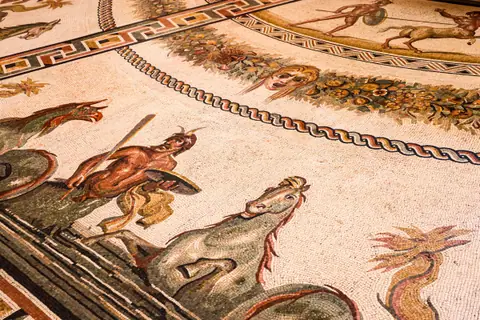
The Zeugma Mosaic Museum: The Gypsy Girl, Roman Villas and Mars
Gaziantep, Turkey
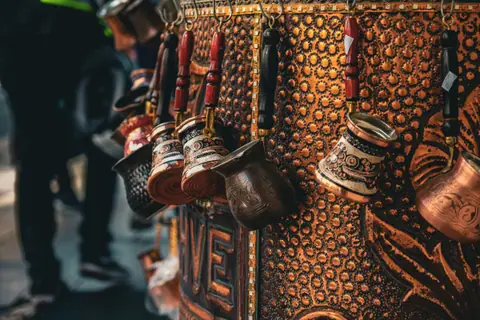
Bakırcılar Çarşısı (Copper Bazaar), Yemeniciler Arastası and Almacı Pazarı
Gaziantep, Turkey
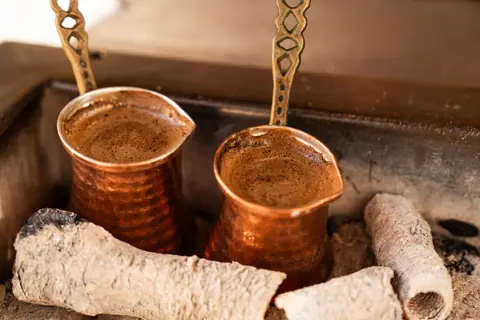
Tahmis Kahvesi (1639) and the Historic Caravanserais (Hanlar) of Gaziantep
Gaziantep, Turkey
Bey Mahallesi, Stone Courtyard Houses (Konaklar) and the Toy Museum
Gaziantep, Turkey
