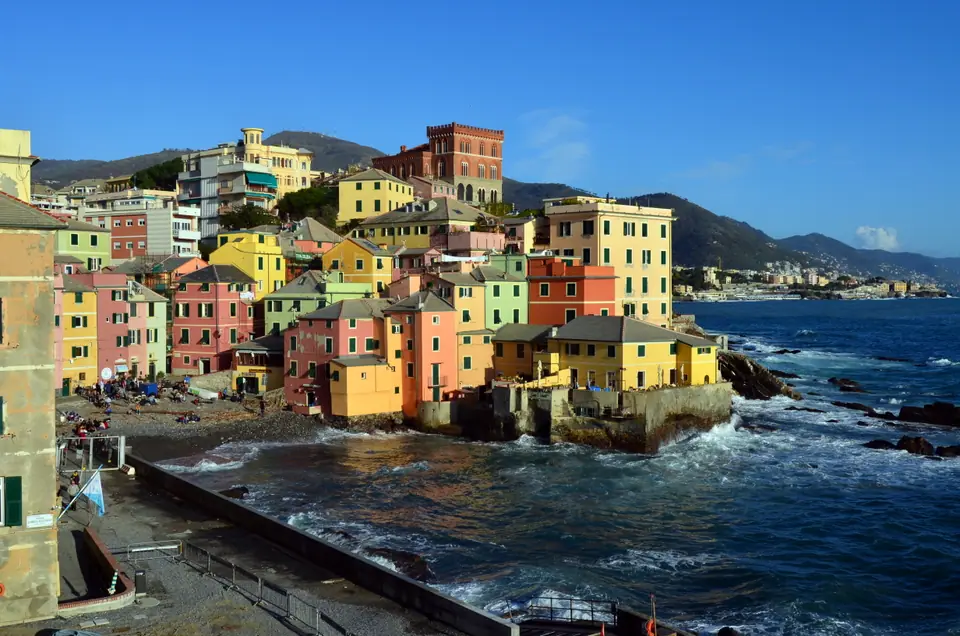
Photo: Dapa19 · CC BY-SA 4.0
Alleyways, Belvederes and Maritime Genoa
Stitch Genoa together in two acts: one uphill loop through medieval caruggi and belvederes, plus seaside walks eastwards to Boccadasse and Nervi.
Treating Genoa like an indoor gallery checklist drains energy swiftly and hides the city's sharpest pleasure. Steep medieval alleys drop sharply towards working piers and pebble coves. The natural rhythm pairs shaded stone quarters in the morning with open sea horizons by afternoon. Two or three days covers one vertical central loop plus two sunny coastal promenades without feeling rushed.
Before tying walking shoes, apply the elevation logic explained in our Genoa urban guide. Ride AMT hillside lifts and funiculars uphill, then let gravity guide your steps back down towards harbour Metro gates. Carry drinking water and grippy footwear, since dark volcanic flagstones polish slick under sea spray or morning rain. Early starts reward walkers with tranquil courtyards before delivery vans clear central alleys. Mixing one uphill loop with flat coastal strolls preserves fresh legs across uneven flagstones.
A single-day vertical loop through central Genoa
This six-stop circuit moves across Genoa's historic monuments from waterfront piers to upper lookouts without uphill repetition.
- Sottoripa and Palazzo San Giorgio: Begin under the twelfth-century Sottoripa vaults facing Porto Antico. Pause before the frescoed facade of 1260 Palazzo San Giorgio, then turn inland up Via San Luca.
- Piazza San Matteo and San Lorenzo: Slip east into Piazza San Matteo, a tight twelfth-century Doria clan square framed in black-and-white Ligurian marble. Walk briefly south to inspect the striped facade of San Lorenzo Cathedral, consecrated in 1118.
- Piazza De Ferrari and Palazzo Ducale: Cross into Genoa's open civic hub around the tiered bronze fountain. Step inside the free public courtyards of Palazzo Ducale, begun in 1284 and rebuilt after a 1777 fire, then pass Teatro Carlo Felice.
- Porta Soprana and Columbus quarter: Walk five minutes up Via Dante to the twin towers of Porta Soprana. Built around 1155 along Genoa's medieval wall circuit, the gate stands beside the reconstructed childhood home of Christopher Columbus.
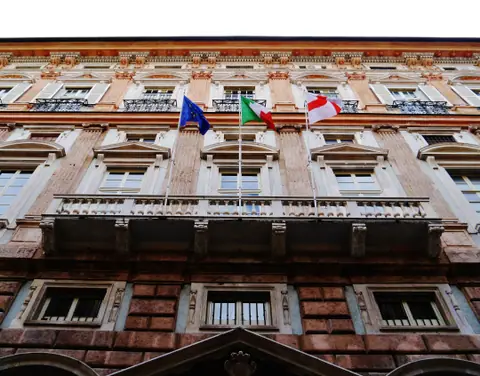
- Via Garibaldi and Palazzo Rosso: Follow Via XXV Aprile to Piazza Fontane Marose and stroll Via Garibaldi. Step quietly inside aristocratic palace courtyards and climb to Palazzo Rosso's roof terrace for open street perspective.
- Castelletto lift or Righi ridge: End the climb on the 1909 Art Nouveau Ascensore Castelletto Levante from Piazza Portello, rising fifty-seven metres to Spianata Castelletto for dusk light. Alternatively, board Funicolare Zecca-Righi at Largo della Zecca towards seventeenth-century hill forts.
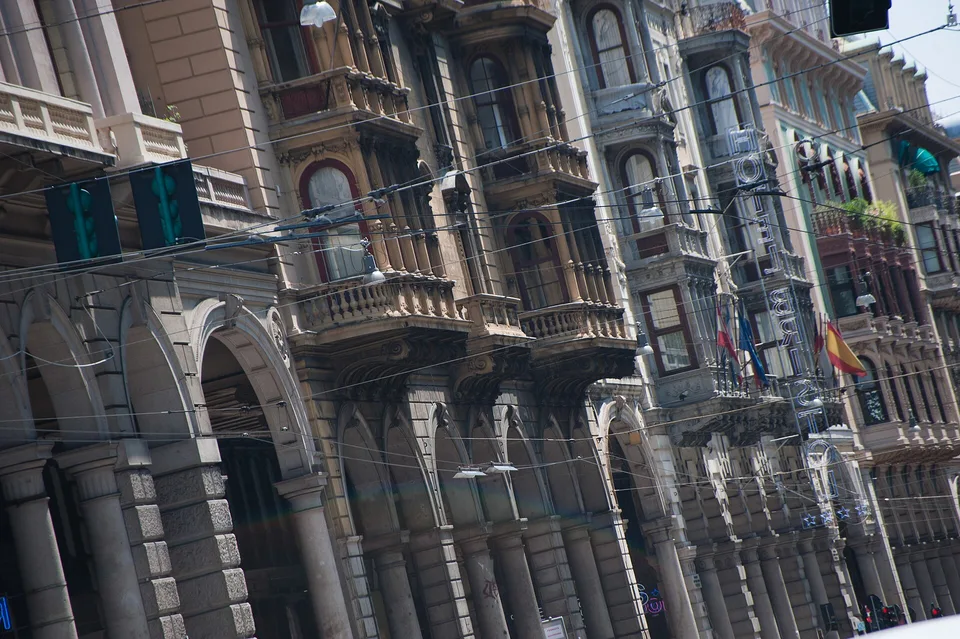
Four districts that define Genoa outside the museums
Centro Storico and the caruggi
Genoa preserves one of Europe's largest medieval urban cores. Historically divided into tight administrative wards called sestieri, the quarter stays remarkably lively with daily neighbourhood trade. Wandering Via del Campo, Via San Luca, Vico degli Indoratori and Piazza delle Erbe replaces formal audio guides with street life. Carved slate portals and tiny Baroque wall shrines overlook historic artisan shopfronts, wood-fired rosemary bakeries, old ironmongers, spice merchants and heritage stationers.
Alleys twist sharply between tall medieval tower houses, yet natural harbour gradient provides an infallible compass. Pick any narrow stone lane sloping downhill whenever disoriented, and you soon emerge beside Sottoripa porticos or a central Metro gate. Morning shopkeepers sweeping slate doorsteps show working port continuity far clearer than plaques or ticket counters. Afternoon sunlight drops quickly below steep tiled roofs, keeping warm summer pavements comfortably cool for slow strolling.
Spianata Castelletto and Righi ridge
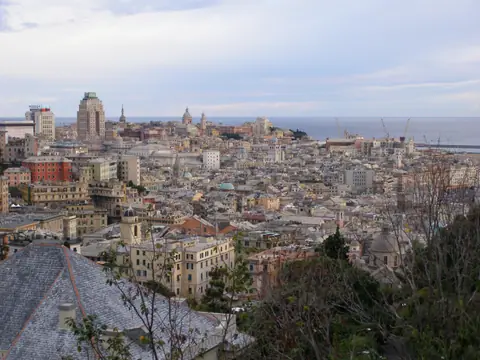
Hovering fifty-seven metres above Piazza Portello, Belvedere Luigi Montaldo on Spianata Castelletto forms Genoa's signature open balcony. Its 360-degree stone parapet aligns the cathedral bell tower, Via Garibaldi slate roofs, busy port cranes and La Lanterna lighthouse against open sea. Shaded maritime pines draw residents eating morning brioche or lemon and coffee granita on stone benches while coastal ferries trace breakwaters below.
Walkers wanting wide hilltop exercise board Funicolare Zecca-Righi up roughly 278 metres from Largo della Zecca. From open Righi lawns, signed ridgeline paths trace the seventeenth-century Mura Nuove defensive fortifications from Forte Sperone out towards Forte Diamante overlooking sweeping coastal ridges and valley pastures.
Corso Italia and Boccadasse
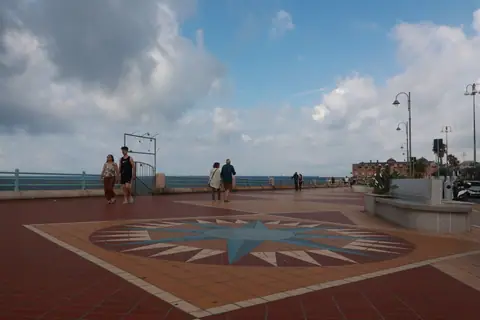
East of central docks, Corso Italia opens a bright 2.5 km waterfront promenade linking Foce with Sturla above coastal rock reefs and lido terraces. Late afternoons gather runners, cyclists and local families strolling beside brisk Ligurian surf without climbing one step. Warm stone parapets provide open sea benches even through bright winter afternoons.
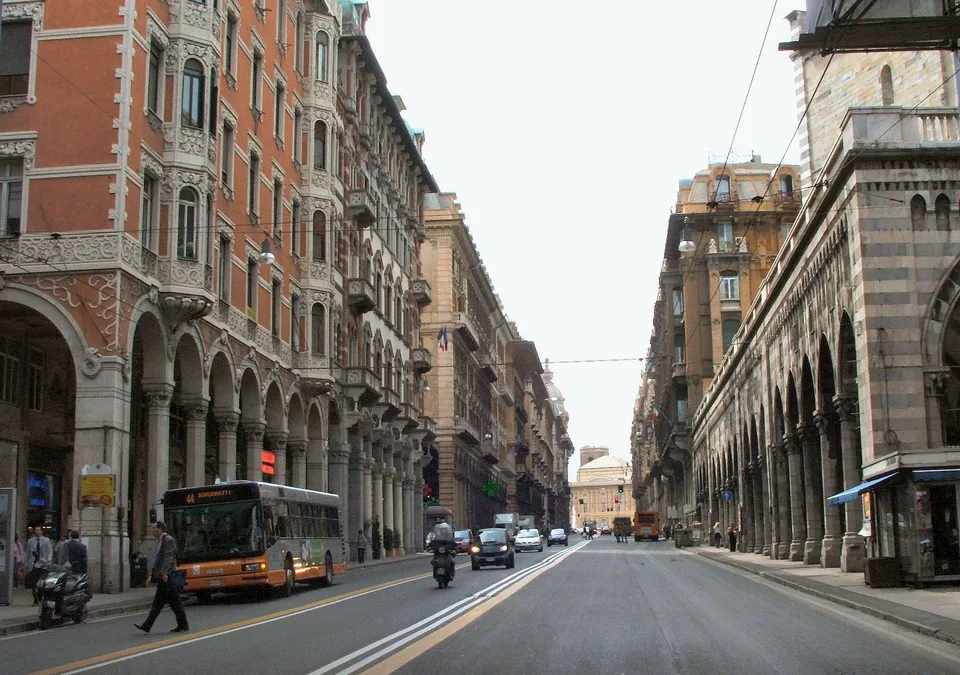
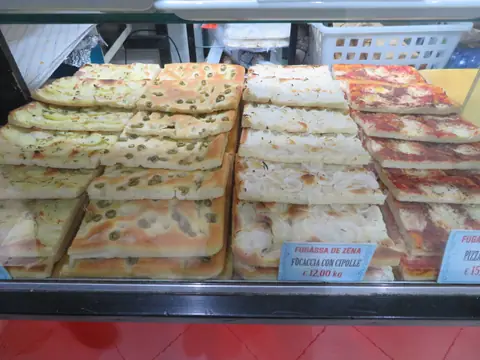
Tucked behind a gentle bend at the eastern end of Corso Italia sits Boccadasse, a tight pebble cove framed by stacked ochre and rose cottages. Painted wooden skiffs haul up narrow slipways beneath gelaterias, dark green shutters and neighbourhood focaccerie tucked inside vaulted ground rooms. Sitting along warm pebble ramps with iced lemon gelato rounds out coastal walks smoothly before climbing the stepped stone creuza behind the cliff church towards Capo Santa Chiara.
Nervi and Passeggiata Anita Garibaldi
Further east along the Trenitalia suburban rail corridor via a short regional hop from Genova Brignole lies Genova Nervi. Leaving freight piers behind, Nervi trades working shipping for leafy seaside villas and ragged dark volcanic rock ledges. Directly under the coastal railway embankment, red-tiled Passeggiata Anita Garibaldi winds nearly two kilometres along cut cliff ledges from Porticciolo di Nervi to Capolungo.
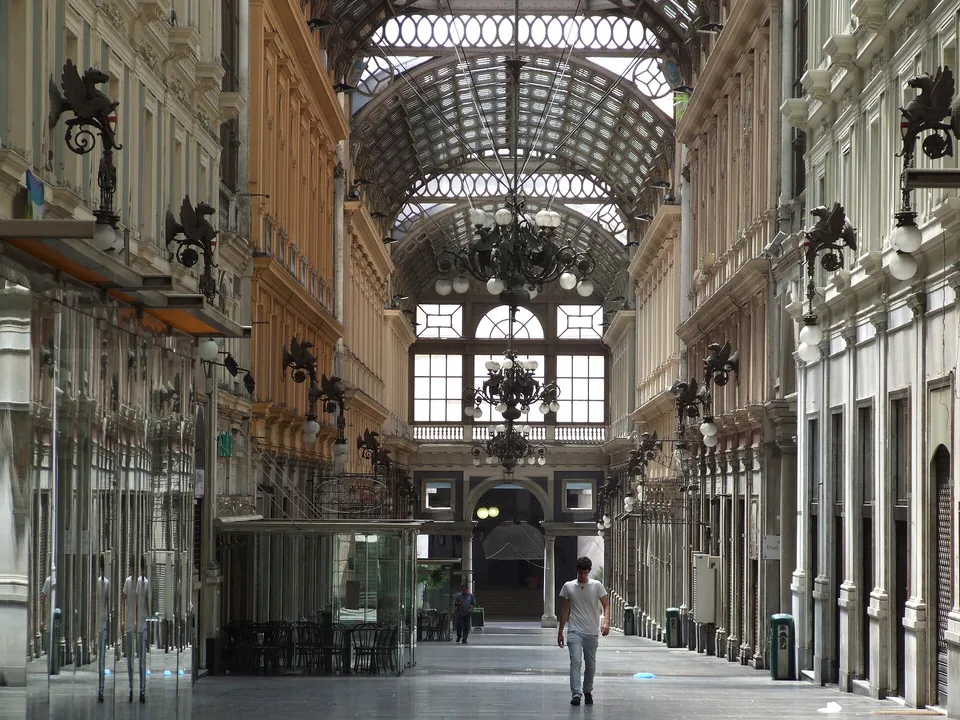
Low iron gates open straight inland into Parchi di Nervi, uniting connected botanical gardens around Villa Grimaldi Fassio, Villa Saluzzo Serra and Villa Gnecco. Tall specimen palms, green coastal lawns and a seasonal Rose Garden look south-east across Ligurian swells towards Camogli and the Portofino peninsula.
Late-afternoon trains carry walkers straight back from Genova Nervi station towards Brignole in time for relaxed evening plates in our Ligurian food guide or calm sunset drinks along Piazza delle Erbe.
Where it is
- 1Genoa
- Genoa Cristoforo Colombo Airport (GOA) · about 8 km from Genoa in a straight line
- Milano Linate Airport (LIN) · about 118 km from Genoa in a straight line
- Directions in Google Maps
Stations and taxi ranks: OpenStreetMap. Airports: OurAirports. Distances are in a straight line.
Traveller tips
Real advice from people who have been to Genoa. Every tip is read by our team before it goes live.
No tips yet. Been here? Yours could be the first.
Thank you! Your tip will appear here after a quick review.
More in Genoa
Continue exploring Genoa with related neighbourhood, food, and planning guides