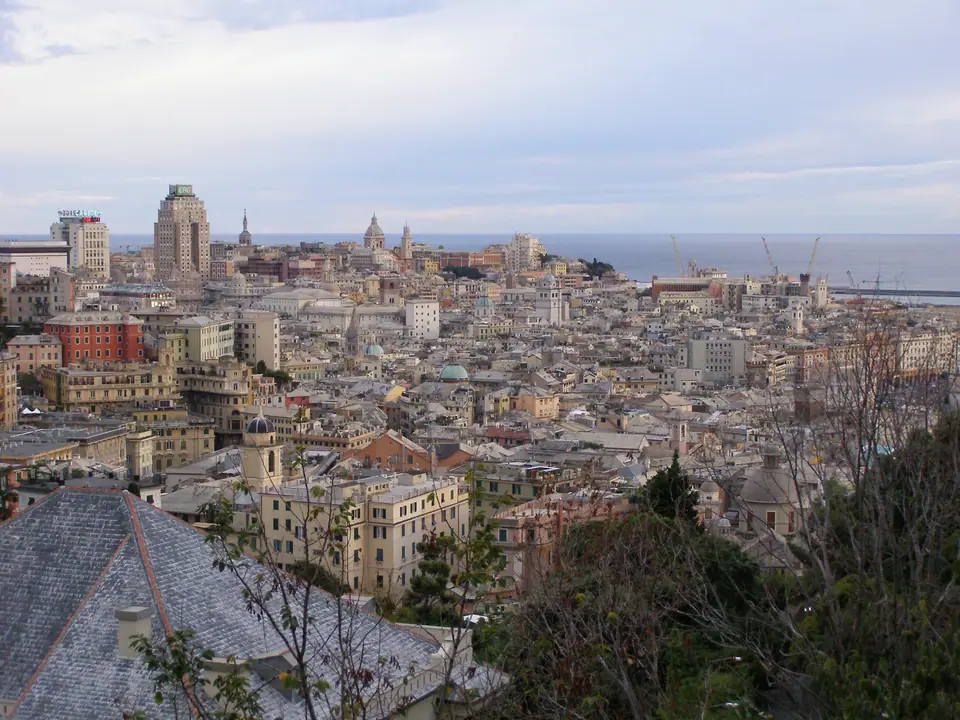
Photo: Andrzej Otrębski · CC BY-SA 3.0
Porto Antico, Castelletto and Carignano: Picking Heights
Pick your Genoa base by height and lift access rather than map distance: sea-level Porto Antico, historic Maddalena, Castelletto, Carignano or Nervi.
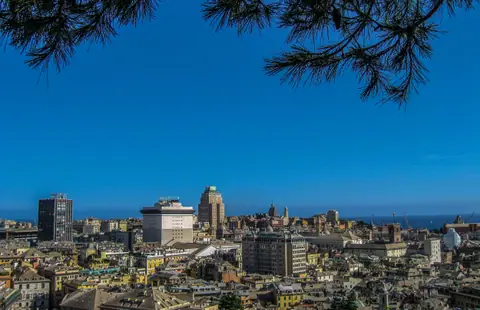
Booking accommodation in Genoa by straight-line map distance from Piazza De Ferrari catches new visitors off guard. Two guest houses separated by three hundred metres on paper may involve a flat breeze along the water or steep stone flights plus a lift transfer. Elevation dictates winter sunlight, evening street noise, suitcase effort and daily stamina across every quarter. Reading terrain height contours matters far more here than chasing central map pins.
Urban postcodes span 16121 through 16167 across distinct elevation belts: flat reclaimed waterfront docks, shadowy medieval alleys, sunny nineteenth-century hillside boulevards and coastal east-end villages. Matching your street height to daily walking habits keeps evenings effortless.
Why does street elevation matter as much as neighbourhood name in Genoa?
Lowest harbour avenues follow level flagstones beside Metro platforms, cruise piers and central railway tracks. Crossing inland into medieval districts shrinks street widths abruptly, limits winter daylight behind tall roof eaves and hides many small guest houses up steep interior stairs without lifts. Climbing onto nineteenth-century hillside boulevards restores bright afternoon sunlight and wide coastal views even in cool months. Everyday journeys from those terraces then depend on AMT lifts and funiculars tucked neatly beneath residential streets.
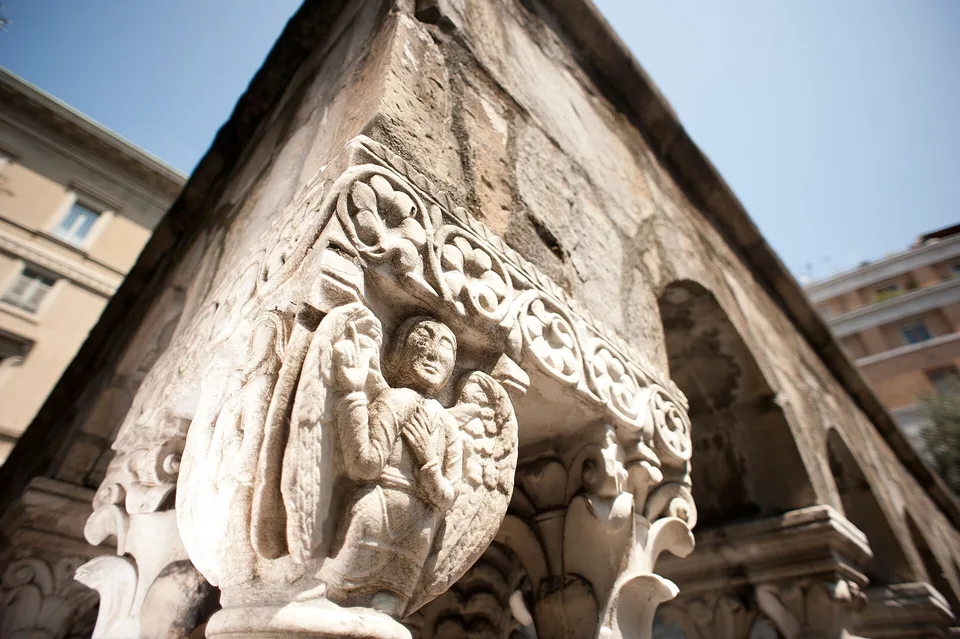
Should we stay inside the medieval caruggi or along the flat harbour?
Both waterfront and alley quarters lie paces from historic stone monuments, yet nights feel dramatically different. Flat Porto Antico delivers step-free pavements, open sea sky and fast San Giorgio Metro exits. In exchange, excursion crowds gather right below hotel windows across busy daylight hours and early morning deliveries roll past pier entrances.
Stepping inland into narrow caruggi surrounds guests with carved slate doorways, quiet side chapels and morning pastry ovens. However, bars near Piazza delle Erbe echo late into weekend nights, and deep narrow lanes feel shadowy after dusk. Travellers sensitive to street echo or wheeling heavy bags sleep calmer on upper interior floors facing sheltered courtyards or on upper hillsides.
Which of Genoa's five main residential bases matches our trip?
Five districts cover the full spectrum between harbour convenience, historic lanes, hilltop calm and coastal views.
Maddalena (16124)
Tucked between Via Garibaldi and Via San Luca inside postcode 16124, Maddalena places you steps from Palazzi dei Rolli facades. Historic residences reaching toward the 16123 edge put tall shuttered rooms across upper piano nobile floors. Expect steep stone staircases lacking lifts, reduced winter sunlight and lively neighbourhood chatter along Via della Maddalena, balanced by swift flat exits via Piazza Fontane Marose.
Porto Antico (16128)
Genoa's rebuilt docks wrap broad flagstones around the basin beside the Aquarium and Galata Museo del Mare. Travellers rolling wheeled luggage, families pushing buggies and ferry guests gain direct taxi bays and San Giorgio Metro access. Smooth level routes join piers, early espresso counters and harbour promenades without climbing one outdoor step.
Castelletto (16122)
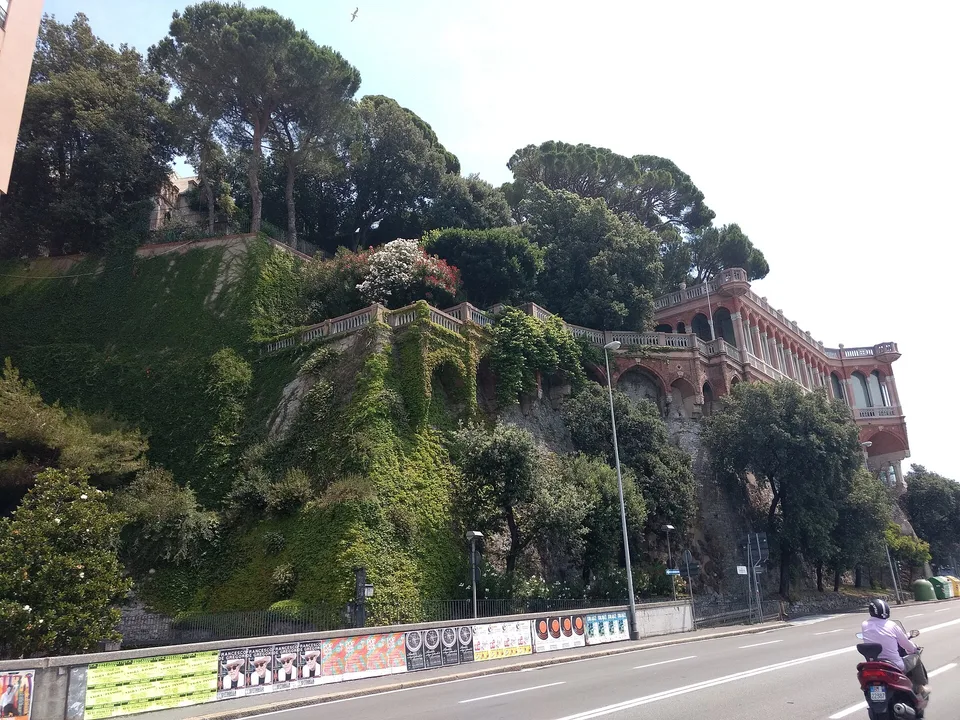
Tracing the sunlit nineteenth-century Circonvallazione a Monte belt above town, Castelletto spans postcodes 16122, 16125 and 16136. Leafy apartment terraces stretch along Corso Firenze, Corso Magenta and Corso Dogali high over slate rooftops with corner bakeries nearby. Riding the 1909 Castelletto lift (57 metres rise), 1891 Sant'Anna funicular or Montegalletto lift brings you down to city alleys within minutes.
Carignano (16128)
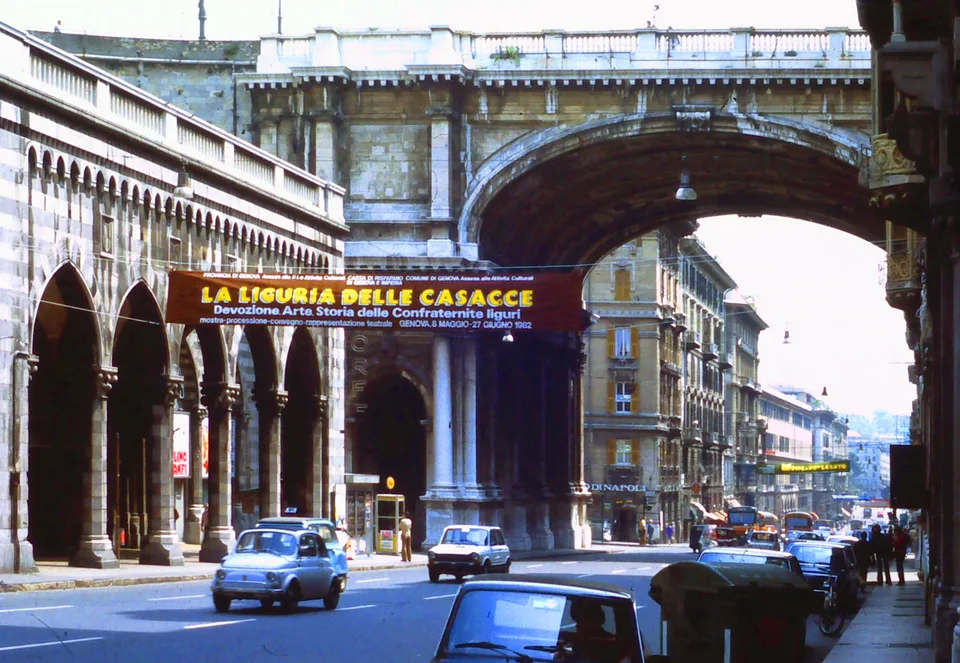
Crowning the gentle southern ridge around Galeazzo Alessi's Renaissance Basilica of Santa Maria Assunta (begun 1549), Carignano pairs residential calm with wide, bright pavements. Located inside postcode 16128 near the 16121 boundary, this hilltop quarter stays well clear of crowded nightlife lanes. An easy ten-to-fifteen-minute downhill stroll links quiet leafy streets straight into Piazza De Ferrari, Via XX Settembre and Brignole.
Nervi (16167)
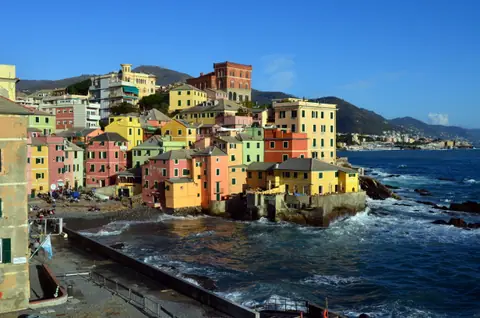
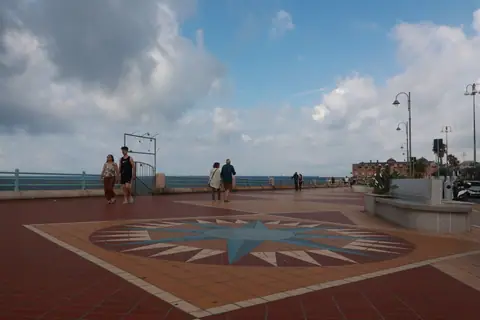
Set eastwards along the Trenitalia urban rail corridor roughly twenty minutes from Brignole, Nervi feels like an unhurried seaside suburb. Guests trade late city nightlife for morning sea walks along the nearly two-kilometre Passeggiata Anita Garibaldi cliff path. Botanical lawns inside Parchi di Nervi add rare open park greenery directly beside Genova Nervi station.
How do historic buildings and lifts shape evening logistics?
Hilltop stays in Castelletto run effortlessly while municipal lifts and funiculars carry riders through daytime and evening hours. Vertical mechanics pause overnight, leaving late diners facing long stepped creuze climbs or night buses. Read floor details closely before reserving converted historic flats, because older residences often require steep interior stair climbs before reaching any lift door. During periodic transport strikes, lower bases in Carignano, Porto Antico or edge avenues keep sights walkable towards morning focaccia bakeries.
Where works best with early trains, ferries or coastal excursions?
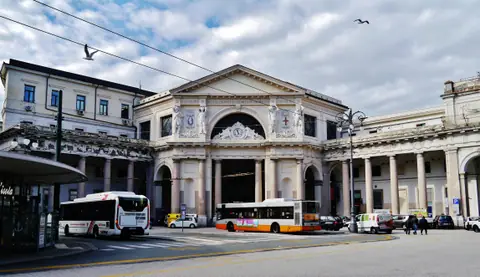
Cruise ships and overnight ferries leaving Stazione Marittima pair cleanly with flat bases near Piazza Principe or Porto Antico. Skipping steep flights saves effort when wheeling heavy bags toward early ferry check-ins or westbound trains toward Turin. Conversely, walkers prioritising early eastbound trains along the coast toward Santa Margherita Ligure, Camogli and Portofino or Cinque Terre save valuable time near Brignole, Carignano or Genova Nervi.
How early should we reserve rooms around Rolli Days and summer weekends?
Spring and autumn Rolli Days weekends plus busy summer ferry crossings fill quiet guesthouses weeks in advance. Booking refundable rooms early protects tranquil upper-floor rooms before remaining listings tighten around louder nightlife lanes. Always verify internal lift availability, street steepness and closest AMT lift stop before committing to non-refundable stays.
Checking a street map elevation profile together with exact doorway step counts prevents exhausting climbs with wheeled cases late at night. Matching your preferred ground between flat seafront docks, quiet Carignano ridges, hillside Castelletto terraces, central alleys or breezy Nervi paths shapes how comfortably each Genoese morning unfolds.
Where it is
- 1Genoa
- Genoa Cristoforo Colombo Airport (GOA) · about 8 km from Genoa in a straight line
- Milano Linate Airport (LIN) · about 118 km from Genoa in a straight line
- Directions in Google Maps
Stations and taxi ranks: OpenStreetMap. Airports: OurAirports. Distances are in a straight line.
Traveller tips
Real advice from people who have been to Genoa. Every tip is read by our team before it goes live.
No tips yet. Been here? Yours could be the first.
Thank you! Your tip will appear here after a quick review.
More in Genoa
Continue exploring Genoa with related neighbourhood, food, and planning guides