


























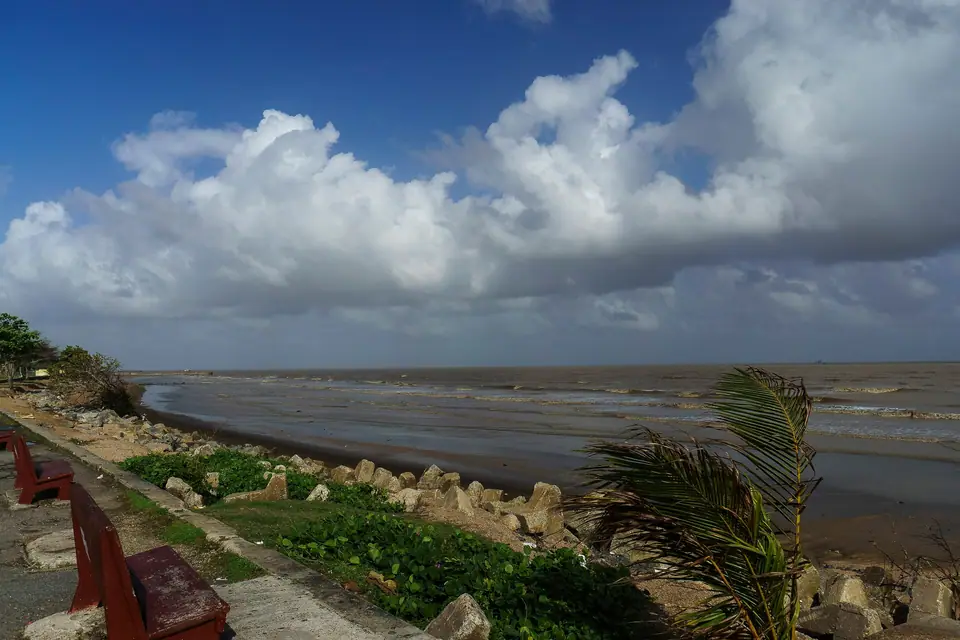
Best Time to Visit Georgetown: Dry Seasons, Trade Winds and Mashramani
Find the best time to visit Georgetown using official WMO Station 81001 climate normals, comparing the August to October and February to April dry seasons, trade winds, and Mashramani.
Positioned less than seven degrees north of the Equator along the Atlantic Ocean, Georgetown has a warm equatorial rainforest climate (Köppen Af) tempered year-round by steady northeast Atlantic trade winds (the sea breeze). According to official World Meteorological Organization (WMO) and Hydrometeorological Service normals recorded at the Georgetown Botanical Gardens (Station 81001), daytime temperatures barely fluctuate across the calendar, ranging from 28.8°C in January to 31.8°C in October, while nights stay between 23.3°C and 24.7°C. Instead of summer and winter, travel planning revolves around two dry seasons and two wet seasons created by the annual migration of the Intertropical Convergence Zone.
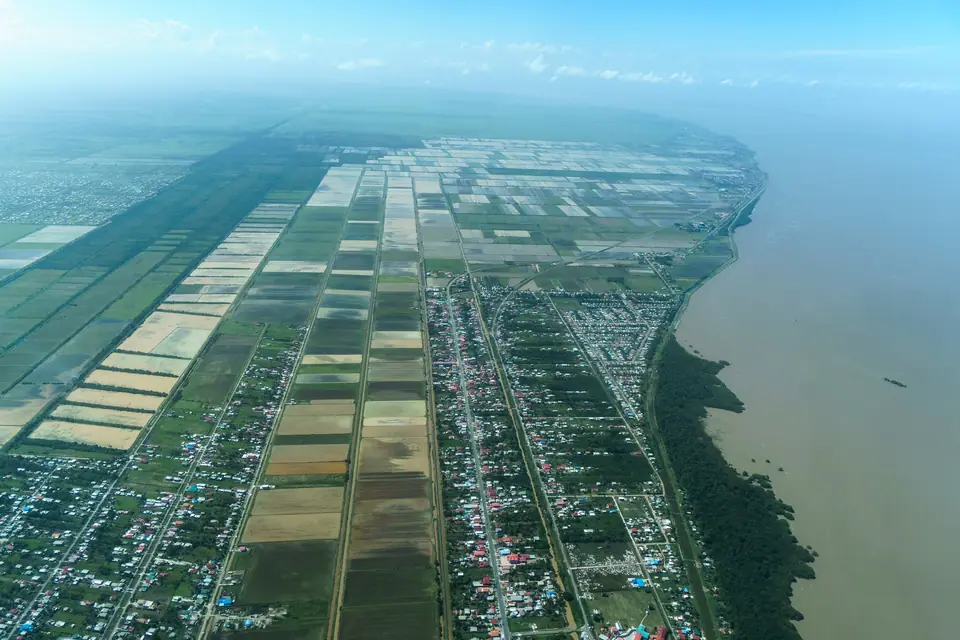
August to November: The Long Dry Season (Driest and Sunniest Skies)
The longest and most reliable dry window in Georgetown runs from mid-August through November. September and October are the driest months of the entire year, averaging just 9 rain days per month (97.5 millimetres in September and 107.2 millimetres in October) alongside the highest daily sunshine totals and warm afternoon highs of 31.5°C to 31.8°C.
This is the prime season if you plan to combine your time in Georgetown with interior flights from Ogle to the Rupununi Savannah, giant river otter spotting on the Essequibo and Rupununi rivers, and clear-sky morning flights to Kaieteur Falls.
February to April: The Short Dry Season, Peak Waterfall Flow, and Mashramani
The second ideal window is the shorter dry season from February through April, when monthly rainfall drops to 88.5 millimetres in February (10 rain days) and 111.0 millimetres in March (10 rain days) with comfortable daytime highs of 29.2°C to 30.1°C. Visiting in February or March gives you dry walking conditions around Georgetown's wooden landmarks while the Potaro River still carries powerful water volume over the brink of Kaieteur Falls following the December and January rains.
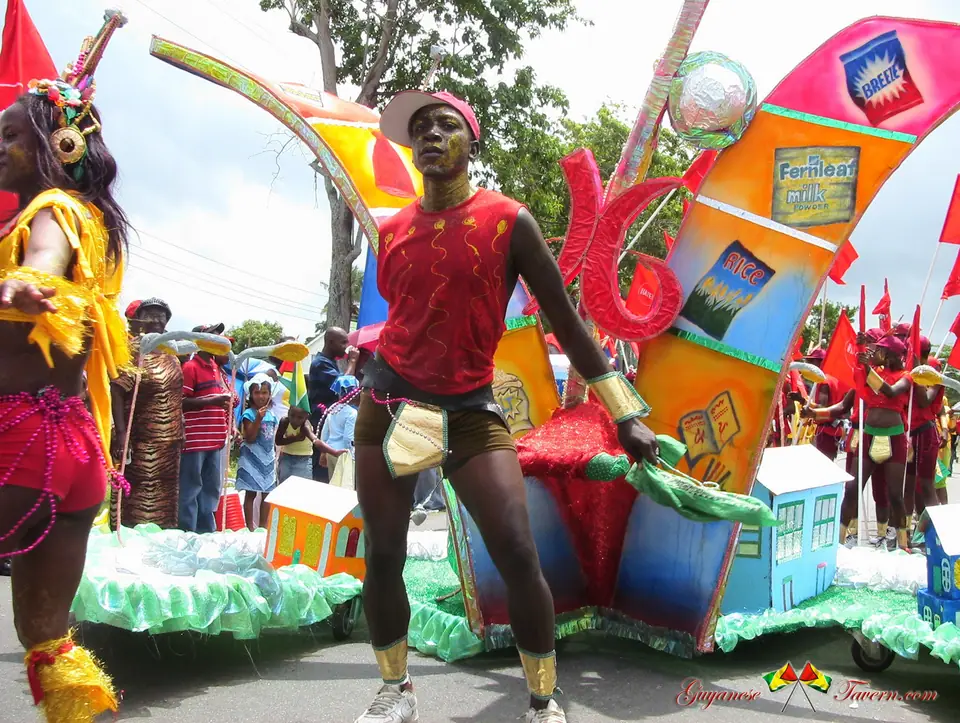
May to July and December to January: The Two Rainy Seasons
Georgetown's primary wet season runs from May to July, peaking in June (327.7 millimetres across 23 rain days), while a secondary wet season arrives from December to mid-January (261.9 millimetres in December across 18 rain days). Even during the wet months, rain often falls in intense tropical downpours interspersed with bright spells, and the giant Victoria amazonica water lilies in the Botanical Gardens are at their lushest.
Key Cultural Festivals in Georgetown
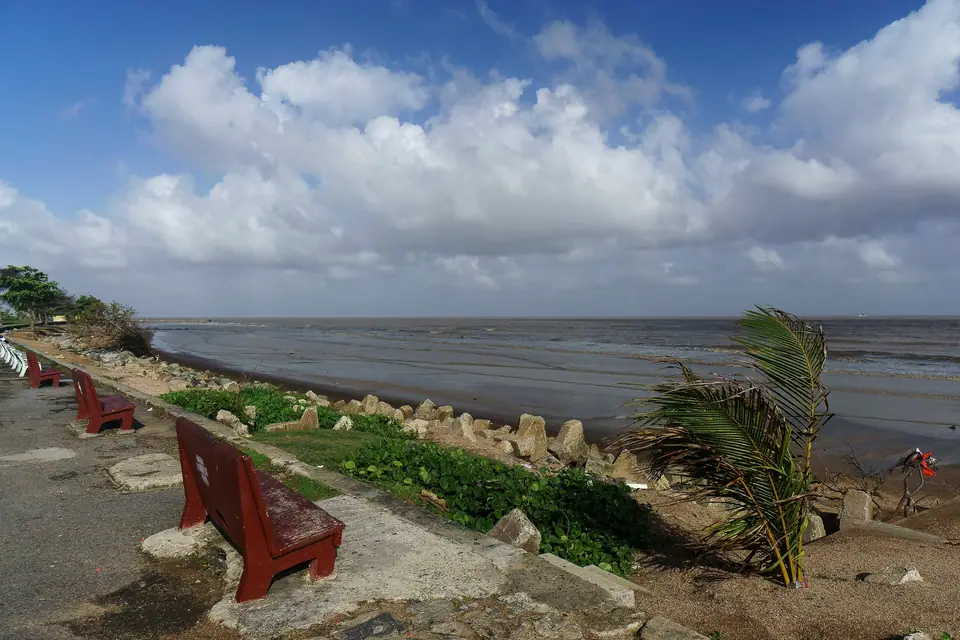
- 23 February (Mashramani / Republic Day): Celebrating Guyana's 1970 transition to a Co-operative Republic ("Mashramani" comes from an Arawak word for celebration after cooperative work), the capital erupts with masquerade bands, calypso and soca competitions, and costumed float parades down Vlissengen Road to the National Park.
- March / April (Phagwah and Easter Monday Kite Flying): Joyous spring powder celebrations for Hindu Phagwah (Holi), followed on Easter Monday by thousands of handmade octagonal singing engine kites filling the sky along the Georgetown Seawall.
- October / November (Diwali Motorcade): Illuminated floats depicting Hindu deities parade along Vlissengen Road and the Seawall on the eve of the Festival of Lights.
Traveller tips
Real advice from people who have been to Best Time to Visit Georgetown: Dry Seasons, Trade Winds and Mashramani. Every tip is read by our team before it goes live.
No tips yet. Been here? Yours could be the first.
Thank you! Your tip will appear here after a quick review.
More in Georgetown
Continue exploring Georgetown with related neighbourhood, food, and planning guides
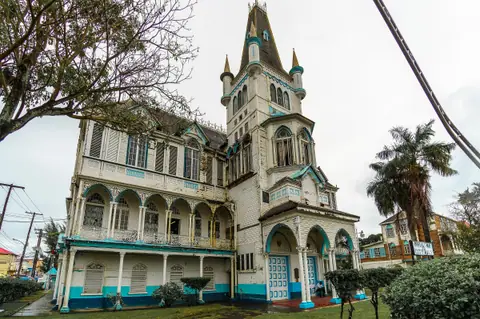
3 Days in Georgetown Itinerary: Victorian Timber Heritage, Markets and Kaieteur Flight
Georgetown, Guyana
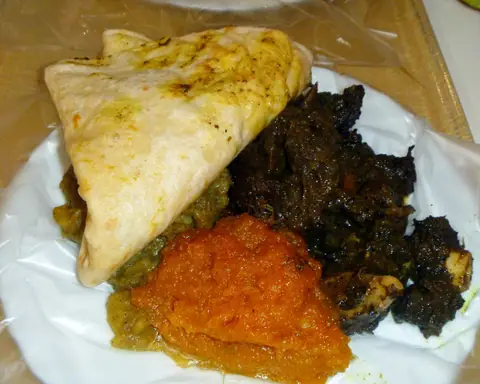
What to Eat in Georgetown: Pepperpot, Cook-Up Rice, Seven Curry and Demerara Rum
Georgetown, Guyana
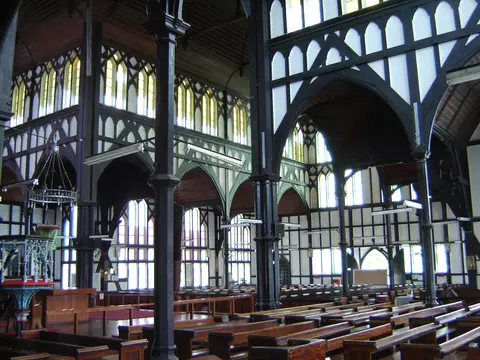
St. George's Cathedral, City Hall and Victorian Wooden Architecture Guide
Georgetown, Guyana
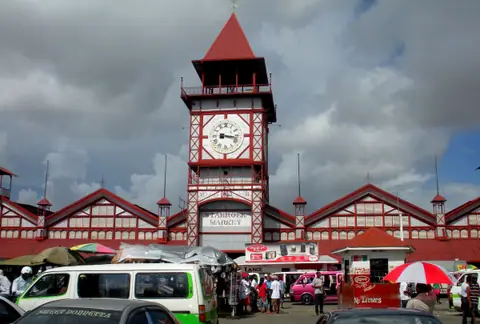
Stabroek Market, Bourda Market and Water Street Guide
Georgetown, Guyana
