


























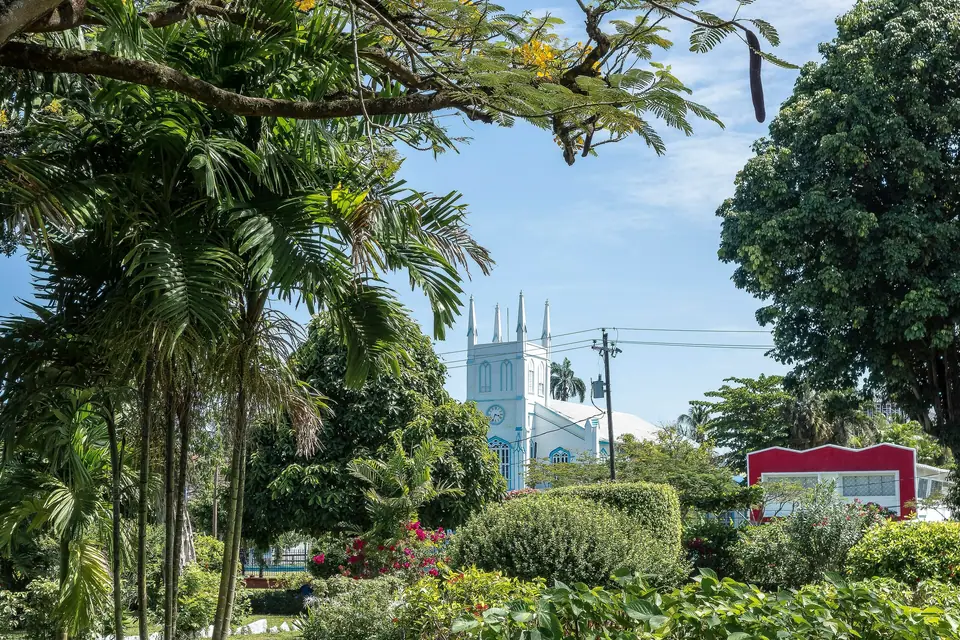
Georgetown Botanical Gardens, Manatees and Promenade Gardens Guide
Explore the 1879 Georgetown Botanical Gardens, home to West Indian manatees, giant Victoria amazonica water lilies, Victorian Kissing Bridges, and over 200 bird species.
In a capital famous as the Garden City of the Caribbean, no green space is more celebrated than the 49-hectare (120-acre) Georgetown Botanical Gardens at the eastern end of Brickdam and Vlissengen Road, paired in the historic centre with the floral Victorian oasis of Promenade Gardens. Within ten minutes of central Georgetown hotels, visitors can hand-feed wild-origin aquatic mammals and spot South American birdlife that normally requires a flight into the deep interior.
History, Kissing Bridges, and Giant Victoria Amazonica Water Lilies
Established in 1879 on the former sugar fields of Plantation Vlissengen, the Georgetown Botanical Gardens were laid out by Trinidadian horticulturist John Frederick Waby and first Government Botanist George Samuel Jenman (whose former residence next door is now Castellani House). Designed around a long central avenue flanked by ornamental lakes, lotus ponds, and drainage canals, the park holds one of the richest tropical palm collections in the Caribbean alongside towering saman, sandbox, and cannonball trees (Couroupita guianensis).
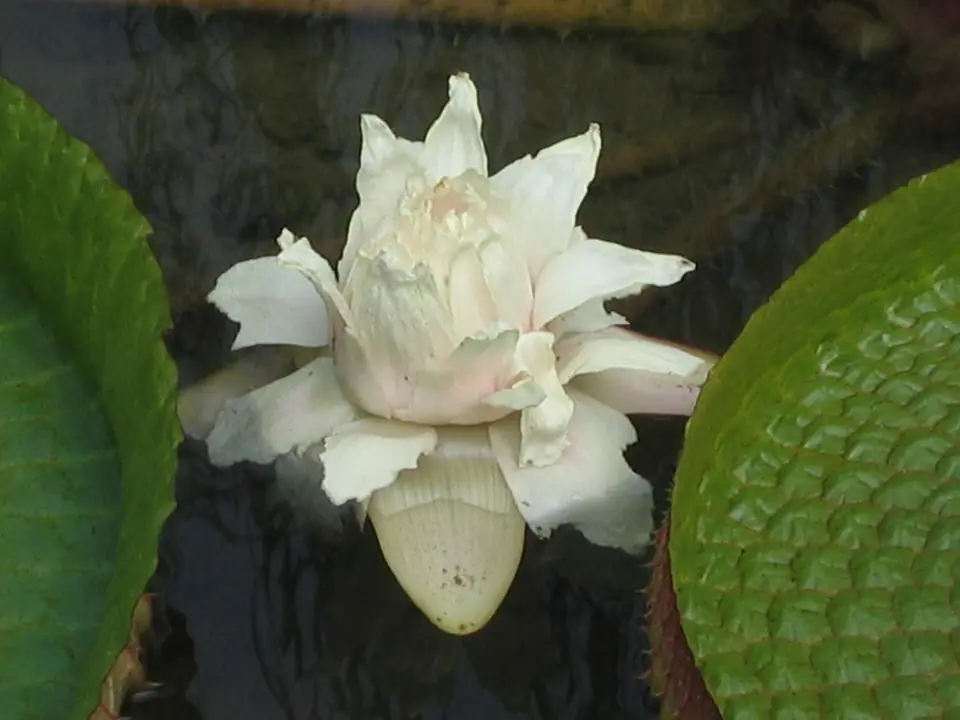
Floating across the main canals are the enormous circular, upturned-rim leaves of the Victoria amazonica (formerly Victoria regia), the giant Amazonian water lily that was first scientifically documented in Guyana's Berbice River in 1837 by explorer Robert Schomburgk and serves as Guyana's National Flower. Spanning the lily canals stand two ornate cast-iron and wooden Victorian footbridges imported in the 1880s and known affectionately to generations of Guyanese as the Kissing Bridges, alongside the 1899 cast-iron bandstand built in memory of Government Botanist Jenman.
Feeding the West Indian Manatees (Since 1885)
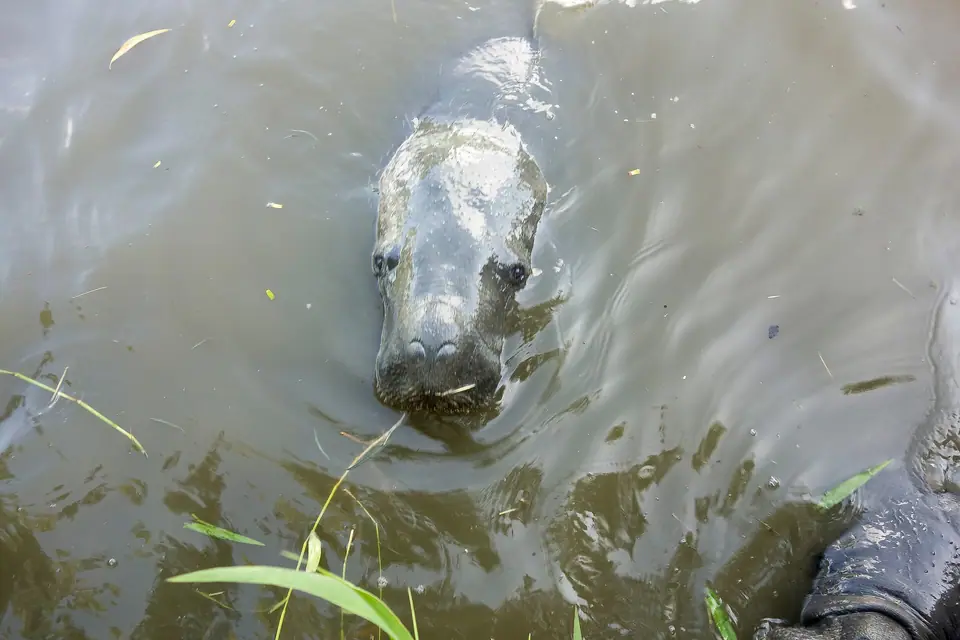
The most endearing residents of the Botanical Gardens are the West Indian manatees (Trichechus manatus) living in the park's central ponds and canals, as well as in the adjoining pond of the National Park to the north. Originally introduced into the garden waterways in 1885 to keep the canals clear of choking aquatic weeds, these gentle, barrel-shaped herbivorous marine mammals swim up to the grassy banks whenever footsteps approach. Pull a handful of long, fresh para grass from the bank, clap your hands gently at the water's edge, and watch the manatees lift their whiskered snouts out of the water to take the grass directly from your fingers.
Morning Birdwatching (200+ Species) and Promenade Gardens
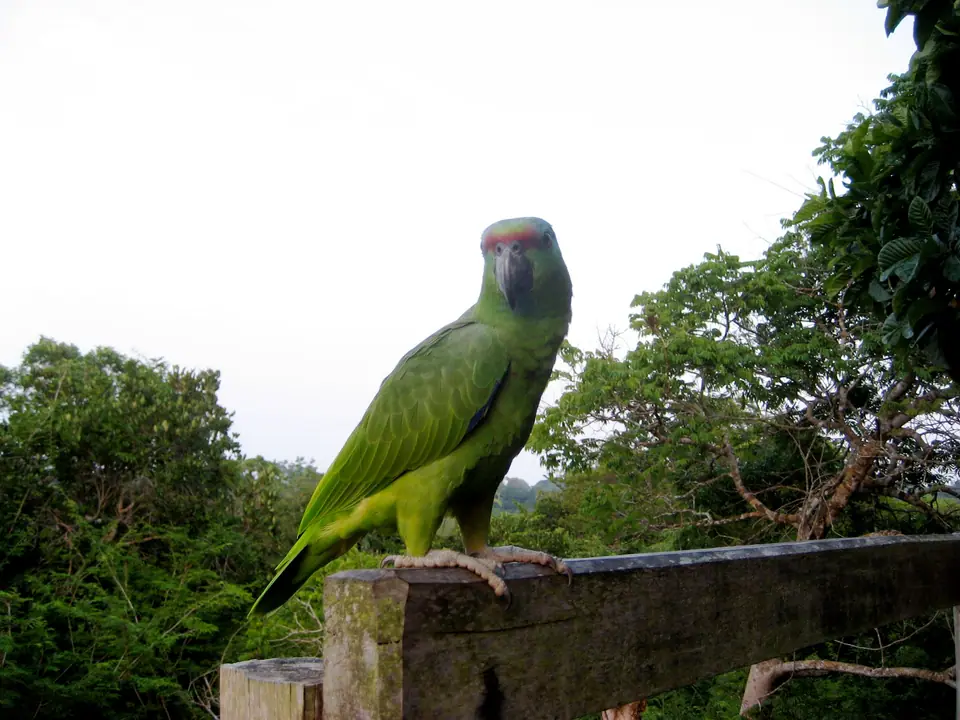
- Dawn Birding Walks (06:00 to 09:00): More than 200 bird species have been recorded inside the Botanical Gardens. Arrive at sunrise (alone or with a local birding guide) to spot the near-endemic blood-coloured woodpecker (Veniliornis sanguineus), festive parrot, snail kite (hunting golden apple snails along the canals), red-bellied macaws, toco toucans, black-collared hawks, and white-bellied piculets, while the small zoological rescue centre inside the park cares for harpy eagles, jaguars, and spectacle caimans.
- Promenade Gardens (Middle Street): In central Cummingsburg between Middle, New Market, Carmichael, and Waterloo Streets, stroll through the 1850s Victorian floral beds of Promenade Gardens, home to red-bellied macaws nesting in the royal palms and a 1969 bronze statue of Mahatma Gandhi.
Traveller tips
Real advice from people who have been to Georgetown Botanical Gardens, Manatees and Promenade Gardens. Every tip is read by our team before it goes live.
No tips yet. Been here? Yours could be the first.
Thank you! Your tip will appear here after a quick review.
More in Georgetown
Continue exploring Georgetown with related neighbourhood, food, and planning guides
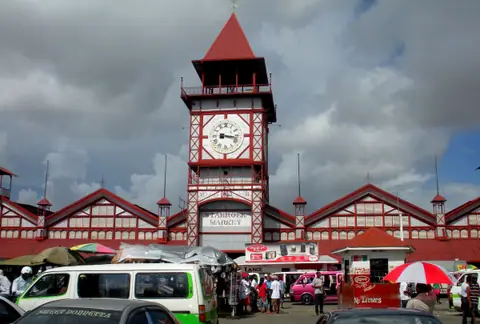
Stabroek Market, Bourda Market and Water Street Guide
Georgetown, Guyana
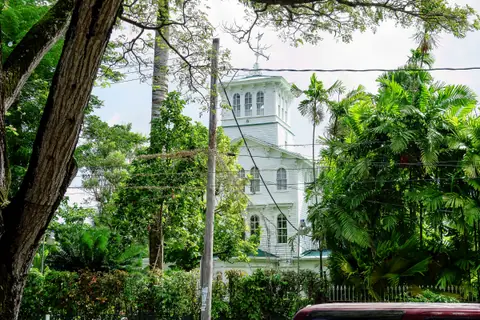
Main Street, Walter Roth Museum of Anthropology and National Museum Guide
Georgetown, Guyana
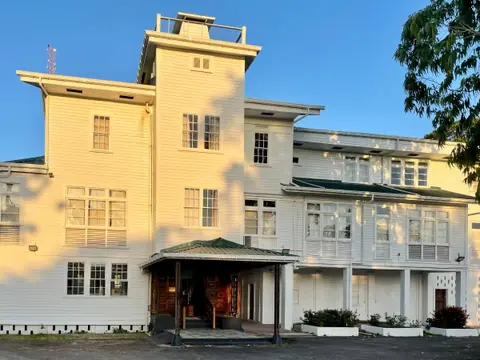
Castellani House, 1763 Cuffy Monument and Brickdam Cathedral Guide
Georgetown, Guyana
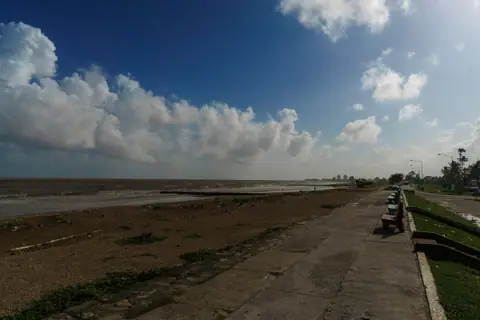
Georgetown Seawall, 1830 Lighthouse and Umana Yana Guide
Georgetown, Guyana
