


























Arriba Nacional Cacao Haciendas ('La Pepa de Oro') & Chocolate Guide, Guayaquil
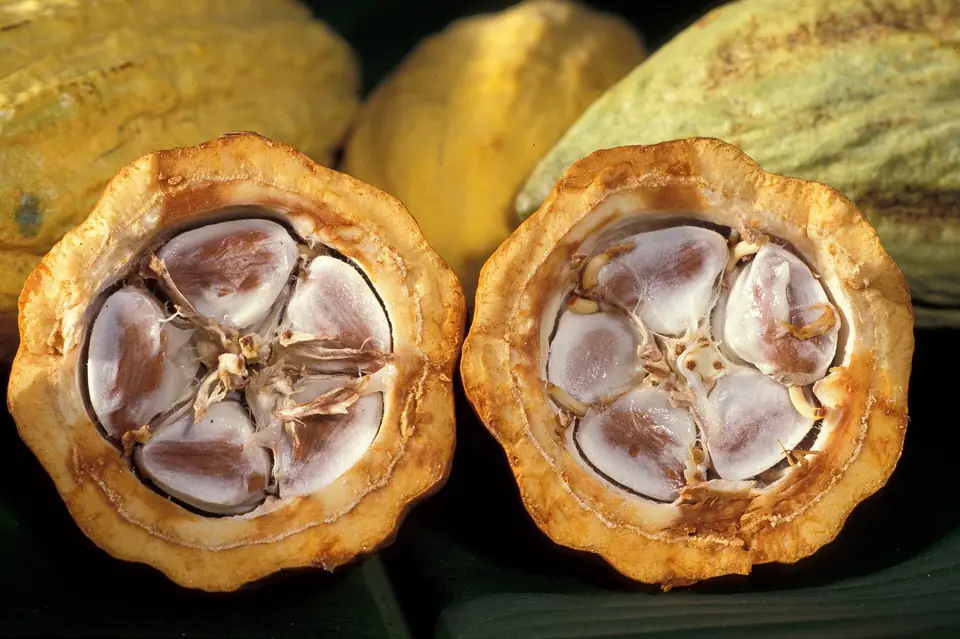
Discover why Ecuador is the world capital of fine-aroma cacao ('Cacao Fino de Aroma'): trace Guayaquil's 19th-century 'Pepa de Oro' boom and take a day trip to a working Arriba Nacional cacao plantation.
Long before oil or bananas dominated Ecuador's exports, the alluvial plains of the Guayas River Basin gave the world its most prized single-origin chocolate ingredient: Cacao Arriba Nacional (Cacao Fino de Aroma), celebrated by master chocolatiers for its floral jasmine, orange-blossom, and nutty notes. Known across Ecuador as La Pepa de Oro ("The Golden Seed"), cacao built turn-of-the-century Guayaquil and remains one of the most rewarding day trips from the city.
1. Why It Is Called "Cacao Arriba" & Guayaquil's Golden Cocoa Boom (1880 to 1920)
- "From Upriver" (Río Arriba): According to coastal tradition, when nineteenth-century Swiss and French chocolate buyers stood on the docks of Guayaquil's Malecón and smelled the intensely floral cocoa beans being unloaded from wooden paddlewheelers, they asked where those extraordinary sacks came from; dockworkers pointed north up the Río Babahoyo, Río Daule, and Río Vinces and replied simply, "de arriba" ("from upriver").
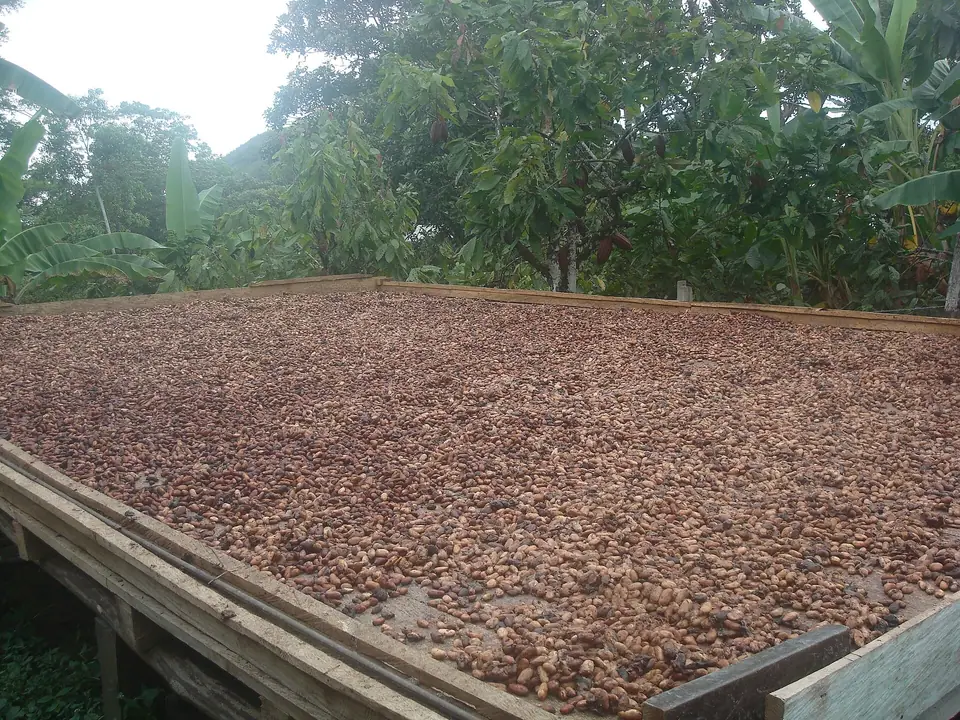
- The Gran Cacao Era & Drying Beans on the Streets of Guayaquil: Between 1880 and 1920, Ecuador was the world's number-one cocoa exporter. The families known as the Gran Cacao built French-inspired timber palaces in Guayaquil and in the river town of Vinces (nicknamed París Chiquito, where they even erected a replica Eiffel Tower), while along downtown streets near the Malecón, workers raked mountains of wet cacao beans across the warm cobblestones with wooden paddles to dry in the equatorial sun.
2. Visiting a Working Cacao Hacienda from Guayaquil (Naranjal, Milagro & Cerecita)
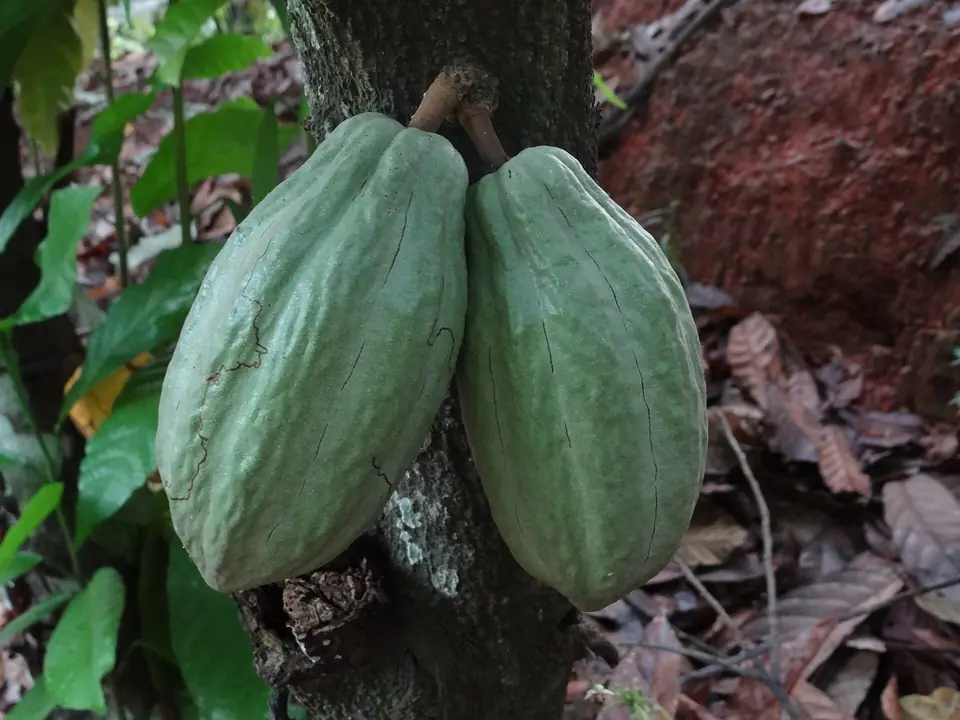
- Tree-to-Bar Plantation Excursions (45 to 75 Minutes from Downtown): Half-day and full-day tours depart Guayaquil either south-east along the fertile foothills near Manglares Churute and Naranjal (such as Hacienda Cañas and the Ruta del Cacao around Milagro and Yaguachi) or west along Vía a la Costa (such as Hacienda Victoria near Cerecita). Walking beneath the shaded agroforestry canopy, you watch machete-wielding harvesters slice ripe yellow and crimson pods from the tree trunks, taste the sweet, tangy white mucilage pulp surrounding the raw seeds, inspect the multi-tiered laurel-wood fermentation boxes (where natural yeasts develop the chocolate flavour over five to six days), and walk across the sliding-roof sun-drying decks (tendales).
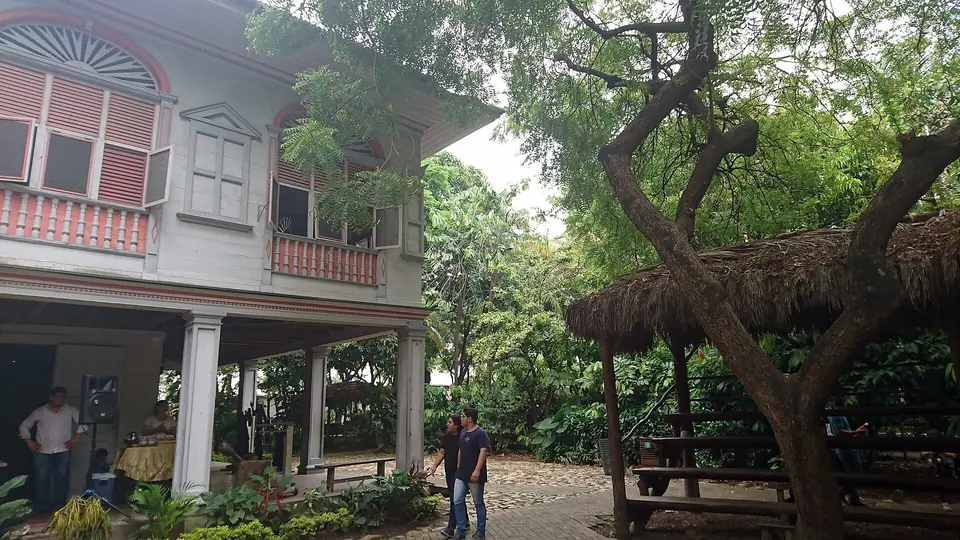
- Roasting Your Own Chocolate & Tasting Bars in Town: Every hacienda visit concludes with hands-on roasting in clay pots over wood fire, grinding the nibs on a stone metate, and a guided tasting of 70% to 100% single-estate dark bars. If you cannot leave the city, experience the traditional drying terrace in Zone 3 of Parque Histórico Guayaquil and pick up award-winning Ecuadorian bean-to-bar chocolates (Pacari, República del Cacao, Hoja Verde, and Kallari) along Malecón 2000.
Traveller tips
Real advice from people who have been to Arriba Nacional Cacao Haciendas ('La Pepa de Oro') & Chocolate Guide, Guayaquil. Every tip is read by our team before it goes live.
No tips yet. Been here? Yours could be the first.
Thank you! Your tip will appear here after a quick review.
More in Guayaquil
Continue exploring Guayaquil with related neighbourhood, food, and planning guides
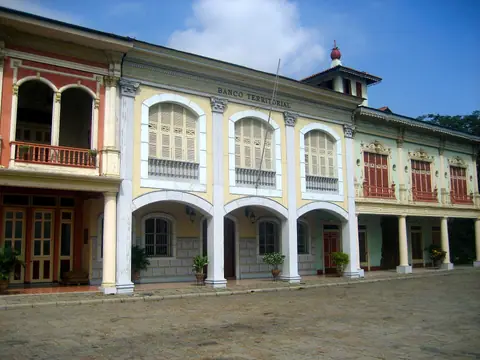
Parque Histórico Guayaquil (Samborondón) & Puerto Santa Ana Guide
Guayaquil, Ecuador
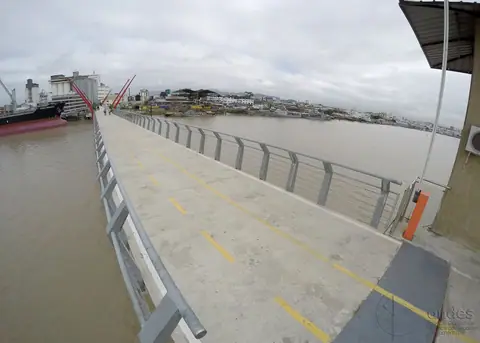
Isla Santay, Bosque Protector Cerro Blanco & Manglares Churute Eco-Guide
Guayaquil, Ecuador

Pacific Coast Day Trips from Guayaquil: Playas Villamil, Puerto El Morro & Salinas
Guayaquil, Ecuador
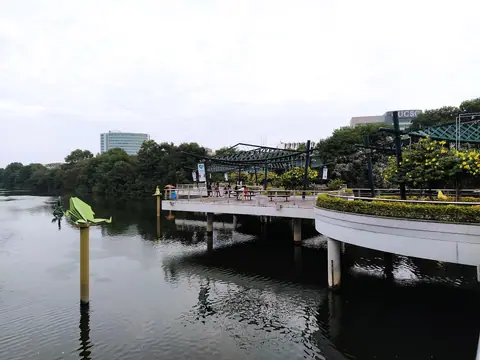
Malecón del Salado, Urdesa Dining & Guayaquil Downtown Museums Guide
Guayaquil, Ecuador
