


























Malecón del Salado, Urdesa Dining & Guayaquil Downtown Museums Guide
Explore Guayaquil beyond the Río Guayas: stroll across the Zigzag Bridge at Malecón del Salado on the Estero Salado, tour the Museo Municipal and Museo Nahím Isaías, and dine in hilly Urdesa.
While first-time visitors spend most of their time along the freshwater bank of the Río Guayas, locals divide their leisure hours equally with the western side of the city, where the green saltwater channels of the Estero Salado wind past university campuses, pedestrian bridges, and the lively restaurant hills of Urdesa. Combine these western neighbourhoods with Guayaquil's two finest downtown history and art museums for a complete picture of the city.
1. Malecón del Salado, the Zigzag Bridge & Fuente Monumental
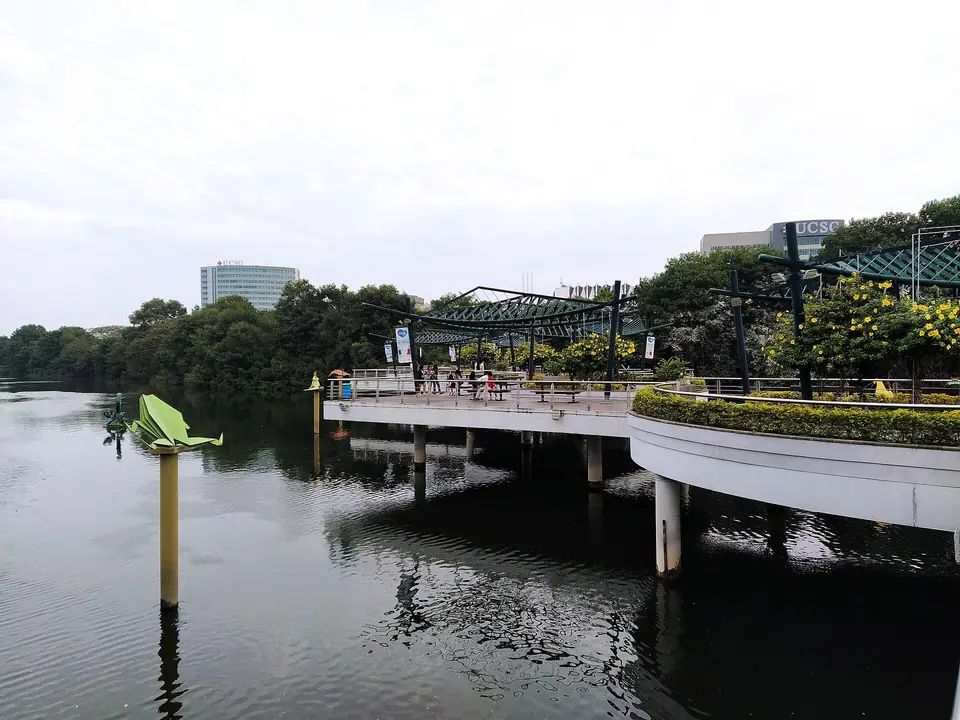
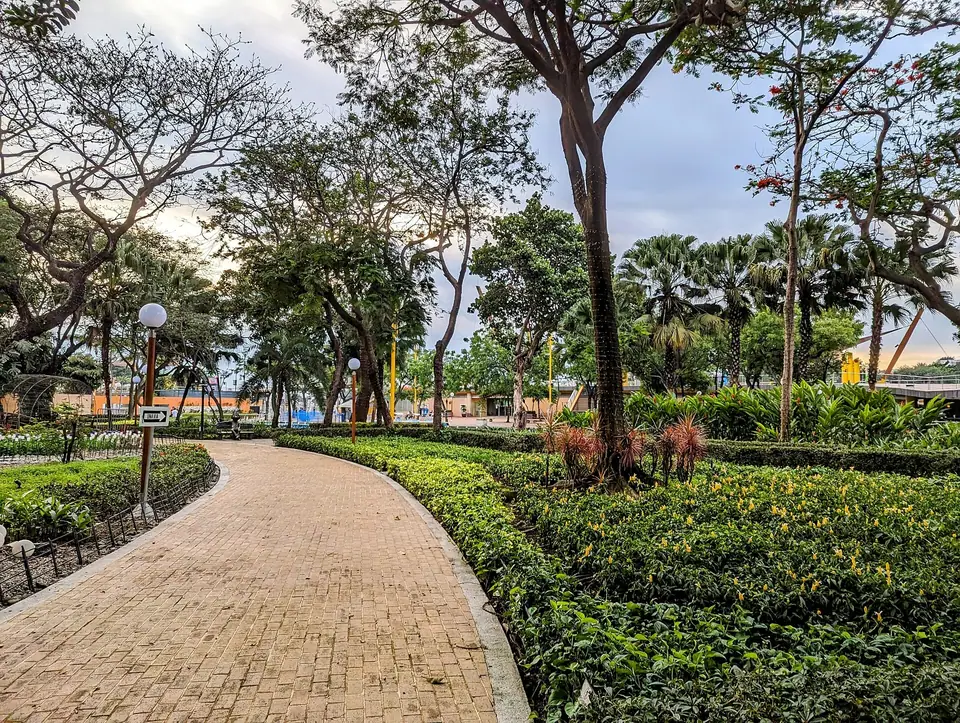
- Where Bulevar 9 de Octubre Meets the Estero Salado: Walking twenty minutes west from Parque Seminario along the full length of Bulevar 9 de Octubre brings you to the Plaza Rodolfo Baquerizo Moreno on the banks of the Estero Salado, a tidal arm of the Gulf of Guayaquil bordered by mangroves. Opened between 2004 and 2011, the terraced boardwalks of Malecón del Salado wrap around both sides of the estuary.
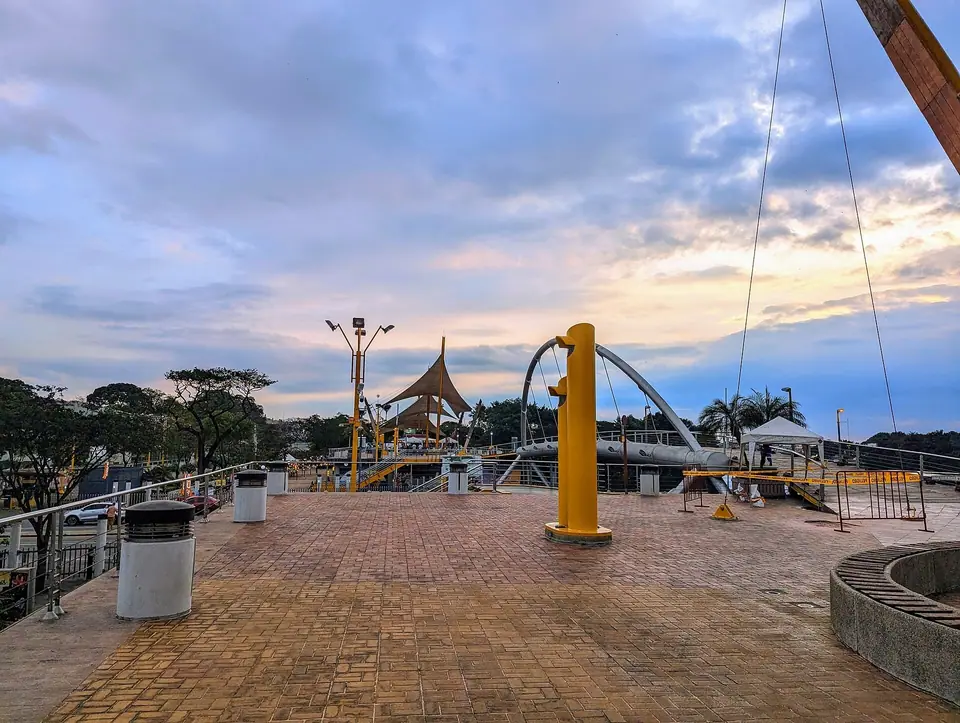
- Crossing the Puente Zigzag & Watching the Dancing Waters: Walk across the two-level Puente Zigzag (Puente 5 de Junio pedestrian bridge) connecting the Plaza de los Mariscos food pavilions with the campus gardens of the Universidad Católica de Santiago de Guayaquil and the classic cultural venue La Bota. Just south of the bridge, the Fuente Monumental de Aguas Danzantes stages evening light-and-water fountain shows across a sixty-metre lagoon over the estuary.
2. Downtown's Two Essential Museums (Museo Municipal & Museo Nahím Isaías) & Urdesa
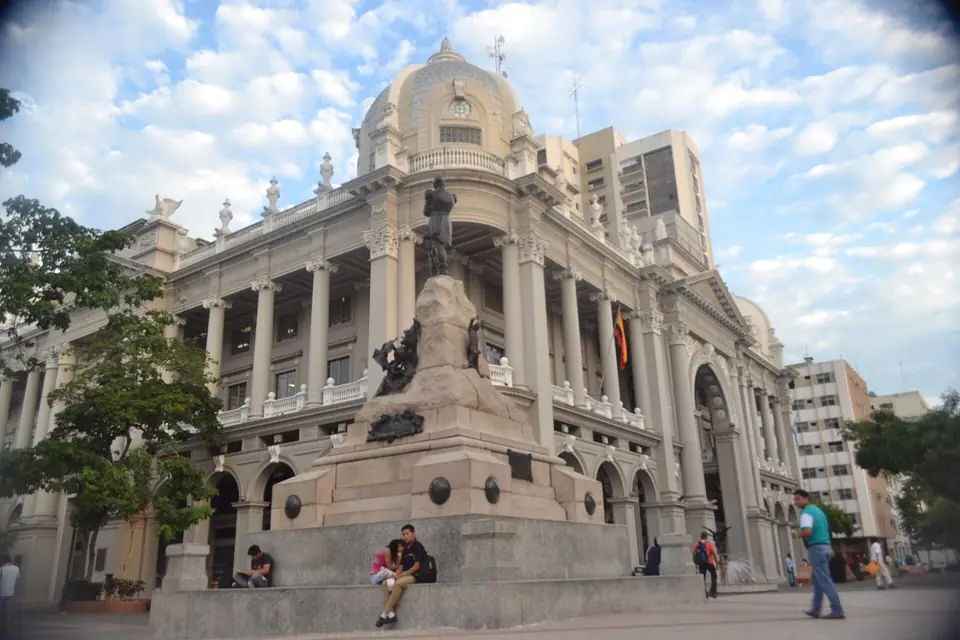
- Museo Municipal de Guayaquil (Calle Sucre between Chile & Pedro Carbo): Founded in 1863 as an industrial exhibition and established as a museum in 1908 two blocks south of the Metropolitan Cathedral, this free municipal museum traces Guayaquil's complete story: pre-Hispanic coastal goldwork and funerary urns, detailed scale models of the 17th-century Royal Shipyards of Guayaquil (Astilleros Reales), the 1820 Independence room, and early-20th-century tramways; check official municipal Tuesday-to-Saturday opening hours.
- Museo Nahím Isaías (Plaza de la Administración, Pichincha & Clemente Ballén): Directly opposite the Moorish Clock Tower entrance of Malecón 2000, this three-floor museum houses over 2,000 pieces of 16th-, 17th-, and 18th-century Quito School (Escuela Quiteña) and Cuzco School colonial religious paintings, polychrome wood sculptures, and silverware.
- Dining in Urdesa (Calle Víctor Emilio Estrada): Ten minutes north-west across the Estero Salado bridges, the hilltop residential avenues of Urdesa Central (especially Avenida Víctor Emilio Estrada, Calle Circunvalación, and Las Monjas) form Guayaquil's gastronomic heart, packed with traditional mangrove-crab houses (cangrejales), speciality Manabí and Esmeraldas seafood bistros, and third-wave Ecuadorian coffee shops.
Traveller tips
Real advice from people who have been to Malecón del Salado, Urdesa Dining & Guayaquil Downtown Museums. Every tip is read by our team before it goes live.
No tips yet. Been here? Yours could be the first.
Thank you! Your tip will appear here after a quick review.
More in Guayaquil
Continue exploring Guayaquil with related neighbourhood, food, and planning guides
Best Time to Visit Guayaquil: Cool Dry Humboldt Season, July & October Festivities
Guayaquil, Ecuador
Where to Stay in Guayaquil: Puerto Santa Ana, Malecón 2000, Kennedy Norte & Samborondón
Guayaquil, Ecuador
3 Days in Guayaquil Itinerary: Malecón 2000, Las Peñas, Parque Histórico & Cacao
Guayaquil, Ecuador
What to Eat in Guayaquil: Encebollado, Mangrove Crabs (Cangrejo), Bolón de Verde & Ceviche
Guayaquil, Ecuador
