


























What to Eat in Guayaquil: Encebollado, Mangrove Crabs (Cangrejo), Bolón de Verde & Ceviche
Explore Guayaquil's coastal Ecuadorian cuisine: taste albacore tuna encebollado, red Guayas mangrove crabs in Urdesa, crispy green-plantain bolón de verde, Jipijapa shrimp ceviche, and rice with lentil menestra.
Widely celebrated across Ecuador as the country's richest culinary tradition, the kitchen of Guayaquil and the Guayas Province revolves around fresh Pacific seafood, red estuary crabs harvested from the Gulf of Guayaquil mangroves, green plantains (plátano verde) cooked a dozen different ways, roasted peanuts, and tropical fruits. Here are the essential dishes to eat during your stay.
1. Morning Classics: Encebollado & Bolón de Verde
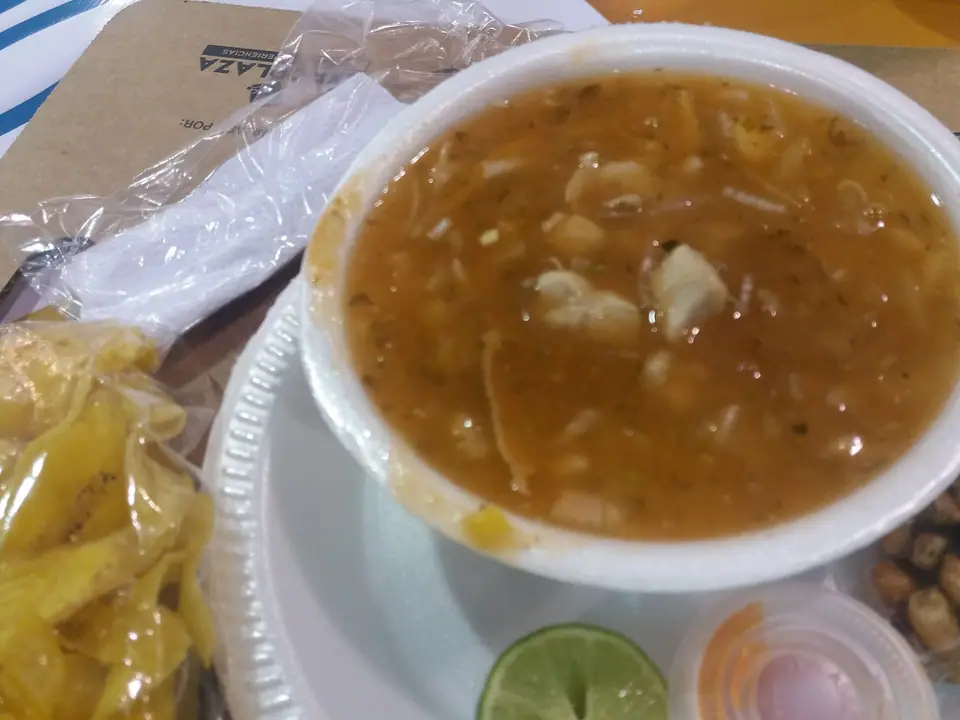
- Encebollado (Ecuador's National Fish Soup, Born in Guayaquil): Recognized by international food guides as one of the world's great fish soups and protected as cultural heritage of Ecuador, encebollado is a morning and midday institution at Guayaquil's picanterías (typically eaten between 07:00 and 13:00). Fresh loins of albacore tuna (albacora) are simmered in a rich, tomato-and-chili-infused broth thickened with pureed cassava root (yuca), then flaked into a deep bowl over tender chunks of yuca and crowned with lime-marinated purple onions, fresh coriander, a squeeze of key lime (limón sutil), a dash of mustard or ají chili sauce, and a handful of paper-thin fried green plantain chips (chifles) or crusty bread rolls.
- Bolón de Verde, Tigrillo & Humitas: No Guayaquil breakfast is complete without a bolón de verde: green plantains fried or roasted until golden, mashed hot in a wooden bowl with salted butter, stuffed or kneaded with melty coastal white cheese (queso criollo), crispy pork cracklings (chicharrón), or both (bolón mixto), and shaped into a fist-sized sphere with a crisp exterior, served beside a cup of strong dripped coffee (café pasado) and a fried egg.
2. Evening Rituals: Guayas Mangrove Crabs (Cangrejada), Ceviche & Arroz con Menestra
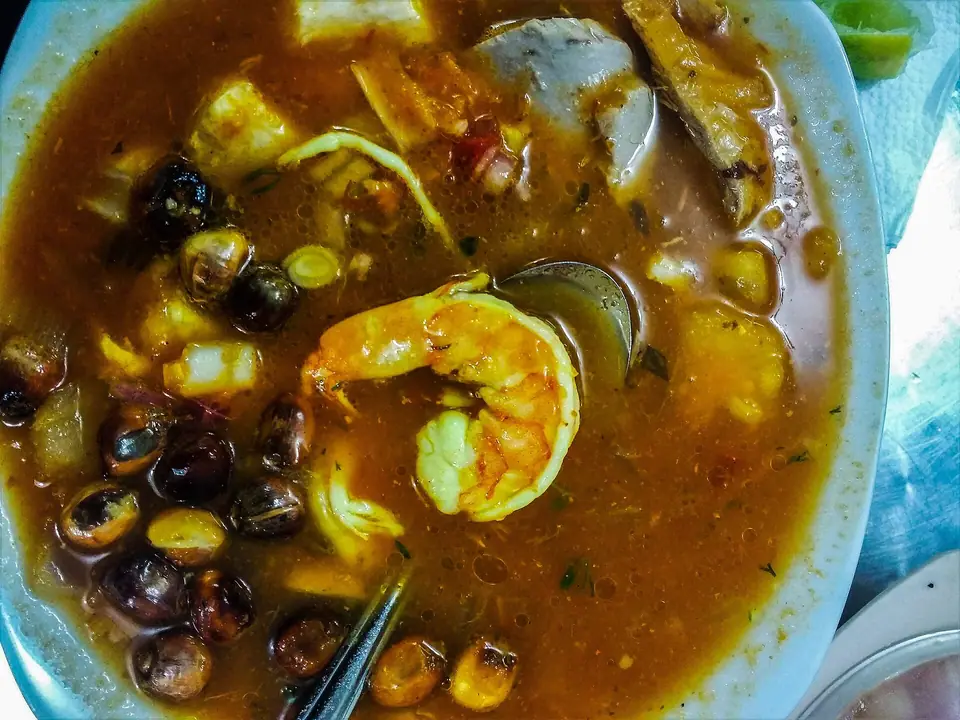
- Cracking Red Mangrove Crabs at a Cangrejal: On any evening outside the two annual biological conservation closures (vedas, typically in February/March and August/September), head to Calle Víctor Emilio Estrada in Urdesa or Miraflores to join locals for a cangrejada. Strings (atados) of wild red mangrove crabs (Ucides occidentalis) from the Gulf of Guayaquil are boiled in huge cauldrons with beer, crushed garlic, cumin, coriander stalks, oregano, and sweet ripe plantains (maduros), then brought to your paper-covered table with a wooden mallet and board alongside onion-and-tomato curtido salad.
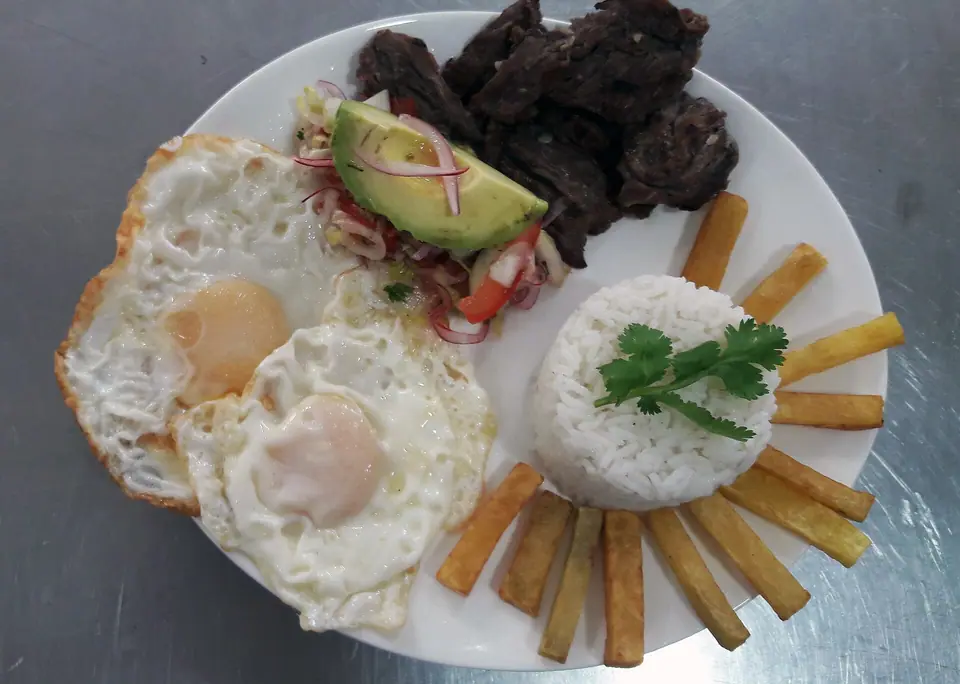
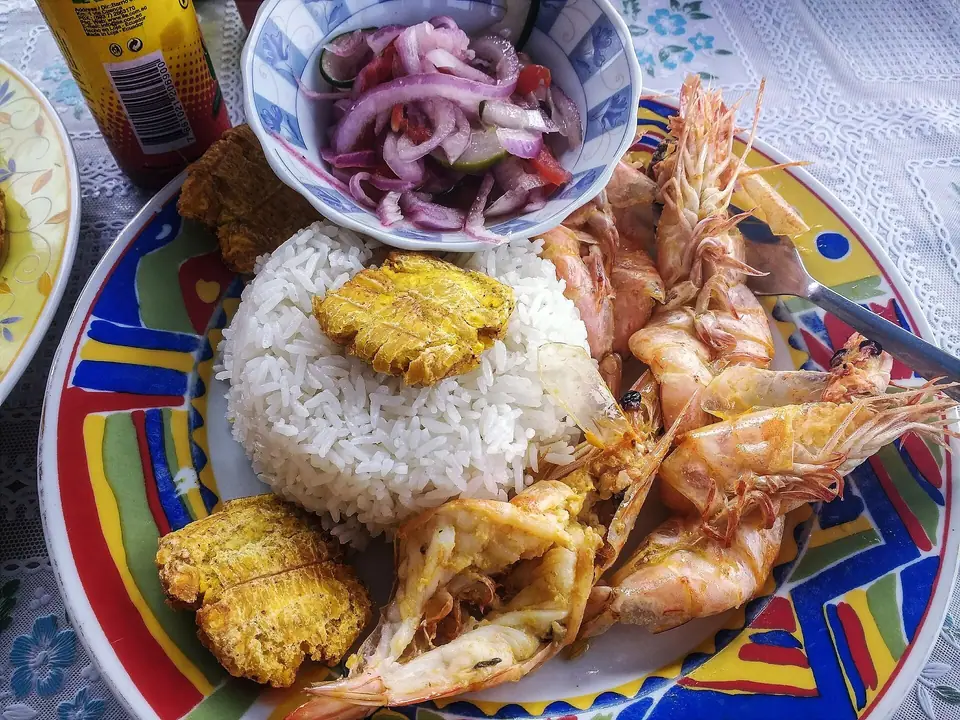
- Coastal Shrimp Ceviche & Arroz con Menestra y Carne Asada: At midday, order Guayas-style shrimp, black-clam (concha prieta), or octopus ceviche served in a tomato-citrus-and-orange marinade with chifles (or Manabí-style Jipijapa ceviche enriched with roasted peanut sauce and avocado). At night, street-corner grills perfume the air with arroz con menestra y carne asada: char-grilled beef, pork ribs, or chorizo served beside creamy slow-stewed lentils (menestra de lenteja), crusty pan-bottom rice (cocolón), and twice-fried plantain patacones.
Traveller tips
Real advice from people who have been to What to Eat in Guayaquil: Encebollado, Mangrove Crabs (Cangrejo), Bolón de Verde & Ceviche. Every tip is read by our team before it goes live.
No tips yet. Been here? Yours could be the first.
Thank you! Your tip will appear here after a quick review.
More in Guayaquil
Continue exploring Guayaquil with related neighbourhood, food, and planning guides
Best Time to Visit Guayaquil: Cool Dry Humboldt Season, July & October Festivities
Guayaquil, Ecuador
Where to Stay in Guayaquil: Puerto Santa Ana, Malecón 2000, Kennedy Norte & Samborondón
Guayaquil, Ecuador
3 Days in Guayaquil Itinerary: Malecón 2000, Las Peñas, Parque Histórico & Cacao
Guayaquil, Ecuador
Malecón 2000 (Malecón Simón Bolívar), La Rotonda & MAAC Guide, Guayaquil
Guayaquil, Ecuador
