Ibiza
A Balearic island of white coves, pine hills and a walled old town, where some of Europe's biggest clubs share the coast with quiet farming villages.
Quick decisions
How many days?
3 days: Dalt Vila and the harbour, a couple of beaches and a west-coast sunset. 4 or 5 days: add a second coast, the villages and a night out. A week: slow down, explore the north and give a whole day to Formentera. Our 5-day itinerary shows how to pace it.
Where should I stay?
Ibiza Town: the most practical base, with the old town, restaurants and ferries. Santa Eulària des Riu: quieter, with a seafront promenade that suits families and couples. Sant Antoni: sunsets and a younger crowd. Playa d'en Bossa: the beach-and-club strip. The north: quiet coves and villages. More in our where to stay guide.
Do I need a car?
For most trips, yes. Buses link the main towns and resorts, but the best coves, villages and viewpoints are spread out. Without a car, base yourself in Ibiza Town and use buses, taxis and boats.
Best for
Beaches: long sandy bays and tiny coves under cliffs. Nightlife: the clubs that made the island famous. Couples: sunsets, long lunches and quiet villages. Families: shallow beaches around Santa Eulària. History: a UNESCO-listed old town and Phoenician sites.
Before you go
Book key nights early: big club nights and popular restaurants sell out in summer. Think about off-season: spring and autumn are quieter and suit walking and villages. Protect the sea: the Posidonia meadows around the coast are UNESCO-protected, so boats must follow anchoring rules.
Getting around
From the airport: the AERO3 express bus runs to Ibiza Town, and other AERO lines serve the resorts. On the island: buses for the main towns, a hire car for everything else. At night: plan your ride home before you go out. Details in our getting there guide.
Continue your trip
Formentera is a short ferry ride from Ibiza Town and the obvious add-on. Ferries and flights also connect the island with Mallorca, Barcelona, Valencia and Dénia on the mainland.
Overview
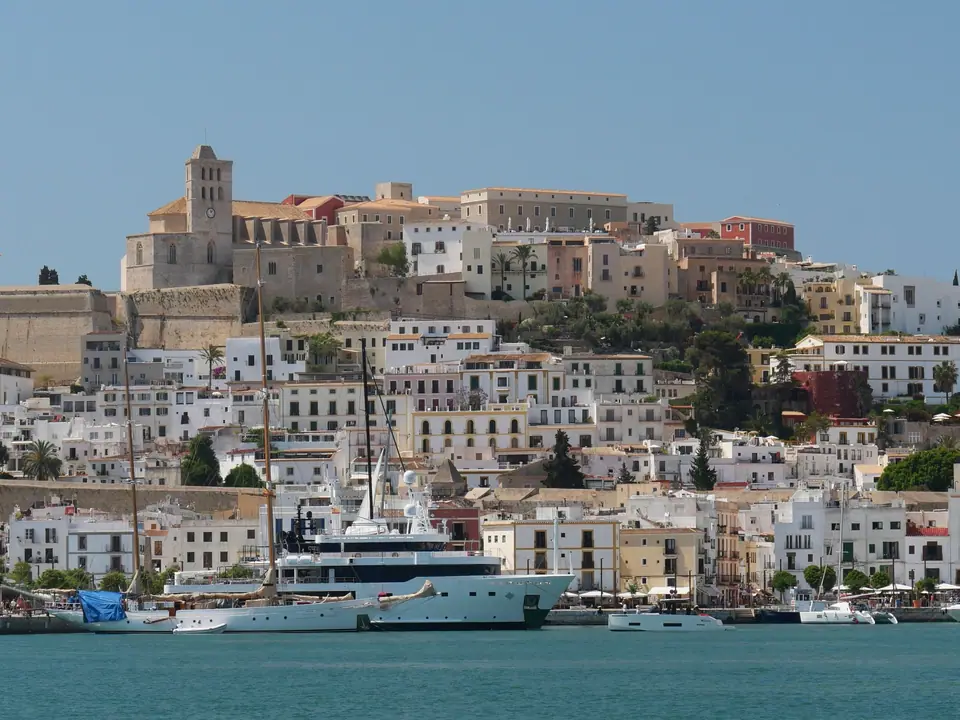
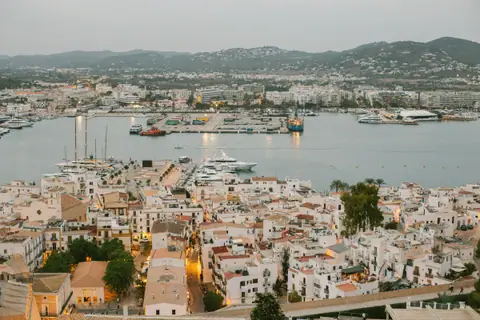
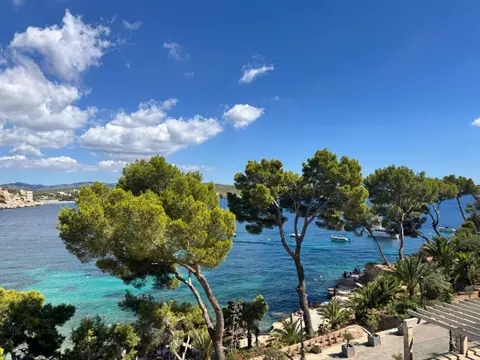
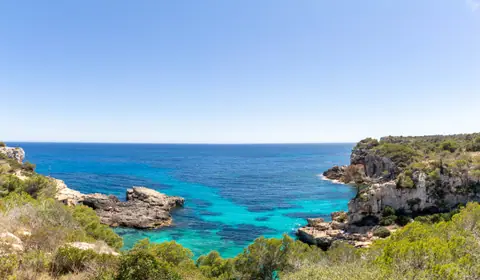
Ibiza has two reputations, and the island lives up to both. One is the superclubs, the beach bars and the DJs who fly in for the summer season. The other is older and quieter: whitewashed farmhouses behind dry-stone walls, pine woods running down to small coves, village churches and a walled hilltop town above the harbour.
The island is small: a single day can take in the sunset coves of the west, the greener north and the salt pans of the south. The risk is spending the whole trip driving between famous beaches. Pick a base, give the island at least four days and start with our Ibiza travel guide.
Getting there
Ibiza Airport sits a few kilometres south-west of Ibiza Town, with an express bus into town and seasonal buses to the main resorts. Ferries reach the port of Ibiza Town from Barcelona, Valencia, Dénia and Palma. Our getting there guide compares the options and explains taxis and car hire.
Where to stay
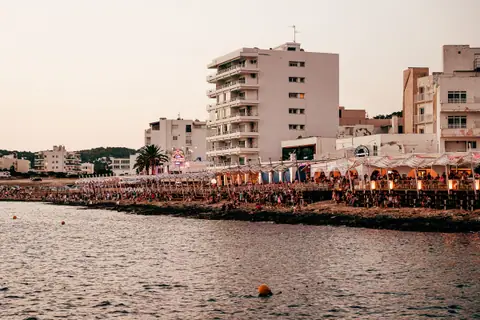
Ibiza Town suits most first visits: history, restaurants and transport in one place. Life is slower in Santa Eulària des Riu, Sant Antoni and Playa d'en Bossa are built around nightlife, and the north is for slow days. We compare them in our where to stay guide.
Things to do
Start with the fortified old town in our Dalt Vila guide, then choose your coast with our beaches guide. For clubs, markets, boat trips and the rest, see our things to do list and the nightlife guide.
Food and drink
Island cooking is rural and Mediterranean. Look for bullit de peix, fish stewed with potatoes, after which rice is cooked in the leftover broth (arròs a banda); sofrit pagès, a hearty farmhouse dish of meats and potatoes; and flaó, a mint-scented cheesecake. Hierbas ibicencas, a sweet herb liqueur, ends many meals. For everyday food, skip the beach clubs and eat in village bars and bakeries.
Culture
Phoenicians settled at Sa Caleta in the 8th century BC, and Punic, Roman and Moorish rulers followed before the Catalan conquest of 1235. UNESCO lists Dalt Vila's Renaissance walls, the Puig des Molins necropolis, Sa Caleta and the Posidonia seagrass meadows together as one World Heritage site. Village festes still feature ball pagès, the old peasant dance of the island.
Weather by month
Ibiza is warmest in July, with average highs around 31°C, and coldest in January, when nights drop to about 10°C. September is the wettest month, with rain on about 7 days. For mild weather with fewer rainy days, aim for May.
| Month | Low | Range | High | Rain | Rainy days |
|---|---|---|---|---|---|
| Jan | 10°C | 15°C | 38 mm | 5 d | |
| Feb | 10°C | 16°C | 24 mm | 4 d | |
| Mar | 12°C | 17°C | 39 mm | 7 d | |
| Apr | 13°C | 19°C | 39 mm | 6 d | |
| May | 16°C | 23°C | 20 mm | 4 d | |
| Jun | 20°C | 27°C | 11 mm | 2 d | |
| Jul | 23°C | 31°C | 2 mm | 1 d | |
| Aug | 24°C | 31°C | 18 mm | 2 d | |
| Sep | 22°C | 27°C | 60 mm | 7 d | |
| Oct | 18°C | 24°C | 51 mm | 6 d | |
| Nov | 15°C | 19°C | 49 mm | 6 d | |
| Dec | 12°C | 17°C | 25 mm | 4 d |
Averages of daily values from 2015 to 2024. Rainy days are days with at least 1 mm of rain. Source: Open-Meteo · Compare destinations by month.
Ibiza on the map
Every place we cover in Ibiza. Tap a category or pin to explore.
In-depth Ibiza guides
Browse the guides grouped by topic: sights, neighbourhoods, food, transport, day trips and trip planning.
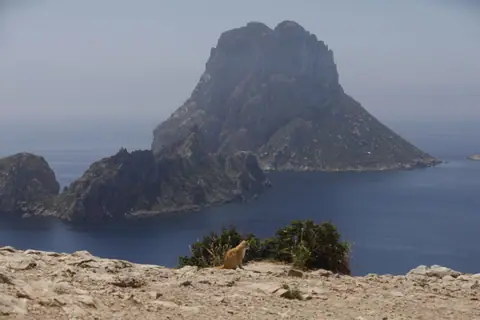
Sights, Landmarks & Parks
Key monuments, viewpoints, museums and nature trails.
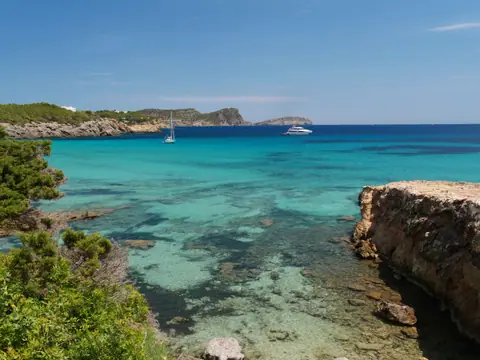
Neighbourhoods & Where to Stay
Districts, historic quarters and the best bases for your stay.
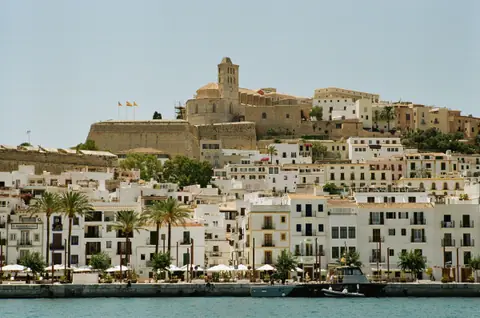

Getting Around & Arrival
Airport transfers, public transit, passes and driving rules.
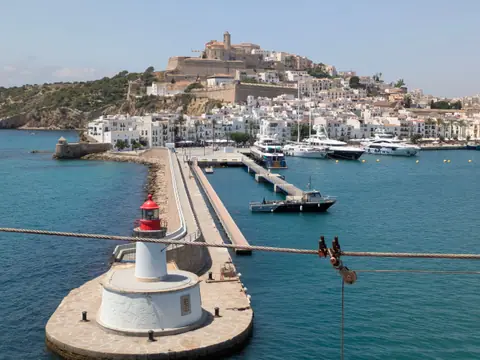
Trip Planning & Itineraries
When to visit, what to pack and day-by-day routes.
- Ibiza: What to Know Before You GoHow the island fits together, how long to stay and the local rules to know.
- Best Time to Visit IbizaJune and September for warm sea and space, winter for a slower island.
- What to Wear in IbizaLight clothes, grippy shoes and a cover-up for town.
- Ibiza Nightlife Guide: Clubs, Areas and Planning Your NightClub season, areas, tickets, getting home and the rules in Sant Antoni.
- Ibiza 5-Day ItineraryFive days grouped by area, with a day on Formentera.
Need your embassy or consulate in Spain? See embassies and consulates in Spain.
Reviews
Log in to write a review.
No reviews yet.