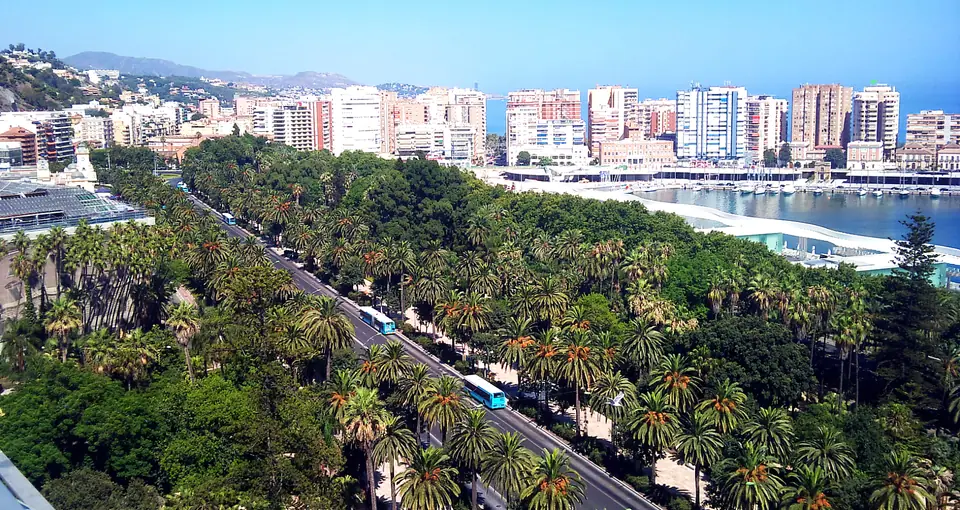
Photo: Frog17 · CC BY-SA 4.0
Best Time to Visit Málaga
Málaga offers mild winters and sunny summers, making spring and early autumn ideal for historic sightseeing and coastal exploring.
Deciding when to travel to Málaga depends on your preference for warm coastal sunshine or comfortable conditions for exploring historic urban streets.
Spring Warmth from April to June
Spring delivers pleasantly mild conditions across southern Spain. Official weather statistics record an average maximum temperature of 25º C between April and June. Overnight readings average around 14º C throughout this balanced season. Visitors can expect roughly 288 hours of sunshine across the spring quarter. These comfortable days precede the intense dry heat that settles over the coast in midsummer. Travellers can wander through open public squares without seeking urgent shade at noon. Mild evenings encourage relaxed dining outdoors along pedestrian avenues. Light garments suit daytime walking, though a light layer helps against cool sea breezes after dusk. Coastal routes and historic districts remain very pleasant to explore during these temperate months. Before finalising your travel dates, consult our comprehensive Málaga travel guide to plan your urban route.
Hot and Dry Summer Conditions
Summer along the southern coast spans July, August, and September. During this period, the normal daily high reaches 30º C. Night readings stay close to 20º C, ensuring warm evenings beside the Mediterranean. The season delivers 306 hours of sunshine across these three months. Across Spain, maximum temperatures occur during July and August. These two core months remain hot and dry throughout the whole country. Significant heat encourages visitors to adapt their daily schedules to cooler hours. Resting during peak afternoon hours or exploring air-conditioned cultural spaces offers welcome protection from bright sunlight. Waterfront promenades and urban beaches draw steady crowds seeking refreshing sea breezes. Carry water and wear appropriate sun protection while outdoors. Our practical advice on what to wear in Málaga helps you pack appropriately for coastal warmth.
Autumn Sunshine and Municipal Conferences
Autumn brings mild temperatures and calmer public streets as peak summer holiday crowds depart. Official statistics show an average maximum temperature of 21º C from October through December. Minimum temperatures record an average of 12º C across this period. Málaga benefits from approximately 182 hours of sunshine during these later months. October regularly provides comfortable warmth for open-air lunches and architectural walks. November introduces fresher air, though conditions remain considerably warmer than in northern Europe. The municipality regularly hosts notable professional gatherings during the autumn season. Conferences and cultural forums regularly take place inside the Auditorio de la Colección del Museo Ruso at the Tabacalera complex and at the Palacio de Ferias y Congresos de Málaga during October and November.
Mild Winter Weather from January to March
Winter in the south offers a bright retreat from cold northern climates. Official figures between January and March indicate an average maximum temperature of 18º C. Nighttime values average a minimum of 8º C. During this period, the city receives approximately 194 hours of seasonal sunshine. Spain is a sunny country with around 3,000 hours of sunshine every year. Nationally, the coldest temperatures occur during December, January, and February. Those three winter months bring the most rainfall, falling mainly across northern Spain. Málaga and the surrounding southern coastline enjoy comparatively mild and dry winter conditions. Clear winter days permit pleasant strolls through historic gardens, ancient monuments, and seaside districts. Quieter hotel availability in January and February makes midwinter well suited for unhurried museum visits and seaside walks.
Holy Week Processions and City Traditions
Holy Week in Málaga is a central event on the Andalusian cultural calendar. Easter week in Málaga takes place each spring between late March and April according to the liturgical calendar. These sacred celebrations are famous for their great processional thrones carried through central streets. Members of local religious brotherhoods wear typical robes during the formal processions. Brotherhood participants parade through the streets carrying large floats displaying revered statues, widely known as pasos. Moving public moments unfold across the historic centre throughout the week. A deeply emotional scene occurs on Good Friday in the Plaza de Arriola square. There, nuns of the convent of La Cruz sing directly to the Brotherhood of Los Dolores de San Juan. Large crowds gather in quiet reverence to hear this traditional hymn before the processional thrones continue their scheduled route.
Easter Wednesday Prisoner Release Custom
One distinct custom during Easter week in Málaga is the annual freeing of a prisoner. This tradition dates from the reign of Charles III. During that era, prisoners mutinied after an epidemic caused the suspension of Easter processions. The inmates broke out of prison solely to carry the statue of Jesús Nazareno through the city streets. Following their devotional march, the prisoners returned willingly to custody. King Charles III learned of the event and granted the religious image the formal privilege of freeing a prisoner annually. The sacred figure has since been known as Jesús el Rico. The prisoner amnesty procession takes place on Easter Wednesday close to Plaza de la Aduana square. Kneeling before the statue, the pardoned individual receives a solemn blessing from Jesús el Rico, whose image features an articulated arm.
Official Public Holidays and Annual Celebrations
Public holidays can alter commercial opening hours and transit timetables throughout the year. Any time of year is a good time to visit Spain because cultural and sporting activities take place constantly. The winter calendar starts with New Year's Day on January 1st, followed by the Epiphany of the Lord on January 6th. Regional pride marks Andalusia Day on February 28th. Workers observe Labor Day nationwide on May 1st. In summer, the Feast of the Assumption of the Virgin occurs on August 15th. The municipality observes the incorporation of Málaga to the Crown of Castile as a local holiday on August 19th. Another local holiday honouring the Day of Our Lady of Victory falls on September 8th. National Day, called Día de la Hispanidad, takes place across the country on October 12th.
Airport Transit Hubs and Inland Countryside Excursions
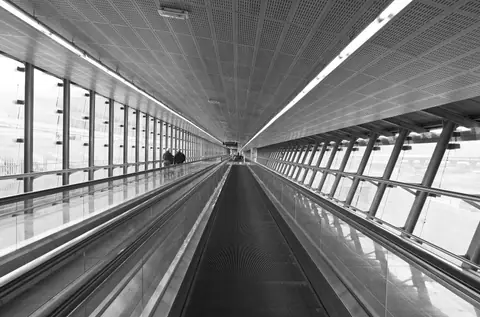
Málaga provides comprehensive transport services for arriving passengers. Málaga-Costa del Sol Airport operates year-round with varied international and regional connections. A new air route between Malaga and Riyadh, Saudi Arabia, operates three times a week on Tuesdays, Thursdays, and Saturdays. For local rail journeys, the C1 train line connects Málaga Centro Alameda directly to Fuengirola. City, intercity, and long-distance bus lines connect directly at terminal areas. Passengers collecting luggage checked outside the European Union must proceed to carousels 31 through 34. Airport authorities advise travellers going through passport control to head to their boarding area as soon as screens display gates. The passenger terminal offers two bicycle assembly and disassembly stations on floors 0 and 1. Three business work areas operate in passenger-only zones on floors 0 and 1. Three interactive video game screens for kids stand on floor 1 near pier C and on floor 2. Beyond the coast, the Caminito del Rey is located in the Desfiladero de los Gaitanes Natural Park. This natural park lies in the centre of the province of Málaga, less than 60 km from the capital. The area is bordered to the north by the Serranía de Ronda and the Llanos de Antequera. To the south, it borders the Guadalhorce Valley and the historic region of Campo de Cámara.
Where it is
- 1Málaga
- Málaga-Costa del Sol Airport (AGP) · about 9 km from Málaga in a straight line
- Directions in Google Maps
Stations and taxi ranks: OpenStreetMap. Airports: OurAirports. Distances are in a straight line.
Traveller tips
Real advice from people who have been to Málaga. Every tip is read by our team before it goes live.
No tips yet. Been here? Yours could be the first.
Thank you! Your tip will appear here after a quick review.
More in Málaga
Continue exploring Málaga with related neighbourhood, food, and planning guides