Photo: Benjamin Smith · CC BY-SA 4.0
Málaga: What to Know Before You Go
Our Málaga travel guide explains public transport, airport bus connections, travel distances, and entry practicalities.
This practical Málaga travel guide details essential transit regulations, ticketing options, border requirements, and regional transport links across southern Spain.
Entry Requirements and Preparations for Spain
Organising necessary documentation prior to setting off ensures a calm arrival in southern Spain. Securing adequate cover protects travellers against unexpected disruptions. Your policy must cover the full itinerary, planned activities, and unforeseen medical emergencies.
Scrutinising policy terms in advance helps avoid surprise hospital costs or problems with delayed personal items. We advise saving digital duplicates of insurance paperwork on mobile devices for prompt access during travel.
Overland routes into Spain call for monitoring cross-border rules carefully. If your route passes through France, examine official French travel advice prior to departing. In the same way, consult Gibraltar guidance if entering via that border.
Border controls and passage policies can alter without advance notice along international road frontiers. Checking verified travel advisories before starting your drive prevents needless hold-ups at road checkpoints.
Tax exemptions offer notable savings for holidaymakers who reside outside the common trading bloc. Non-EU residents can claim tax-free shopping on goods bought in Spain. Collect stamped tax forms from shops to present to customs officers before flying home.
For inquiries regarding street plans, cycle lanes, or local parking zones, consult the municipal authorities. The municipal Mobility Area operates from Calle Concejal Muñoz Cerván 3, located in the Tabacalera Building.
This civic department oversees cycling infrastructure, pedestrian zones, and public transit administration across the metropolitan area.
Urban Layout and Central Transport Terminals
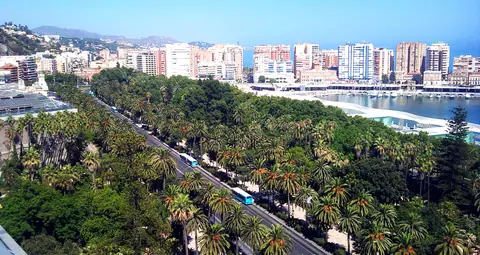
Málaga spreads between the sea and steep hills, creating uncomplicated transit corridors between passenger gateways and inner neighbourhoods.
Arriving by air brings holidaymakers exceptionally close to the centre. The runway at Málaga Costa del Sol Airport sits 8 kilometres away from the city centre. This compact geographic layout keeps journey times between runway gates and holiday accommodations brief.
Local trains, private cars, and suburban bus lines travel along this shoreline corridor regularly. Arriving passengers reach central boulevards very quickly after collecting baggage from arrival carousels.
Long-distance rail services run through the principal railway hub. María Zambrano station sits 2 kilometres from the harbour and 7 kilometres from terminal runways. Because the central passenger rail terminal occupies this accessible position, reaching nearby quarters on foot or by bus takes minimal effort.
When deciding which neighbourhood best fits your plans, consult our detailed resource on Where to Stay in Málaga: Best Areas.
Modern rail lines link the Mediterranean coast directly with major Andalusian provincial hubs. Fast rail lines linking Málaga to Seville continue running as normal. Booking passenger seats ahead of departure is prudent during major festive breaks and summer periods.
Direct trains run efficiently through interior valleys, connecting the coast with inland heritage cities. Passengers heading north towards the capital must monitor regional railway notices carefully.
Public Transport Systems and Ticketing Rules
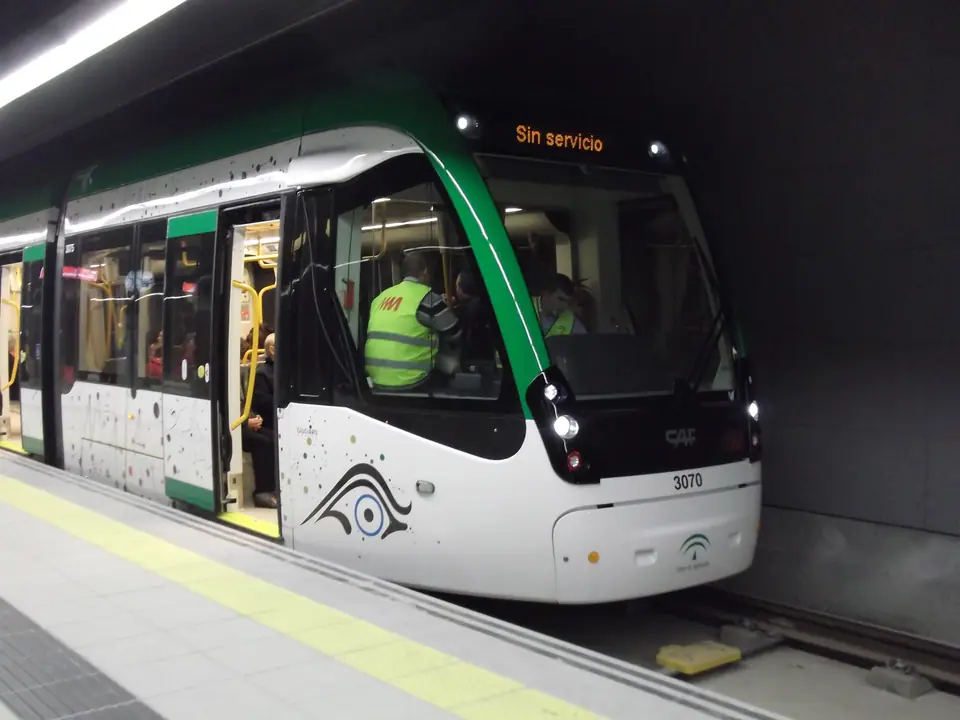
Travelling around urban Málaga relies on a combined network consisting of buses and modern underground tracks. Regional transport options feature the underground network known as Metro de Málaga.
Subterranean transit routes connect outer residential districts directly with primary commercial streets and train stations. Commuters avoid crowded surface intersections by riding these fast, air-conditioned carriages.
The underground rail network operates cleanly and responsibly. The metro network has maintained a zero-carbon operating record since 2019, making it an eco-friendly transport option for touring the city.
Urban and metropolitan buses deliver comprehensive access to every neighbourhood. Occasional bus passengers must buy single tickets with cash on board, which do not permit journey transfers.
Carry small coins ready when purchasing single bus rides from the driver.
Travellers moving across the city frequently benefit from using a rechargeable card. Frequent passengers can load funds onto a rechargeable wallet card that allows unlimited rides within their balance.
Regional collaboration simplifies multi-city itineraries across Andalusia. A unified system created in 2006 allows any Andalusian consortium card to work across regional transport zones.
Thanks to this shared system, a single wallet card bought in one province works on metropolitan transit across neighbouring territories without purchasing fresh cards.
Digital ticketing caters to passengers who prefer cashless payments on the move. Android smartphone owners can use a virtual wallet on the Consorcio Málaga app to pay for suburban journeys.
Concessions assist young people and larger households. Children under 15 travel free on the public transport network. Young regional travellers can also apply for the Andalusian Youth Transport Card.
Discount passes for large families were introduced in 2012. Sightseers visiting cultural sights can purchase a dedicated city tourism pass. Sightseers can buy the Málaga Pass for spans of 24, 48, 72 hours, or seven days. Combine your ticket with our guide covering the Best Things to Do in Málaga.
Airport Coach Routes and Express Transfers
Direct bus routes connect airport terminal bays with city boulevards and nearby seaside resorts. Express buses into central Málaga carry personal baggage at no extra fee.
Stowing your larger suitcases in the roomy undercarriage bays ensures a relaxed ride without incurring unexpected excess baggage surcharges.
Paying for airport bus journeys is straightforward for arriving passengers. On-board bus fares can be settled using cash, VISA, or Mastercard cards. You do not need to seek out an automated bank machine before joining the bus queue.
Adjacent residential communities and transport terminals link smoothly to airport platforms. A fresh bus route now runs directly between the airport and Alhaurín de la Torre. Suburban line M-135 links Santa Amalia, Málaga, and Alhaurín de la Torre through the airport cargo building.
Intercity motor coaches shuttle arriving visitors straight towards famous Costa del Sol resorts. Direct Avanzabús coaches run from terminal bays straight to Marbella bus station. Avanzabús also operates regular road links from the airport to Estepona.
These scheduled highway services spare passengers the difficulty of hauling bulky suitcases through central railway stations.
Continuing further west along the shoreline, coach lines head towards the Atlantic coast. Travellers can take Avanzabús directly towards Algeciras and La Línea de la Concepción.
Eastern coastal settlements and inland provincial centres maintain dependable airport connections. Alsa buses connect passengers directly from the airport terminal to Nerja. Alsa additionally provides departures from the airport to Granada, Seville, and Motril.
International coach services provide straightforward highway journeys westward into Portugal. A daily Flixbus route connects the airport to Lisbon, Évora, and Córdoba. Travellers can also take FlixBus route N1796 between Málaga and Lagos for overland access to southern Portugal.
Distances and Planning Regional Day Trips
Málaga serves as the primary transport gateway for southern Spain, making it a convenient launchpad for exploring Andalusia.
Familiar seaside towns along the western shoreline lie remarkably close. The coastal resort of Torremolinos lies 20 kilometres away. Further along the coastline, Fuengirola stands at a distance of 35 kilometres.
Both resort centres provide sandy beaches and seaside walkways reachable within short travel times via coastal suburban trains or local coaches.
Continuing along the coastal motorway brings you to celebrated holiday destinations. Driving southwest leads to Marbella, located 60 kilometres from the city. Continuing past Marbella brings you to Estepona at a distance of 90 kilometres.
These seaside destinations offer pleasant marina complexes, waterside trails, and traditional Andalusian streets that work well for afternoon excursions.
Celebrated inland historic centres are equally straightforward to visit on day trips. Heading into the mountains brings you to Granada, situated 130 kilometres away. Driving inland towards Seville covers a distance of 200 kilometres.
Visiting these inland provincial capitals displays dramatic Moorish architecture, expansive public squares, and historic stone districts.
Travellers journeying westward towards the open ocean will encounter historic ports. Journeying to the historic Atlantic port of Cádiz requires a drive of 230 kilometres. Long-distance buses, high-speed rail lines, and regional routes allow passengers to navigate easily from Málaga across Andalusia.
Where it is
- 1Málaga
- Málaga-Costa del Sol Airport (AGP) · about 9 km from Málaga in a straight line
- Directions in Google Maps
Stations and taxi ranks: OpenStreetMap. Airports: OurAirports. Distances are in a straight line.
Traveller tips
Real advice from people who have been to Málaga. Every tip is read by our team before it goes live.
No tips yet. Been here? Yours could be the first.
Thank you! Your tip will appear here after a quick review.
More in Málaga
Continue exploring Málaga with related neighbourhood, food, and planning guides