Photo: Bert Kaufmann from Roermond, Netherlands · CC BY 2.0
How to Get to Málaga
You can reach Málaga smoothly by flying into the international airport, catching high-speed trains to María Zambrano, or arriving by sea.
You can reach Málaga directly by air through Málaga-Costa del Sol Airport, by high-speed rail into María Zambrano station, or by sea via the port.
Flight Connections into the International Airport
National tourism records recognise Málaga-Costa del Sol Airport as a primary air gateway for visitors heading to Spain. Passengers landing here gain swift access to Andalusia and Mediterranean coastal resorts.
Domestic flights crossing the Spanish mainland take less than two hours, excluding services to the Canary Islands. Reliable links join southern Spain to important domestic regions quickly. International routes carry travellers from across Europe, North Africa, and the Middle East. For example, Riyadh Air operates a route connecting Málaga with Riyadh, offering three flights a week on Tuesdays, Thursdays, and Saturdays.
Arriving passengers find practical facilities inside the terminal complex. The airport provides a left-luggage service where visitors can drop heavy bags. Leaving heavy suitcases behind lets you explore central quarters before moving into your hotel room. When mapping urban districts, consult our guide on where to stay in Málaga to pick your neighbourhood base. Check the official site of the airport or airline to confirm operating terminals before flying.
The terminal layout handles large passenger volumes across scheduled and charter operations throughout the year. Modern halls streamline border checks, baggage retrieval belts, and onward transport links for holidaymakers.
Airlines operate steady schedules serving tourists and business professionals heading across the province. Clear signs guide passengers towards ground transit.
Connecting from the Terminal into Central Streets
The core of Málaga lies just 8 kilometres from the airport grounds. Because this transfer distance is short, travellers enjoy several convenient ground transport choices right outside arrivals.
The C1 Cercanías train line connects the airport platforms directly to urban stops, ending at Málaga Centro Alameda. Taking this suburban railway avoids motorway queues during morning or evening peak periods. An express bus service runs between the airport and the city centre as a dependable alternative. Passengers can board city, intercity, or long-distance buses departing from signposted terminal bays.
Drivers and private transfer vehicles use modern road infrastructure. Motorists reach the airport through several highway routes. Drivers can take the MA-20 ring road, which joins the MA-23, or proceed along the MA-21. Visitors can use Google Maps to navigate towards the terminals by car without confusion. Taxis offer useful transport for people carrying substantial holiday baggage. Travellers can step directly into waiting cars at taxi ranks outside arrivals. Licensed drivers collect passengers from marked pavement ranks day and night.
Clear directional signage guides arriving passengers straight from luggage reclaim belts toward bus platforms, rail escalators, and taxi ranks.
Using the C1 Cercanías Commuter Rail Line
Suburban trains provide steady coastal transport between the terminal, central Málaga, and western seaside resorts. Renfe operates this network under its Cercanías branding.
The C1 line connects Málaga Centro Alameda to Fuengirola across a sequence of coastal and residential stations. Key stops along the railway connect the airport with some of the main places on the Costa del Sol. These stops include Fuengirola, Benalmádena, Torremolinos, and Malaga city centre. Trains run frequently, making this railway dependable for budget travellers and independent explorers alike.
Ticketing is simple and avoids queues at platform machines. Passengers can pay directly at turnstiles for a single journey using the contactless Cronos system. Simply tap your bank card or your mobile phone with Cronos at entry and exit barriers. This payment feature eliminates the chore of purchasing paper tickets. Check the official Renfe portal before travel to verify current departure times.
The rail platforms feature direct lift access and ramps to assist travellers carrying heavy suitcases across station levels.
High-Speed Rail at Malaga-María Zambrano Station
Rail passengers travelling from distant Spanish cities arrive at the primary provincial rail hub. The station operates under the name Malaga-María Zambrano railway station.
The physical address of the rail terminal is Explanada de la Estación, s/n. For inquiries regarding facilities or timetables, travellers can consult station information desks or the official operator website directly. Across the country, fast AVE trains connect destinations such as Barcelona, Seville, and Valencia with Madrid in three hours, or less. These links connect smoothly with southern routes. Regular passenger trains still operate on the high-speed line between Málaga and Seville, maintaining fast transit between these key Andalusian centres.
The station provides helpful passenger facilities for incoming travellers. Much like the provincial airport, this high-speed railway terminal features a left-luggage service. You can leave your luggage safely within the station hall and tour historic avenues freely. Review official rail operator pages before your departure to inspect platform numbers and seat assignments.
Spacious concourses inside the railway complex host newsagents, travel shops, and information counters for arriving visitors.
Regional Rail and Long-Distance Coach Networks
Regional motor coaches and rural trains provide practical travel options extending far beyond city boundaries. These land connections depart regularly from municipal coach bays and airport bus stops.
Coach operators run multiple scheduled departures straight from the airport complex. Direct intercity coaches connect travellers with coastal towns such as Marbella, Estepona, and Nerja. These direct coach options spare travellers the inconvenience of transferring through central bus terminals. They offer immediate access to seaside resorts across the southern coast. Inside airport grounds, travellers find city, intercity, and long-distance transport stopping at assigned terminal zones.
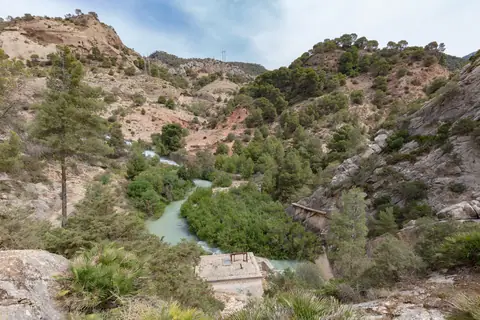
Regional trains serve outdoor enthusiasts heading towards dramatic provincial geography. Renfe provides near-distance rail links connecting Málaga with El Chorro and the Caminito del Rey trail. This rail option simplifies travel to the famous gorge paths. To organise your days across the province, browse our Málaga in 3 days itinerary. Consult the official train operator website to inspect ticket reservations and seasonal timetables.
Using regional coaches and trains allows visitors to tour diverse mountain valleys and coastline settlements across southern Spain without renting cars.
Maritime Arrivals at Malaga Port
Travellers entering southern Spain by sea step into a historic natural harbour. Spanish authorities identify Malaga Port as a key maritime entry point for international travel.
The harbour accommodates commercial passenger ferries, container vessels, and international cruise liners. The administrative office of the port authority is at Muelle de Cánovas s/n, 29001 Málaga. For maritime inquiries or official business, the telephone number for the port is 952 125 000.
The harbour zone rests on coastal territory shaped by centuries of naval passage. In the 1st century BC, Estrabon noted a Phoenician town below the hill where the Alcazaba fortress stands today. Visigoth monarch Leovigildo captured the city in 571. In 711, an Islamic force led by Tarik crossed the Gibraltar straits with almost 10,000 men. That year, Moslem forces captured the settlement, beginning an eight-century period of Islamic rule. Cruise berths position disembarking guests within convenient strolling distance of the historic quarter.
Road Networks and Motorway Routes
Driving into the provincial capital gives travellers flexibility when exploring surrounding Andalusian landscapes. Across the country, motorists have access to around 17,000 kilometres of fast roads linking interior regions with the Mediterranean coast.
Motorways around the metropolitan perimeter feed smoothly into central avenues and urban bypass lanes. The MA-20 ring road channels regional vehicular flow around the city. It connects at its southern terminus with the MA-23, supported by nearby access roads like the MA-21. Navigating these regional roads is straightforward. Travellers can use Google Maps to arrive at the airport by car or locate urban car parks and railway depots.
Visitors travelling towards civic administrative offices will reach central facilities without complication. The address of the Málaga City Council is Avenida Cervantes, 4, 29016 Málaga. Review municipal parking rules and regional traffic guidance online before taking private vehicles into historic pedestrian sectors.
Direct road corridors connect urban Málaga quickly to nearby seaside towns and regional provincial routes across southern Spain.
Where it is
- 1Málaga
- Málaga-Costa del Sol Airport (AGP) · about 9 km from Málaga in a straight line
- Directions in Google Maps
Stations and taxi ranks: OpenStreetMap. Airports: OurAirports. Distances are in a straight line.
Traveller tips
Real advice from people who have been to Málaga. Every tip is read by our team before it goes live.
No tips yet. Been here? Yours could be the first.
Thank you! Your tip will appear here after a quick review.
More in Málaga
Continue exploring Málaga with related neighbourhood, food, and planning guides