Photo: Benjamin Smith · CC BY-SA 4.0
Best Things to Do in Málaga
Málaga combines historic hilltop monuments, modern art collections, scenic coastal promenades, and convenient regional transport connections.
Málaga delivers ancient hilltop fortresses, celebrated modern art venues, guided cathedral rooftop walks, and kilometres of scenic Mediterranean shorelines.
Exploring Ancient Fortresses and Classical Ruins
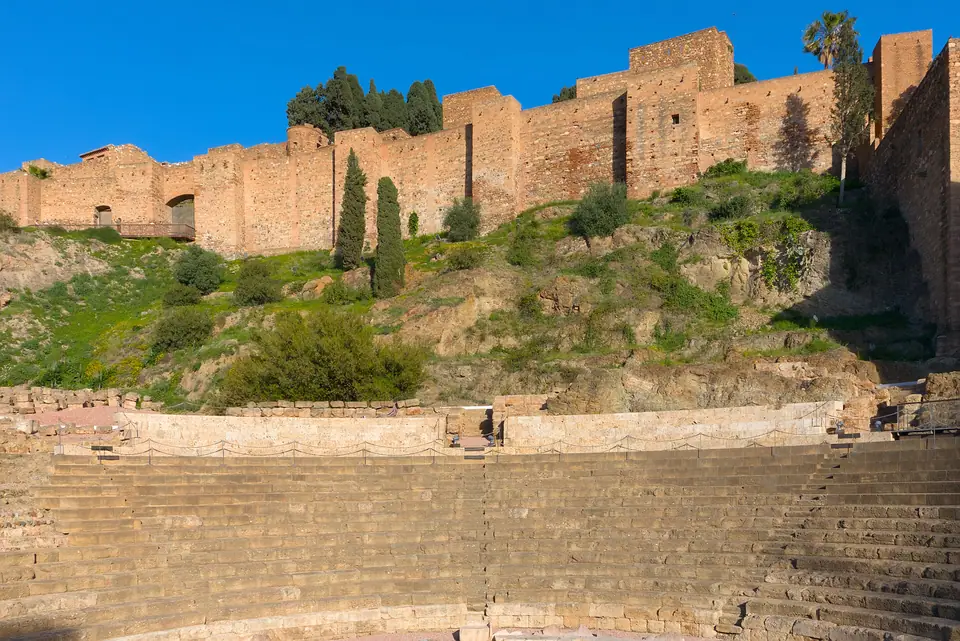
Málaga possesses a rich military past shaped by diverse rulers over millennia. In the 1st century B.C., the geographer Estrabon described a Phoenician settlement at the foot of the hill where the Alcazaba fortress rests today. Classical builders expanded the town, leaving behind the Roman Theatre and significant archaeological structures. Under imperial governance, the municipality functioned as an autonomous confederate city regulated by the statute called Lex Flavia Malacitana.
Substantial decline impacted the settlement following the collapse of western Roman authority. The Visigoth monarch Leovigildo seized the city in 571. Early in the eighth century, Muslim armies arrived across the Mediterranean. Tarik led almost 10,000 soldiers across the Gibraltar straits in 711 to start conquering the peninsula. By the conclusion of the 13th century, Málaga fell under the rule of the Nazari kingdom of Granada.
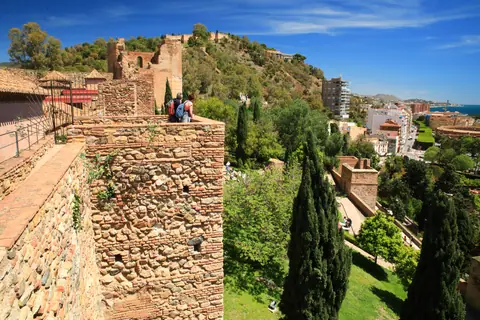
Travellers can inspect these varied centuries of defensive construction across the central elevated slopes. The entrance for these historic fortifications is found at Calle Alcazabilla, 2, within postcode 29012. You can consult our practical Alcazaba and Gibralfaro Castle Guide to organise an itinerary around these walls. The preserved redoubts illustrate how different garrisons adapted stone ramparts to steep topography.
Elevated ramparts grant wide panoramas over the bay and commercial docks. Seafaring Phoenicians originally selected this coastal crag to control approaching marine vessels. Roman engineers subsequently built communal facilities beneath the ridge, using regional stone for theatre tiers. Islamic commanders expanded the stronghold with double curtain barriers and defensive towers.
Walking along these terraces demonstrates how defensive architecture altered across distinct eras. The steep climb rewards visitors with direct physical contact with surviving ancient masonry.

Touring Málaga Cathedral and Its Elevated Roofs
Málaga Cathedral serves as the architectural centrepiece of the historic district. Visitors touring the monument can select an audio guide device for independent sightseeing. Standard guided excursions are available inside the cathedral for those who want structured narrative context. Enthusiasts can also reserve a designated guided inspection of the cathedral organ.
Ascending above the vaulted ceilings provides one of the most distinctive experiences in the city. Guided tours of the cathedral roofs operate every single day. Walking these stone pathways reveals original engineering solutions and offers unrestricted vistas over downtown avenues and the maritime docks. Check the official site to confirm available tour departures.
The religious complex stands near busy plazas and pedestrian lanes. Inspecting both the ground floor chapels and upper walkways provides an expansive view of ecclesiastical craftsmanship. Personal audio headsets allow sightseers to absorb historical commentary at an unhurried rhythm before climbing the stone stairs.
The high rooftop passage permits travellers to examine external buttresses, brick cupolas, and carved stone cornices up close. Knowledgeable guides explain how master masons changed decorative schemes during protracted construction campaigns across early modern decades.
We recommend reserving rooftop access in advance to guarantee an entry slot. The outdoor walkways require comfortable footwear and steady footing along stone surfaces.
Visiting Major Art Galleries and Modern Collections
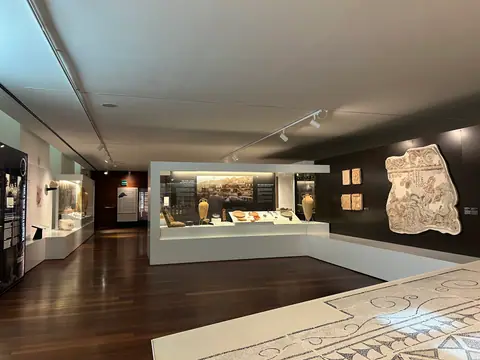
Málaga operates as a major cultural capital containing diverse visual art spaces across its centre. The Museo Carmen Thyssen welcomes guests at Plaza Carmen Thyssen, specifically Calle Compañia 10, in postcode 29008. The galleries house celebrated displays of regional Spanish artistic movements within an elegantly restored historical palace.
Contemporary creations take over along the waterfront docks. The Centre Pompidou Málaga occupies the striking El Cubo structure between piers 1 and 2 of the port. The venue provides a complimentary audio tour recorded in English, Spanish, French, German, Italian, and Russian. To learn about additional local galleries, review our Málaga Museums Guide: Picasso and Beyond.
Plan your schedule carefully, because Centre Pompidou Málaga closes on all Tuesdays, 25 December, and 1 January. Ticket holders can enter the galleries until 30 minutes before closing time. Inside El Cubo, visitors find barrier-free circulation assisted by ramps, lifts, adapted bathrooms, and a cloakroom.
Security staff enforce clear behavioural standards across the modern display rooms. In line with Law 28/2005, smoking is strictly forbidden anywhere inside the building. Animals cannot enter the property, though exceptions apply for registered assistance dogs. Staff bar admittance to anyone wearing bathing suits or going shirtless.
Patrons must not carry food or drinks into the exhibition halls. The museum also prohibits pointed items, including umbrellas, that could scratch or puncture exposed artwork. Checking coats and large accessories into the cloakroom ensures an effortless visit.
Strolling Along the Coastline and City Waterfront
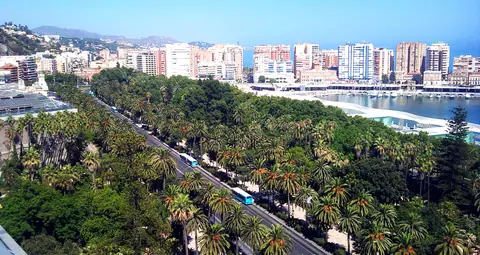
Málaga features a total of 14 kilometres of coastline connected through broad seaside avenues. These coastal corridors supply continuous pavement for walking, running, and dining on traditional seafood specialities. The surrounding Costa del Sol borders the Mediterranean Sea across more than 150 kilometres of shoreline. Water quality remains exceptional, as Andalusian ports and beaches earned 156 blue flags this year.
Municipal authorities run the official bathing season from 15 June until 15 September annually. Seaside visitors must stay alert to intense sunlight while exploring outside. Overexposure to strong sun poses a genuine danger to healthy skin. Travellers accompanied by pets may bring their dogs to the dedicated canine beach section.
Right beside the coastal walking paths, the Muelle Uno leisure complex maintains a car park open 24 hours a day. The boardwalk connects smoothly with the commercial harbour, public parks, and sandy shores. Travellers can enjoy relaxing evening strolls from inner urban beaches to commercial piers without stepping off pedestrian avenues.
Local beach kiosks serve classic regional fare within steps of the surf. The gentle topography makes seaside routes welcoming for visitors of all fitness levels. Taking a morning run along the shore gives a refreshing start before afternoon museum trips.
Saving on Sightseeing with Combined Cultural Passes
Travellers organising an intensive cultural schedule can limit individual ticket expenditures by picking combined municipal sightseeing vouchers. The Art Xperience pass covers three prime venues: the Picasso Birthplace Museum, Centre Pompidou Málaga, and the Russian Museum Collection. This package allows art lovers to discover three significant cultural institutions across different neighbourhoods using one unified voucher.
For broader sightseeing across municipal landmarks, consider purchasing the official Málaga Pass. Buyers can select validity windows lasting 24, 48, or 72 hours, or an entire week. The card grants complimentary entry to numerous monuments and galleries while securing price reductions at affiliated commercial venues. Buying this card helps visitors arrange daily sightseeing without purchasing separate entries at each doorway.
Multi-attraction passes encourage travellers to combine historic centre tours with visits to waterside exhibition buildings. Pre-booked vouchers also decrease time spent queuing at individual ticket counters. We suggest checking the official site for current card collection spots near principal transit terminals.
Organising your schedule around these combined passes creates an orderly approach to cultural sightseeing. You can explore grand palaces in the morning before viewing modern coastal galleries in the afternoon.
Navigating Local Transport and Planning Regional Excursions
Málaga functions as the primary transport junction for southern Spain. Málaga Costa del Sol Airport lies 8 kilometres away from the city centre. Travellers arriving by train reach María Zambrano terminal, situated 2 kilometres from harbour docks and 7 kilometres from airport runways. Two rapid Metro lines run from the core toward western suburbs and the university district.
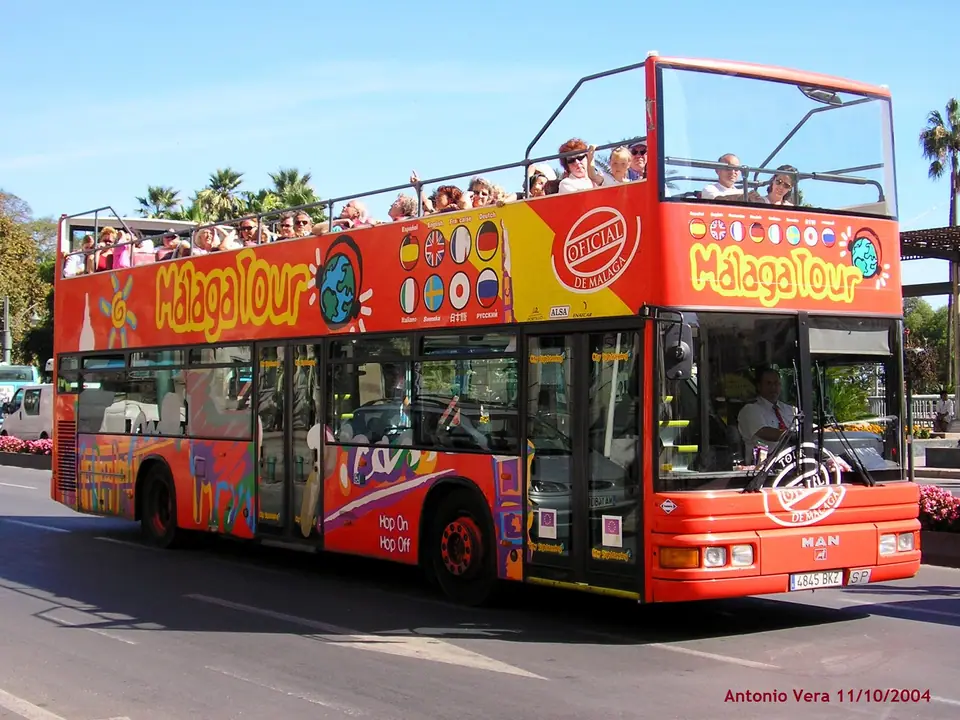
Urban buses link portside venues directly with surrounding commercial districts. Municipal bus routes 1, 3, 4, 11, 14, 19, and 25 run along central corridors toward harbour facilities. Further local connections include services 32, 33, 34, 35, 36, 37, and 40. Sightseers can board line 92 for tourism routes, line A for airport transfers, or circular services C1 and C2 for portside stops near El Cubo.
Málaga also serves as a practical base for taking day excursions across Andalusia. Torremolinos rests at a distance of 20km from Málaga. Coastal Fuengirola sits 35km away along the southwestern shoreline. Resort amenities in Marbella lie 60km to the west along coastal highways. Travellers seeking inland cultural capitals can reach Granada at 130km or journey 200km to Seville across open countryside.
Efficient road and rail infrastructure makes moving between urban sights and neighbouring towns straightforward. Travellers can combine local museum visits with regional exploration across southern Spain.
Where it is
- 1Málaga
- Málaga-Costa del Sol Airport (AGP) · about 9 km from Málaga in a straight line
- Directions in Google Maps
Stations and taxi ranks: OpenStreetMap. Airports: OurAirports. Distances are in a straight line.
Traveller tips
Real advice from people who have been to Málaga. Every tip is read by our team before it goes live.
No tips yet. Been here? Yours could be the first.
Thank you! Your tip will appear here after a quick review.
More in Málaga
Continue exploring Málaga with related neighbourhood, food, and planning guides