Moroni
Whitewashed coral-stone mosques on the black basalt waterfront, carved Swahili doors in the Badjanani Medina, ylang-ylang and vanilla markets, and the shield volcano of Mount Karthala.
Quick decisions
How many days?
3 days: Badjanani Medina, the Old Friday Mosque and Volo Volo Market on day one, Mount Karthala volcano slopes and the Iconi cliffs on day two, and the northern beaches of Mitsamiouli, Lac Salé and Chomoni on day three. Follow our three-day route.
Where should I stay?
Itsandra & Northern Corniche: seafront hotels on volcanic coves just north of town. Central Moroni (Port & Oasis): walkable access to the medina and museum. Compare areas in where to stay in Moroni.
Do I need a car?
A hired car with a local driver for island circuits. Central Moroni's medina and harbour are walkable, while a driver is the easiest way to circle Grande Comore to Chomoni Beach and Lac Salé.
Best for
Swahili-Arab heritage: 15th-century waterfront mosques and coral-stone alleys. Volcano trekkers: climbing the 2,361-metre caldera of Mount Karthala. Perfume and spice lovers: ylang-ylang, cloves and vanilla.
Before you go
Euro-pegged Comorian franc and cash preparation: international ATMs in Moroni can go offline, so bring euro banknotes to exchange, and always hire a certified guide for Mount Karthala. Read our practical briefing.
Getting around
From Prince Said Ibrahim International Airport (HAH): located 20 kilometres north of Moroni near Hahaya, linked by hotel transfers and shared taxis. Details in arrival and transport.
Continue your trip
Inter-island flights and passenger boats connect Grande Comore (Ngazidja) with the marine park and Livingstone's fruit bats of Mohéli (Mwali) and the clove-scented citadel island of Anjouan (Ndzuwani).
Overview
Built on dark volcanic basalt where the western slopes of Mount Karthala meet the Mozambique Channel, Moroni is the laid-back, perfume-scented capital of the Union of the Comoros on the island of Grande Comore (Ngazidja). Rather than modern glass towers, its skyline is defined by the whitewashed coral walls of the Ancienne Mosquée du Vendredi (Old Friday Mosque) jutting out over a rocky tidal harbour where wooden outrigger canoes (galawas) bob on clear Indian Ocean swells.
Behind the waterfront, the labyrinthine Badjanani Medina and Volo Volo Market preserve centuries of Swahili, Shirazi and Hadrami trading heritage, while a single coastal ring road connects the capital to Mount Karthala's cloud forests and the white coral sands of Chomoni Beach and Lac Salé.
Getting there
Prince Said Ibrahim International Airport (HAH) sits 20 kilometres north of Moroni at Hahaya, receiving direct flights from Addis Ababa, Nairobi, Dar es Salaam, Antananarivo, Réunion and Mayotte. Shared taxis and pre-booked hotel drivers follow the coastal road past black lava headlands into central Moroni in thirty to forty minutes. See getting to Moroni and around Grande Comore.
Where to stay
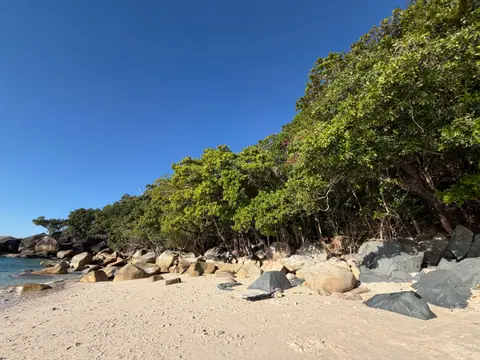
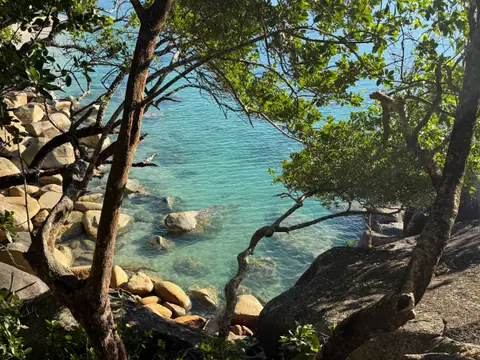
Because Grande Comore's coastline right in front of central Moroni is made of dramatic black basalt rock rather than sand, many visitors choose to stay five to ten minutes north along the corniche around Itsandra, where small sandy coves and seafront terraces face the sunset. Compare options in where to stay in Moroni.
Things to do
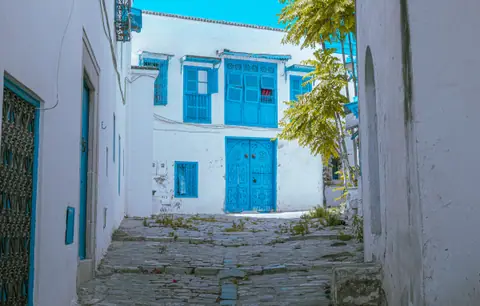
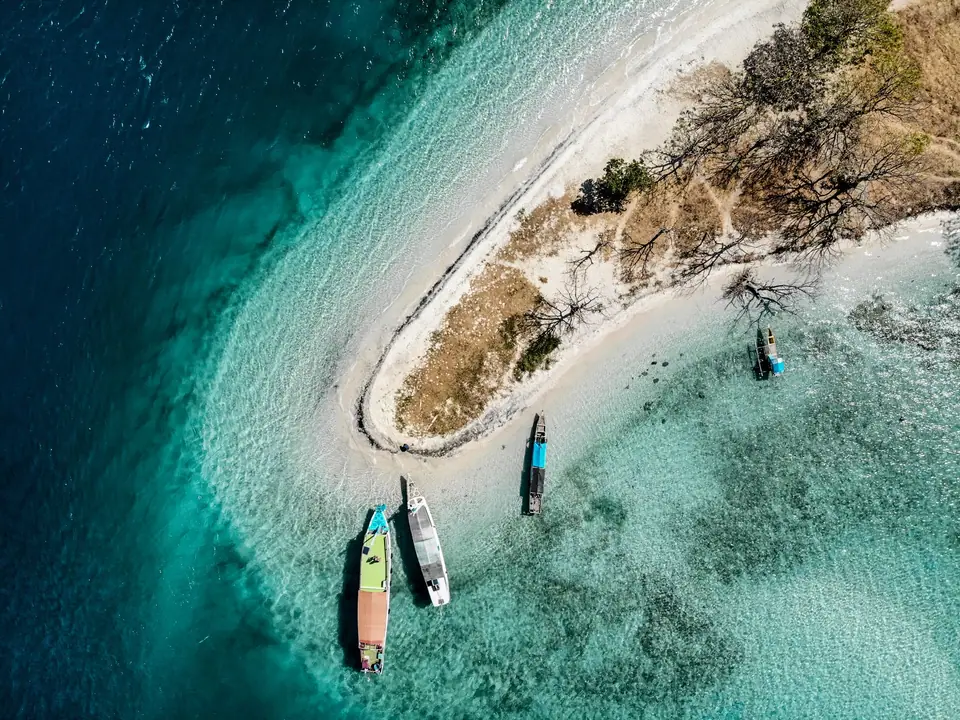
Get lost in the coral-rag lanes and carved wooden doorways of Badjanani Medina, the Old Friday Mosque and Volo Volo Market, examine the living fossil coelacanth at the National Museum, hike into the cloud forest of Mount Karthala and the historic sultanate cliffs of Iconi, and swim at Mitsamiouli, Lac Salé and Chomoni Beach. Browse our top ten in things to do in Moroni.
Food and drink
Comorian cuisine brings together Indian Ocean lobster and reef fish, French culinary technique and the islands' own harvest of vanilla, cloves, nutmeg and cardamom: langouste à la vanille (spiny lobster poached in a fragrant Bourbon vanilla cream sauce), madaba (pounded cassava leaves simmered in coconut milk), grilled tuna skewers and green breadfruit over coals, all covered in our beaches and food guide.
Culture
In the Comorian language (Shikomori, a close relative of Swahili), Moroni means In the Heart of the Fire, a reference to the active caldera of Mount Karthala rising directly above the town. Known across the Indian Ocean as the Perfume Islands for their distillation of ylang-ylang flower oil used in classic French perfumery, Grande Comore is also famous for the Anda (Grand Mariage), a week-long traditional wedding celebration of silk robes, processions and music mainly held during the dry winter months.
Weather by month
Moroni is warmest in March, with average highs around 31°C, and coldest in August, when nights drop to about 20°C. January is the wettest month, with rain on about 18 days.
| Month | Low | Range | High | Rain | Rainy days |
|---|---|---|---|---|---|
| Jan | 24°C | 31°C | 345 mm | 18 d | |
| Feb | 24°C | 31°C | 310 mm | 16 d | |
| Mar | 24°C | 31°C | 295 mm | 17 d | |
| Apr | 24°C | 31°C | 260 mm | 15 d | |
| May | 22°C | 30°C | 175 mm | 10 d | |
| Jun | 21°C | 29°C | 130 mm | 8 d | |
| Jul | 20°C | 28°C | 120 mm | 8 d | |
| Aug | 20°C | 28°C | 95 mm | 7 d | |
| Sep | 20°C | 29°C | 75 mm | 6 d | |
| Oct | 22°C | 30°C | 95 mm | 8 d | |
| Nov | 23°C | 31°C | 140 mm | 10 d | |
| Dec | 24°C | 31°C | 250 mm | 15 d |
Averages of daily values from 2015 to 2024. Rainy days are days with at least 1 mm of rain. Source: Open-Meteo · Compare destinations by month.
Moroni on the map
Every place we cover in Moroni. Tap a category or pin to explore.
In-depth Moroni guides
Browse the guides grouped by topic: sights, neighbourhoods, food, transport, day trips and trip planning.
Sights, Landmarks & Parks
Key monuments, viewpoints, museums and nature trails.
- Best Things to Do in MoroniSwahili coral-stone medinas, living-fossil coelacanth exhibits, active volcano calderas and turquoise coves.
- Badjanani Medina, the Old Friday Mosque and Volo Volo MarketExploring the 15th-century waterfront Friday Mosque, the coral-stone Badjanani Medina and Volo Volo spice market.
- Trekking Mount Karthala Volcano and the Iconi CliffsHiking the 2,361-metre active caldera of Mount Karthala from Moroni, plus the historic cliff town of Iconi.
Neighbourhoods & Where to Stay
Districts, historic quarters and the best bases for your stay.
Getting Around & Arrival
Airport transfers, public transit, passes and driving rules.
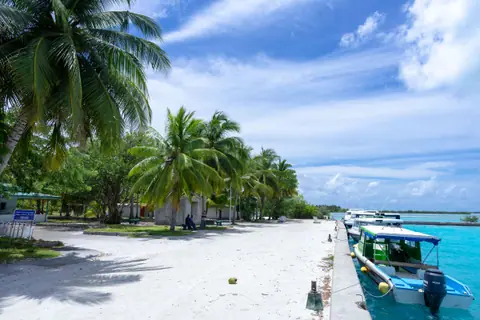
Day Trips & Excursions
Easy half-day and full-day trips from the city.
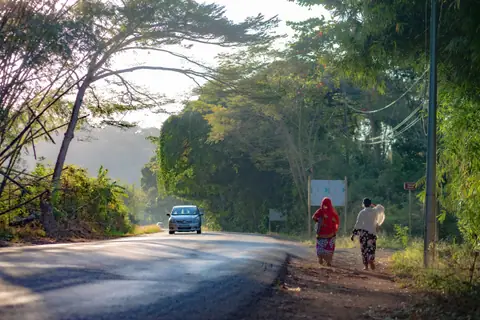
Trip Planning & Itineraries
When to visit, what to pack and day-by-day routes.
- Moroni: What to Know Before You GoVisa on arrival, euro-pegged Comorian francs, respectful island dress and Mount Karthala trekking safety.
- Best Time to Visit MoroniCool dry Kusi trade winds from May to October for Mount Karthala treks, plus humpback whale months.
- What to Wear in MoroniBreathable modest clothing for the medina, warm rainproof layers for Mount Karthala and reef shoes for lava shores.
- Moroni 3-Day Itinerary: Medina, Mount Karthala and Northern BeachesThree days combining Moroni's Swahili medina, the cloud forests of Mount Karthala and the northern beaches.
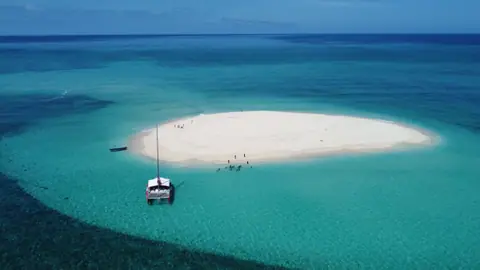
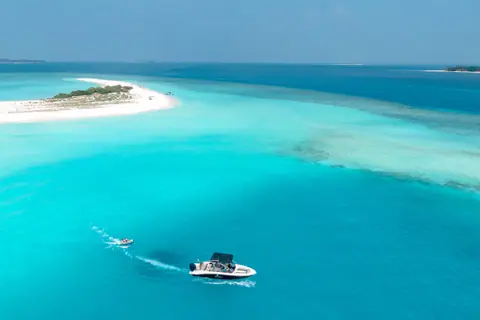
Need your embassy or consulate in Comoros? See embassies and consulates in Comoros.
Reviews
Log in to write a review.
No reviews yet.