


























Colline du Château and Port Lympia: Hilltop Waterfall, Bellanda Tower & Genoese Basin
Guide to Nice's 93-metre Castle Hill park, the 1706 fortress ruins, Cimetière du Château, and the 18th-century Savoyard harbour of Port Lympia.
Rising as a steep 93-metre limestone promontory between the pebble shore of the Baie des Anges and the sheltered basin of Port Lympia, the Colline du Château (Lou Castèu de Nissa in Niçard) is the historic cradle of Nice and its finest panoramic park.
Seven Centuries as a Citadel and the 1706 Demolition
Before settlement spread down into Vieux-Nice, medieval Nice stood entirely atop this twin-plateau rock. Archival cartularies mention an ancient rampart (muro antiquo) on the northern slope on 20 January 1002, followed by an eleventh-century castrum, the original cathedral of Sainte-Marie du Château (consecrated in 1049), and a twelfth-century walled northern suburb recorded in 1143. After Nice placed itself under the protection of Savoy in 1388, the dukes expanded the castrum magnum in 1440 and added sixteenth-century artillery bastions across the lower northern plateau, turning the rock into one of the strongest citadels in the Mediterranean.
The fortress endured major sieges during the wars between France and the Habsburg-Savoyard alliance: in 1543, when Franco-Ottoman forces attacked the town and local washerwoman Catherine Ségurane famously rallied the defenders at the ramparts; in 1691 under Marshal Catinat; and finally in 1705, when French armies captured the citadel during the War of the Spanish Succession. In 1706, on the direct orders of King Louis XIV, French engineers systematically blew up and levelled the entire fortress.
What to See on Castle Hill Today
- Tour Bellanda and the Baie des Anges Viewpoint: Ascending the steps or the free Art Deco lift from the eastern end of Rue des Ponchettes brings you to the circular terrace of the Tour Bellanda, which frames the classic postcard view across the terracotta roofs of Vieux-Nice and the 7-kilometre curve of the Promenade des Anglais. Every day at midday, a traditional pyrotechnic signal known as the coup de canon echoes across the bay from the hill.
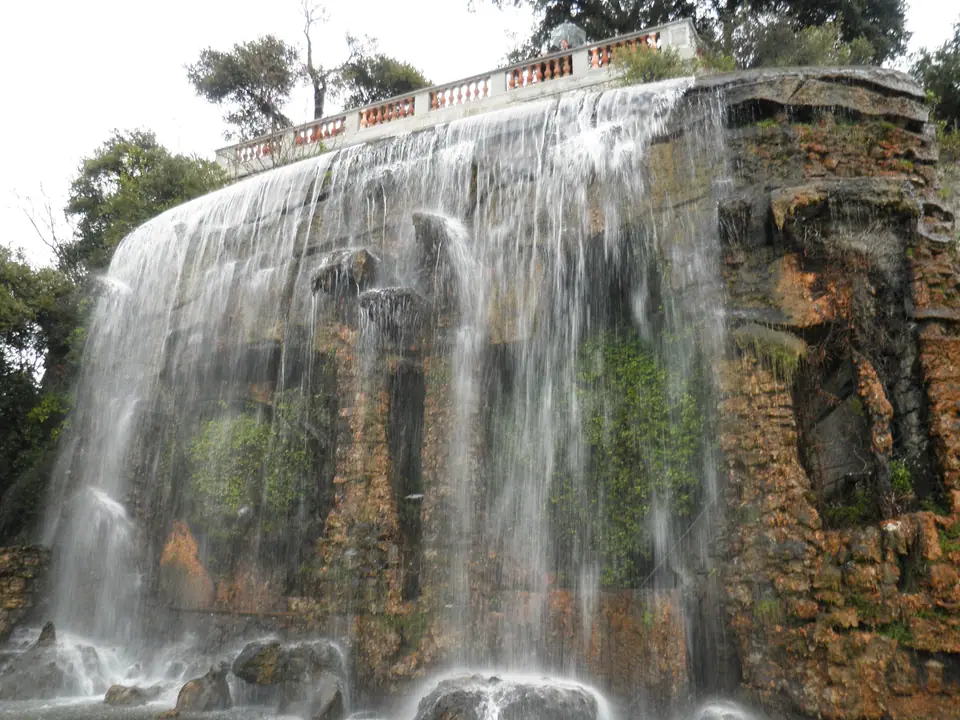
- The Hilltop Waterfall (Cascade du Château): Near the summit plateau, an nineteenth-century artificial waterfall tumbles down a stone grotto framed by umbrella pines and viewing balconies.
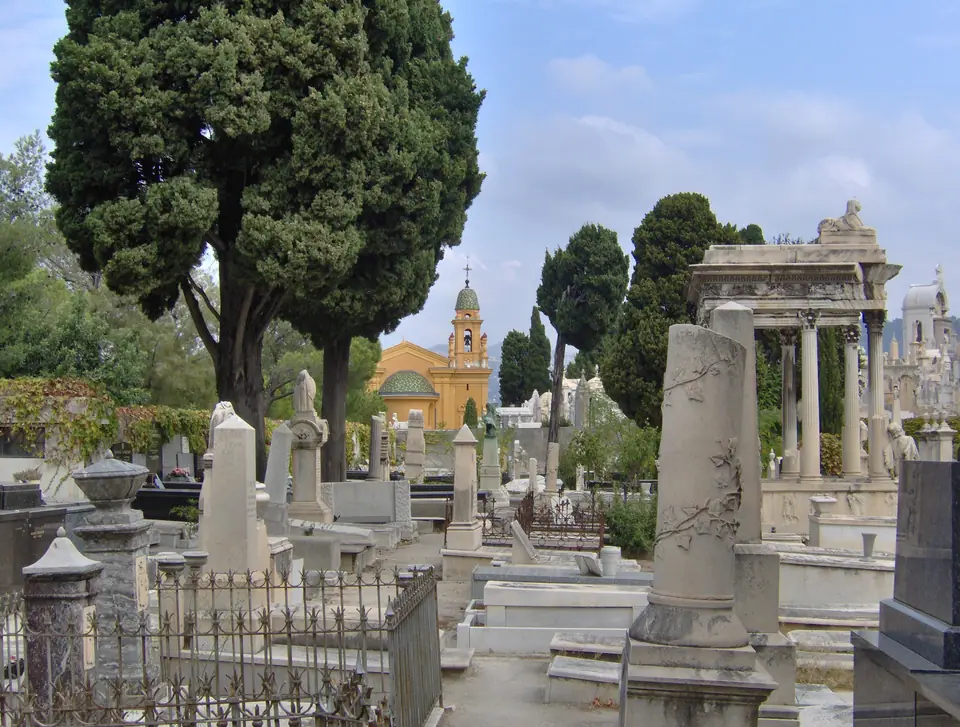
- Cimetière du Château: Terraced along the northern ridge, this monumental cemetery holds ornate nineteenth-century mausoleums and graves, including the tombs of French Prime Minister Léon Gambetta, The Phantom of the Opera author Gaston Leroux, Asterix co-creator René Goscinny, jeweller Alfred Van Cleef, and Emil Jellinek-Mercedes, who named the Mercedes automobile marque after his daughter.
Port Lympia and Place Île-de-Beauté
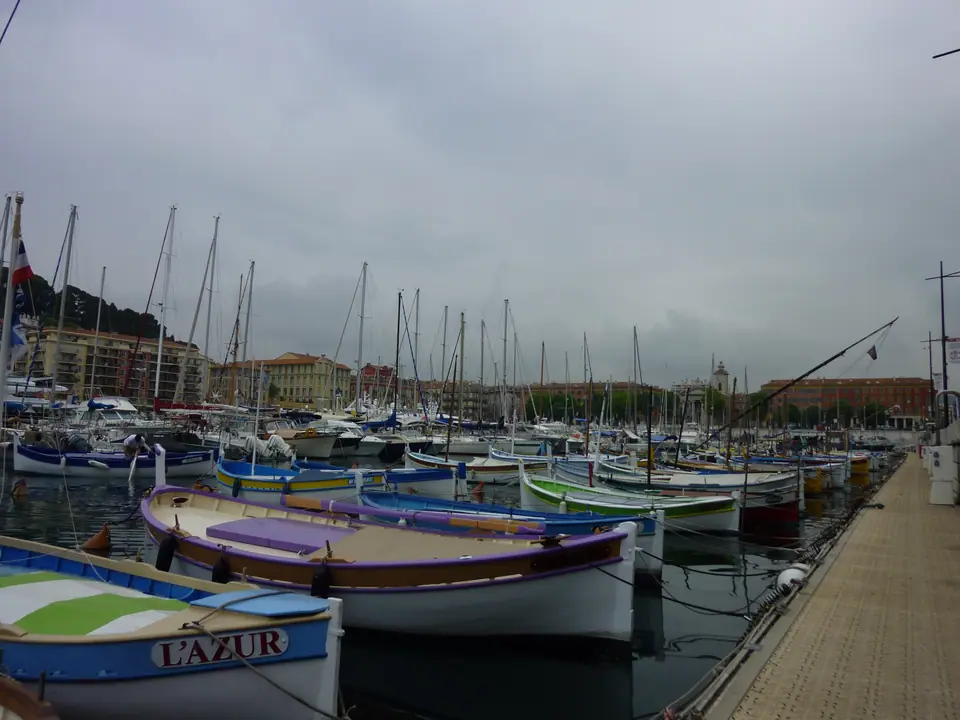
Descending the eastern paths of Castle Hill brings you directly to Port Lympia, a 20-hectare harbour district surrounding a 6-hectare water basin with more than 500 moorings. Named after the natural Lympia spring that fed a marshy lagoon at the foot of the rock, the harbour was decreed in 1748 by King Charles-Emmanuel III of Sardinia. Engineer Antonio Devincenti sank the first outer jetty caisson on 22 July 1750; by 1761 the outer mole stretched 110 metres, between 1770 and 1772 engineers blasted the coastal road around the southern cliff (Chemin des Ponchettes) to link Vieux-Nice to the harbour, and the inner mole was completed in 1792.
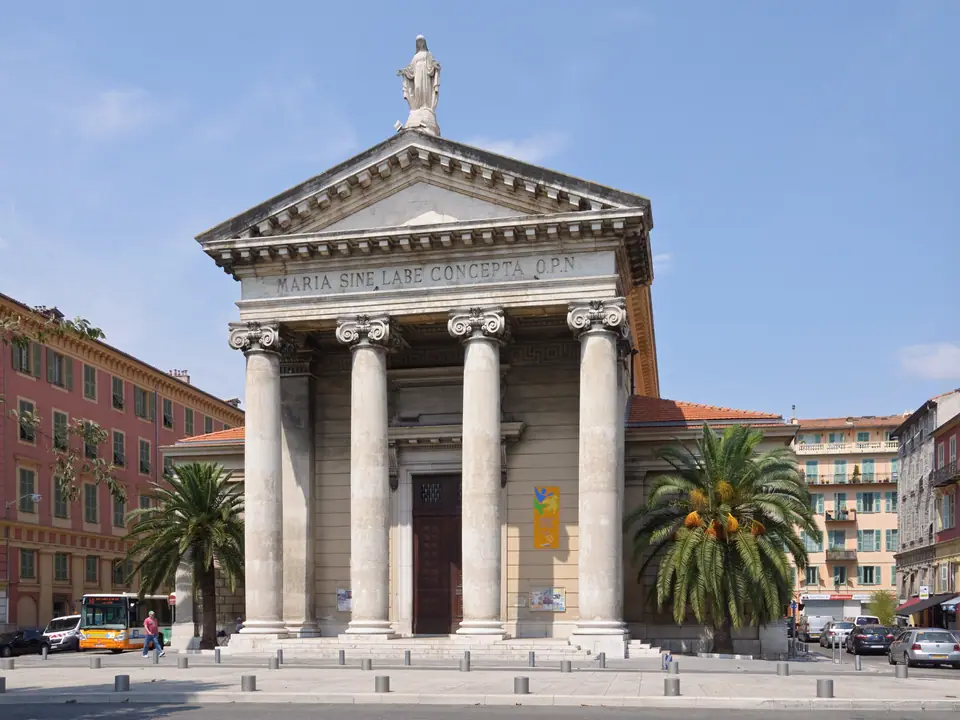
In 1840, city architect Antoine Scoffier and the Consiglio d'Ornato established the monumental northern perspective of Place Île-de-Beauté, where three-storey reddish-ochre porticos authorized in 1844 flank the neoclassical columned facade of the Church of Notre-Dame-du-Port. Along the western basin, brightly painted wooden pointus fishing boats bob opposite the eastern terminus of Tram Line 2 and the coastal road toward Mont Boron and Villefranche-sur-Mer.
Traveller tips
Real advice from people who have been to Colline du Château and Port Lympia: Hilltop Waterfall, Bellanda Tower & Genoese Basin. Every tip is read by our team before it goes live.
No tips yet. Been here? Yours could be the first.
Thank you! Your tip will appear here after a quick review.
More in Nice
Continue exploring Nice with related neighbourhood, food, and planning guides
Cimiez, Musée Matisse and Musée Marc Chagall: Roman Amphitheatre & Modern Masters
Nice, France
Place Masséna, Promenade du Paillon and Avenue Jean-Médecin: Red Arcades & Urban Park
Nice, France
St Nicholas Russian Orthodox Cathedral and Belle Époque Nice: Imperial Domes & Winter Palaces
Nice, France
Mont Boron, Cap de Nice and Villefranche-sur-Mer: Coastal Sentier du Littoral & Deep Harbour
Nice, France
