


























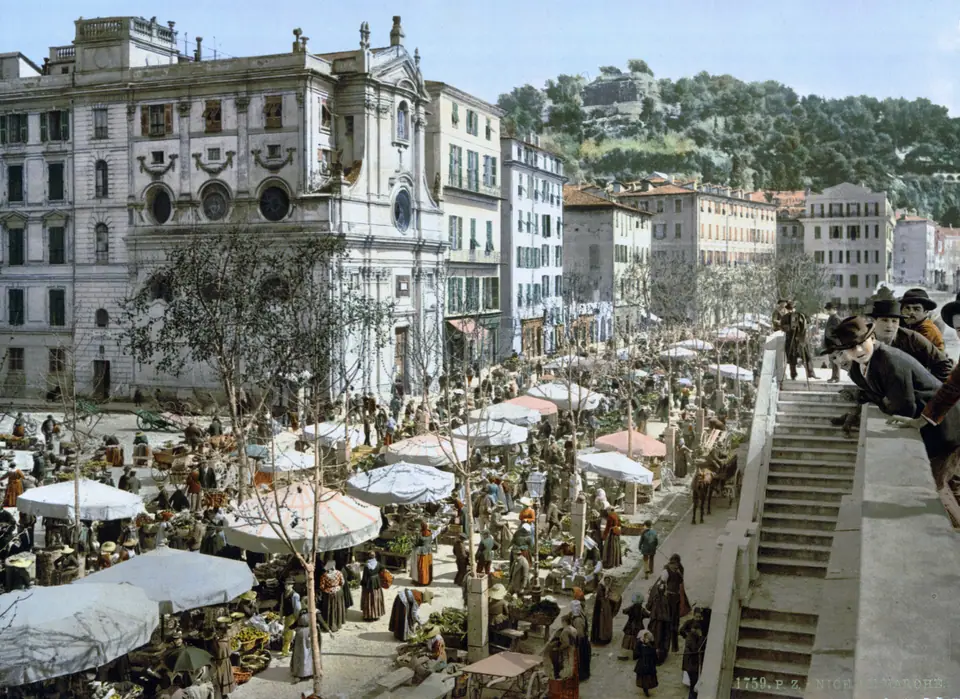
Vieux-Nice, Cours Saleya and Cathédrale Sainte-Réparate: Baroque Churches & Flower Market
Explore the Italianate heart of Old Nice, from the 1861 Cours Saleya flower market and Vittone's Chapelle de la Miséricorde to Cathédrale Sainte-Réparate and Palais Lascaris.
Tucked into a compact triangle between the 93-metre rock of Colline du Château to the east, the Quai des États-Unis and Mediterranean Sea to the south, the covered Paillon river and Place Masséna to the west, and Place Garibaldi to the north, Vieux-Nice (Vielha Vila in Niçard, once nicknamed Babazouk from the Arabic for "gate of the souk") preserves the tall ochre tenements, Genoese palaces, and Piedmontese Baroque churches built when Nice belonged to the Dukes of Savoy and the Kingdom of Sardinia.
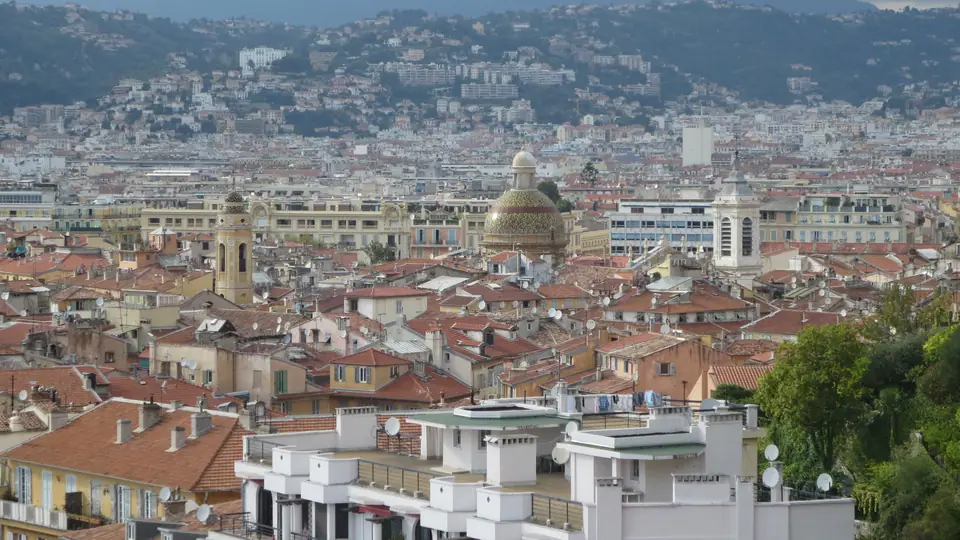
Natural Cooling and Narrow Ochre Alleys
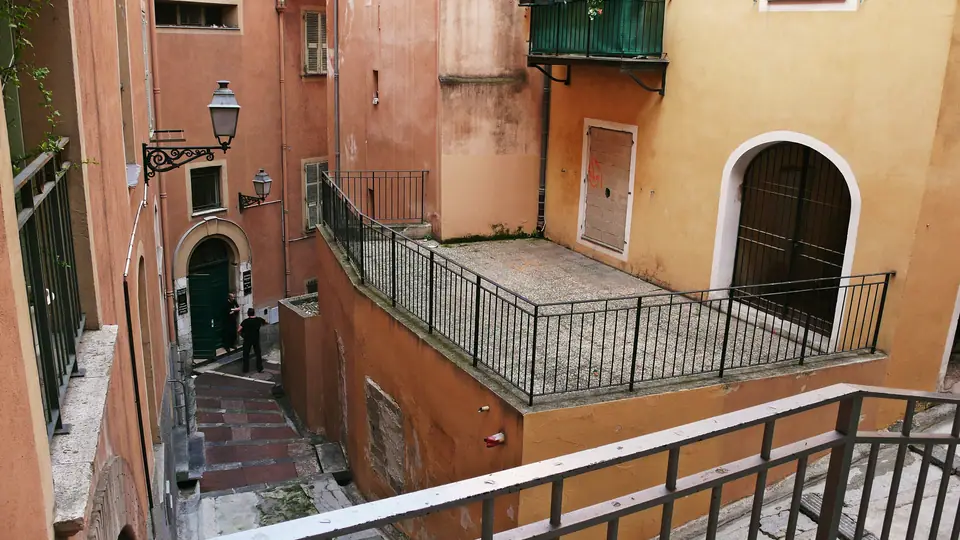
Walking from the sunlit esplanade of the Promenade des Anglais into Rue Pairolière, Rue Droite, or Rue de la Préfecture, visitors immediately notice a drop in temperature. Builders in Vieux-Nice engineered a passive natural ventilation system: as summer sunshine heats the terracotta rooftops high above, cooler air trapped in the deep, shaded canyons of the narrow streets is drawn upward, aided by decorative iron-grilled transom openings called clairoirs set above the street doors.
Cours Saleya and the Chapelle de la Miséricorde
Running parallel to the seafront from Rue Louis-Gassin to Place Charles-Félix (where the 1827 Serruriers monument honours King Charles-Félix of Sardinia), Cours Saleya is the principal pedestrian promenade of southern Vieux-Nice. Known in early records as La Marina and from 1714 as the Palco (Italian for "stage"), the esplanade was levelled in 1748 alongside the low flat-roofed seafront buildings of Les Terrasses (Les Ponchettes) and planted with rows of elms in 1766. In 1839 Benoît Visconti opened the famed Établissement littéraire Visconti on the northern side of the square, and on 22 July 1861, the municipality under Mayor François Malausséna established the city's official flower, fruit, and vegetable market here, where striped canvas stalls still trade every morning except Mondays (when an antiques market takes over).
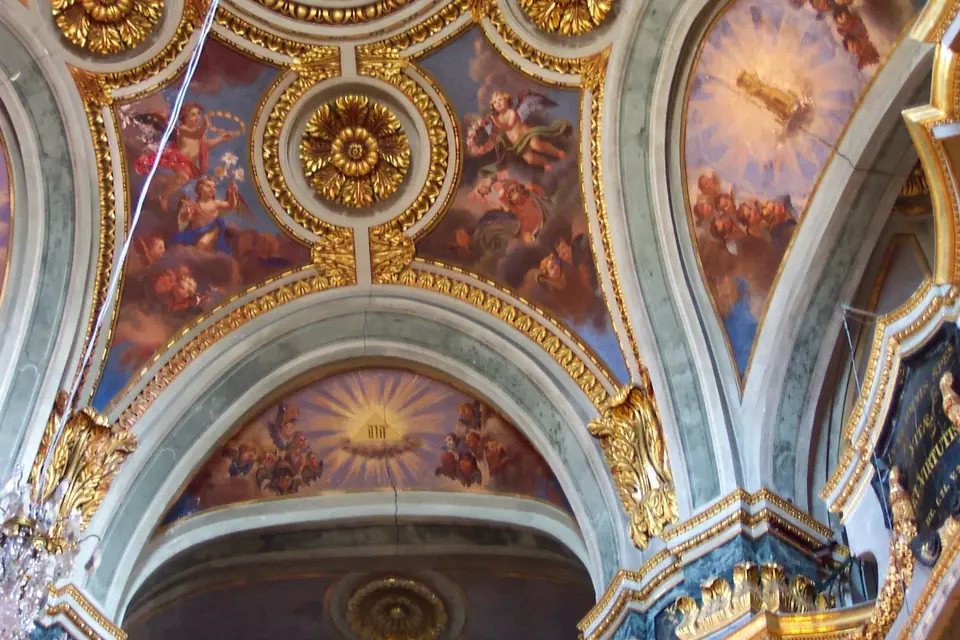
Directly bordering the north side of Cours Saleya stands the Chapelle de la Miséricorde (Chapel of the Black Penitents, formerly the church of Saint-Gaétan). Built between 1747 and 1770 on the site of the King of Sardinia's salt warehouses for the Theatine order, it was designed by Turin architect Bernardo Antonio Vittone on an elliptical Piedmontese Baroque plan crowned by a gilded, frescoed cupola and classified as a historical monument on 30 May 1921 (restored in 2002 to 2003 and 2009). Its sacristy preserves primitive paintings of the Virgin of Mercy attributed to Jean Mirhalet and Louis Bréa alongside a rare 1442 missal.
Cathédrale Sainte-Réparate on Place Rossetti
At the lively crossroads of Place Rossetti rises the Basilique-Cathédrale Sainte-Marie et Sainte-Réparate, seat of the Diocese of Nice. After Saint Reparata's relics arrived in 1060 and the bishop's throne transferred down from the castle hill in 1590, Bishop Didier Palletis commissioned architect Jean-André Guibert in 1649 to erect a larger Baroque cathedral. Built between 1650 and 1685 on a Latin cross plan modelled on Santa Susanna in Rome and consecrated in 1699, the cathedral is topped by a Genoese-style cupola of glazed coloured tiles, flanked by a campanile built between 1731 and 1757 and a Baroque Revival west facade added between 1825 and 1830. Classified as a national monument on 9 August 1906 and elevated to a minor basilica on 27 May 1949, its richly marbled interior contains ten side chapels formerly maintained by the city's craft guilds.
Palais Lascaris and Historical Musical Instruments
Continue up Rue Droite to number 15 to visit Palais Lascaris, built in the first half of the seventeenth century for the aristocratic Vintimille-Lascaris family, who owned it until 1802. Bought by the city in 1942 and restored from 1962 to 1970, its frescoed state rooms and monumental staircase exhibit more than 500 historical musical instruments centred on the 1901 bequest of Antoine Gautier (225 instruments and 60,000 francs accepted by the city council on 19 September 1904). Finish your walk with warm chickpea socca and pan bagnat before climbing Colline du Château.
Traveller tips
Real advice from people who have been to Vieux-Nice, Cours Saleya and Cathédrale Sainte-Réparate: Baroque Churches & Flower Market. Every tip is read by our team before it goes live.
No tips yet. Been here? Yours could be the first.
Thank you! Your tip will appear here after a quick review.
More in Nice
Continue exploring Nice with related neighbourhood, food, and planning guides
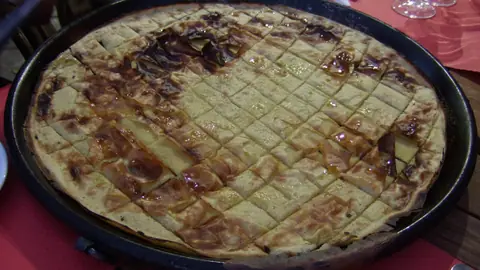
What to Eat in Nice: Socca, Salade Niçoise, Pan Bagnat & Pissaladière
Nice, France
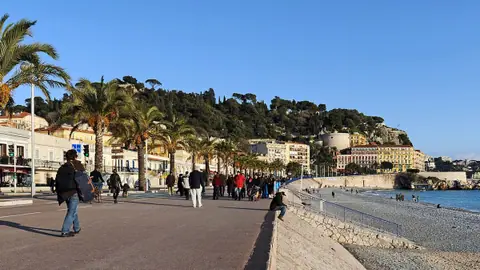
Promenade des Anglais and Baie des Anges: Seafront Walk, Hôtel Negresco & Pebble Beaches
Nice, France
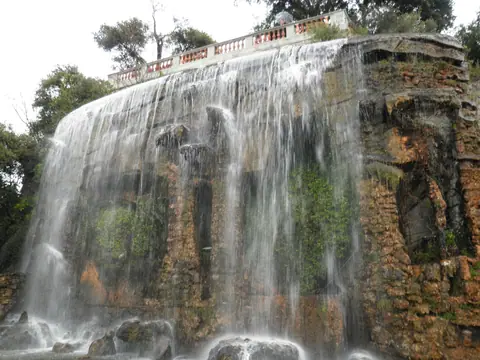
Colline du Château and Port Lympia: Hilltop Waterfall, Bellanda Tower & Genoese Basin
Nice, France
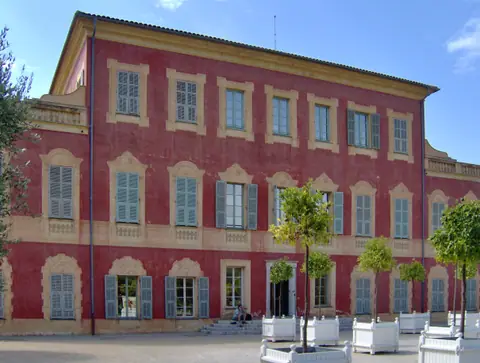
Cimiez, Musée Matisse and Musée Marc Chagall: Roman Amphitheatre & Modern Masters
Nice, France
