


























What to Eat in Nice: Socca, Salade Niçoise, Pan Bagnat & Pissaladière
An authentic guide to Cuisine Nissarde, covering wood-fired chickpea socca, raw seasonal salade niçoise, olive-oil-bathed pan bagnat, and slow-cooked onion pissaladière.
Shaped by centuries of geographic and political autonomy between the Maritime Alps and the Ligurian coast, Niçoise cuisine (Cuisine nissarde) comprises more than 200 traditional recipes built around olive oil, chickpeas, anchovies, sun-ripened tomatoes, Swiss chard (blette niçoise), and wild salad greens. Protected locally by the Label Cuisine Nissarde, the culinary practices of the Nice region were officially inscribed in 2019 in the French Ministry of Culture's National Inventory of Intangible Cultural Heritage.
1. Socca: Wood-Fired Chickpea Pancake
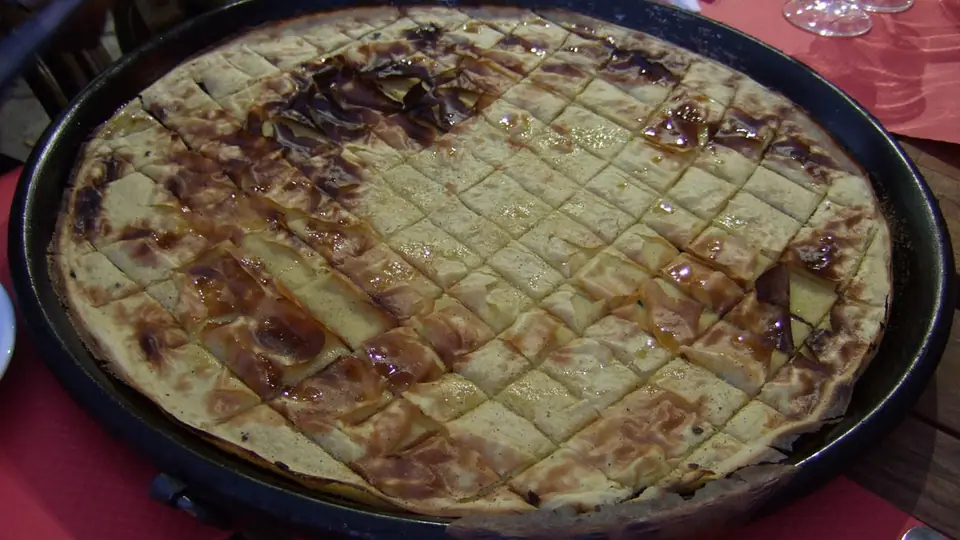
The quintessential street food of Vieux-Nice and the Port Lympia quarter is socca, an unleavened pancake mixed from chickpea flour (farine de pois chiche), water, olive oil, and salt. Poured onto large round tinned-copper pans and slid into a blazing wood-fired oven until blistered and golden brown on top while remaining creamy inside, socca is scraped into rough squares with a metal spatula, seasoned generously with cracked black pepper, and eaten hot with the fingers.
2. Traditional Salade Niçoise
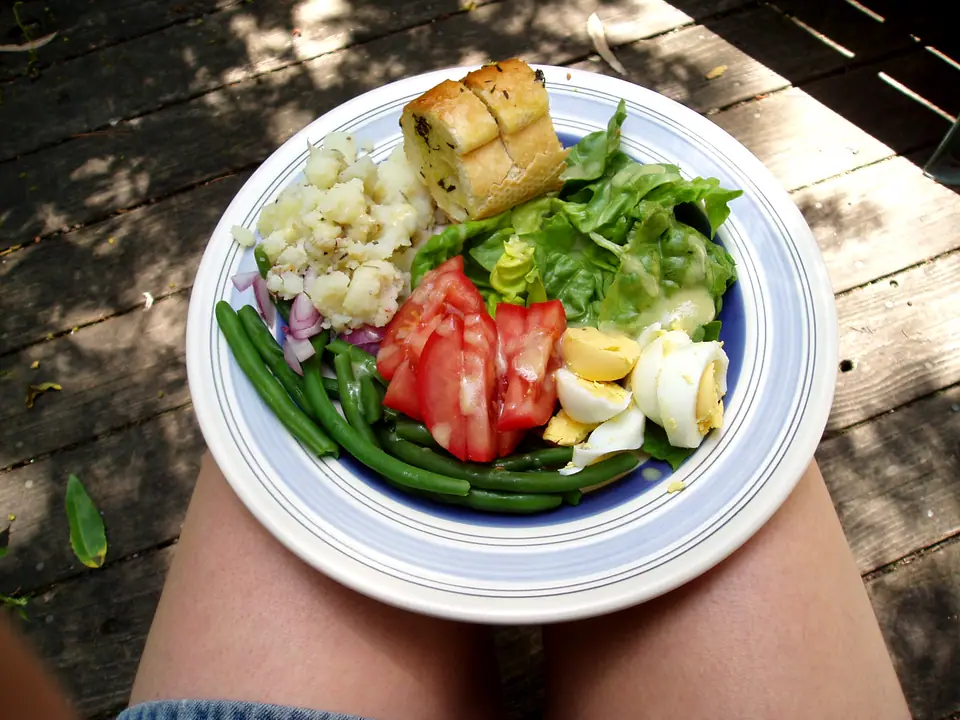
Few dishes provoke fiercer local loyalty than salade niçoise (salada nissarda). Originating in late nineteenth-century Nice as a simple dish of tomatoes, anchovies, and olive oil, its early published form in Henri Heyraud's 1903 book La Cuisine à Nice combined tomatoes, anchovies, artichokes, olive oil, red peppers, and black olives without lettuce. In his landmark 1972 cookbook Cuisine Niçoise, former mayor Jacques Médecin codified the strict traditionalist rule upheld by the certifying association Cercle de la Capelina d'Or: a true salade niçoise contains no boiled vegetables whatsoever (never boiled potatoes or cooked green beans).
Instead, the salad is served in a garlic-rubbed bowl and built predominantly around quartered raw tomatoes salted three times and dressed with olive oil, topped with hard-boiled eggs, small black Niçoise caillette olives, raw cucumber, tender purple artichokes, green peppers, spring fava beans, spring onions, fresh basil, and either salted anchovies or tuna (traditionally never both together to respect household economy).
3. Pan Bagnat: "Bathed Bread" of the Riviera
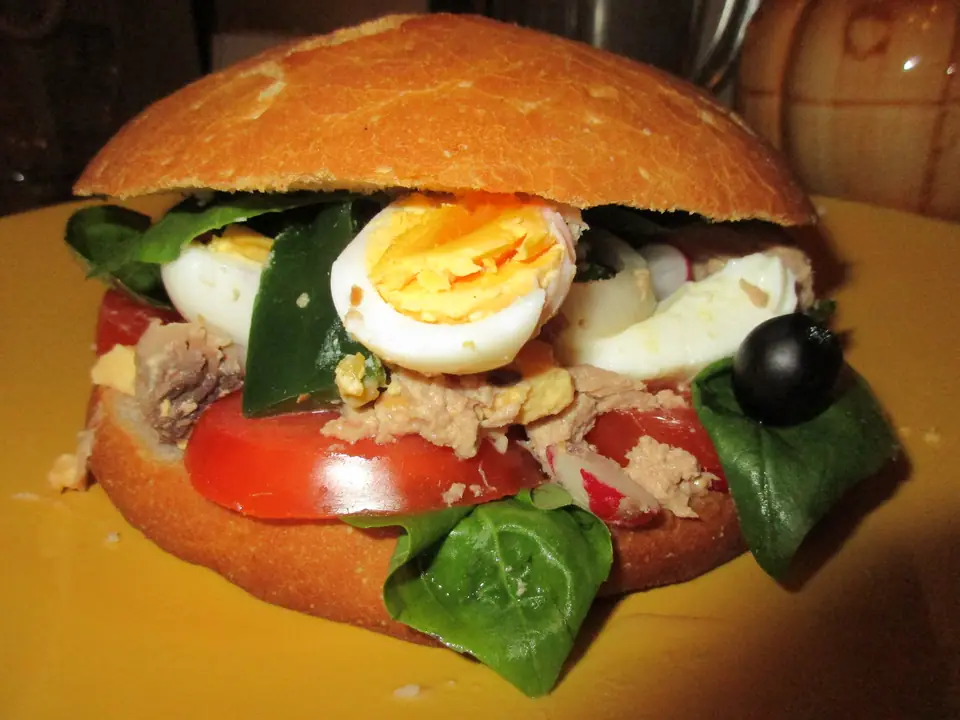
Taking its name from the Niçard expression pan banhat ("bathed" or soaked bread), pan bagnat was created to soften day-old round country bread (pain de campagne or pain de ménage) with local olive oil. The hollowed round roll is rubbed with a clove of garlic, drizzled generously with extra-virgin olive oil and a splash of red wine vinegar (never mayonnaise), and packed with the exact raw ingredients of a salade niçoise: sliced tomatoes, hard-boiled eggs, tuna or anchovies, raw green peppers or purple artichokes, black caillette olives, basil, salt, and pepper.
4. Pissaladière, Mesclun, and Market Specialities
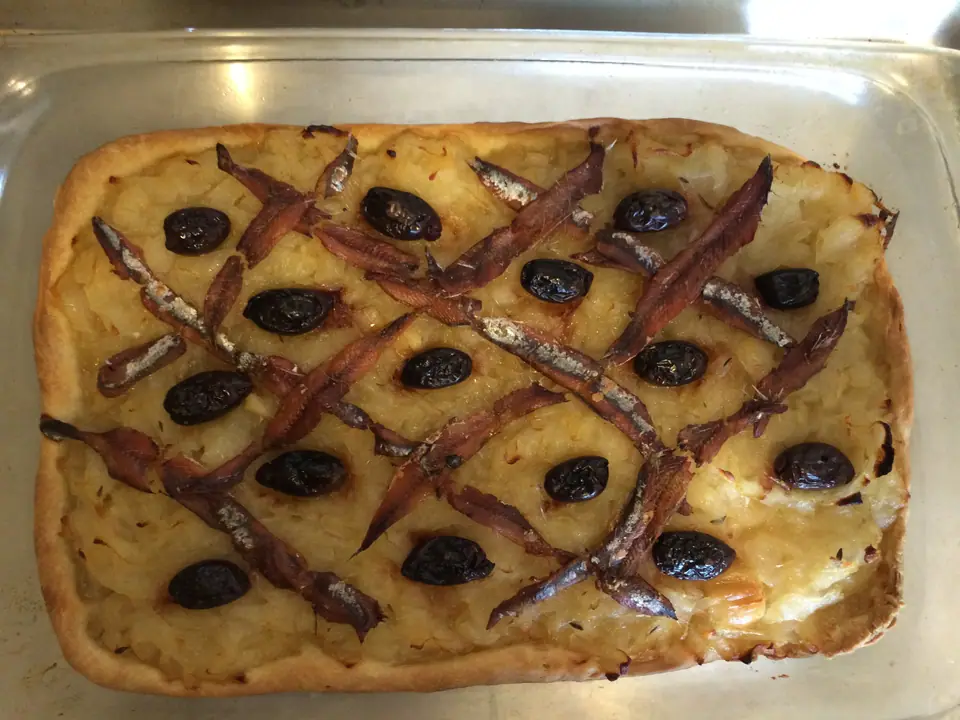
- Pissaladière (Pissaladiera): Predating modern Neapolitan pizza by centuries (with an early Provençal written recipe recorded in the year 879), pissaladière is a thick bread-dough flatbread spread with a sweet compote of onions stewed over very low heat for at least two hours without browning. Its name comes from pissalat (from Niçard peis salat, salted fish), an aromatic anchovy and clove paste brushed over the dough before baking with whole anchovy fillets and black caillette olives.
- Mesclun and Swiss Chard: The tender young salad mixture known worldwide as mesclun (lou mesclun) was invented by the Franciscan friars of the Monastery of Cimiez, who mixed assorted garden seeds and shared thinned seedlings with the poor in woven baskets called espourtoula. Look also for tourte de blettes (sweet or savoury Swiss chard pie) and fougasse flatbreads at the morning stalls on Cours Saleya.
Traveller tips
Real advice from people who have been to What to Eat in Nice: Socca, Salade Niçoise, Pan Bagnat & Pissaladière. Every tip is read by our team before it goes live.
No tips yet. Been here? Yours could be the first.
Thank you! Your tip will appear here after a quick review.
More in Nice
Continue exploring Nice with related neighbourhood, food, and planning guides
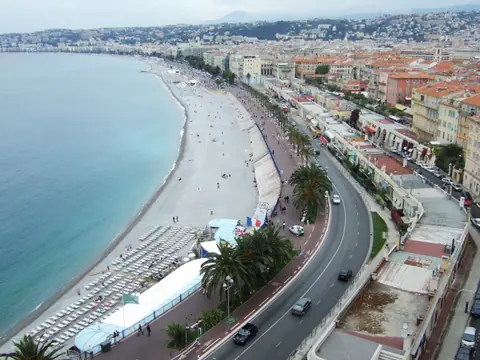
Best Time to Visit Nice: Mediterranean Climate, Sea Temperatures & Carnival Season
Nice, France

Where to Stay in Nice: Vieux-Nice, Carré d'Or, Cimiez & Le Port Compared
Nice, France
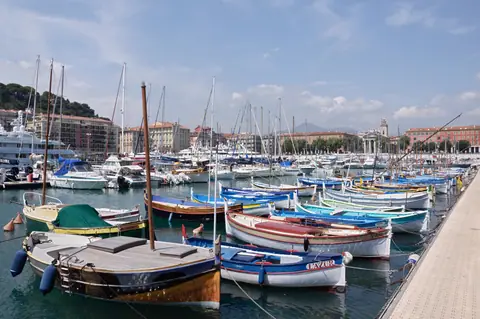
Nice 3-Day Itinerary: Old Town, Promenade des Anglais, Cimiez & Coastal Capes
Nice, France
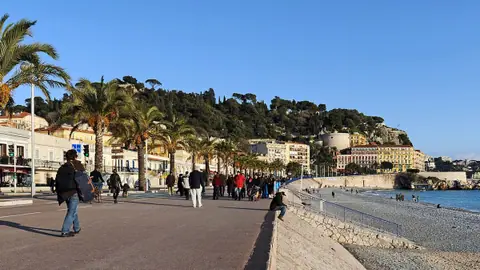
Promenade des Anglais and Baie des Anges: Seafront Walk, Hôtel Negresco & Pebble Beaches
Nice, France
