


























Nice: Essential Planning for the French Riviera Capital
Understand how Vieux-Nice, the Paillon green corridor, the Baie des Anges, and the hills of Cimiez and Mont Boron fit together across France's fifth-largest commune.
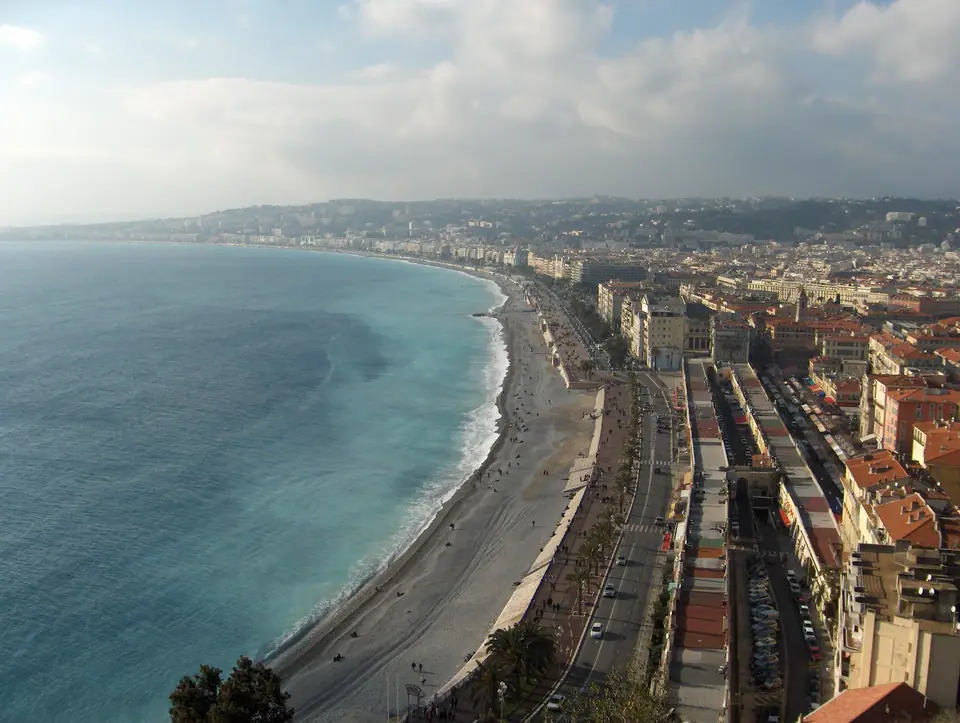
Stretching along the curve of the Baie des Anges at the mouth of the Paillon river, Nice (Nissa in the local Niçard dialect) is the prefecture of the Alpes-Maritimes department and the second most populated French city on the Mediterranean coast after Marseille. Situated approximately 13 kilometres west of the Principality of Monaco and 30 kilometres west of the French-Italian border, the commune recorded 357,737 inhabitants in the 2023 census, making it the fifth most populous city in France after Paris, Marseille, Lyon, and Toulouse. Its wider urban agglomeration is home to 987,709 residents across 744 square kilometres, while the Métropole Nice Côte d'Azur unites 51 communes and about 570,000 inhabitants between the Mediterranean Sea and the Alpine peaks.
From Ancient Nikaia and Savoyard Rule to UNESCO Winter Resort
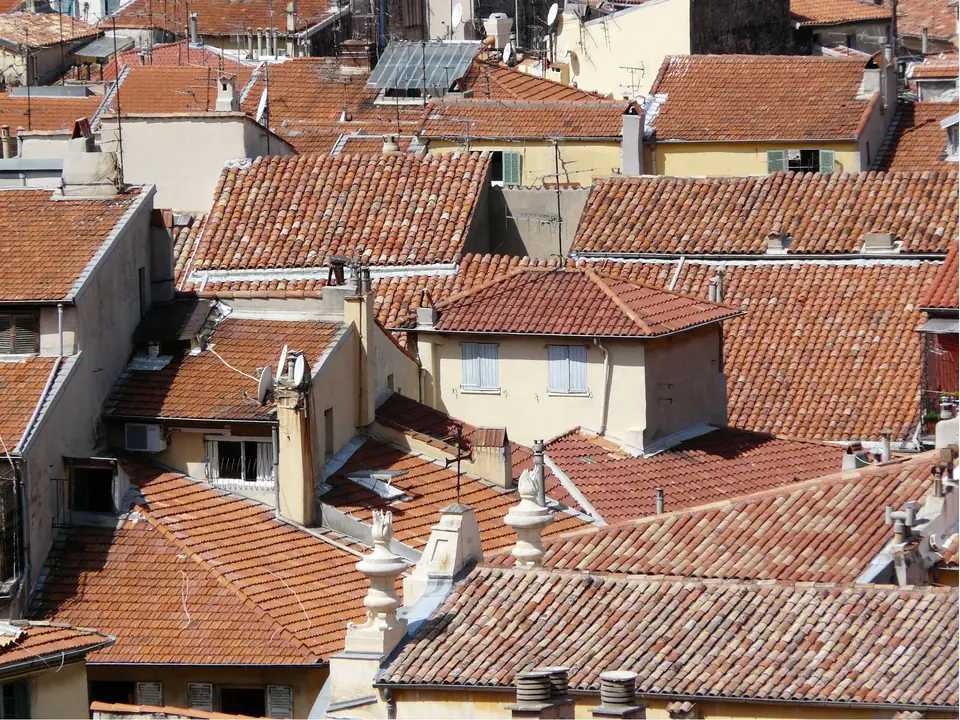
Human settlement along this sheltered coastline dates back to the Lower Palaeolithic site of Terra Amata on the slopes of Mont Boron, which preserves evidence of the controlled use of fire 380,000 years ago. Around 350 BC, Phocaean Greek mariners from Marseille established a permanent trading colony at the foot of the castle rock and named it Nikaia in honour of Nike, goddess of victory, while the Romans later developed the provincial capital of Cemenelum up on the hill of Cimiez.
Following centuries under the Counts of Provence, Nice chose the protection of the County of Savoy in the 1388 Dédition de Nice à la Savoie. Named capital of the County of Nice in 1526, the city remained part of the Savoyard state and the Kingdom of Piedmont-Sardinia (whose capital stood in Turin) apart from French revolutionary occupation between 1792 and 1815, until the county was ceded to France in 1860 under Emperor Napoleon III. Attracted by mild winter sunshine, British aristocrats began wintering here in the second half of the eighteenth century. On 27 July 2021, UNESCO inscribed Nice, Winter Resort Town of the Riviera on the World Heritage List, recognising two centuries of resort urbanism that gave the city the second largest hotel capacity in France (welcoming around 5 million visitors a year) and the highest number of museums in the country after Paris.
How the City Is Laid Out
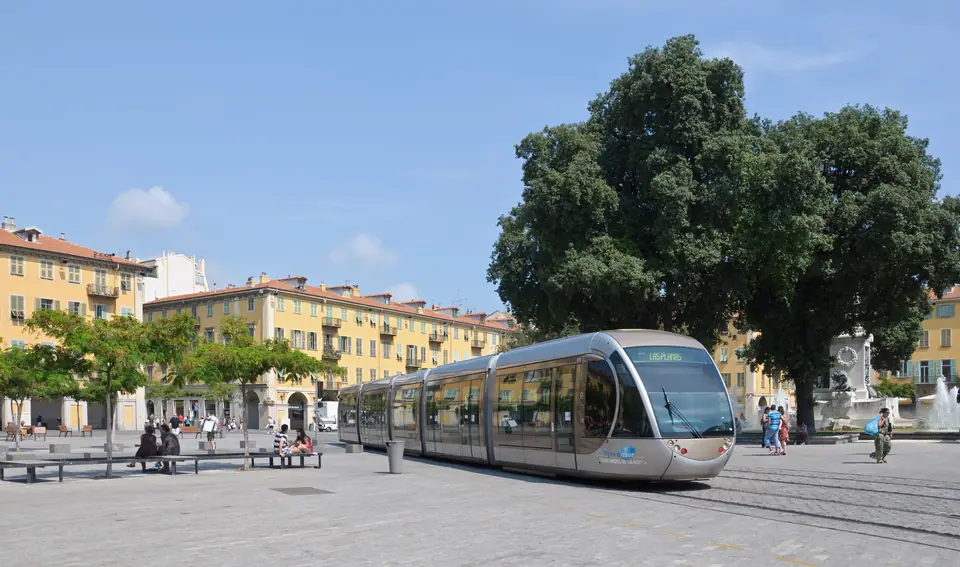
- Vieux-Nice and Colline du Château: East of the covered Paillon river, the Italianate lanes of Vieux-Nice and Cours Saleya cluster beneath the 93-metre limestone bluff of Colline du Château, with Place Garibaldi marking the northern entrance.
- Place Masséna, Promenade du Paillon, and Jean-Médecin: Directly across the former riverbed, red-ochre arcades frame Place Masséna and the 20-hectare Promenade du Paillon, while Avenue Jean-Médecin runs north toward Gare de Nice-Ville.
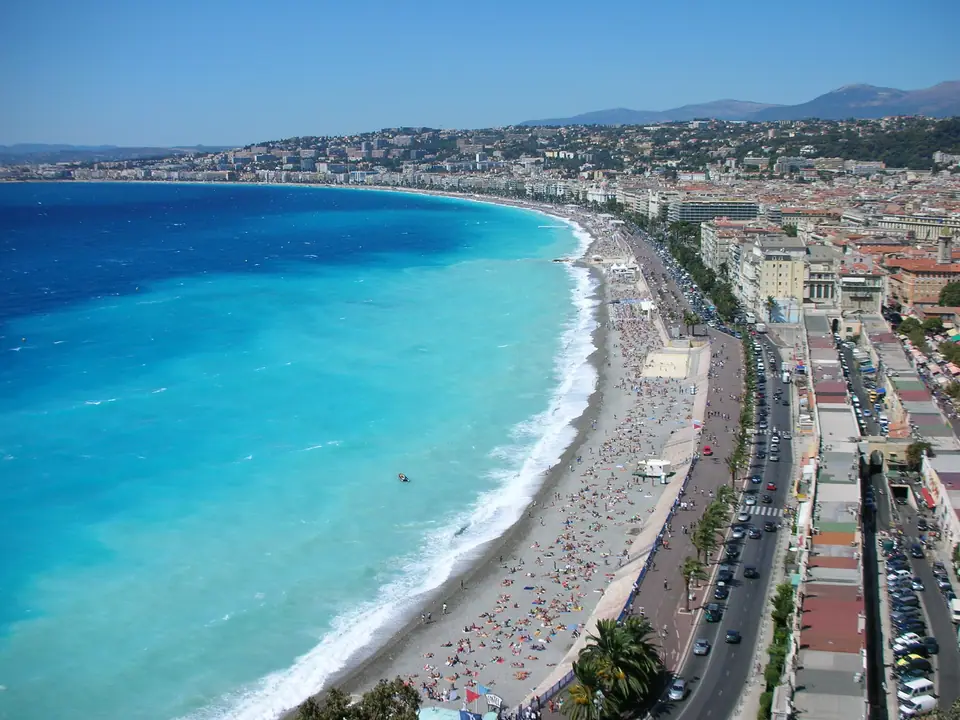
- Promenade des Anglais and Belle Époque West: West from the Quai des États-Unis, the 7-kilometre Promenade des Anglais fronts the pebble beaches of the Baie des Anges, backed by the Carré d'Or and the St Nicholas Russian Orthodox Cathedral.
- Port Lympia, Mont Boron, and Cimiez: East of Castle Hill sits the 1750 basin of Port Lympia and the wooded 191.3-metre ridge of Mont Boron, while northeast rises the residential hill of Cimiez.
Practical Planning
Review our guides to getting to and around Nice, where to stay, the best time to visit, traditional Niçoise food, and our 3-day Nice itinerary.
Traveller tips
Real advice from people who have been to Nice: Essential Planning for the French Riviera Capital. Every tip is read by our team before it goes live.
No tips yet. Been here? Yours could be the first.
Thank you! Your tip will appear here after a quick review.
More in Nice
Continue exploring Nice with related neighbourhood, food, and planning guides
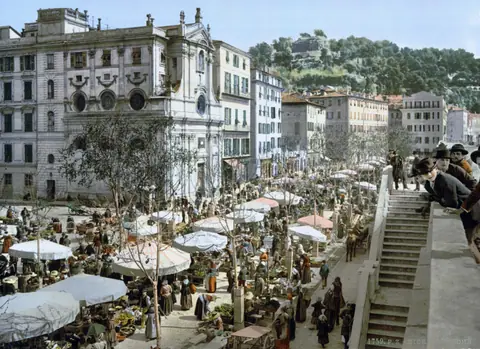
Vieux-Nice, Cours Saleya and Cathédrale Sainte-Réparate: Baroque Churches & Flower Market
Nice, France
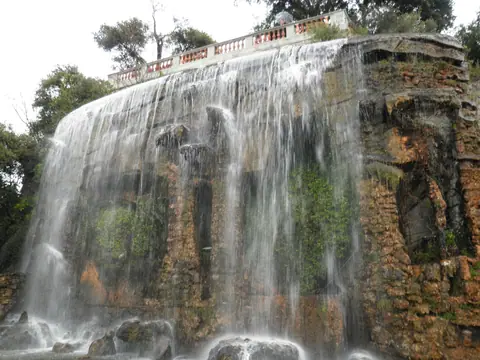
Colline du Château and Port Lympia: Hilltop Waterfall, Bellanda Tower & Genoese Basin
Nice, France
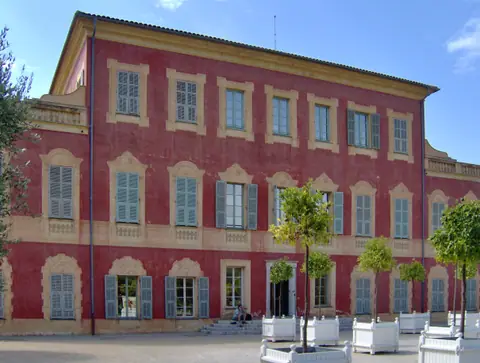
Cimiez, Musée Matisse and Musée Marc Chagall: Roman Amphitheatre & Modern Masters
Nice, France
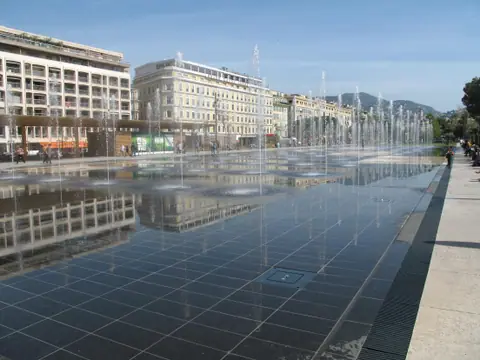
Place Masséna, Promenade du Paillon and Avenue Jean-Médecin: Red Arcades & Urban Park
Nice, France
