


























St Nicholas Russian Orthodox Cathedral and Belle Époque Nice: Imperial Domes & Winter Palaces
Discover the 1912 St Nicholas Cathedral, the largest Eastern Orthodox cathedral in Western Europe, alongside Villa Masséna, the Jules Chéret Fine Arts Museum, and UNESCO winter villas.
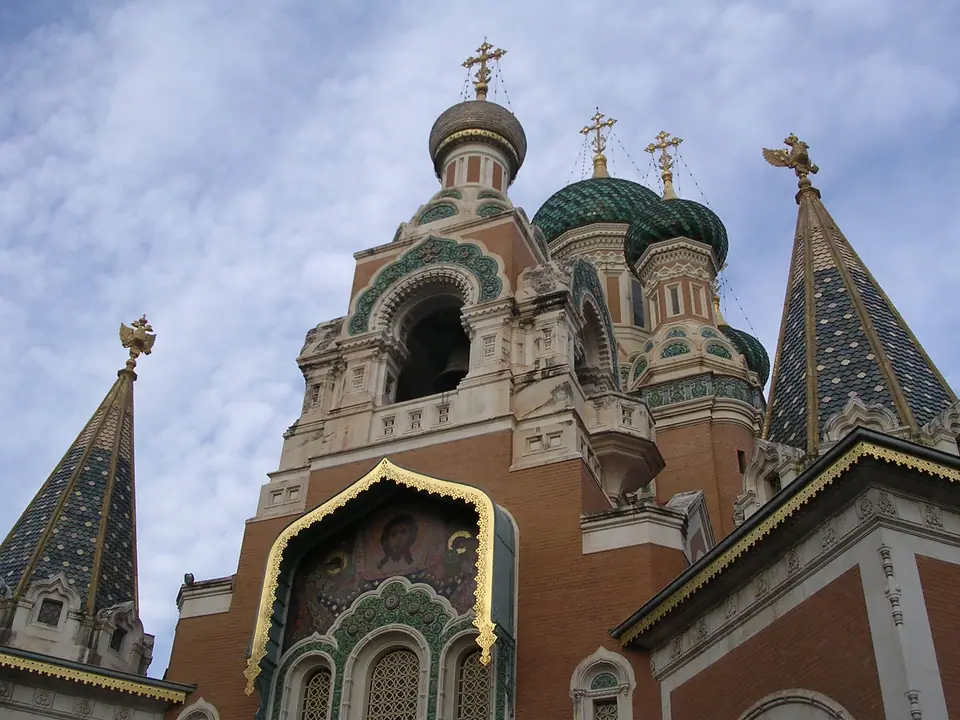
Walking ten minutes west of Gare de Nice-Ville along Boulevard du Tzaréwitch to the palm-lined Avenue Nicolas II reveals one of the most striking silhouettes on the French Riviera: the five polychrome onion domes of St Nicholas Orthodox Cathedral (Cathédrale Saint-Nicolas de Nice), the largest Eastern Orthodox cathedral in Western Europe and a cornerstone of the cosmopolitan winter resort culture inscribed by UNESCO on 27 July 2021.
Imperial Russia on the Riviera and the 1865 Tragedy at Villa Bermond
Following the example of the British aristocracy, Russian noble families began wintering in Nice in the middle of the nineteenth century. In 1856 Dowager Empress Alexandra Feodorovna (widow of Tsar Nicholas I) launched a subscription to build a parish church on Rue Longchamp; inaugurated three years later in 1859, the Church of Saint Nicholas and Saint Alexandra became the first Russian Orthodox church in Western Europe. Immediately after the railway reached Nice in October 1864, Tsar Alexander II travelled to the Riviera by train with the imperial court.
In April 1865, Alexander II's twenty-year-old eldest son and heir apparent, Tsarevich Nicholas Alexandrovich, fell gravely ill with meningitis while staying at the rented Villa Bermond in the Parc Impérial quarter and died there on 24 April 1865. Deeply grieving, Tsar Alexander II purchased the Villa Bermond estate, demolished the house, and commissioned architect David Grimm to erect a neo-Byzantine memorial chapel on the exact spot where the Tsarevich had died.
Construction of the 1912 Cathedral
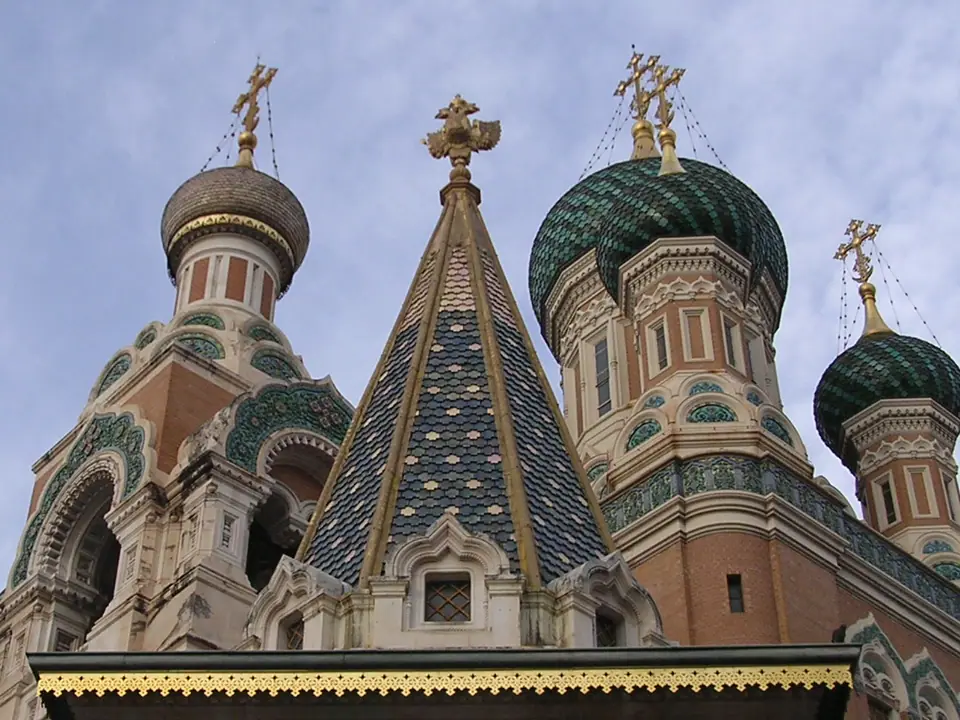
As the Russian colony in Nice expanded by the turn of the twentieth century, the Rue Longchamp church proved too small. In 1903, with financial backing from Tsar Nicholas II, construction began inside the Villa Bermond park alongside Grimm's memorial chapel to designs by Mikhail Preobrazhensky, professor of architecture at the Imperial Academy of Arts in Saint Petersburg. Consecrated in December 1912 in memory of Tsarevich Nicholas Alexandrovich, the cathedral draws inspiration from seventeenth-century Muscovite churches, combining red brick imported from Germany, pale local limestone, emerald and Majolica ceramic friezes from Florence, and five gilded onion domes above a richly carved oak iconostasis.
Classified as a French monument historique on 11 August 1987, the cathedral was the subject of a legal dispute between 2005 and 2011 over the 99-year lease originally signed by the Imperial Cabinet in 1909; on 20 January 2010 the Nice court and on 10 April 2013 France's highest court, the Cour de Cassation, confirmed that the building and grounds belong to the Russian Federation.
Villa Masséna and the Musée des Beaux-Arts Jules Chéret
To trace the wider Belle Époque world that surrounded the Russian and British winter colonies, pair the cathedral with two historic villa-museums west of the centre:
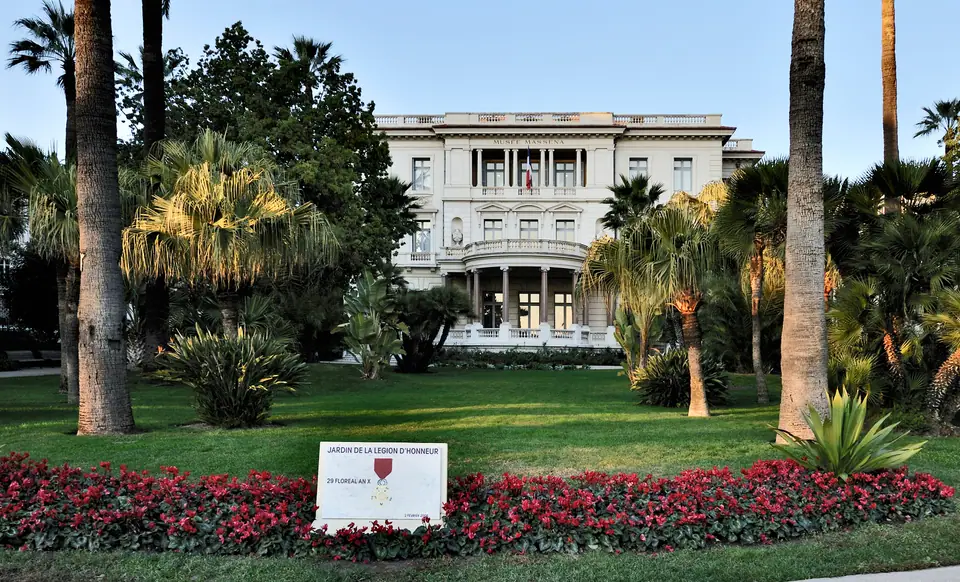
- Musée Masséna (Villa Masséna): Set in a landscaped palm garden on Rue de France (entering from the Promenade des Anglais next to the Hôtel Negresco), this Italianate neoclassical villa displays nineteenth-century imperial memorabilia, paintings, and documents chronicling the rise of Riviera winter tourism.
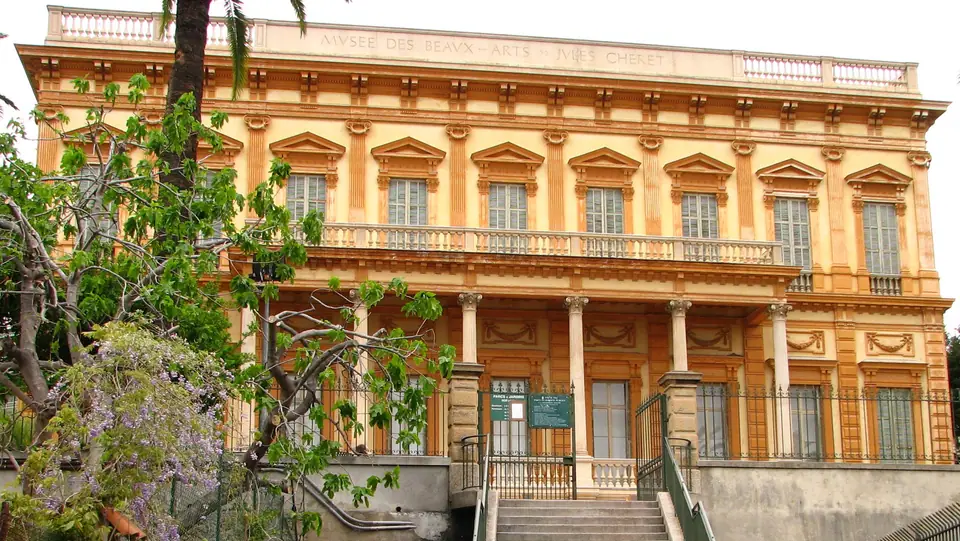
- Musée des Beaux-Arts de Nice (Jules Chéret): Housed in the aristocratic nineteenth-century Kotchoubey Palace in the Baumettes quarter (originally begun for Russian Princess Elizabeth Kotchoubey), the Fine Arts Museum exhibits European painting and sculpture alongside works by Belle Époque poster master Jules Chéret, Raoul Dufy, and Kees van Dongen.
Traveller tips
Real advice from people who have been to St Nicholas Russian Orthodox Cathedral and Belle Époque Nice: Imperial Domes & Winter Palaces. Every tip is read by our team before it goes live.
No tips yet. Been here? Yours could be the first.
Thank you! Your tip will appear here after a quick review.
More in Nice
Continue exploring Nice with related neighbourhood, food, and planning guides
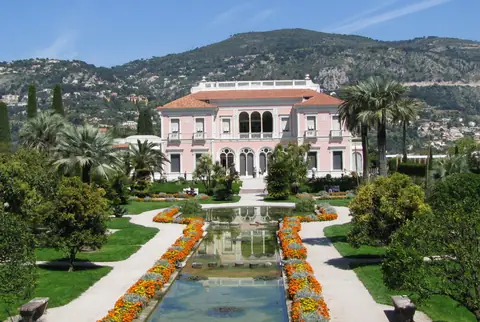
Èze, Saint-Jean-Cap-Ferrat and Monaco Day Trips: Villa Ephrussi de Rothschild & Cliffside Villages
Nice, France
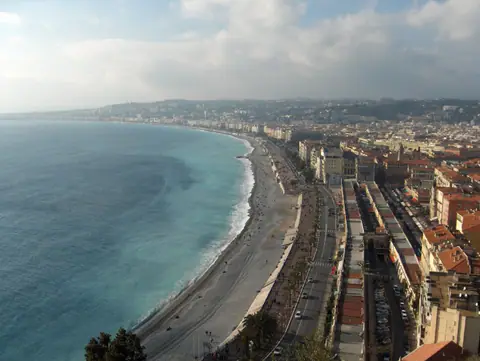
Nice: Essential Planning for the French Riviera Capital
Nice, France
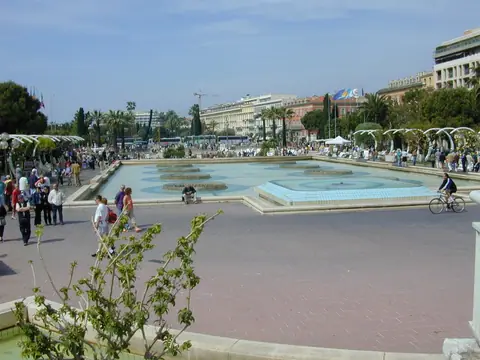
Things to Do in Nice: Seafront Promenades, Baroque Old Town & Art Museums
Nice, France
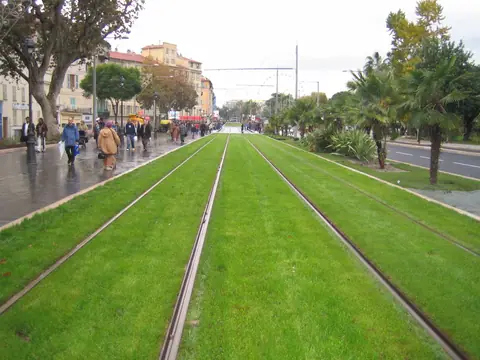
How to Get to Nice: Nice Côte d'Azur Airport, Gare de Nice-Ville & Lignes d'Azur Trams
Nice, France
