Japan Travel Guide: Regions, Routes and Practical Tips
How to choose regions, build a route and handle trains, money and etiquette on a first trip to Japan.
Japan is easier to travel than its reputation suggests. Trains leave on the minute, signs in the big cities are in English as well as Japanese, and the country is very safe. What catches first-timers out is the planning: distances are longer than they look on a map, the seasons change the whole picture, and a handful of rules (on taxes, rail passes and Mount Fuji) have shifted in the last few years. This guide covers the regions, three routes, and the practical side, with our Kyoto pages for the detail on the old capital.
The short answer
For a first trip of ten days to two weeks, fly into Tokyo, leave from Osaka, and ride the Shinkansen in between. Booking an "open jaw" ticket like this saves a full day of backtracking. The classic line, often called the Golden Route, runs Tokyo, Hakone or the Fuji lakes, Kyoto, Nara, Osaka, and then Hiroshima and Miyajima if time allows.
It is the classic route for a reason. It gives you the biggest modern city on earth, a mountain landscape, the temples and wooden streets of Kyoto, and Osaka's food, all on one fast rail line. Go further (Kanazawa, Hokkaido, Okinawa) on a second trip, or swap one of them in once you have the basics.
The regions at a glance
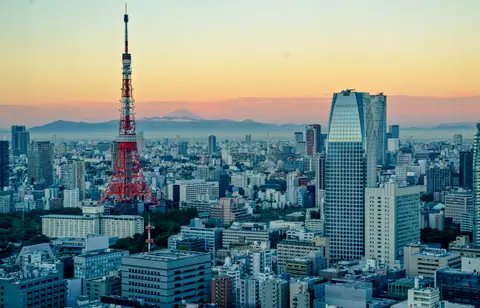
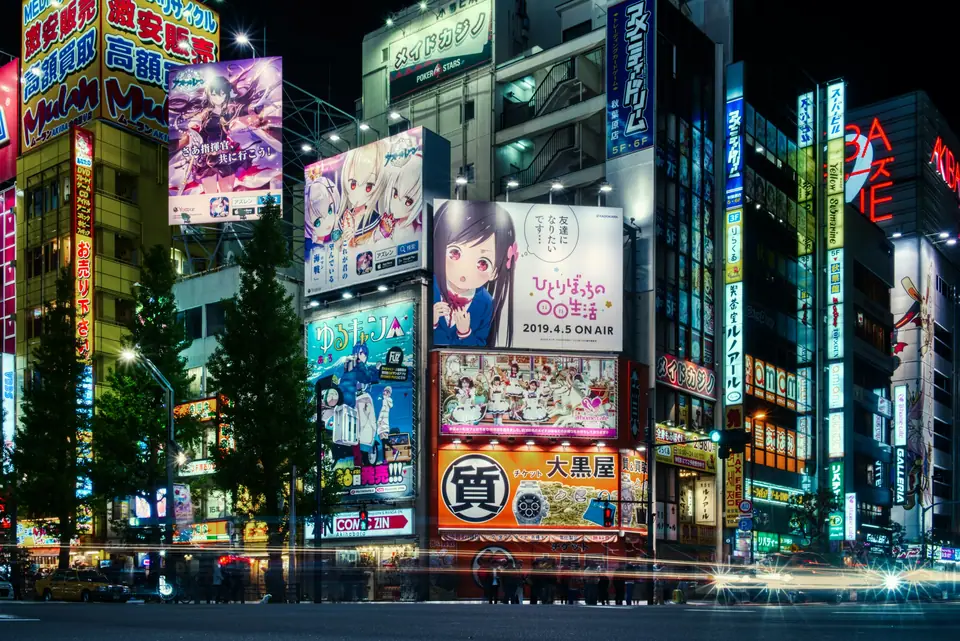
- Tokyo. Less one city than a cluster of neighbourhoods, each with its own station. Shibuya's scramble crossing, the Meiji Shrine forest, Senso-ji temple in Asakusa, the side streets of Shimokitazawa and Yanaka, and views from the Shibuya Sky deck or the Tokyo Metropolitan Government Building. Four days is a sensible minimum.
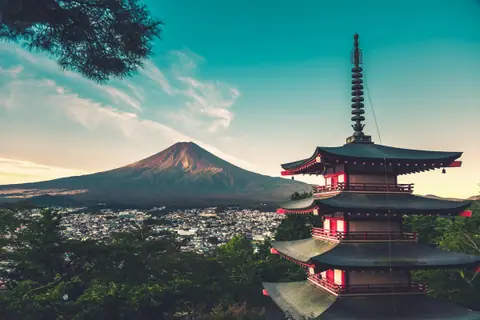
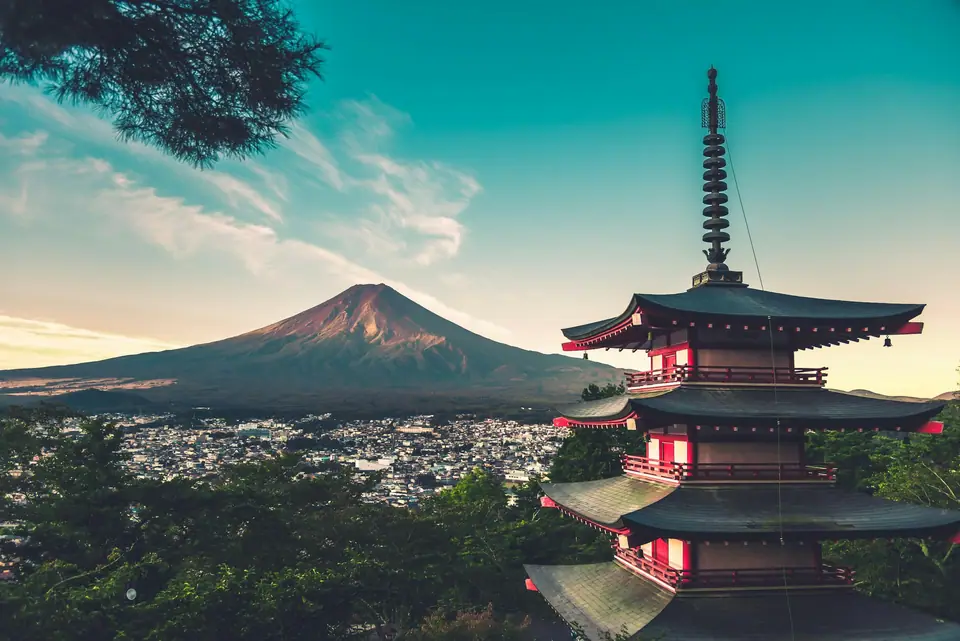
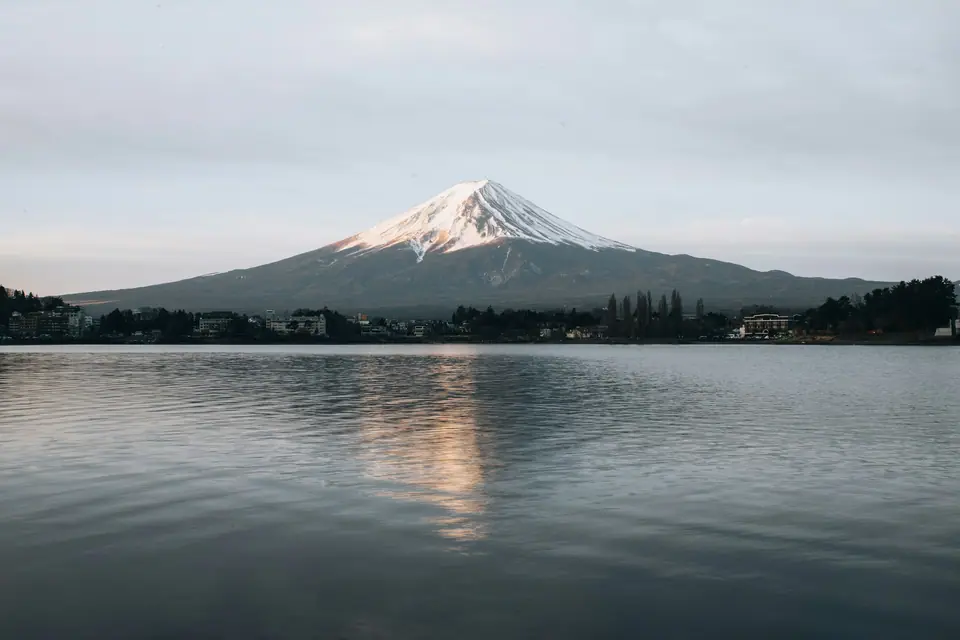
- Hakone and the Fuji Five Lakes. Two separate bases for seeing Mount Fuji. Hakone has hot spring inns, a ropeway over the volcanic valley of Owakudani and a pirate-ship cruise on Lake Ashi. Kawaguchiko, on the north side, has the closer and more reliable views. Fuji hides behind cloud for much of the summer, so do not build a whole day around it.
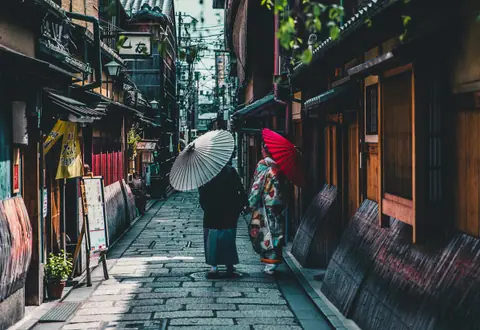
- Kyoto. The imperial capital for over a thousand years, with Fushimi Inari's tunnels of orange gates, Gion's wooden teahouses and the Arashiyama bamboo grove. It is also the most crowded place on this list. Our Kyoto travel guide explains how to plan around that.
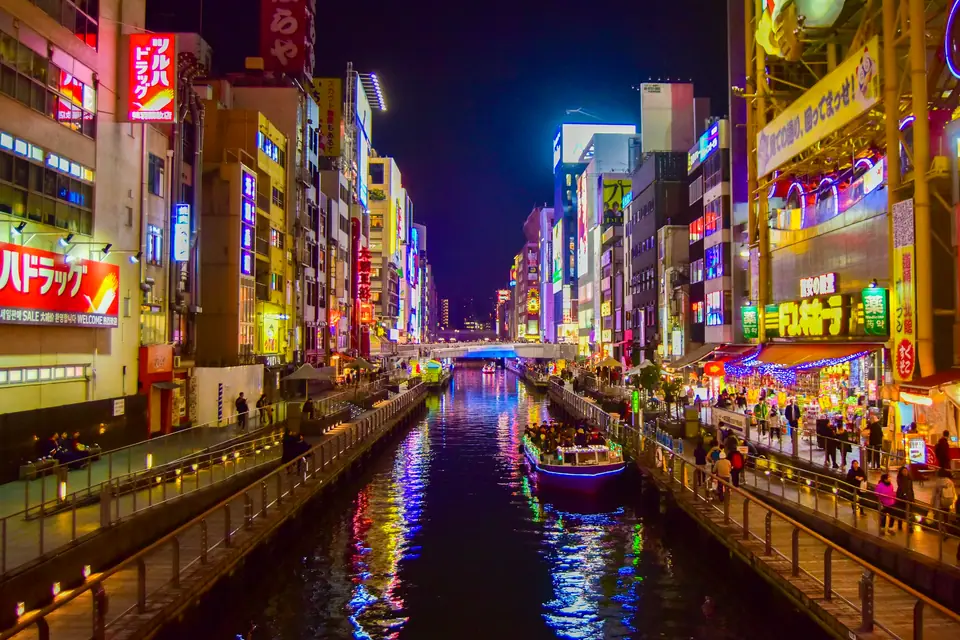
- Osaka. Japan's kitchen: louder, cheaper and more casual than Kyoto. Neon Dotonbori, the Kuromon market, the castle and Universal Studios. It is under half an hour from Kyoto by train, so it works as a base for both.
- Nara. Japan's first permanent capital, a day trip from Kyoto or Osaka. The giant bronze Buddha in Todai-ji, the lantern-lined Kasuga Taisha shrine, and over a thousand free-roaming deer that bow for crackers (and nip if you tease them).
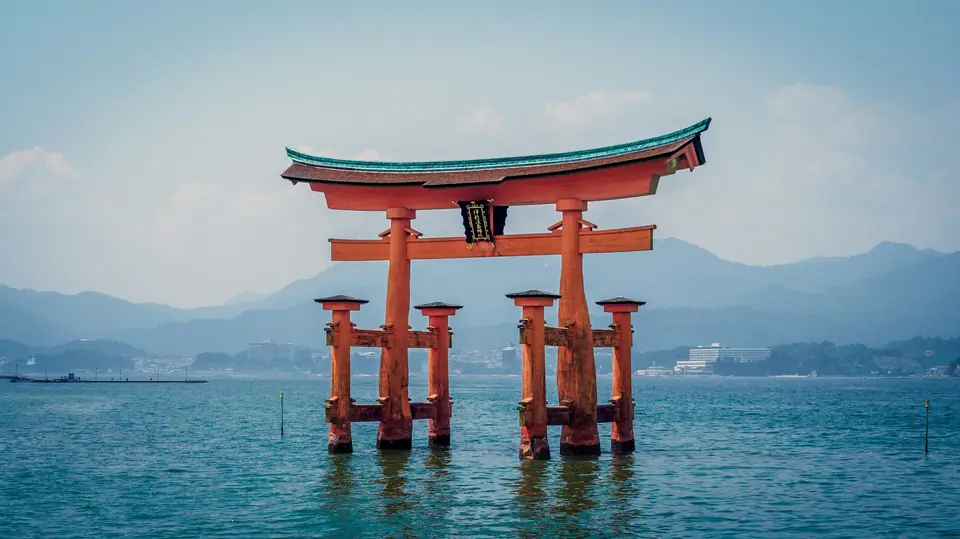
- Hiroshima and Miyajima. The Peace Memorial Park and museum are sobering and essential. Miyajima, a short train and ferry ride away, is the island of the "floating" torii gate of Itsukushima Shrine.
- Kanazawa. A castle town on the Sea of Japan with Kenroku-en (one of the three great gardens of Japan), a preserved geisha district, and seafood at Omicho market. About two and a half hours from Tokyo on the Hokuriku Shinkansen.
- Hokkaido. The northern island: Sapporo, powder snow at Niseko, lavender around Furano in July, and wide national parks. Fly there; it is too far to add by train on a short trip.
- Okinawa. Subtropical islands far to the south, with coral beaches and a separate Ryukyu culture. A beach extension by plane, not part of a first rail route.
How long, and three sample routes
Our rule: no fewer than two nights in any base, and one "slow" day in every four. Jet lag from Europe or America hits hardest on day two or three, so keep that day light.
7 days: Tokyo and Kyoto
- Days 1 to 3: Tokyo.
- Day 4: Shinkansen to Kyoto (about two and a quarter hours on the fastest Nozomi). Afternoon in Gion.
- Days 5 and 6: Kyoto, following our 3-day Kyoto itinerary, with one morning at Fushimi Inari before the crowds.
- Day 7: fly home from Kansai Airport, or ride back to Tokyo.
Seven days is tight for two cities this large. Resist the urge to add a third.
10 days: the Golden Route
- Days 1 to 3: Tokyo.
- Day 4: Hakone or Kawaguchiko, one night in a ryokan (a traditional inn with tatami rooms and a hot spring bath).
- Days 5 to 7: Kyoto, with half a day in Nara.
- Days 8 and 9: Osaka, with a day trip to Hiroshima and Miyajima by Shinkansen.
- Day 10: fly home from Kansai.
14 days: Golden Route plus Kanazawa
- Days 1 to 4: Tokyo, with a day trip to Nikko or Kamakura.
- Day 5: Hakone.
- Days 6 and 7: Kanazawa, reached via Tokyo on the Hokuriku Shinkansen.
- Days 8 to 10: Kyoto, with Nara.
- Days 11 and 12: Hiroshima, with a night on Miyajima after the day visitors leave.
- Days 13 and 14: Osaka, then fly home.
Since 2024 the Hokuriku line runs south past Kanazawa to Tsuruga, where you change to a limited express for Kyoto. That makes a Tokyo, Kanazawa, Kyoto loop simple.
Getting around: trains, passes and luggage
The Shinkansen
The bullet train links almost every city on the routes above. Nozomi trains are the fastest on the Tokyo to Osaka line, Hikari trains stop a little more often, and Kodama trains stop everywhere. Reserved seats are sensible in busy periods; you can book on the SmartEX app or at station machines with an English menu. Bags over 160 cm in total dimensions need an oversized luggage seat, booked in advance.
Does the JR Pass still pay off?
Less often than it did. The national Japan Rail Pass (7, 14 or 21 days) rose steeply in price in October 2023, and buying it through overseas agents costs a little more again from October 2026. A simple Tokyo to Kyoto to Osaka trip usually comes out cheaper on single tickets. The pass tends to pay off only if you cover long distances in a short time, for example Tokyo to Hiroshima and back inside a week, plus side trips.
Two catches: pass holders need a paid supplement ticket for every Nozomi and Mizuho ride, and the pass does not cover private railways or city subways. Price your route with a fare calculator before buying, and look at the regional JR passes (for Kansai, Hiroshima, Hokuriku and others), which are often a better fit. Check the official Japan Rail Pass site for current conditions.
IC cards
Suica (Tokyo) and ICOCA (Kansai) are rechargeable smart cards that work on trains, subways and buses almost nationwide, and in convenience stores and vending machines. They are interchangeable, so one card covers the whole trip. iPhone users can add either to Apple Wallet; most Android phones bought abroad cannot. Our guide to getting to Kyoto covers the cards and the Haruka airport express in detail.
Send the suitcase ahead
Takkyubin is Japan's door-to-door luggage service, run mainly by Yamato Transport and Sagawa. Hand your case to the hotel front desk or a convenience store, and it usually arrives at the next hotel the following day. Travel between cities with a day bag. It makes a ryokan night in Hakone far easier, and it keeps you out of the way of commuters on crowded trains.
When to go
Spring and autumn are the popular seasons, and for good reason: mild weather, clear light, and the two landscapes that made Japan famous. They are also when hotels fill months ahead.
- Cherry blossom (sakura): late March to early April in Tokyo and Kyoto, later further north. Peak bloom lasts about a week, and forecasts move each year.
- Golden Week: a run of public holidays from late April into early May. Half of Japan travels, and trains and hotels are at their fullest. Avoid it if your dates are flexible, along with the mid-August Obon week and New Year.
- Rainy season (tsuyu): roughly early June to mid-July on the main island. Warm, grey and humid, with quieter temples. Hokkaido largely escapes it.
- Summer: July and August are hot and very humid. This is festival season, and the only window for climbing Fuji.
- Typhoons: most likely from August to October, especially in Okinawa and the south. One can stop trains and flights for a day, so keep an unplanned day in the schedule.
- Autumn leaves (koyo): from October in Hokkaido to mid and late November in Tokyo and Kyoto.
- Winter: cold, dry and clear in Tokyo and Kyoto, with the best Fuji views of the year. Skiing in Hokkaido and the Japanese Alps.
For Kyoto month by month, see our best time to visit Kyoto guide.
Money, tipping and manners
Cards and phone payments are now accepted in most hotels, chain restaurants and shops, but cash still matters more than in Europe. Small restaurants, temple entrances, market stalls and rural buses often take cash only. Carry some yen at all times. The ATMs in 7-Eleven stores (and in post offices) reliably accept foreign cards; many bank ATMs do not.
There is no tipping in Japan. Leaving money on the table usually sends a waiter chasing you down the street to return it. Good service is simply part of the job.
The rules of behaviour are few, and locals forgive visitors most slips. The ones that matter:
- Shoes off at the entrance to homes, ryokan, many temple halls and some restaurants. A raised step or a row of slippers is the signal. Separate toilet slippers stay in the toilet.
- Onsen (hot spring baths) are entered naked, after washing thoroughly at the seated showers. Towels stay out of the water. Many baths still refuse guests with tattoos; look for "tattoo friendly" baths or book a private bath (kashikiri).
- Quiet on trains. No phone calls, low voices, phone on silent. Queue at the marked lines on the platform.
- Take your rubbish with you. Public bins are rare. Convenience stores usually have them.
- Eat standing still. Walking while eating is frowned on in many places; stand next to the stall or vending machine instead.
What to eat
Most restaurants in Japan specialise in one thing and do it well. Pick the dish first, then find the shop.
- Ramen: wheat noodles in broth. Tonkotsu (rich pork bone) is from Kyushu, miso ramen from Sapporo, and Tokyo's classic is soy-based shoyu. Many shops take orders through a ticket machine at the door.
- Sushi: from conveyor-belt kaiten-zushi to counter restaurants where the chef serves one piece at a time. Tokyo's Toyosu and Tsukiji areas and Kanazawa's Omicho market are strong for fish.
- Okonomiyaki: a savoury cabbage pancake cooked on a hotplate. Osaka mixes everything into the batter; Hiroshima layers it with noodles.
- Takoyaki: Osaka's octopus-filled batter balls, served scalding hot. Wait a minute before biting.
- Kaiseki: the formal multi-course meal of small seasonal dishes, often served at dinner in a ryokan and at its most refined in Kyoto.
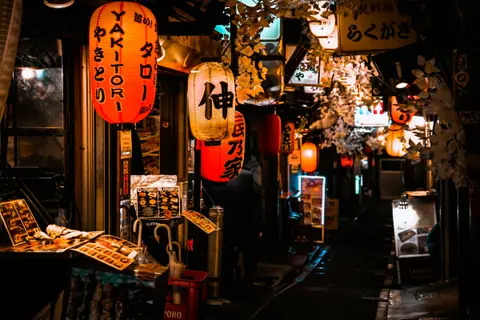
- Izakaya: Japanese pubs with shared plates such as yakitori (grilled chicken skewers), karaage (fried chicken) and edamame.
- Konbini food: convenience stores sell onigiri (rice balls wrapped in seaweed), sandwiches and hot snacks that locals eat daily. Breakfast sorted.
- Ekiben: boxed lunches sold at stations, each region with its own. Eating on the Shinkansen is normal, unlike on local trains.
Practical questions
Do we need a visa?
Citizens of many countries, including the UK, the US, Canada, Australia and most of the EU, can currently enter Japan visa-free for short tourist stays. The list and the permitted length of stay vary, so check with the Ministry of Foreign Affairs of Japan or your nearest Japanese embassy. Filling in Visit Japan Web before you fly gives you QR codes that speed up immigration and customs.
What is JESTA?
JESTA is a planned online travel authorisation for visa-exempt visitors, similar to the American ESTA. As of September 2026 it is not in operation, and the government is aiming for fiscal 2028. Verify the current status before booking, and ignore websites that already claim to sell it.
How does tax-free shopping work now?
The system changed on 1 November 2026. Shoppers now pay the full price including consumption tax, and the tax is refunded after customs checks the goods at departure. Goods must leave Japan within 90 days of purchase, and every item on a receipt has to be shown; a missing item can cancel the refund for that whole purchase. Keep purchases packed together in your hand luggage, allow extra time at the airport, and check the store's refund method when you buy.
What taxes will we pay as visitors?
- Departure tax: the International Tourist Tax is added to every air and ship ticket out of Japan. It tripled in July 2026 and is normally already in the ticket price.
- Accommodation taxes: Tokyo, Osaka, Kyoto and a growing number of other places charge a per-person, per-night hotel tax. Kyoto's rose sharply in March 2026 and scales with the room rate; our where to stay in Kyoto guide explains it.
- Miyajima visitor tax: a small levy on everyone arriving by ferry, collected automatically with the ferry fare.
Can we climb Mount Fuji?
Only in summer: the trails open in early to mid July and close on 10 September. All four main trails now charge a climbing fee. The Yoshida trail, the most popular, needs an advance online booking and has a daily cap, while the three Shizuoka trails need online pre-registration and a short safety course. Gates are closed overnight to stop exhausted "bullet climbs", except for hikers with a mountain hut booking. Check the official Mt. Fuji climbing site before planning, and take proper boots and warm layers: the summit is near freezing even in August.
The trip after the first trip
Most people come home from the Golden Route already planning the next visit, and the second trip is where Japan opens up. It might be a slow week on the Kumano Kodo pilgrimage trails in the Kii mountains, the art islands of the Seto Inland Sea, the snow country of Tohoku in February, or ten days of nothing but Hokkaido.
The first trip teaches the system: how the trains work, how to order from a ticket machine, how to take a bath. Learn it well, stay a night longer in Kyoto than you planned, and walk up Fushimi Inari at dawn once. The rest of the country will be easier for it.