


























Best Time to Visit Santiago: Seasons, Andes Visibility and Harvest
Compare Santiago’s Mediterranean seasons using 1991 to 2020 climate normals, from autumn wine harvests and crisp spring skies to winter snow in the Andes.
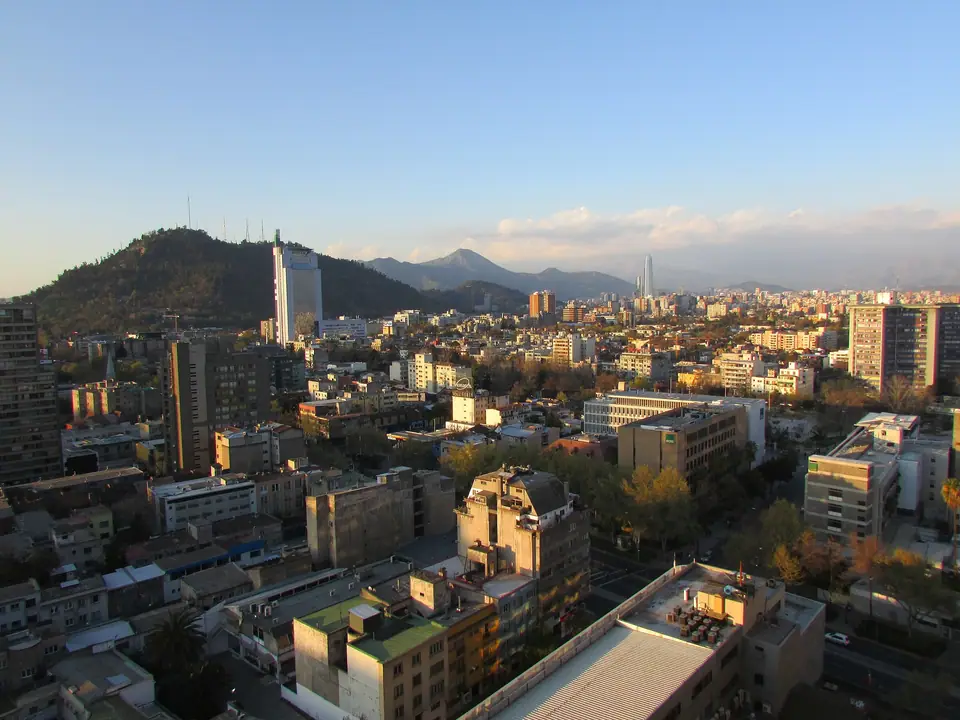
Situated at 33°S latitude in Chile’s Central Valley, Santiago enjoys a cool Mediterranean climate (Köppen Csb) defined by over 2,590 hours of annual sunshine, warm dry summers, and cool winters. According to 1991 to 2020 normals recorded by the Dirección Meteorológica de Chile at Quinta Normal station, annual precipitation totals just 286.3 millimetres, nearly 80 per cent of which falls during the four Southern Hemisphere winter months from May to August.
Spring (September to November) and Autumn (March to May)
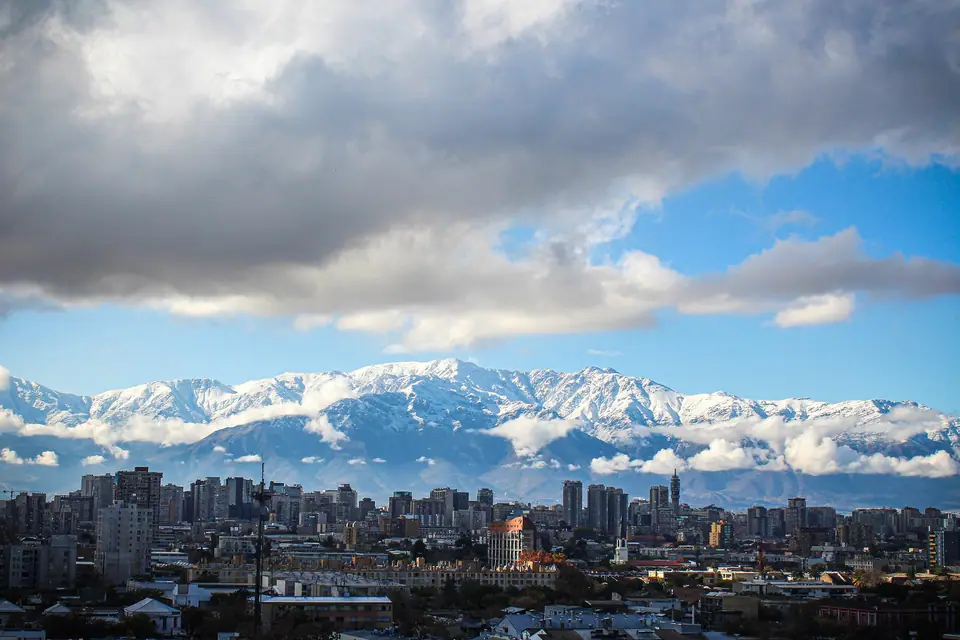
The shoulder seasons of spring and autumn are the most rewarding times to visit Santiago. In spring (September to November), winter snow still blankets the high Andes above 3,000 metres while daytime temperatures in the city climb from 20.1 °C in September to 26.6 °C in November, with only one to three rainy days per month. Around 18 and 19 September, Chile celebrates Fiestas Patrias (Independence and Army Days) with open-air fondas in Parque O’Higgins and Parque Padre Hurtado, folk cueca dancing, and fresh empanadas de pino.
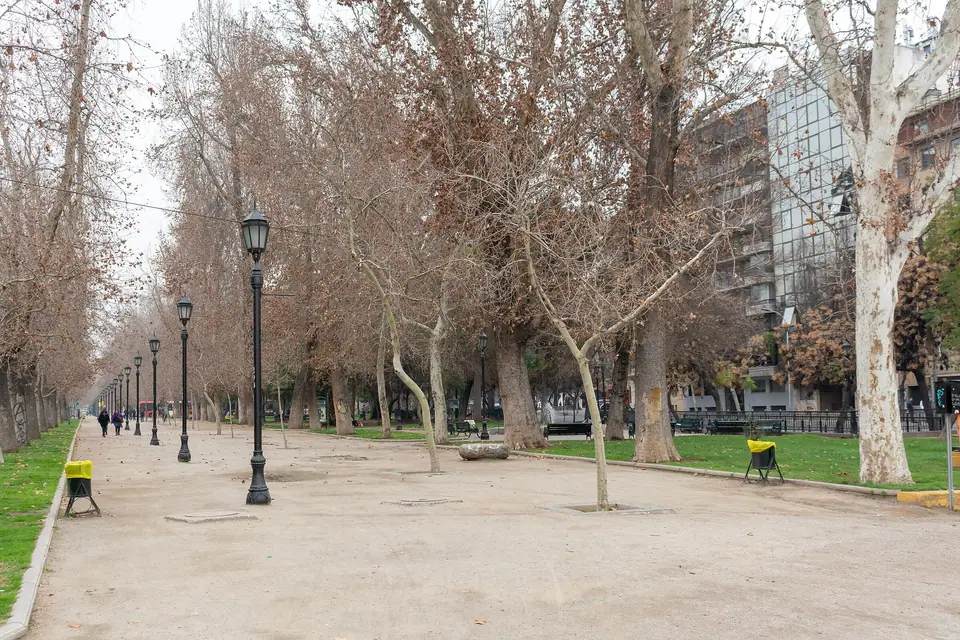
Autumn (March to May) brings golden plane trees along Parque Forestal and Parque Bicentenario, comfortable afternoon highs of 27.9 °C in March and 23.3 °C in April, and the annual vendimia (grape harvest) across the Maipo, Casablanca, and Colchagua wine valleys.
Summer (December to February): Long Evenings and Dry Heat
Summer is hot, rainless, and brilliantly sunny, averaging 325 to 328 hours of sunshine per month in December and January. Afternoon highs reach 29.0 °C to 30.4 °C, though low relative humidity and a reliable southwest afternoon breeze make the heat far less oppressive than in humid capitals, and nights cool rapidly to between 12.2 °C and 13.6 °C. Because many local families head to the Pacific coast in January and February, Metro trains and city traffic are noticeably quieter, making summer ideal for late sunset walks in Barrio Bellavista and high-altitude excursions to Embalse El Yeso in Cajón del Maipo.
Winter (June to August): Ski Season and Post-Rain Views
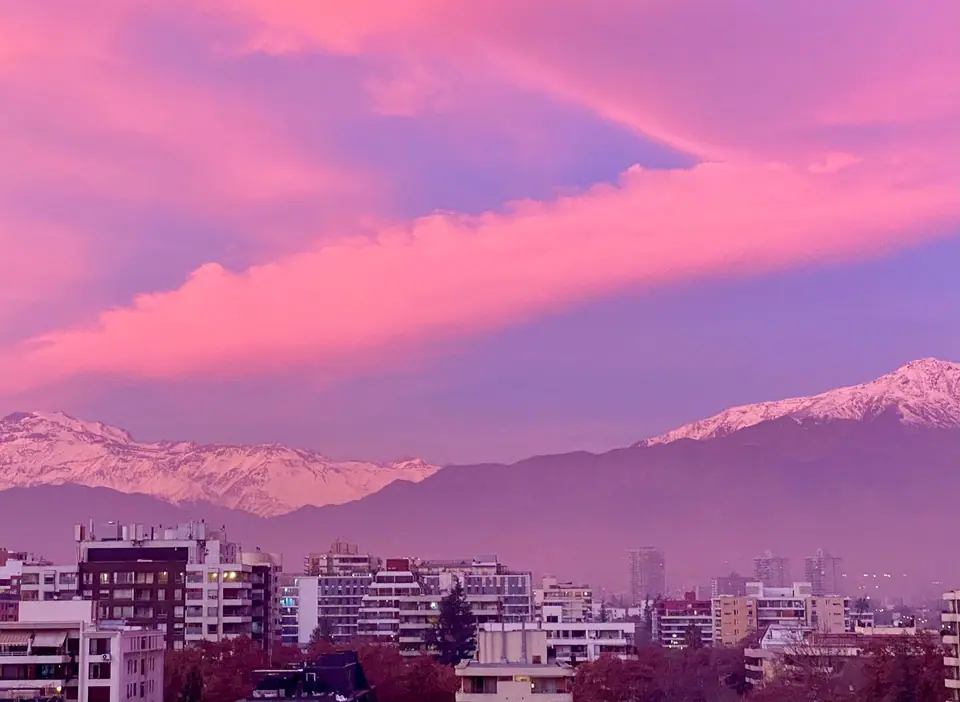
Winter brings average daytime highs of 15.7 °C to 17.6 °C and crisp overnight lows of 3.8 °C to 4.9 °C, along with four to five rainy days per month. While calm winter days can trap a layer of thermal inversion haze over the basin, the morning immediately following a winter rainstorm reveals the most dramatic spectacle in Santiago: freshly powdered white mountains towering right down to the eastern foothills, with the ski pistes of Valle Nevado, El Colorado, and La Parva just 90 minutes’ drive away.
Traveller tips
Real advice from people who have been to Best Time to Visit Santiago: Seasons, Andes Visibility and Harvest. Every tip is read by our team before it goes live.
No tips yet. Been here? Yours could be the first.
Thank you! Your tip will appear here after a quick review.
More in Santiago
Continue exploring Santiago with related neighbourhood, food, and planning guides
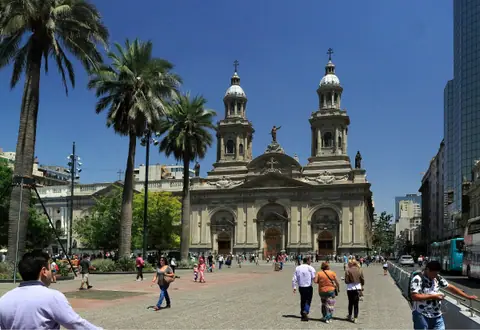
Santiago 3-Day Itinerary: Historic Plazas, Hilltop Parks and the Andes
Santiago, Chile

What to Eat in Santiago: Pastel de Choclo, Seafood and Fuentes de Soda
Santiago, Chile
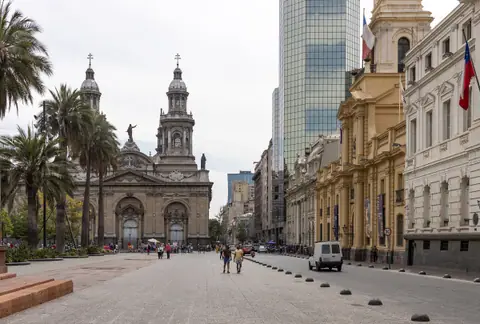
Plaza de Armas, Metropolitan Cathedral and the Pre-Columbian Art Museum
Santiago, Chile
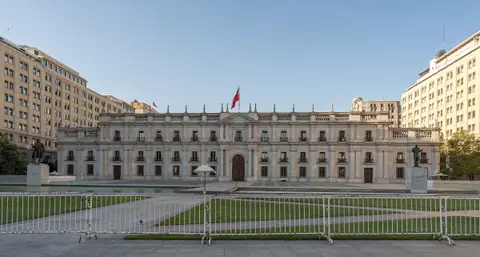
Palacio de La Moneda, Barrio Cívico and Barrio París-Londres
Santiago, Chile
