


























Quinta Normal Park and the Museum of Memory and Human Rights
Visit the cantilevered Museum of Memory and Human Rights on Avenida Matucana and explore 1841 Parque Quinta Normal’s natural history and railway museums.
At the western edge of central Santiago along Avenida Matucana, directly outside Quinta Normal station on Metro Line 5, two landmark institutions sit across the street from one another: Chile’s contemporary museum dedicated to the memory of the 1973 to 1990 dictatorship, and the republic’s oldest public park, founded in 1841 as a botanical and scientific showcase. Pairing the two makes for a deeply informative morning visit.
Museo de la Memoria y los Derechos Humanos (MMDH)
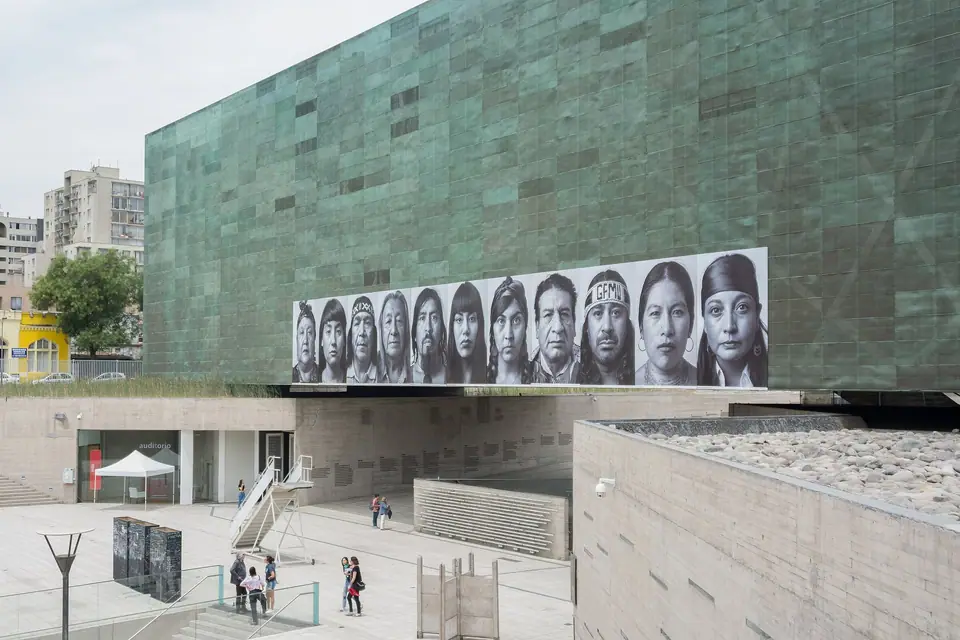
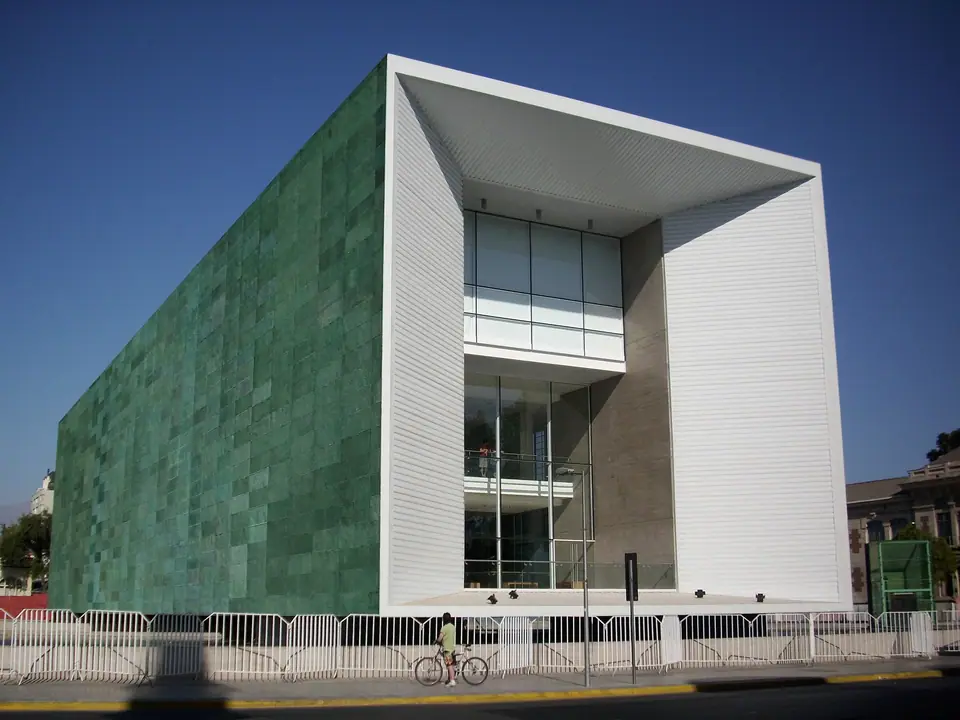
Inaugurated on 11 January 2010 by President Michelle Bachelet at Avenida Matucana 501, the Museo de la Memoria y los Derechos Humanos commemorates the victims of human rights violations committed by the civic-military dictatorship of General Augusto Pinochet between 11 September 1973 and 11 March 1990. Designed by Brazilian architects Estudio America (Mario Figueroa, Lucas Fehr, and Carlos Dias), the building is a rectangular bar clad in perforated green oxidized copper and glass, cantilevered across an open civic square (Plaza de la Memoria) and suspended over a reflective water pool.
Drawing on Chile’s national truth commissions (the 1991 Rettig Report and the 2004 Valech Report) and archives inscribed on UNESCO’s Memory of the World register, the three floors trace the period with clarity (English audio guides are available at the entrance):
- First Floor: Covers the 11 September 1973 coup d’état, the bombing of Palacio de La Moneda, President Salvador Allende’s final radio broadcast, and a map of detention centres across Chile.
- Second Floor: Documents state repression, censorship, torture, forced disappearances, the vertical wall of photographic portraits of the detenidos desaparecidos illuminated by memorial candles, and handicrafts and letters created by political prisoners alongside the work of the Vicaría de la Solidaridad.
- Third Floor: Chronicles the 1980s civil protests, the “No” campaign in the 5 October 1988 plebiscite, and the return to democracy in 1990; check the official site for current opening days.
Parque Quinta Normal, Natural History Museum and Railway Museum
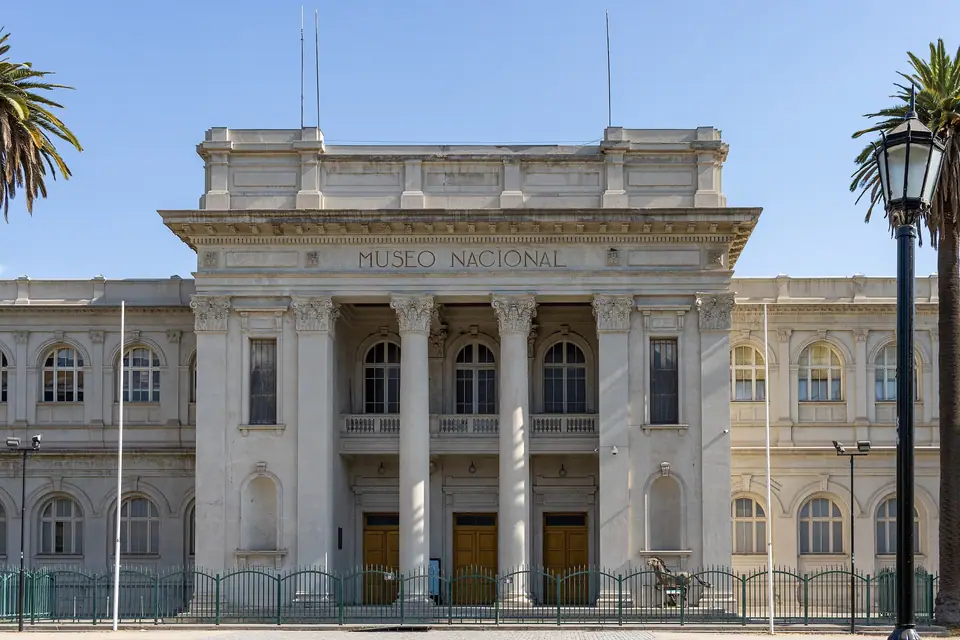
Cross Avenida Matucana into Parque Quinta Normal, spanning 35 hectares of plane trees, palm avenues, and a boating lagoon. Established in 1841 under President Manuel Bulnes on the recommendation of French naturalist Claudio Gay, the Quinta Normal de Agricultura served as Chile’s first botanical garden and agricultural experiment station. Its centrepiece is the neoclassical Palacio de la Exposición, designed by Paul Lathoud for the 1875 International Exhibition of Santiago.
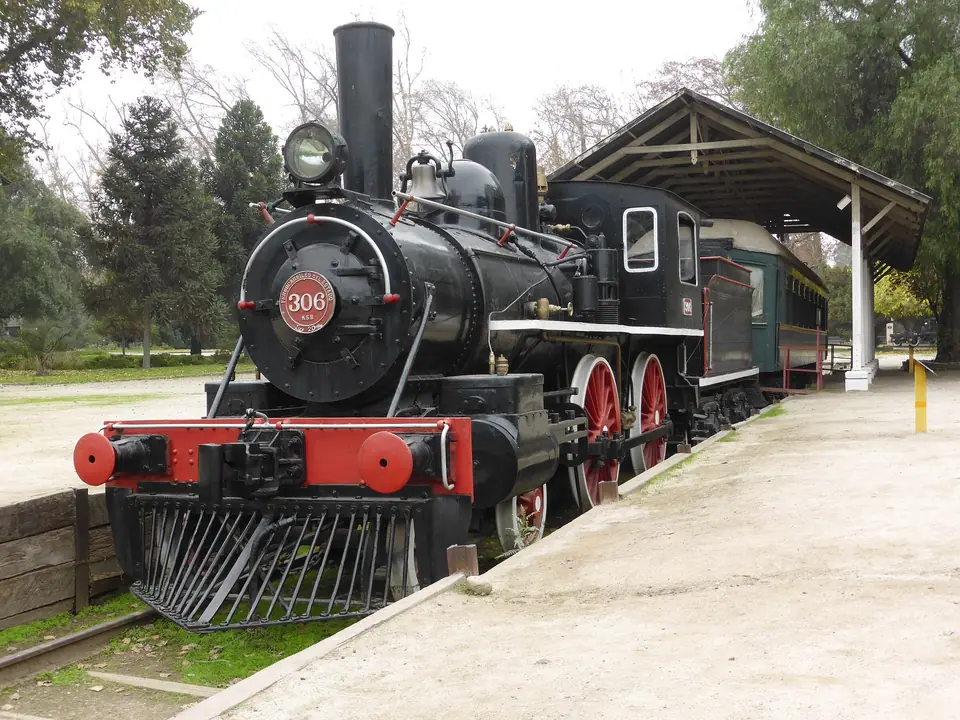
Since 1876, this palace has housed the Museo Nacional de Historia Natural (MNHN) (founded by Gay in 1830), where a 17-metre whale skeleton named Greta hangs in the central hall. Further inside the park, the open-air Museo Ferroviario de Santiago displays 16 Chilean steam locomotives built between 1884 and 1953, while on Avenida Portales stands the Museo Artequin inside the metallic Pabellón París fabricated for Chile at the 1889 Paris Universal Exposition.
Traveller tips
Real advice from people who have been to Quinta Normal Park and the Museum of Memory and Human Rights. Every tip is read by our team before it goes live.
No tips yet. Been here? Yours could be the first.
Thank you! Your tip will appear here after a quick review.
More in Santiago
Continue exploring Santiago with related neighbourhood, food, and planning guides
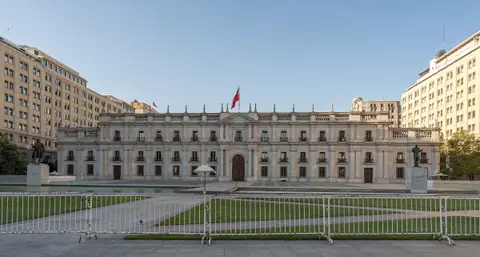
Palacio de La Moneda, Barrio Cívico and Barrio París-Londres
Santiago, Chile
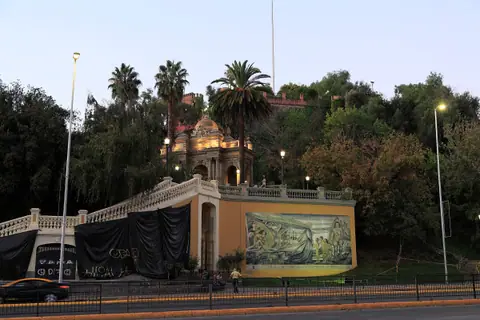
Cerro Santa Lucía, Barrio Lastarria and Parque Forestal
Santiago, Chile
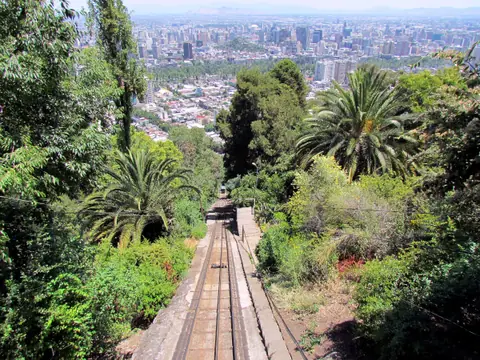
Cerro San Cristóbal, Parque Metropolitano, Funicular and Teleférico
Santiago, Chile
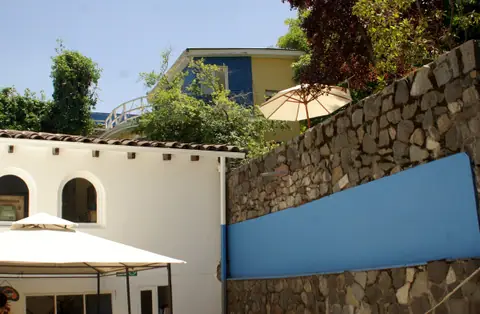
Barrio Bellavista and Pablo Neruda’s House-Museum, La Chascona
Santiago, Chile
