


























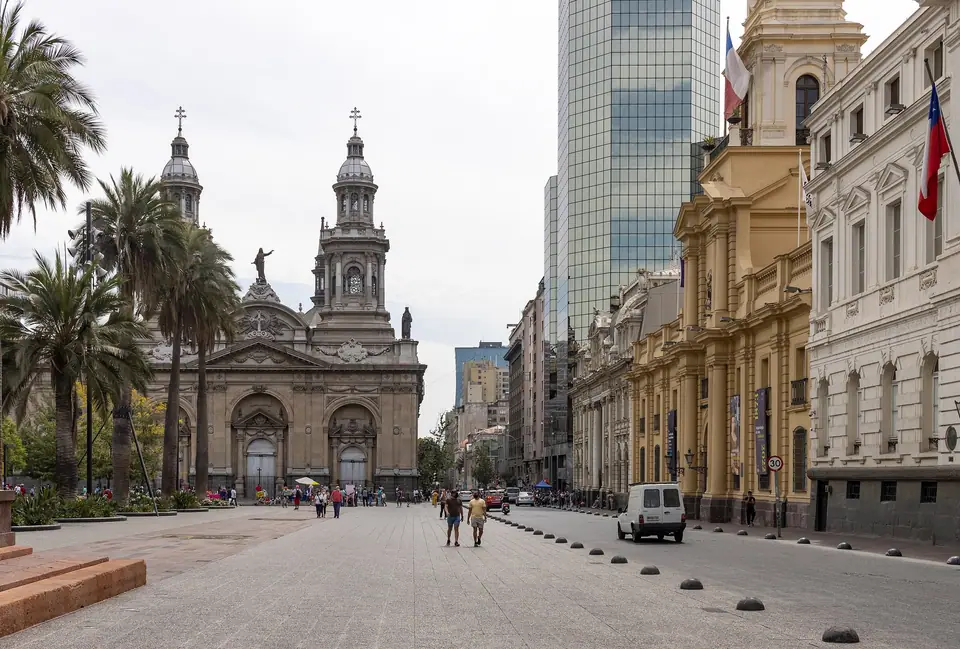
Plaza de Armas, Metropolitan Cathedral and the Pre-Columbian Art Museum
Explore Santiago’s 1541 founding square, the neoclassical Metropolitan Cathedral, the National History Museum, and the Chilean Museum of Pre-Columbian Art.
Laid out in February 1541 by master builder Pedro de Gamboa under Pedro de Valdivia, Plaza de Armas has anchored Santiago’s checkerboard grid for nearly five centuries. Archaeological research by Rubén Stehberg and Gonzalo Sotomayor confirmed that the Spanish conquistadors superimposed their damero grid directly over an existing Inca (Tawantinsuyu) administrative centre connected to the Qhapaq Ñan road network. Declared a National Monument (Zona Típica) in 1986, the palm-shaded square marks the Kilometre Zero of Chile.
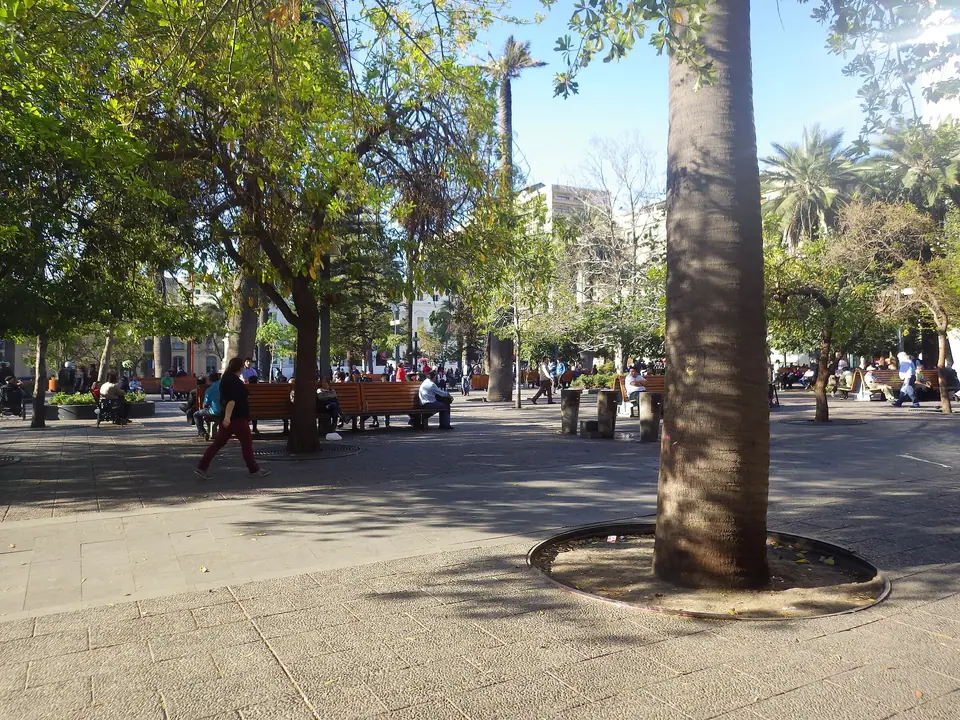
The Metropolitan Cathedral and the Northern Civic Facades
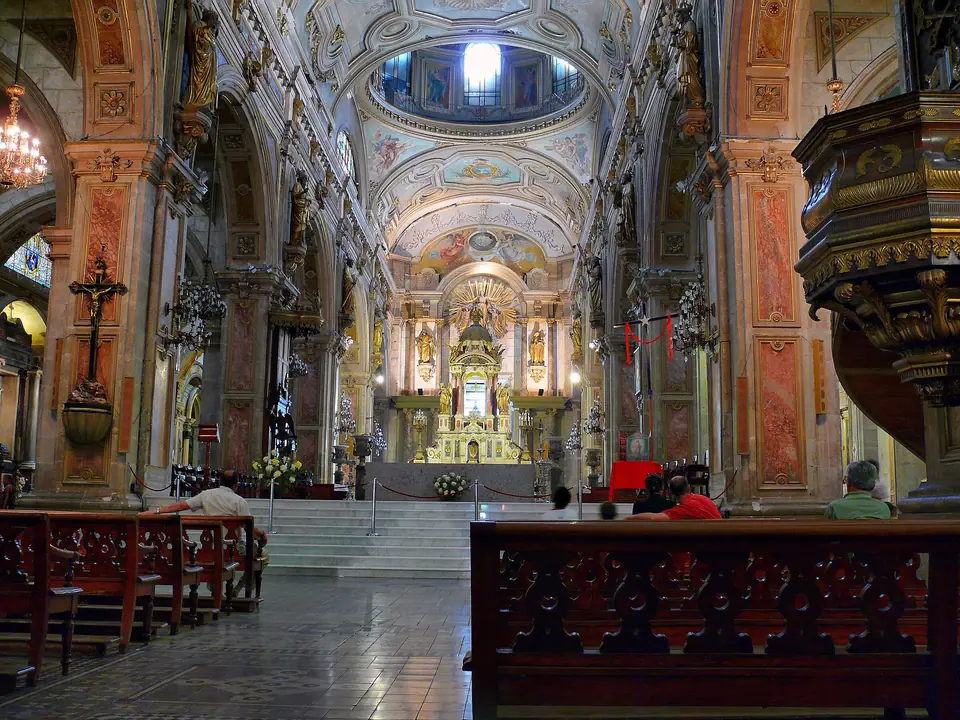
Occupying the western side of the square, the Catedral Metropolitana de Santiago is the fifth church constructed on this site after colonial earthquakes in 1647, 1657, and 1730 levelled its predecessors. Work on the current 100-metre stone church began in 1748 from plans by Bavarian Jesuits Pedro Vogl and Juan Hagen; in 1780, Roman-trained neoclassical architect Joaquín Toesca took charge of the facade and the adjoining Parroquia del Sagrario, while Ignacio Cremonesi added the twin bell towers and gilded coffered nave arches at the end of the 19th century. Inside stands a baroque silver altar in the Chapel of the Blessed Sacrament.
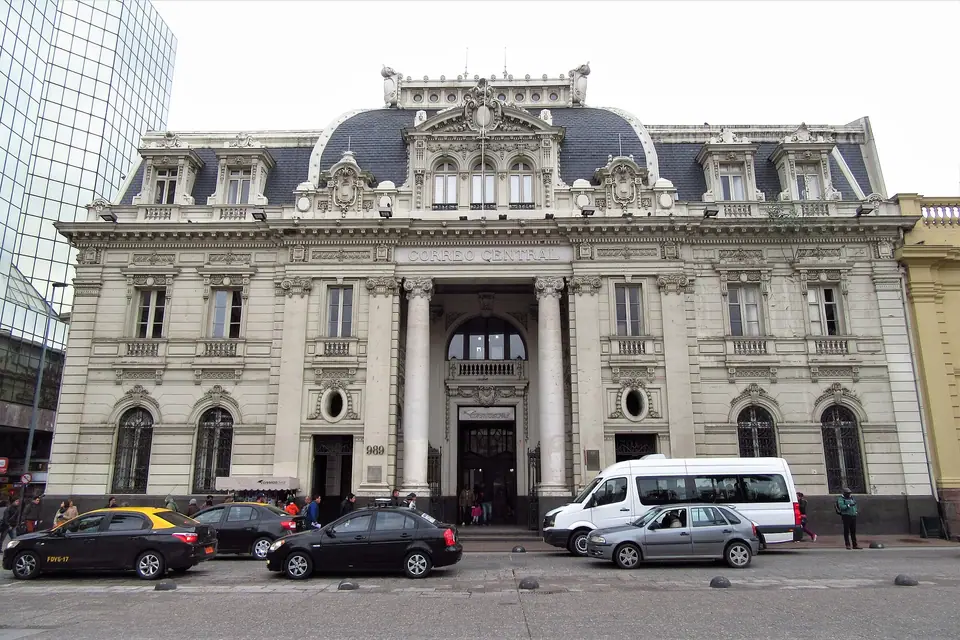
Lining the northern side of Plaza de Armas are three historic civic palaces:
- Correo Central (Central Post Office): Standing on the corner plot originally claimed by Pedro de Valdivia and used by colonial governors until 1846, rebuilt in neoclassical style in 1881 and topped with a French Mansard third floor and dome in 1903.
- Museo Histórico Nacional (Palacio de la Real Audiencia): Built between 1804 and 1807 by Toesca’s pupil Juan José de Goycolea for the high colonial court, and site of the First National Junta in 1810; its clock tower offers elevated views over the square.
- Ilustre Municipalidad de Santiago: Rebuilt in neoclassical style on the site of the colonial Cabildo (town hall).
Museo Chileno de Arte Precolombino and Paseo Bandera
One block southwest at Bandera 361 stands the Museo Chileno de Arte Precolombino, founded in December 1981 by architect Sergio Larraín García-Moreno inside the 1805 neoclassical Palacio de la Real Aduana. Its subterranean Chile antes de Chile gallery, created during a 2014 expansion by architect Smiljan Radic, showcases Chinchorro mummies from the Atacama coast (dating back over 5,000 years B.C., the world’s oldest artificially mummified remains), 3,000-year-old Andean textiles, Diaguita ceramics, and wooden Mapuche funerary figures (chemamüll). From the museum entrance, follow the painted pedestrian murals of Paseo Bandera south toward Palacio de La Moneda or walk east toward Cerro Santa Lucía; check the official site for current opening days.
Traveller tips
Real advice from people who have been to Plaza de Armas, Metropolitan Cathedral and the Pre-Columbian Art Museum. Every tip is read by our team before it goes live.
No tips yet. Been here? Yours could be the first.
Thank you! Your tip will appear here after a quick review.
More in Santiago
Continue exploring Santiago with related neighbourhood, food, and planning guides
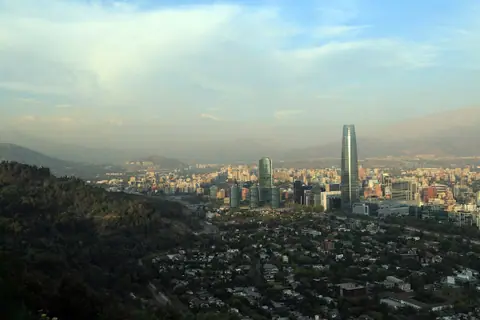
Sky Costanera, Providencia, Parque Bicentenario and Cajón del Maipo
Santiago, Chile
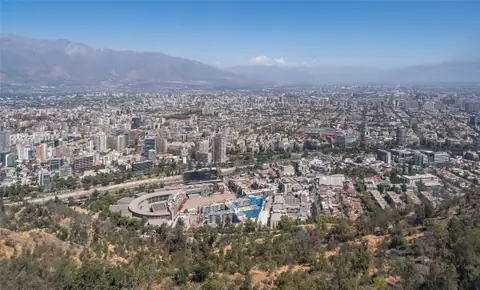
Santiago: Layout, Communes and Planning Essentials
Santiago, Chile
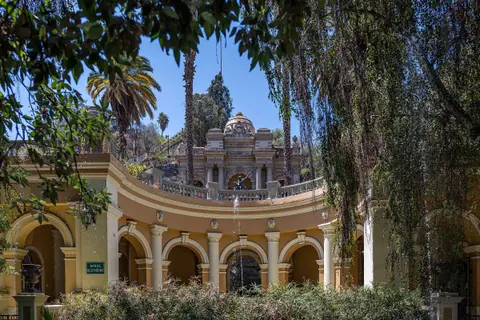
Best Things to Do in Santiago: Hilltop Parks, Museums and Markets
Santiago, Chile
How to Get to Santiago: SCL Airport, Metro Lines and Bus Terminals
Santiago, Chile
