Santiago
Set at 567 metres in a wide basin framed by the snow-capped Andes, Chile’s capital pairs 18th-century neoclassical monuments and cast-iron markets with bohemian hillside quarters, South America’s largest metro network, and easy day trips to Maipo vineyards and high Andean canyons.
Quick decisions
- How many days? Three to four days cover Santiago’s historic centre, Cerro San Cristóbal, Lastarria, Bellavista, and Quinta Normal, plus a day trip to Cajón del Maipo or Valparaíso.
- Where should I stay? Barrio Lastarria and Bellas Artes suit walkable museum and café access, while Providencia and Las Condes offer leafy avenues along Metro Line 1.
- Do I need a car? No. South America’s largest metro network (7 lines, 143 stations) and Red buses using the contactless Bip! card reach every central neighbourhood.
- Best for: Andean viewpoints, pre-Columbian and contemporary museums, Pablo Neruda’s house-museum, seafood markets, and Maipo Valley red wines.
- Before you go: Pick up a rechargeable Bip! card at any Metro station (or tap a contactless bank card at Metro turnstiles) and pack layers for cool evening breezes.
- Getting around: Metro Line 1 links Santiago Centro, Lastarria, Baquedano, and Providencia in minutes, while the 1925 Funicular and Teleférico climb Cerro San Cristóbal.
- Continue your trip: Combine Santiago with Valparaíso on the Pacific coast, the Atacama Desert via Calama, or fly east across the Andes to Buenos Aires.
Overview
Set at an average elevation of 567 metres in Chile’s Central Valley along the banks of the Mapocho River, Santiago was founded on 12 February 1541 by Spanish conquistador Pedro de Valdivia as Santiago del Nuevo Extremo. Archaeological excavations have shown that Valdivia and master builder Pedro de Gamboa laid out their checkerboard grid directly atop a Tawantinsuyu (Inca) administrative and ceremonial centre connected to the southern Inca road system. Today Greater Santiago is divided into independent municipalities (comunas) framed to the east by 5,000- and 6,000-metre Andean peaks.
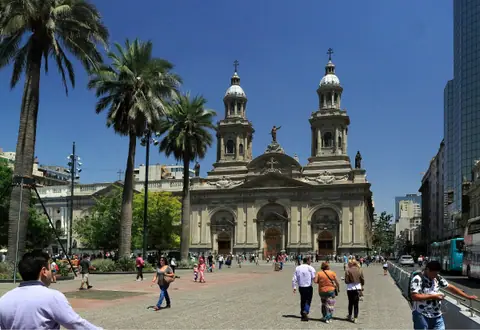
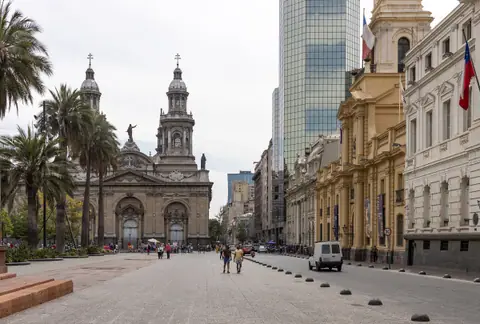
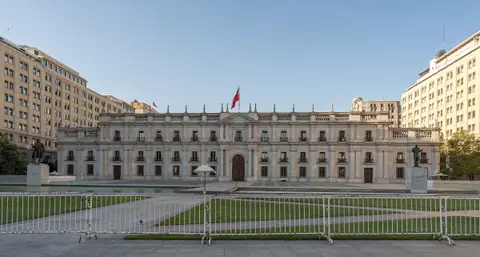
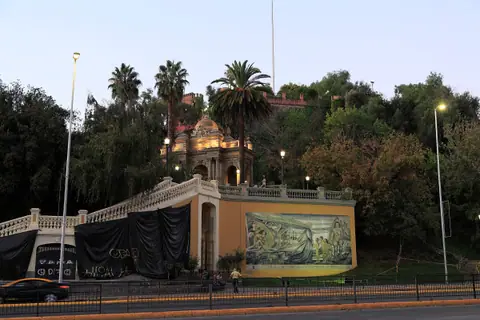
The historic core radiates from Plaza de Armas, the Metropolitan Cathedral, and the Pre-Columbian Art Museum southwest to Joaquín Toesca’s neoclassical Palacio de La Moneda and Barrio Cívico. On the eastern border of the centre, the 1872 terraces of Cerro Santa Lucía, Barrio Lastarria, and Parque Forestal connect historic museums with bohemian wine bars.
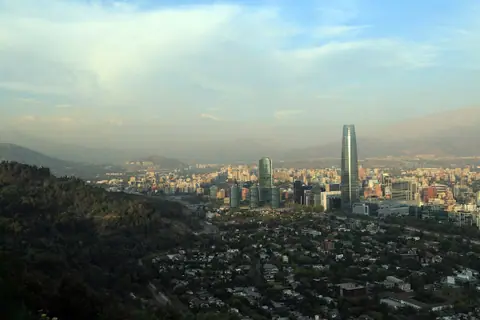
Across the Mapocho River, Barrio Bellavista and Pablo Neruda’s La Chascona sit at the foot of 880-metre Cerro San Cristóbal and Parque Metropolitano, while Metro Line 1 continues east to Sky Costanera, Providencia, and Vitacura’s Parque Bicentenario.
Getting there
International and domestic flights land at Arturo Merino Benítez International Airport (SCL) in Pudahuel, 15 kilometres northwest of central Santiago. Official Centropuerto and Turbus Aeropuerto coaches link both passenger terminals with Pajaritos and Los Héroes stations on Metro Line 1, while pre-paid Transvip minibuses and official taxis use the Costanera Norte urban motorway straight into the city.
Within the capital, the seven-line Metro de Santiago (143 stations across 149 kilometres) and Red surface buses make getting around effortless; tap a contactless bank card at Metro turnstiles or buy a rechargeable Tarjeta bip! for combined Metro and bus travel. Full arrival and intercity bus terminal details are covered in How to Get to Santiago.
Where to stay
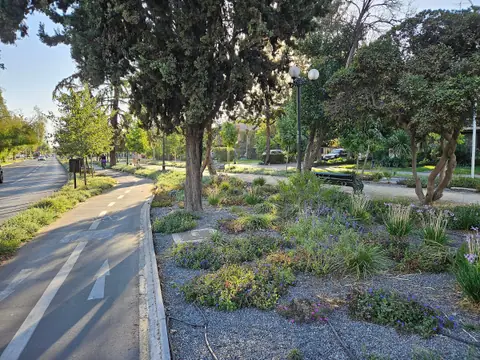
Santiago’s most appealing neighbourhoods align along Metro Line 1 and Line 5 from the eastern edge of the historic core into the leafy communes of the Sector Oriente. Staying in Barrio Lastarria or Bellas Artes places you on pedestrianised Zona Típica streets steps from Cerro Santa Lucía, Parque Forestal, and the National Museum of Fine Arts.
Further east along the Line 1 corridor, Providencia (around Pedro de Valdivia, Los Leones, and Barrio Italia) and Las Condes (El Golf) offer tree-lined residential avenues, specialty coffee shops, and modern hotels close to Sky Costanera and Parque Bicentenario. Compare each commune in Where to Stay in Santiago.
Things to do
Begin at Plaza de Armas inside the gilded Metropolitan Cathedral and the Museo Chileno de Arte Precolombino (home to 7,000-year-old Chinchorro mummies), then walk down Paseo Bandera to Palacio de La Moneda and the 16th-century Church of San Francisco. Climb the basalt stairways of Cerro Santa Lucía before crossing Parque Forestal into Barrio Bellavista to tour Pablo Neruda’s ship-inspired house, La Chascona.
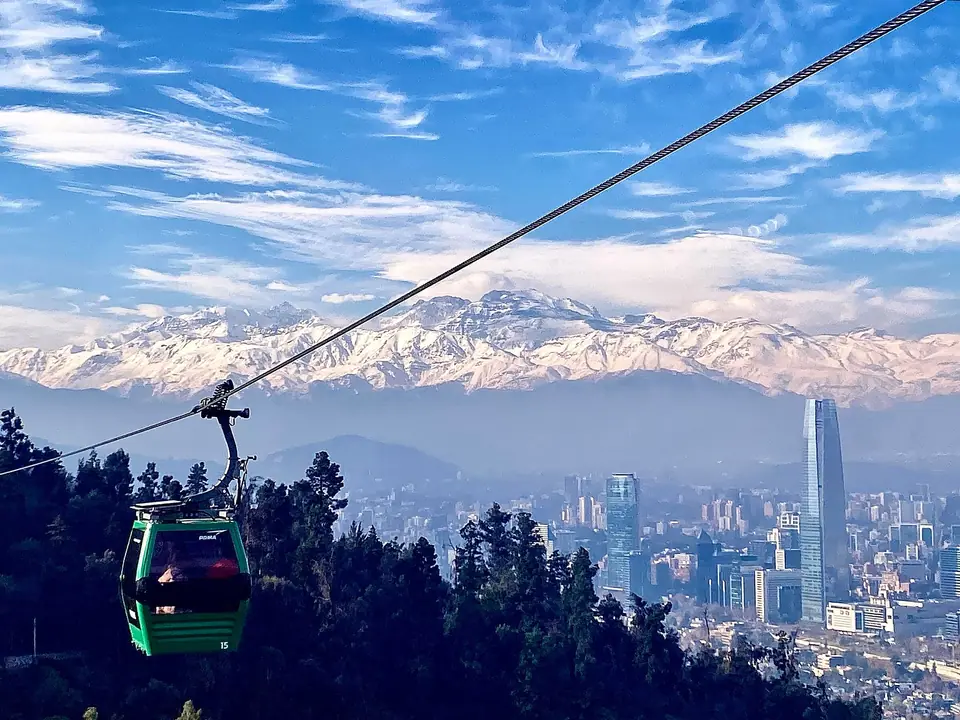
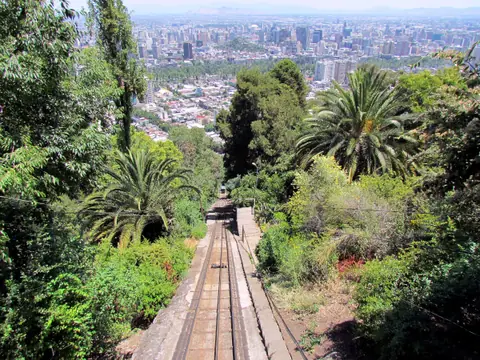
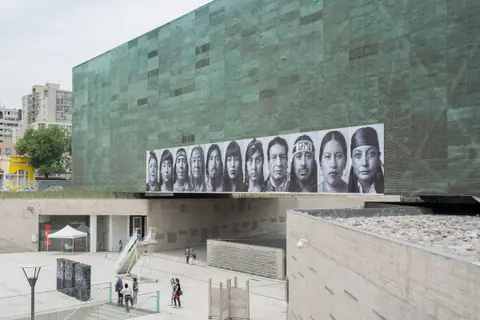
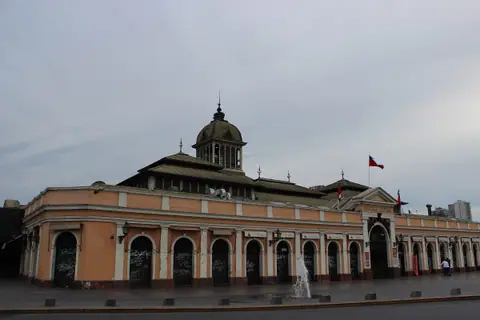
Ride the 1925 Funicular up Cerro San Cristóbal and glide down on the Teleférico to Providencia and the 300-metre observation deck of Sky Costanera. Dedicate a morning to the Museum of Memory and Human Rights and Quinta Normal Park, and browse the 1872 iron roof of Mercado Central and La Vega Central. See our full list in Things to Do in Santiago.
Food and drink
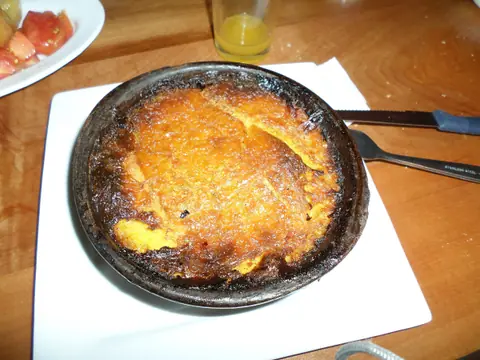
Santiago’s kitchens draw on cold Humboldt Current seafood and the orchards and vineyards of Chile’s Central Valley. In summer and autumn, clay-pot pastel de choclo (sweetcorn and basil pie baked over savoury beef and chicken) and steamed humitas headline traditional tables alongside wood-baked empanadas de pino.
At Mercado Central and neighbourhood marisquerías, order steaming bowls of caldillo de congrio (conger eel soup) and Parmesan-gratinéed machas a la parmesana. For a classic lunchtime counter meal, pull up a stool at a traditional fuente de soda for a completo italiano or Barros Luco steak sandwich, washed down with cold mote con huesillos or a Maipo Valley Carmenère. Read our dish-by-dish guide in What to Eat in Santiago.
Culture
Santiago’s cultural life spans three Nobel Prize-winning poets (Gabriela Mistral, Pablo Neruda, and close mid-century literary circles), Latin America’s oldest fine arts museum (founded in 1880), and the lively performing stages of the Centro Cultural Gabriela Mistral (GAM) and Teatro Municipal de Santiago (1857).
Every September around the 18th and 19th, the capital celebrates Fiestas Patrias in parks across the basin with open-air fondas, folk cueca dancing, and Chilean rodeos, while March and April bring harvest festivals (fiestas de la vendimia) to the surrounding wine valleys.
Weather by month
Santiago is warmest in January, with average highs around 30°C, and coldest in July, when nights drop to about 4°C. June is the wettest month, with rain on about 5 days. For mild weather with fewer rainy days, aim for October and November.
| Month | Low | Range | High | Rain | Rainy days |
|---|---|---|---|---|---|
| Jan | 14°C | 30°C | 0 mm | 0 d | |
| Feb | 13°C | 30°C | 0 mm | 0 d | |
| Mar | 12°C | 28°C | 7 mm | 1 d | |
| Apr | 9°C | 23°C | 14 mm | 2 d | |
| May | 7°C | 19°C | 28 mm | 4 d | |
| Jun | 5°C | 16°C | 35 mm | 5 d | |
| Jul | 4°C | 16°C | 28 mm | 4 d | |
| Aug | 5°C | 18°C | 21 mm | 3 d | |
| Sep | 7°C | 20°C | 21 mm | 3 d | |
| Oct | 9°C | 23°C | 7 mm | 1 d | |
| Nov | 10°C | 27°C | 7 mm | 1 d | |
| Dec | 12°C | 29°C | 0 mm | 0 d |
Averages of daily values from 2015 to 2024. Rainy days are days with at least 1 mm of rain. Source: Open-Meteo · Compare destinations by month.
Santiago on the map
Every place we cover in Santiago. Tap a category or pin to explore.
In-depth Santiago guides
Browse the guides grouped by topic: sights, neighbourhoods, food, transport, day trips and trip planning.
Sights, Landmarks & Parks
Key monuments, viewpoints, museums and nature trails.
- Best Things to Do in Santiago: Hilltop Parks, Museums and MarketsExplore the best things to do in Santiago, from riding the 1925 Funicular up Cerro San Cristóbal to world-class pre-Columbian textiles and La Moneda.
- Best Time to Visit Santiago: Seasons, Andes Visibility and HarvestCompare Santiago’s Mediterranean seasons using 1991 to 2020 climate normals, from autumn wine harvests and crisp spring skies to winter snow in the Andes.
- Santiago 3-Day Itinerary: Historic Plazas, Hilltop Parks and the AndesFollow a structured 3-day Santiago itinerary connecting Plaza de Armas, La Moneda, Cerro Santa Lucía, Bellavista, Cerro San Cristóbal, and the Andes.
- Plaza de Armas, Metropolitan Cathedral and the Pre-Columbian Art MuseumExplore Santiago’s 1541 founding square, the neoclassical Metropolitan Cathedral, the National History Museum, and the Chilean Museum of Pre-Columbian Art.
- Palacio de La Moneda, Barrio Cívico and Barrio París-LondresVisit Joaquín Toesca’s neoclassical Palacio de La Moneda, Plaza de la Constitución, Centro Cultural La Moneda, and cobbled Barrio París-Londres.
- Cerro Santa Lucía, Barrio Lastarria and Parque ForestalClimb the 1872 terraces and Neptune Fountain of Cerro Santa Lucía, then stroll through Barrio Lastarria, the GAM cultural centre, and Parque Forestal.
- Cerro San Cristóbal, Parque Metropolitano, Funicular and TeleféricoRide the 1925 Funicular and modern Teleférico across 722-hectare Parque Metropolitano to the 880-metre summit of Cerro San Cristóbal.
- Quinta Normal Park and the Museum of Memory and Human RightsVisit the cantilevered Museum of Memory and Human Rights on Avenida Matucana and explore 1841 Parque Quinta Normal’s natural history and railway museums.
- Sky Costanera, Providencia, Parque Bicentenario and Cajón del MaipoAscend the 300-metre Sky Costanera in Providencia, walk among black-necked swans in Vitacura’s Parque Bicentenario, and take a day trip to Cajón del Maipo.
Neighbourhoods & Where to Stay
Districts, historic quarters and the best bases for your stay.
- Santiago: Layout, Communes and Planning EssentialsUnderstand how Chile’s capital is organised across the Mapocho basin, from historic Santiago Centro and Lastarria to Providencia and the Andes.
- Where to Stay in Santiago: Best Neighbourhoods and CommunesCompare the best areas to stay in Santiago, from bohemian Barrio Lastarria and Bellas Artes to leafy Providencia, El Golf in Las Condes, and Vitacura.
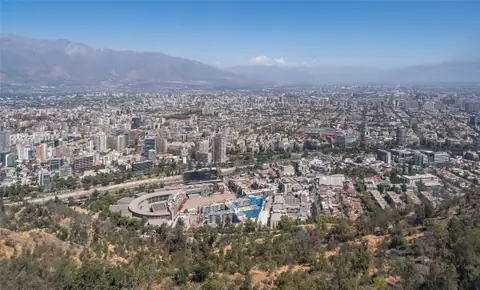
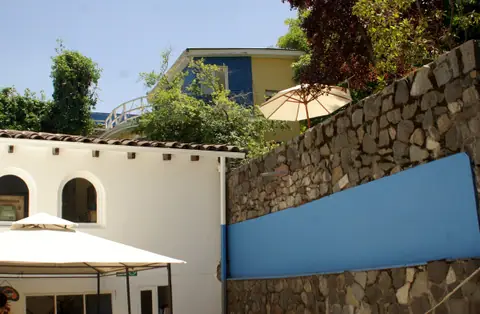
- Barrio Bellavista and Pablo Neruda’s House-Museum, La ChasconaTour Nobel laureate Pablo Neruda’s ship-inspired house La Chascona and explore the street murals, lapis lazuli workshops, and patios of Barrio Bellavista.
Food & Drink
Local dishes, markets, cafés and dining districts.
- What to Eat in Santiago: Pastel de Choclo, Seafood and Fuentes de SodaTaste classic Chilean dishes in Santiago, from clay-pot pastel de choclo and Pacific conger eel soup to completo italiano sandwiches and Maipo wines.
- Mercado Central, La Vega Central and the Mapocho River MarketsWalk Santiago’s historic market corridor from the 1872 Glasgow cast-iron roof of Mercado Central across the Mapocho River to La Vega Central.
Getting Around & Arrival
Airport transfers, public transit, passes and driving rules.
Reviews
Log in to write a review.
No reviews yet.