


























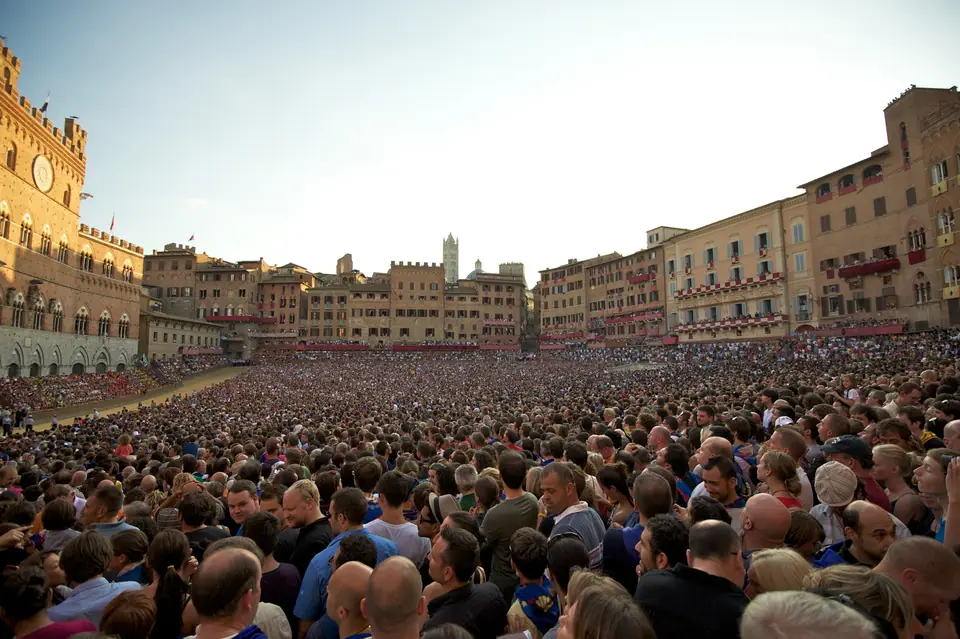
Photo: Janus Kinase · CC BY-SA 2.0
The Palio di Siena: 17 Contrade, Trial Days and Square Logistics
Beyond the 90-second horse sprint: how 17 contrade run three days of pre-race rituals, how infield standing works in Piazza del Campo and welfare rules.
Distant onlookers often imagine the Palio di Siena as a neat ninety-second costume pageant staged twice every summer for touring cameras. Inside Siena, the race consumes four intense days of secret jockey bargains, public horse lotteries, drumming parades and fierce loyalty across 17 contrade (kon-TRAH-deh). Riders race bareback round three angled brick turns of Piazza del Campo laid smoothly with yellow-brown tuff clay, feeding civic pride older than modern Italian sport.
Whether targeting fixed race days on 2 July (Palio di Provenzano) or 16 August (Palio dell'Assunta), or visiting calmly during off-season months, learning race routines prevents arrival shocks. Secure summer beds early via our Siena stay guide and watch heat advisories on best time to visit Siena.
Ten Contrade at the Rope: Seven Automatic plus Three Drawn
Princess Violante of Bavaria fixed Siena at 17 official contrade in 1729, yet Piazza del Campo's narrow clay track holds ten horses safely per race. Seven wards that sat out the matching July or August edition twelve months earlier earn automatic slots. Ten remaining wards gather beneath Palazzo Pubblico windows where three final runners emerge by lot to blasts from three silver chianire trumpets.
- The Tratta (Three Days Before): Veterinary panels pick ten matched mixed-breed mounts (purebreds stay excluded), assigning horses blindly by morning draw to competing contrade.
- Six Trial Heats (Prove): Six practice starts (three mornings and three evenings prior) accustom mounts to tight San Martino turns, giving visitors easy views without full race crush.
- Cavallo Scosso Rule: Jockeys ride bareback swinging bull-hide whips (nerbi). Even a riderless horse (cavallo scosso) finishing first without its rider still wins legally to claim the painted silk cencio trophy banner.
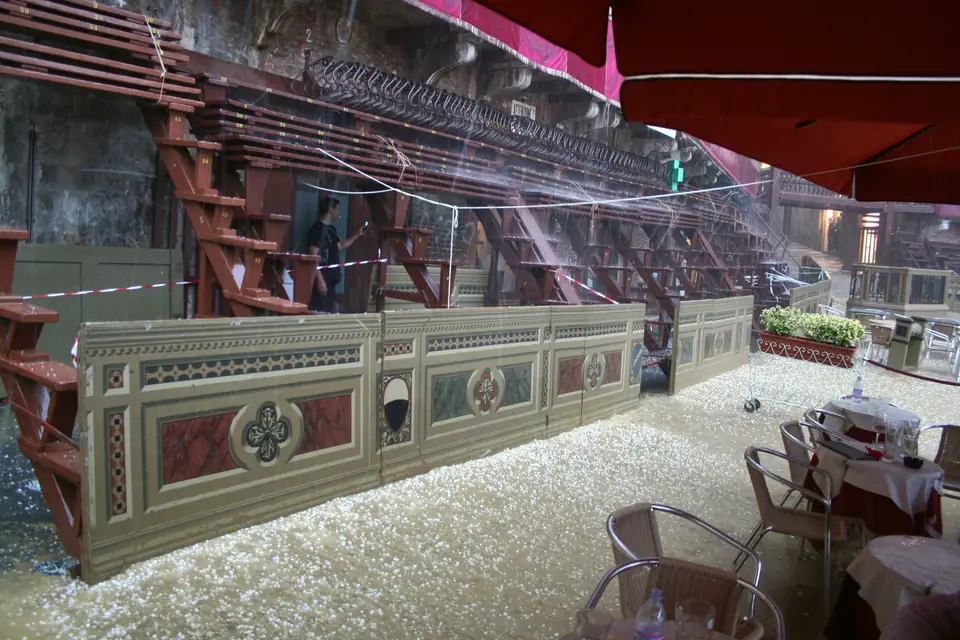
Round-square races (palio alla tonda) trace back clearly to 1633, following bullfights banned in 1590 and documented August editions back in 1581. When heavy summer rain softens the packed tuff track, races shift smoothly by a day or two. Rare extraordinary editions (Palio straordinario, most recently staged in 2018) run outside summer for major national or civic anniversaries. Municipal leaders present each newly commissioned silk banner roughly one week before race afternoon. Local Tuscan painters create July banners, while international artists paint August emblems.
Four Pre-Race Days: Corteo Storico and Start Mechanics
Race afternoon opens with two slow ceremonial hours of tossing standards and formal drum corps crossing Piazza del Campo during the Corteo Storico. Renaissance wool liveries shimmer vividly against warm brick facades before tension hushes tens of thousands of waiting spectators.
Nine riders guide mounts carefully between twin starting ropes (canape) in secret lot order. A tenth outsider horse named the rincorsa triggers the sudden explosive mortaretto launch the moment it trots past rear posts. Three flat-out clockwise laps usually finish inside 75 to 90 seconds. Finishing second carries sharp traditional disappointment across Siena, since winning the silk banner counts alone.
Following victory across the finish chalk, cheering ward crowds swarm winning riders straight toward either Provenzano church or Siena Cathedral for thanksgiving hymns echoing well past midnight. Across contrada squares afterwards, triumph feasts fill street alleys with bright bunting lanterns until morning light.
Central Conchiglia Infield Standing vs Wooden Balconies
Choosing vantage points divides race spectators sharply between endurance standing inside central dirt or costly seating overlooking outer storefronts.
- Central Infield (Il Tufo / Nella Conchiglia): Standing inside Piazza del Campo's sunken core carries zero admission fees, yet requires joining queues hours before mid-afternoon gates seal. Expect direct afternoon glare, no shade roofs, zero benches, no toilet exits once locked and rules banning young children off the infield floor.
- Wooden Stands and Private Windows: Numbered tiered wooden bleachers (palchi) wrapping storefronts beside overlooking palace windows sell individually months ahead through private owners. Families travelling with young children legally require seated stands or upper-window views.
Pack light hydration bottles, broad sun hats and cooling layers carefully before joining infield queues. Glass containers face tight municipal restrictions at security checkpoints ringing piazza alleys. Verify exact afternoon gate closing schedules, heat alerts and family access policies directly on comune.siena.it before queuing in July or August.
Safety Debates, San Martino Paddings and Protocols
Tight turns past Via di San Martino and frantic bareback sprints spark continuous welfare debates beyond Tuscany. Published figures show wide division across groups. The Anti-Vivisection League recorded 48 horse fatalities from 1970 to 2007, a 2019 study logged jockey falls in 96.1 percent of races between 1945 and 2017 and Italy blocked UNESCO listing in 2011, while Palio supporters cite a 2.05 percent incident rate across starts and trials.
Municipal authorities added thick energy-absorbing safety pads along San Martino corner in June 1999, adopted 1999 horse vetting rules, launched an official breeders registry in 2004, enacted jockey breathalysers in 2012 and instituted random training drug checks under February 2025 measures.
Visiting Contrada Territory Outside Summer Race Days
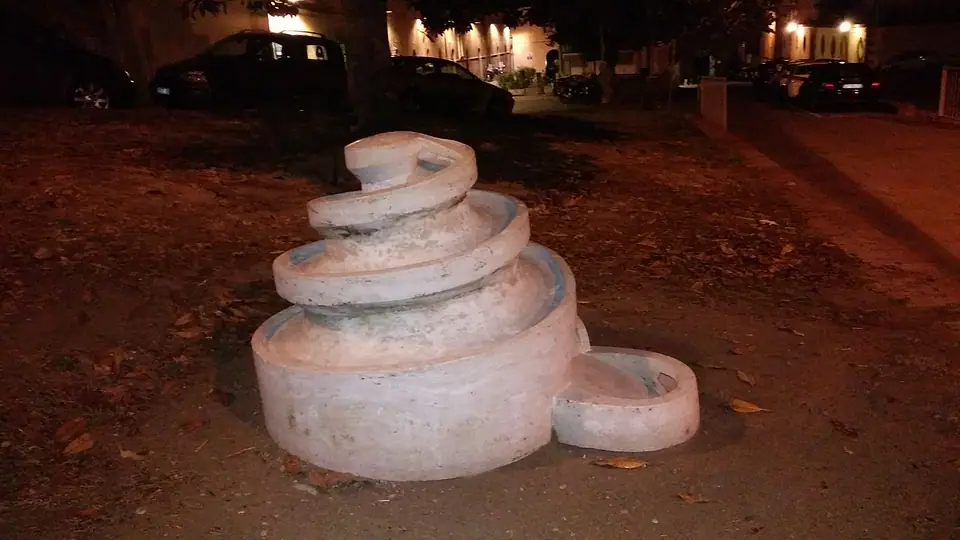
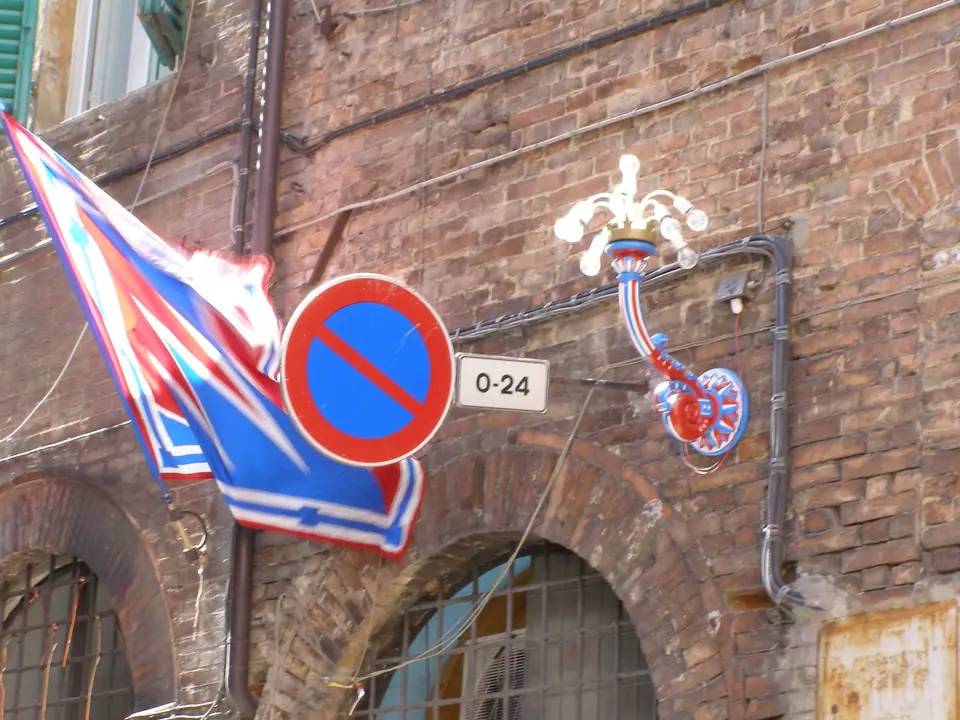
Arriving between September and June reveals living contrada traditions peacefully minus crowded summer bottlenecks or shut gates. Contact active wards like Selva, Drago, Chiocciola or Tartuca ahead to tour quiet private museums stacked with painted silk cenci banners and ceremonial armour. Watch how ward fountain chapels still host infant neighbourhood baptisms beside antique silver chalices inside stone sacristies. Every autumn brings quiet street repair across tuff-free cobbles while families mend embroidered costumes indoors.
Evening garden dinners inside walled contrada courtyards occasionally welcome polite guests when tables remain free, while drummers practise steady evening cadences down shadowed alleys. Keep polite cameras lowered during solemn parish blessings inside contrada chapels, and check visitor rules neatly at ward doors beforehand. Pair ward history cleanly with Sienese dishes, monument circuits and three-terzi walking orientation.
Where it is
- 1The Palio di Siena
- Florence Airport, Peretola (FLR) · about 55 km from here in a straight line
- Directions in Google Maps
Stations and taxi ranks: OpenStreetMap. Airports: OurAirports. Distances are in a straight line.
Traveller tips
Real advice from people who have been to Siena. Every tip is read by our team before it goes live.
No tips yet. Been here? Yours could be the first.
Thank you! Your tip will appear here after a quick review.
More in Siena
Continue exploring Siena with related neighbourhood, food, and planning guides
Where to Stay in Siena: Contrada Streets, North Ridge and Car Bases
Siena, Italy
Best Time to Visit Siena: Monthly Weather, Cathedral Floor and Crowds
Siena, Italy
What to Eat in Siena: Pici Pasta, Panforte IGP, Cinta Senese and Chianti
Siena, Italy
Piazza del Campo: Nine Brick Wedges, Fonte Gaia and Civic Palaces
Siena, Italy
