Photo: Andrew Parlette · CC BY 4.0
Siena
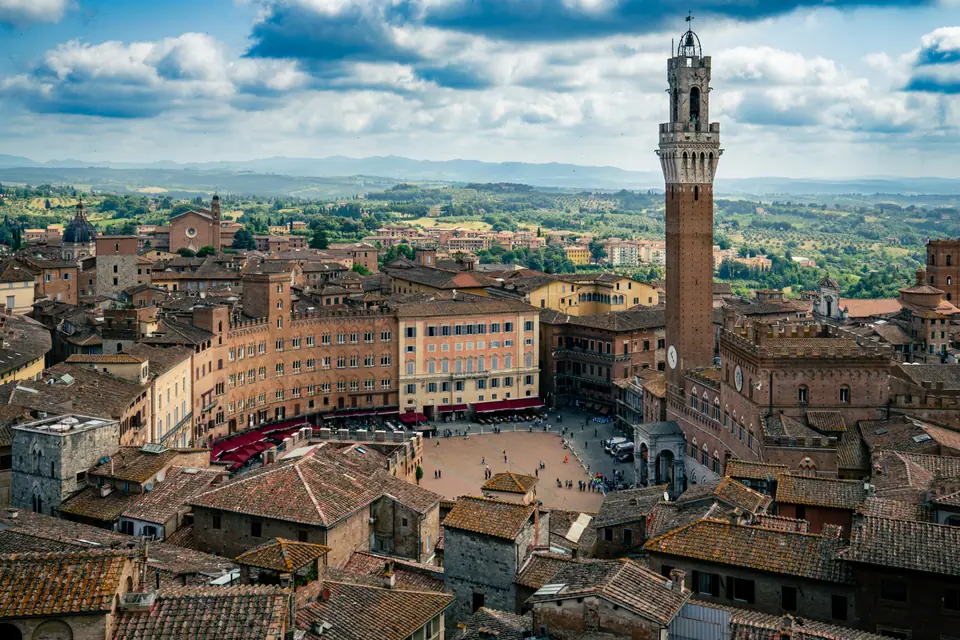
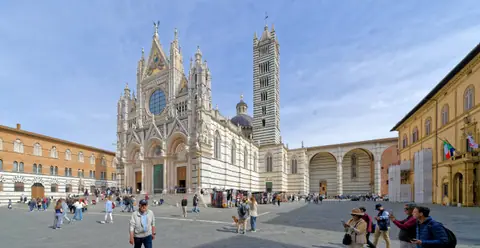
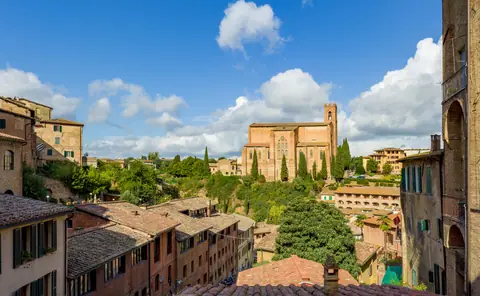
A Tuscan hill city built around a shell-shaped brick square, with a black-and-white marble cathedral, a 102 m tower, 17 neighbourhood contrade and twice-yearly Palio races.
Quick decisions
How many days?
Two to three days cover Piazza del Campo, the Cathedral complex and quiet contrada lanes; add a half-day for Monteriggioni or Crete Senesi. See things to do.
Where should I stay?
Along level Terzo di Camollia for train and Line 131R arrivals, Casato di Sopra or San Martino for calm, or outer ZTL-free avenues with parking. See where to stay.
Do I need a car?
No inside the 24-hour ZTL ring; ride Autolinee Toscane Express Line 131R or regional rail via Empoli, keeping cars only for Val d'Orcia loops. See how to get there.
Best for
Brick medieval squares, Cathedral inlaid marble floors, 102 m tower climbs, Palio pageantry, pici pasta and Chianti hills.
Before you go
Book Opa Si Pass and timed Porta del Cielo roof access on operaduomo.siena.it; verify autumn marble-floor dates and cover shoulders and knees.
Getting around
Walk ridge streets linking Via Camollia, Banchi di Sopra and Via di Città; ride covered Porta Siena escalators or Fontebranda perimeter lifts.
Continue your trip
Take Line 130 north to Monteriggioni and San Gimignano, train to Asciano clay valleys, or ride Express 131R back to Florence.
Overview
Siena sits 322 metres above sea level on a narrow Y-shaped Tuscan ridge between Chianti vineyards and the Crete Senesi clay hills. Home to 53,180 residents, its historic centre fits tightly inside 7 kilometres of medieval walls where three stone spurs called terzi meet above Piazza del Campo.
Founded over Etruscan settlements and rebuilt as a medieval banking republic that launched Siena Cathedral and Monte dei Paschi (1472), the city's growth stalled after the 1348 plague. As a result, Gothic brick lanes inside the 1995 UNESCO Historic Centre (107 to 170 hectares inside a 9,907-hectare buffer zone) survive almost intact, earning the 2027 European Green Leaf Award. Follow our city orientation guide to map the three terzi before walking off the crest.
| Feature | Key Detail | Practical Context |
|---|---|---|
| Elevation & walls | 322 m altitude, 7 km circuit | Stay on flat ridge spines between Camollia and Duomo to minimise climbs |
| ZTL car boundary | Active cameras 24 hours daily | Use SI.GE.RI.CO. perimeter garages or Express Bus 131R from Florence |
| Duomo & civic hub | 3-day Opa Si Pass around Piazza del Duomo | Book separate Porta del Cielo roof slots ahead on operaduomo.siena.it |
Getting there
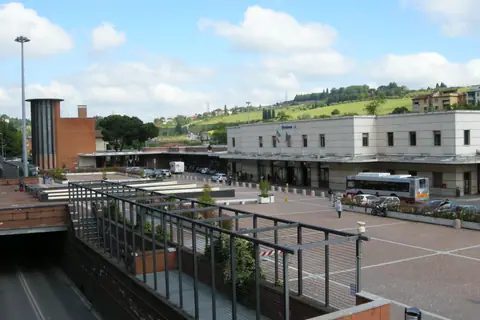
Siena has no commercial airport, its valley railway station sits roughly 2 kilometres below the centre, and 24-hour ZTL cameras guard the old gates. From Florence Santa Maria Novella, Autolinee Toscane Express Line 131R (Rapida) reaches Piazza Gramsci in around 75 minutes; check the trailing "R" because standard stopping 131 buses detour through valley towns, and Sunday schedules drop.
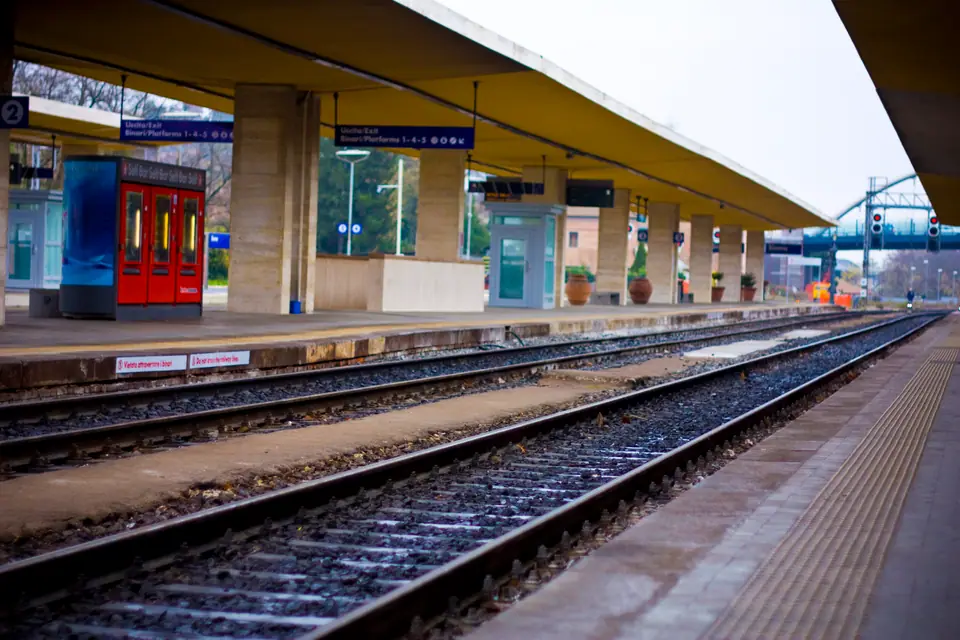
Trains arriving at Stazione di Siena (opened 1935 at Piazzale Carlo Rosselli) from Florence via Empoli or Chiusi connect across the forecourt to free covered Porta Siena escalators up to Camollia, or local buses climb to Piazza Gramsci in about 15 minutes. Flying in via Florence Peretola (FLR, 60 to 81 kilometres north) pairs neatly with the T2 airport tram to Santa Maria Novella, while drivers from Pisa (PSA) or Rome (FCO) should park outside the cameras in SI.GE.RI.CO. garages (Santa Caterina with Fontebranda escalators, Il Campo, or San Francesco). Compare routes in our how to get to Siena guide.
Where to stay
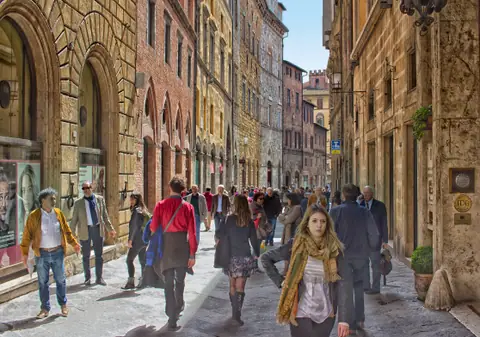
Steep side lanes make slope access just as important as style when choosing a base inside the walls. Picking a street near ridge level spares heavy luggage hauls up brick flights around Piazza del Campo.
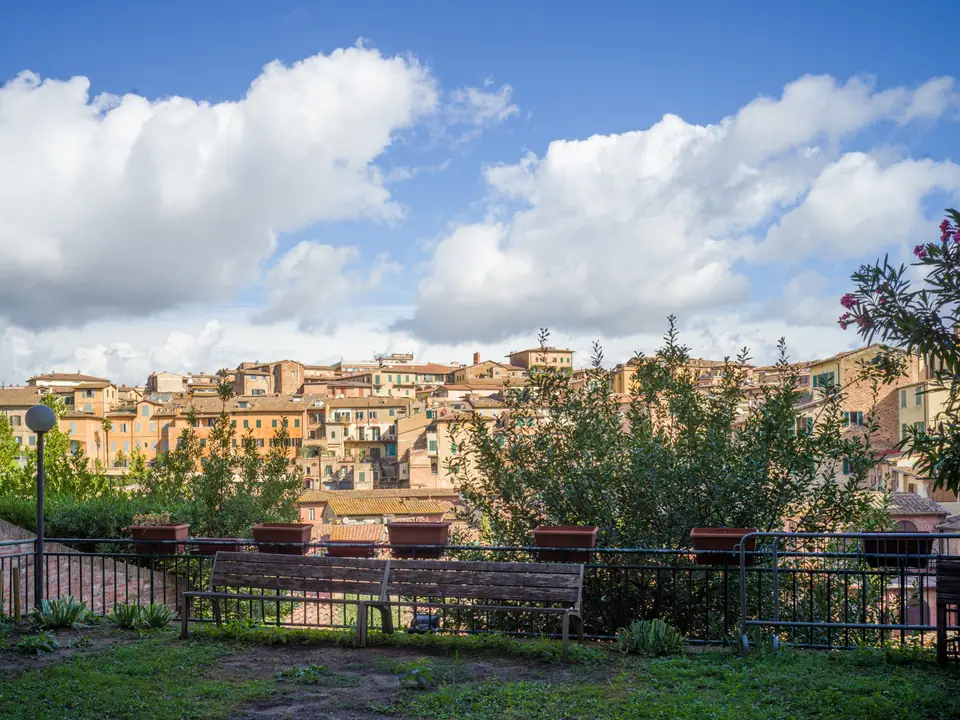
- Terzo di Camollia & Piazza Matteotti: Level crest inside the northern walls within a 5-minute walk of Bus 130 and Express 131R stops; watch for lift-free historic stairwells.
- Terzo di Città & Campo Fringes: Steps from Piazza del Duomo and Campo; favour quiet residential lanes around Casato di Sopra or San Pietro away from late bars.
- Terzo di San Martino & Outer Avenues: Calm artisan streets 10 to 15 minutes south-east of Palazzo Pubblico, or ZTL-free parking avenues near Via Antonio Lombardi roughly 2.1 kilometres north-west of the Campo.
Room demand spikes around fixed Palio dates (2 July and 16 August), while weekdays in March, May and November stay calmer. Weigh each quarter in our Siena where to stay guide.
Things to do
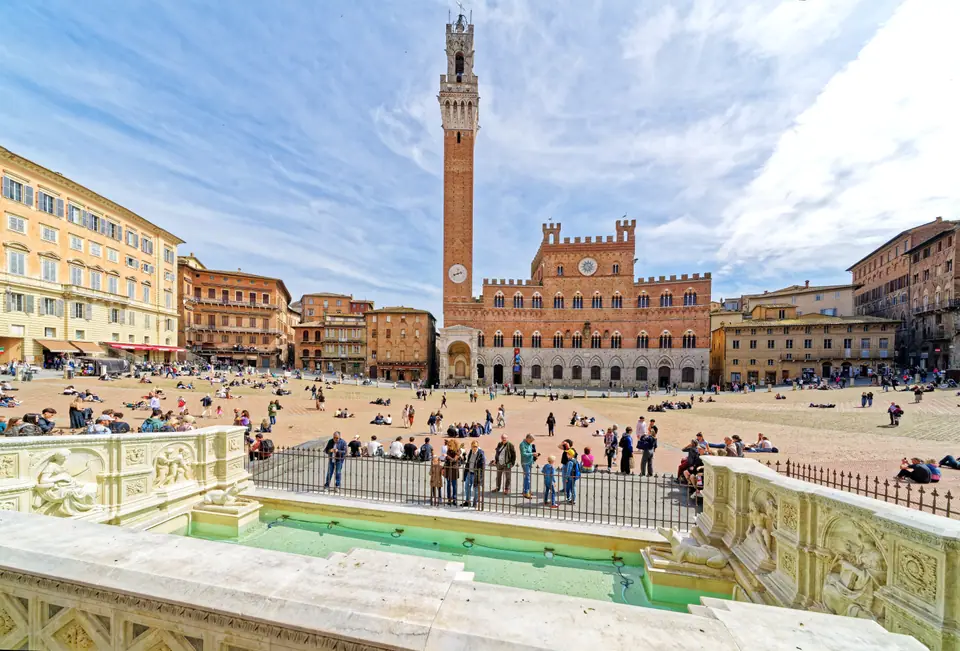
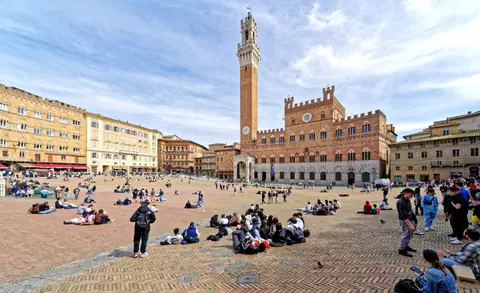
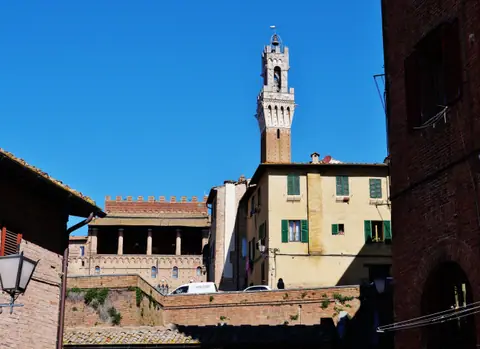
Only 210 metres separate brick Piazza del Campo from striped marble stairs in Piazza del Duomo. Across nine herringbone wedges paved in 1349 sit Tito Sarrocchi's Fonte Gaia marble copies (originals stand inside Santa Maria della Scala) and Palazzo Pubblico, home to Ambrogio Lorenzetti's 1338–1339 civic frescoes and the 102-metre Torre del Mangia (~400 stone steps after bag lockers).
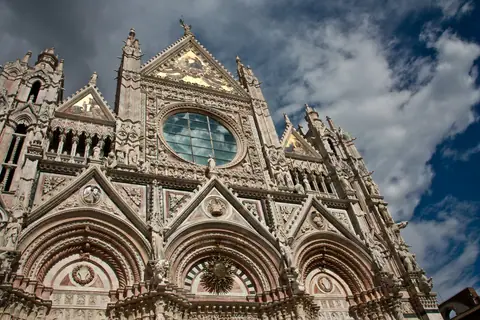
Up the ridge, the Opa Si Pass covers Siena Cathedral (including Pinturicchio's Library and its 56 inlaid marble floor panels uncovered for several weeks overlapping September), the Crypt, Duccio's Maestà in the Opera Museum and the Facciatone skyline deck. Pair afternoon museum halls at Santa Maria della Scala with brick Basilica San Domenico, free Fortezza Medicea ramparts, or bus rides north to Monteriggioni (20 kilometres). Map your daily walking order with our things to do in Siena guide.
Food and drink
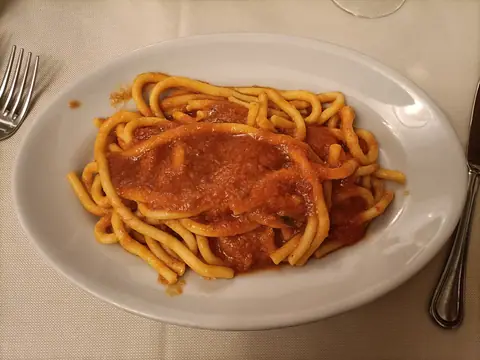
Local menus centre on thick hand-rolled pici noodles served with garlicky all'aglione tomato sauce, slow-cooked wild boar (cinghiale) or toasted breadcrumbs (briciole). Pair them with acorn-fed Cinta Senese DOP ham, fennel-spiced finocchiona IGP, sheep's cheese from Crete Senesi and unsalted bread soups like ribollita.
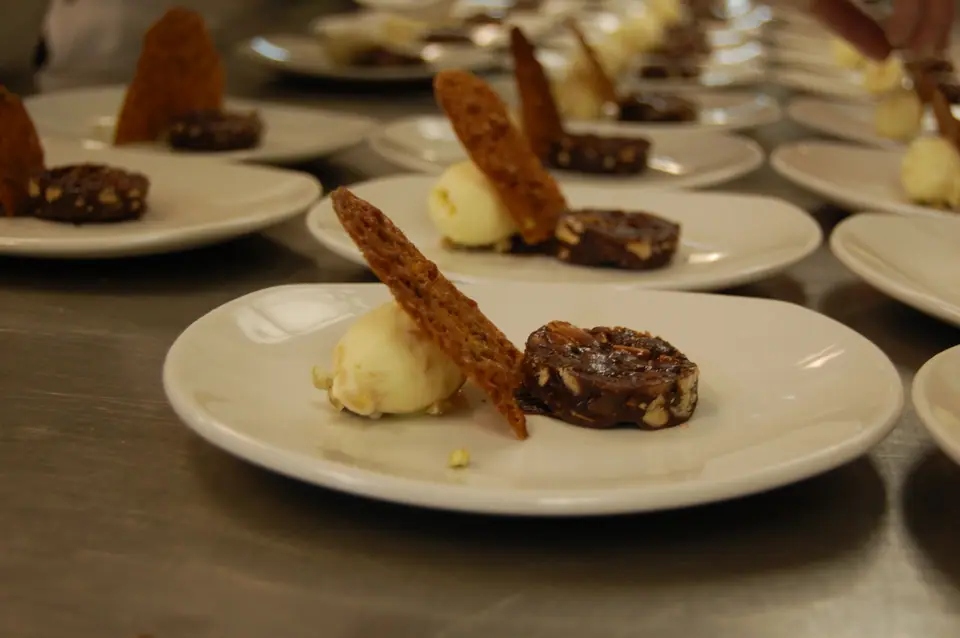
Pastry counters slice dense spiced panforte IGP (documented in Siena since 1205) alongside almond ricciarelli IGP biscuits and spiced cavallucci. Pour Sangiovese-led Chianti Classico DOCG from the hills north of town, Brunello di Montalcino south or crisp white Vernaccia di San Gimignano, noting that seated linen tables add a small coperto. Browse traditional bakeries and cellars in our Siena food and drink guide.
Culture
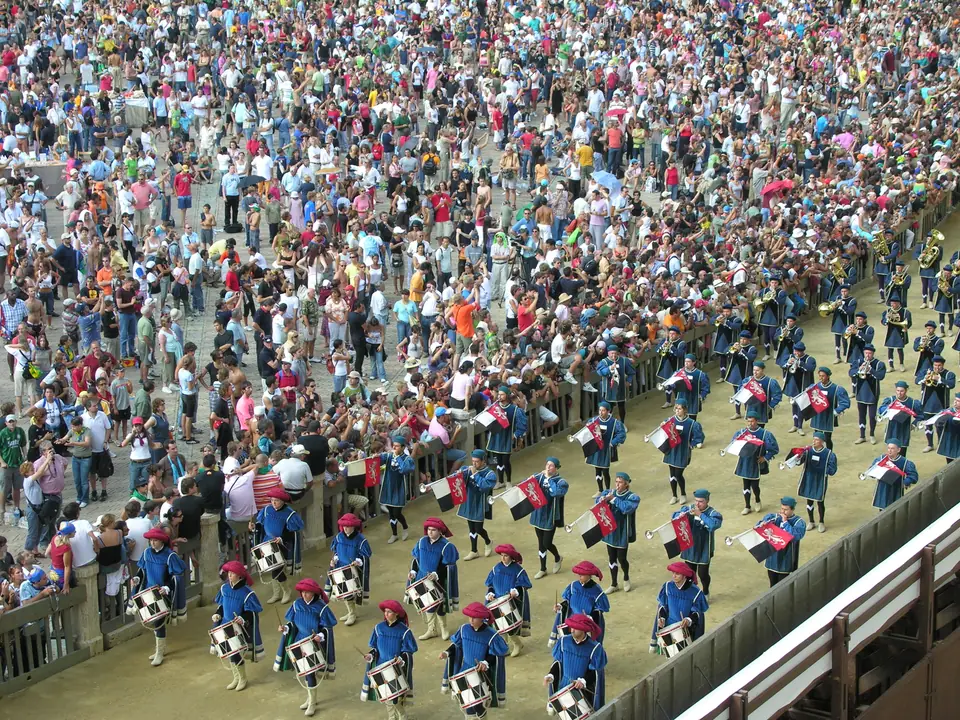
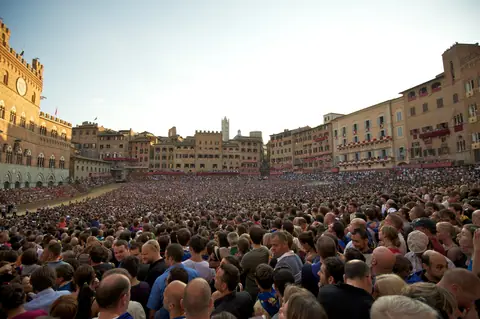
Since 1729, Siena's historic core has revolved around 17 neighbourhood parish wards called contrade, each preserving its own fountain, chapel and museum. Twice yearly on 2 July and 16 August (postponed only when rain softens the clay), 10 contrade race bareback for three laps round Piazza del Campo lasting 75 to 90 seconds in the Palio di Siena. Standing free inside the central tufo oval brings hours without shade, seating or toilet exits and bars young children, so families fare better with booked balconies or non-race weeks.
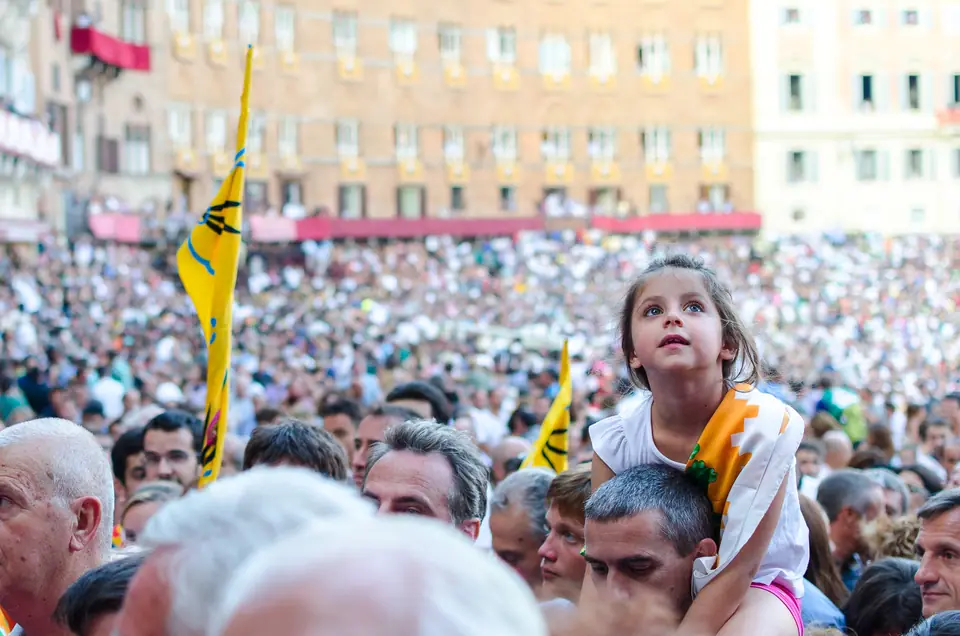
Weekly Wednesday markets at La Lizza and March's gravel finish of Strade Bianche anchor calm shoulder months. Open-Meteo normals show July and August daytime highs reaching 32°C across unshaded brick streets, January dropping to 10°C by day and 1°C overnight, and October (115 mm) and November (111 mm) bringing the heaviest autumn showers, while September (26°C highs) pairs clear breezes with the uncovered cathedral floor. Plan seasonal timing cleanly via our best time to visit Siena guide.
Weather by month
Siena is warmest in July, with average highs around 32°C, and coldest in January, when nights drop to about 1°C. October is the wettest month by rainfall (115 mm), with rain on about 9 days. For mild weather with fewer rainy days, aim for September.
| Month | Low | Range | High | Rain | Rainy days |
|---|---|---|---|---|---|
| Jan | 1°C | 10°C | 52 mm | 8 d | |
| Feb | 3°C | 12°C | 76 mm | 10 d | |
| Mar | 4°C | 14°C | 72 mm | 9 d | |
| Apr | 7°C | 18°C | 65 mm | 9 d | |
| May | 11°C | 22°C | 84 mm | 13 d | |
| Jun | 16°C | 28°C | 49 mm | 8 d | |
| Jul | 19°C | 32°C | 21 mm | 5 d | |
| Aug | 19°C | 32°C | 39 mm | 6 d | |
| Sep | 15°C | 26°C | 82 mm | 8 d | |
| Oct | 11°C | 21°C | 115 mm | 9 d | |
| Nov | 6°C | 15°C | 111 mm | 11 d | |
| Dec | 3°C | 11°C | 83 mm | 10 d |
Averages of daily values from 2015 to 2024. Rainy days are days with at least 1 mm of rain. Source: Open-Meteo · Compare destinations by month.
Siena on the map
Every place we cover in Siena. Tap a category or pin to explore.
In-depth Siena guides
Browse the guides grouped by topic: sights, neighbourhoods, food, transport, day trips and trip planning.
Sights, Landmarks & Parks
Key monuments, viewpoints, museums and nature trails.
- Things to Do in Siena: Duomo Art, Civic Towers and Ridge WalksOrder Siena sights across the high ridge: Piazza del Campo, Palazzo Pubblico, the Opa Si Pass cathedral complex, pilgrim frescoes and Medici bastions.
- Piazza del Campo: Nine Brick Wedges, Fonte Gaia and Civic PalacesHow Piazza del Campo works as open-air civic engineering: the 4.6 m brick gradient, Government of the Nine paving symbolism, Fonte Gaia and palace rim.
- Siena Cathedral Complex: Opa Si Pass, Marble Floor and FacciatoneMaster the Siena Cathedral complex: how the Opa Si Pass connects six monuments, when the 56-panel marble floor opens, Porta del Cielo and dress rules.
- The Palio di Siena: 17 Contrade, Trial Days and Square LogisticsBeyond the 90-second horse sprint: how 17 contrade run three days of pre-race rituals, how infield standing works in Piazza del Campo and welfare rules.
- Palazzo Pubblico and Torre del Mangia: Civic Art and the Tower ClimbInside Siena medieval government seat: Museo Civico masterpieces by Lorenzetti and Simone Martini, Lippo Memmi 102 m stone-crowned tower and climb prep.
Neighbourhoods & Where to Stay
Districts, historic quarters and the best bases for your stay.
Food & Drink
Local dishes, markets, cafés and dining districts.
Getting Around & Arrival
Airport transfers, public transit, passes and driving rules.
Trip Planning & Itineraries
When to visit, what to pack and day-by-day routes.
- Siena: Terzi Spurs, 17 Contrade and Hill OrientationHow Siena fits together across its Y-shaped ridge: three terzi spurs, 17 contrade boundaries, UNESCO walls and everyday ZTL rules on foot.
- Best Time to Visit Siena: Monthly Weather, Cathedral Floor and CrowdsSiena weather through the year: when heat peaks, why September aligns with the uncovered cathedral floor, autumn rain spikes and winter quiet.
Need your embassy or consulate in Italy? See embassies and consulates in Italy.
Reviews
Log in to write a review.
No reviews yet.