




















Best Time to Visit Valletta: 300 Sunny Days, Festas, Baroque Festival & Weather
Month-by-month guide to Valletta's Mediterranean climate: mild 18°C winter sunshine, spring fireworks festivals, October's Notte Bianca, and how to handle July heat.
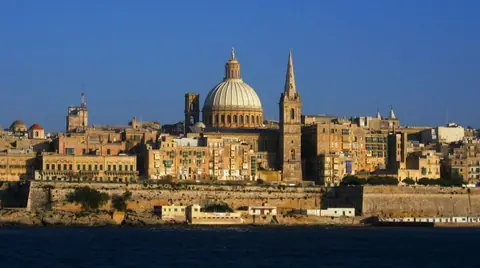
Sitting in the centre of the Mediterranean Sea 90 kilometres south of Sicily and 290 kilometres north of North Africa, Valletta enjoys over 3,000 hours of sunshine a year and one of the mildest winter climates in Europe. Even in January and February, daytime temperatures routinely reach 16°C to 18°C under bright blue skies, while sea temperatures stay warm enough for swimming from late May right through mid-November. Use this seasonal calendar together with our Valletta packing and footwear guide and our 3-day Valletta itinerary.
| Season in Valletta | Avg High / Low (°C) | Sea Temp & Crowd Level | Why Choose This Window |
|---|---|---|---|
| Spring (April to Early June). | 21°C to 28°C / 13°C to 19°C. | 17°C rising to 22°C; Moderate crowds. | Best overall weather for walking bastions; International Fireworks Festival (late April). |
| Summer (Mid-June to August). | 30°C to 34°C / 22°C to 25°C. | 24°C to 27°C; High island crowds. | Parish festas, open-air jazz, and boat swims (very hot at midday; sightsee early/late). |
| Autumn (September to November). | 29°C to 21°C / 22°C to 15°C. | 26°C cooling to 21°C; Ideal balance. | Warmest sea of the year in Sep/Oct; Notte Bianca & Birgufest by candlelight (October). |
| Winter (December to March). | 16°C to 18°C / 10°C to 12°C. | 15°C to 16°C; Quiet & low hotel rates. | Europe's best cultural winter-sun escape; Valletta Baroque Festival (January) & Carnival (Feb). |
The Two Golden Windows: April to Early June and Mid-September to November
For travellers whose primary goal is exploring Valletta's steep limestone streets, the Three Cities, Mdina, and Malta's open-air megalithic temples without wilting in 34°C heat, two windows stand head and shoulders above the rest:
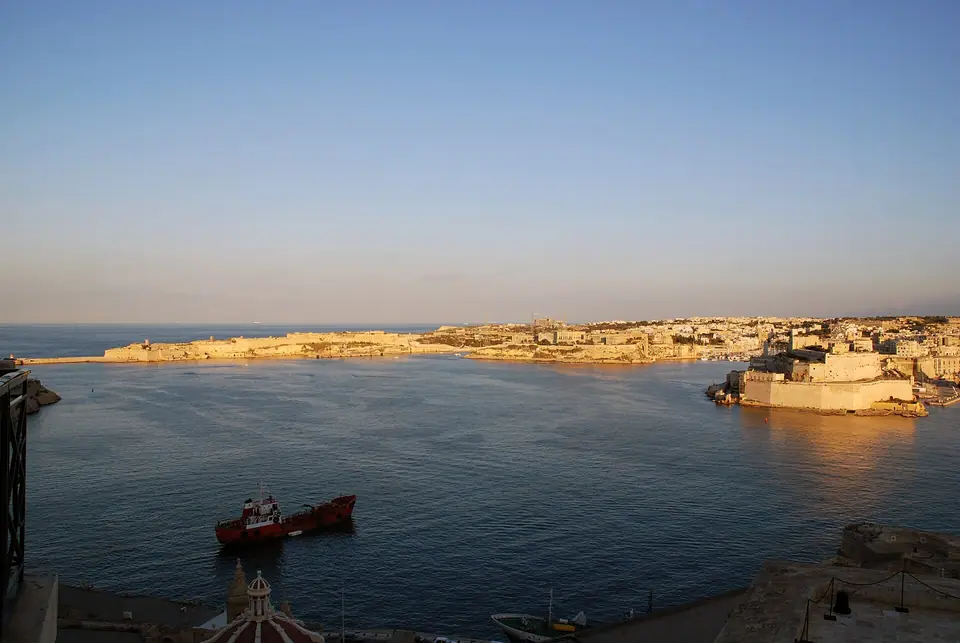
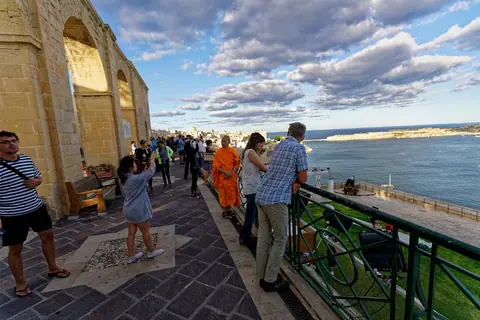
- Spring (April, May, and Early June). Winter rains turn the terraced fields of Malta and Gozo emerald green, and wildflowers bloom along the Dingli Cliffs. Daytime highs climb from a crisp 21°C in April to a warm 25°C in May with almost zero rain. In late April, the Malta International Fireworks Festival lights up the Grand Harbour over several nights with choreographed pyrotechnics launched from barges below the Upper Barrakka Gardens.
- Autumn (Mid-September through November). After the peak August heat breaks, September and October deliver 25°C to 29°C afternoons while the Mediterranean Sea retains all its summer warmth at 23°C to 26°C. You can therefore tour St John's Co-Cathedral in the morning and swim off the flat limestone ledges below Fort St Elmo or in Gozo in the afternoon.
October's Twin Cultural Nights: Notte Bianca and Candlelit Birgufest
If you can visit in early to mid-October, two of Malta's most atmospheric annual events take place on back-to-back weekends. On the first Saturday of October, Valletta stages Notte Bianca, when every state palace, museum, and church across the peninsula stays open free until midnight. Streets fill with live theatre, choral concerts, and open-air stages. On the following weekend across the Grand Harbour in Vittoriosa (Birgu), Birgufest switches off every electric streetlight in the medieval alleyways at dusk. Residents then illuminate the entire fortified town with tens of thousands of flickering wax candles and historical re-enactments.
Winter Sun, the January Baroque Festival, and Carnival
Unlike northern Mediterranean cities that shut down or turn freezing in winter, Valletta is a thriving year-round capital. Between November and March, boutique palazzo hotels drop their rates by 30 to 40 percent, cruise crowds vanish, and you can eat lunch outdoors in St George's Square in a light jumper. For two weeks every January, the Valletta International Baroque Festival brings world-class ensembles to perform Bach, Vivaldi, and Monteverdi inside the gilded acoustic perfection of St John's Co-Cathedral, Teatru Manoel, and the Grand Master's Palace. In February (the five days preceding Ash Wednesday), Il-Karnival ta' Malta, celebrated since the Knights of St John in 1535, fills Republic Street with towering papier-mâché allegorical floats and costumed dancers.
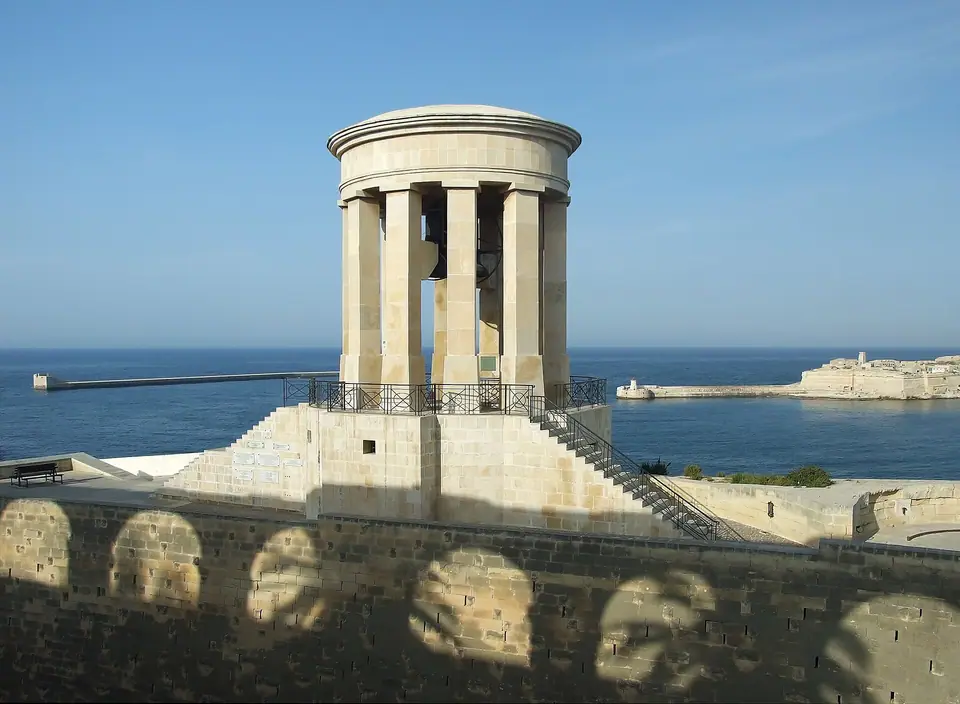
How to handle July and August heat (and enjoy Parish Festas)
July and August bring zero rain and intense Mediterranean sun (32°C to 36°C, feeling hotter inside unshaded limestone streets). If visiting in midsummer, schedule outdoor bastion walks between 07:30 and 10:30, spend 11:30 to 16:00 inside air-conditioned museums or swimming off Sliema. Come out after 18:00 to experience Valletta's neighbourhood parish festas, such as the Feast of Our Lady of Mount Carmel in July and St Dominic in August. Both summer feasts celebrate with lively brass band marches, red damask street banners, church bell peals, and evening harbour fireworks.
Where it is
- 1Valletta
- Malta International Airport (MLA) · about 6 km from Valletta in a straight line
- Directions in Google Maps
Traveller tips
Real advice from people who have been to Valletta. Every tip is read by our team before it goes live.
No tips yet. Been here? Yours could be the first.
Thank you! Your tip will appear here after a quick review.
More in Valletta
Continue exploring Valletta with related neighbourhood, food, and planning guides
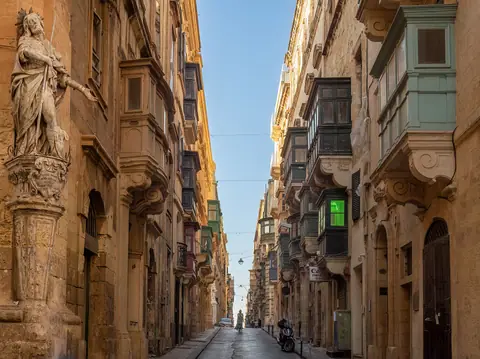
Where to Stay in Valletta: Flat Ridge Palazzos vs Stepped Harbour Streets
Valletta, Malta
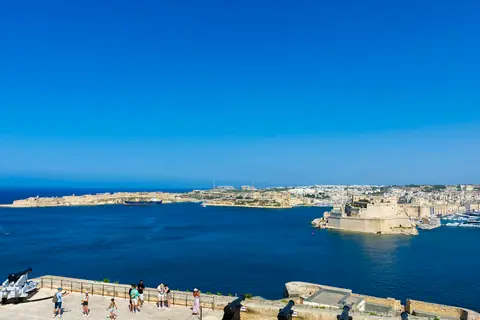
Valletta 3-Day Itinerary: Knights' Palaces, the Three Cities, Hypogeum & Mdina
Valletta, Malta
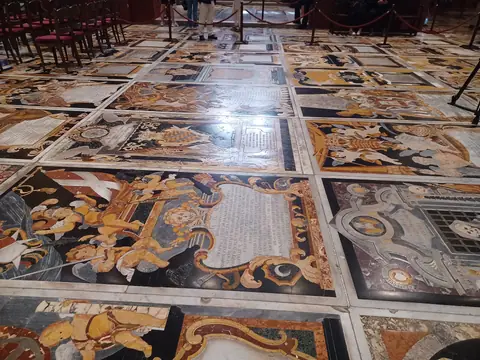
St John's Co-Cathedral Guide: Caravaggio's Beheading, 405 Marble Tombs & Tips
Valletta, Malta
Upper & Lower Barrakka Gardens, Saluting Battery Noon Gun & Lift Guide
Valletta, Malta
