



















Valletta: How to Navigate Malta's Baroque Fortress Capital
Master the layout of Valletta's 1 km limestone peninsula: harbour ferry links, the Upper Barrakka Lift, museum tickets, step-free streets vs stepped side lanes, and local costs.
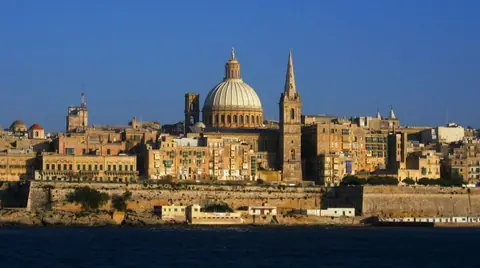
Valletta was founded on 28 March 1566 by Grand Master Jean Parisot de Valette just six months after the Knights of St John repelled the Ottoman Empire in the Great Siege of 1565. Valletta was designed by Pope Pius IV's military engineer Francesco Laparelli as a self-contained grid-plan fortress city on the rocky Mount Sciberras peninsula. Measuring just 1.0 kilometre long by 600 metres wide (0.8 square kilometres in total), the entire city was inscribed as a UNESCO World Heritage site (Ref, 131) in 1980 as "one of the most concentrated historic areas in the world", packing 320 monuments inside towering golden globigerina limestone bastions between two natural deep-water harbours. Use this foundational guide together with our best things to do in Valletta and our 3-day Valletta itinerary.
| Valletta Planning Factor | Key Practical Reality | 2026 Price Benchmark (Nov 2026) | Smart Visitor Strategy |
|---|---|---|---|
| 1. Peninsula Spine vs Side Streets. | Central spine (Republic St) is flat; side streets drop steeply via stone steps to the water. | Upper Barrakka Lift: €1.50 return (down is free; included with ferry ticket). | Walk along Republic or Merchants Street first, then descend downhill toward your target sight. |
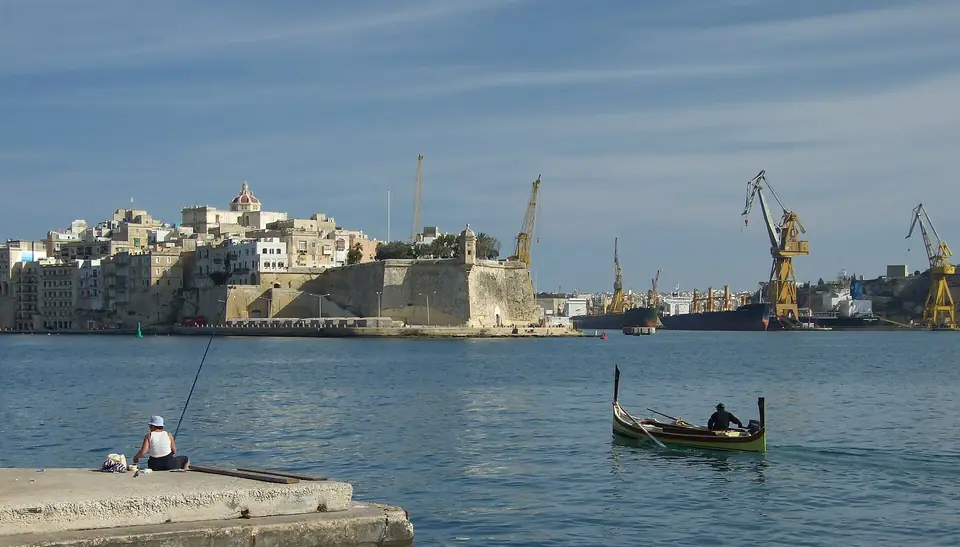
| 2. Two Harbours & Ferries. | Marsamxett Harbour (North/West to Sliema) vs Grand Harbour (South/East to Three Cities). | Valletta Ferry: €2.00 single / €3.80 return (or free with Tallinja Card). | Cross the Grand Harbour in a traditional wooden dgħajsa water taxi for €3.00 per person. |
| 3. Headline Monument Tickets. | St John's Co-Cathedral is run by its Foundation; palaces & forts by Heritage Malta. | Co-Cathedral €15.00; Grand Master's Palace €12.00; Fort St Elmo €10.00. | Consider the €60 Heritage Malta Multisite Pass if visiting 5+ state museums and temples. |
| 4. Island Bus Hub (Triton Fountain). | Every Tallinja bus route across Malta radiates from the Valletta Terminus outside City Gate. | €2.00 single bus ticket (Oct to May) / €2.50 (Jun to Sep); €21 for 12-journey card. | Pay bus fares by contactless bank card or buy the 7-day Explore Card (€25 adult). |
How to read Valletta's 1 km peninsula without exhausting your knees
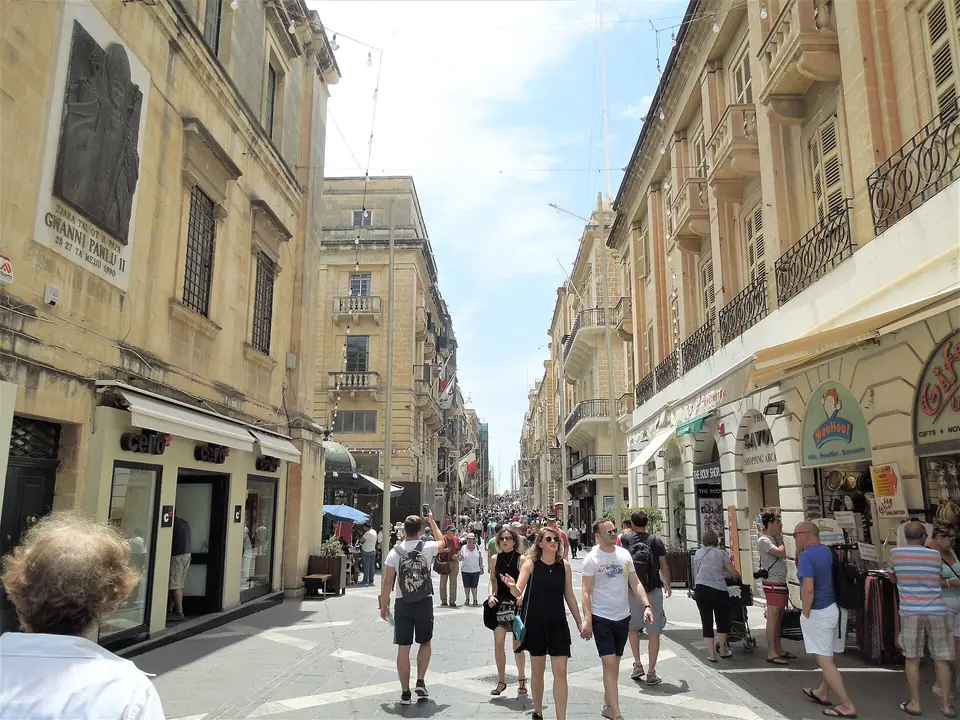
Before setting off on foot, picture Valletta as a saddle-backed ridge running northeast from the modern City Gate (designed by Renzo Piano in 2014). The spine stretches straight out to Fort St Elmo at the seaward tip of the peninsula. Along the crest of the ridge run two parallel, level pedestrian avenues: Republic Street (Triq ir-Repubblika) and Merchants Street (Triq il-Merkanti). As long as you walk along Republic Street or Merchants Street between City Gate, St John's Co-Cathedral, and St George's Square, the pavement is wide, smooth, and virtually flat.
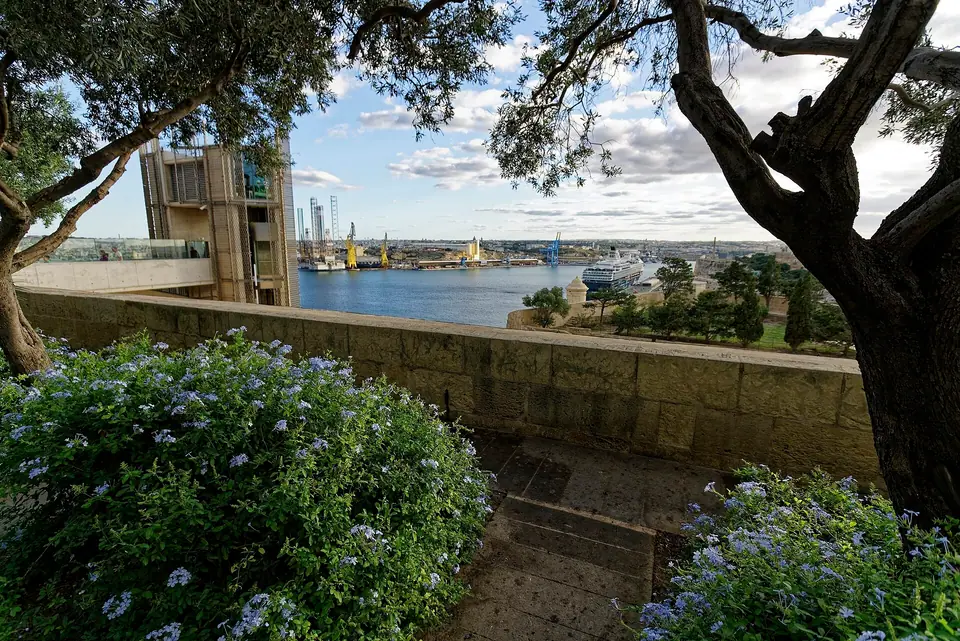
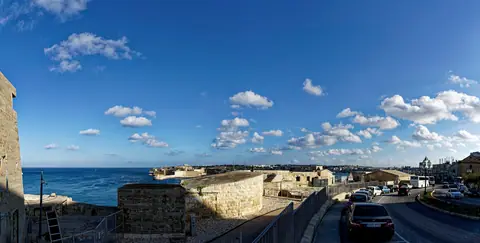
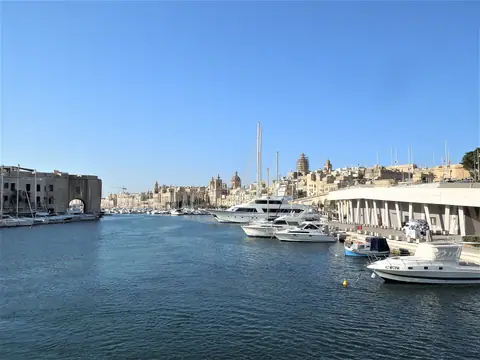
However, the moment you turn left (northwest toward Marsamxett Harbour and the Sliema ferry) or right toward the Grand Harbour and the Three Cities. On both flanks, the limestone ridge plunges sharply toward the sea down stepped alleys such as St Ursula Street, St John Street, and Strait Street. To save your knees from climbing 60 vertical metres in the midday sun, use Valletta's two vertical shortcuts. On the Grand Harbour side, ride the 58-metre-high Upper Barrakka Lift (€1.50 return as of November 2026; descending is free, and riding up is free if you show a same-day Valletta Ferry ticket from the Three Cities). On the Marsamxett side, a gentle uphill walkway and seasonal shuttle minibus link the Sliema ferry landing at Marsamxett Pier with Old Bakery Street.
Ticket prices, the Heritage Malta Pass, and cruise-ship timing
As of November 2026 (subject to periodic foundation and state tariff updates), individual adult admission fees for Valletta's major landmarks are:
- St John's Co-Cathedral & Caravaggio Oratory. €15.00 adult / €12.00 senior and student (free for children under 12; includes multilingual audio guide; run by the St John's Co-Cathedral Foundation).
- Grand Master's Palace (State Rooms & Palace Armoury). €12.00 adult after its landmark €40 million restoration (Heritage Malta).
- Fort St Elmo & National War Museum. €10.00 adult (Heritage Malta).
- MUŻA (National Community Art Museum at Auberge d'Italie). €10.00 adult (Heritage Malta).
- Lascaris War Rooms (WWII underground HQ). €14.00 adult (Fondazzjoni Wirt Artna).
- Saluting Battery (Noon Day Gun platform). €3.00 adult to enter the lower cannon terrace, or watch free of charge from the Upper Barrakka colonnade directly overhead.
If you plan to combine Valletta's state museums (Grand Master's Palace, Fort St Elmo, MUŻA, National Museum of Archaeology) with Malta's UNESCO megalithic temples (Ħaġar Qim, Mnajdra, Tarxien) and the Inquisitor's Palace in Birgu. In that case, the Heritage Malta Multisite Pass (€60.00 adult as of November 2026, valid for 30 days across 20+ state sites, excluding the Hypogeum and St John's Co-Cathedral) pays for itself after five visits. Finally, note that large Mediterranean cruise ships dock directly below the bastions at the Valletta Waterfront (Pinto Wharf). Ship excursions crowd St John's Co-Cathedral and Republic Street between 09:45 and 13:30. Visit the Co-Cathedral either at 09:00 sharp when doors open or between 14:00 and 15:45 (last entry 16:00 Monday to Saturday; closed Sundays for sightseeing).
Traveller tips
- Book the Ħal Saflieni Hypogeum before booking your flights. Located 4 kilometres south of Valletta in Paola, the 5,000-year-old underground prehistoric necropolis of the Ħal Saflieni Hypogeum admits strictly 10 visitors per hour (80 people per day) to protect its red ochre cave paintings. Standard €40.00 tickets at
heritagemalta.mtroutinely sell out 6 to 8 weeks in advance. - Tap water vs bottled water in Malta. Malta's municipal tap water is produced by reverse-osmosis desalination of seawater. It is 100% bacteriologically safe to drink and brush your teeth with. However, locals and visitors generally prefer bottled spring water (€1.00 to €1.50 at convenience stores) for drinking and coffee because tap water has a slightly mineral, brackish taste.
- Bring a UK Three-Pin Type G plug adapter. From its 164 years under British administration (1800 to 1964), Malta uses the British three-rectangular-pin Type G electrical socket (230V, 50Hz) and drives on the left-hand side of the road. Both English and Maltese are official languages, and every menu, road sign, and museum label is in English.
- Check weekday vs Sunday shop hours. On Sundays, St John's Co-Cathedral and most retail shops along Republic Street close for sightseeing. Sunday is therefore the ideal day to take the Grand Harbour ferry to the Three Cities or visit Marsaxlokk and the Blue Grotto.
Public restrooms in Valletta are located inside the Upper Barrakka Gardens, beside the City Gate bus terminus near the Triton Fountain, and inside the food court of Is-Suq tal-Belt on Merchants Street. Most cafés and museums are fully cashless, though keeping €15 in small notes and coins is essential for the €3.00 wooden dgħajsa harbour boats and traditional pastizzeriji.
To hear baroque chamber music inside one of Europe's oldest working theatres, check the evening programme at Teatru Manoel on Old Theatre Street. Commissioned in 1731 by Grand Master António Manoel de Vilhena, the theatre also offers daytime tours for €10.00 (as of November 2026).
Most museums and heritage sites across Valletta accept contactless bank cards. Even so, keeping €15 in small notes and coins is useful for the €3.00 wooden dgħajsa harbour boats and neighbourhood pastizzeriji.
Walk along the flat central spine of Republic Street or Merchants Street first. Turning down a stepped side street only when you are parallel to your stop saves considerable uphill climbing.
If you hold a same-day ticket from the Three Cities or Gozo ferry at Lascaris Wharf, keep the barcode handy. Scanning it at the bottom of the Upper Barrakka Lift gives you a free 58-metre ride into the city.
Both English and Maltese are official languages across the archipelago, and every museum panel, Tallinja bus display, and restaurant menu in Valletta is written in English.
Because Mediterranean cruise ships berth along the Pinto Wharf waterfront below Floriana, visiting headline interiors at 09:00 sharp or after 14:00 ensures a much quieter experience.
Look up at the street corners of every intersection inside the 1566 grid to spot carved Baroque stone statues of patron saints. These corner niches were originally lit by oil lamps to guide residents at night.
Enclosed wooden balconies called gallariji wrap around the upper corners of Valletta's limestone townhouses. They are painted in traditional dark green, oxblood red, and maritime blue to catch the harbour breeze.
Heritage Malta museums and churches maintain cool interior temperatures year-round. Keeping a light cotton scarf or linen overshirt in your daypack helps with both church dress rules and air-conditioning.
Where it is
- 1Valletta
- Malta International Airport (MLA) · about 6 km from Valletta in a straight line
- Directions in Google Maps
Traveller tips
Real advice from people who have been to Valletta. Every tip is read by our team before it goes live.
No tips yet. Been here? Yours could be the first.
Thank you! Your tip will appear here after a quick review.
More in Valletta
Continue exploring Valletta with related neighbourhood, food, and planning guides
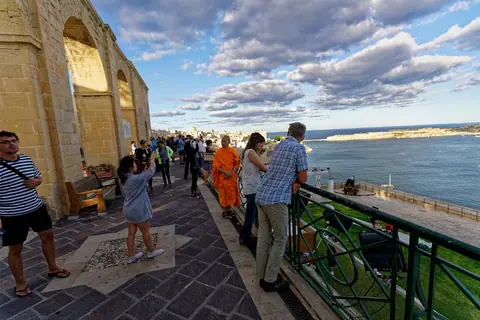
Upper & Lower Barrakka Gardens, Saluting Battery Noon Gun & Lift Guide
Valletta, Malta
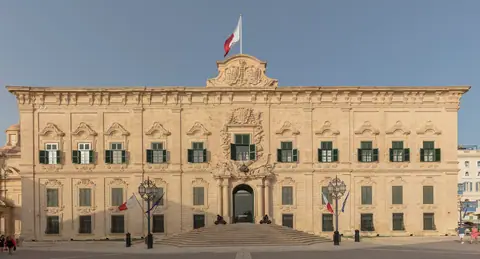
Grand Master's Palace, Armoury, Casa Rocca Piccola & Knights' Auberges Guide
Valletta, Malta
Fort St Elmo, National War Museum & Lascaris War Rooms Guide
Valletta, Malta
The Three Cities Guide: Birgu (Vittoriosa), Senglea, Cospicua & Dgħajsa Boats
Valletta, Malta
