






















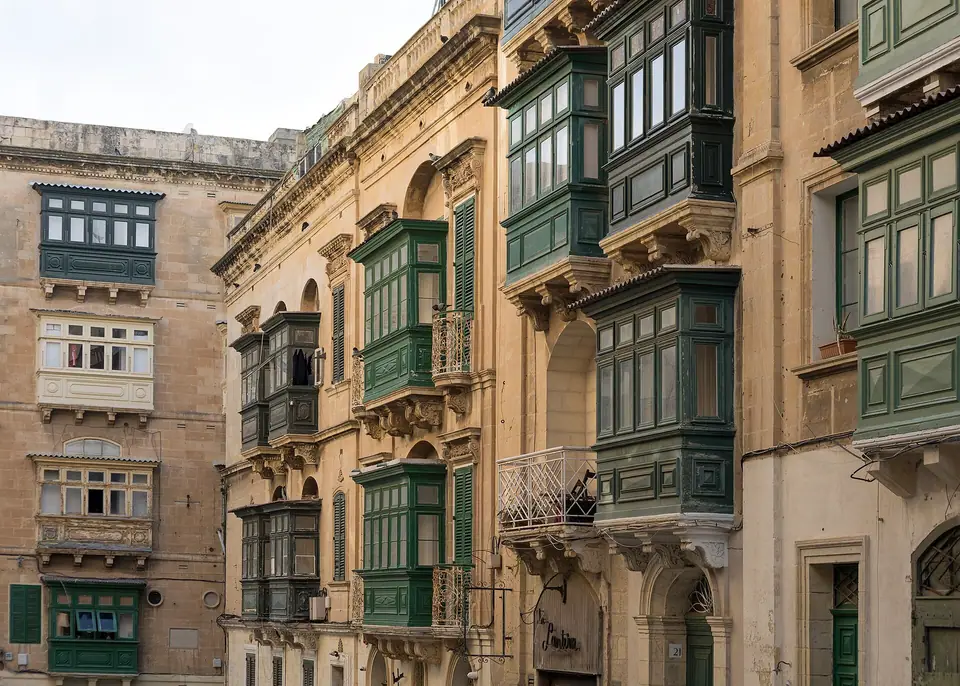
What to Wear in Valletta: Stiletto-Ban Marble Floors, Limestone Steps & Dress Codes
Essential packing and clothing advice for Valletta: St John's Co-Cathedral's strict shoe and shoulder rules, grip soles for polished limestone steps, and harbour wind layers.
Valletta is one of the most stylish small capitals in the Mediterranean, where locals dress smartly for evening drinks along Bridge Bar and Strait Street. However, two unique physical features of the city, the fragile 17th-century inlaid marble tombs inside St John's Co-Cathedral and the mirror-smooth globigerina limestone steps on the steep side streets, make choosing the right shoes and daypack layers essential. Pair this packing guide with our St John's Co-Cathedral visitor guide and our seasonal weather guide.
| Valletta Site / Situation | Mandatory Dress / Footwear Rule | Why It Matters | What to Wear / Pack |
|---|---|---|---|
| 1. St John's Co-Cathedral & Churches. | Shoulders and knees covered; zero stiletto or narrow heels allowed. | Pointed heels crack the 405 soft inlaid Baroque marble tombstones on the floor. | Flat rubber-soled shoes or wide-block sandals; linen shirt or cotton scarf over shoulders. |
| 2. Stepped Limestone Side Streets. | Rubber-tread walking sneakers or gripped sandals (avoid slick leather soles). | 450 years of footsteps have polished the limestone steps on St John & St Ursula St like glass. | Broken-in trainers or cushioned rubber-sole walking sandals. |
| 3. Ħal Saflieni Hypogeum (Paola). | Closed-toe walking shoes required (sandals & flip-flops prohibited). | Underground rock-cut chambers are cool (18°C) and damp with metal walkways. | Closed sneakers and a light cotton cardigan. |
| 4. Harbour Ferries & Underground Tunnels. | Light windbreaker or linen overshirt year-round. | Lascaris War Rooms and Casa Rocca air-raid shelters sit at 16°C to 17°C deep in the rock. | Packable layer in your daypack even in summer. |
The St John's Co-Cathedral Dress Code and Stiletto Heel Ban
Unlike many European churches that quietly overlook summer tank tops, the entrance staff at St John's Co-Cathedral strictly enforce two rules at the turnstiles (and no longer hand out disposable plastic wraps at the door):
- No narrow heels, stilettos, or spiked soles. Because you walk directly across 405 priceless 17th- and 18th-century pietra dura marble tombstones inlaid with soft coloured slate, alabaster, and mother-of-pearl, any shoe with a narrow heel or hard metal tip is banned to prevent puncturing the stone. Wear flat sneakers, loafers, or flat sandals.
- Shoulders and knees must be covered (for both men and women). Sleeveless tops, spaghetti straps, low-cut beachwear, and mini-shorts above the knee will be turned away. In warm weather, wear tailored knee-length shorts or linen trousers with a short-sleeved shirt. Keep a wide cotton pashmina shawl in your bag to drape over your shoulders. It covers you cleanly at St John's Co-Cathedral, the Basilica of Our Lady of Mount Carmel, and St Paul's Shipwreck.
Why rubber-soled shoes are essential on Valletta's limestone steps
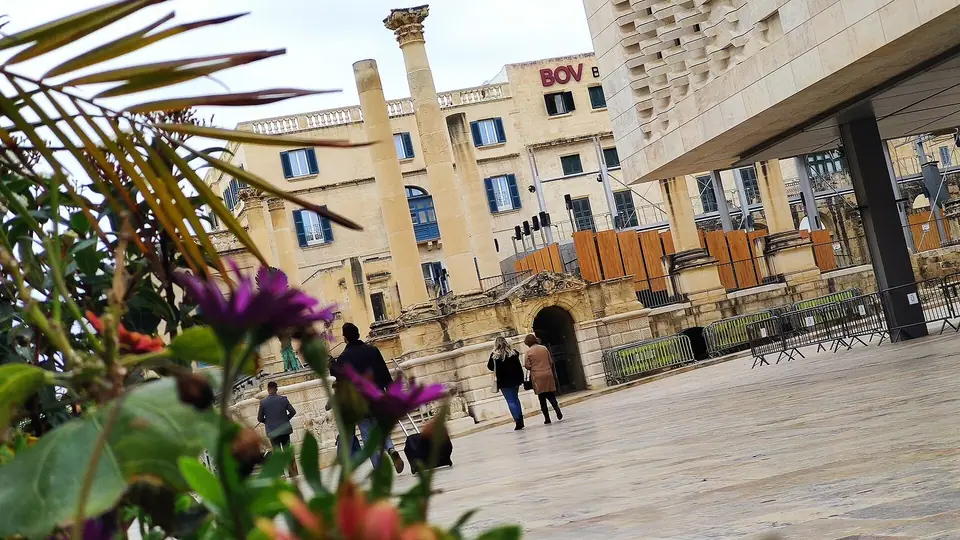
Valletta is built entirely from pale golden Maltese globigerina limestone (franka) and harder coralline stone. Four and a half centuries of footsteps have buffed the shallow stone steps on streets like St Lucia Street, St John Street, and Battery Street to a glossy sheen. Even when bone-dry, hard leather dress soles or smooth plastic flip-flops can slide on downhill steps, and after a brief winter or spring rain shower, the limestone becomes noticeably slick. Pack a pair of breathable walking sneakers or sandals with vulcanised rubber grip treads.
Closed-toe shoes for the Hypogeum and layers for rock-cut tunnels
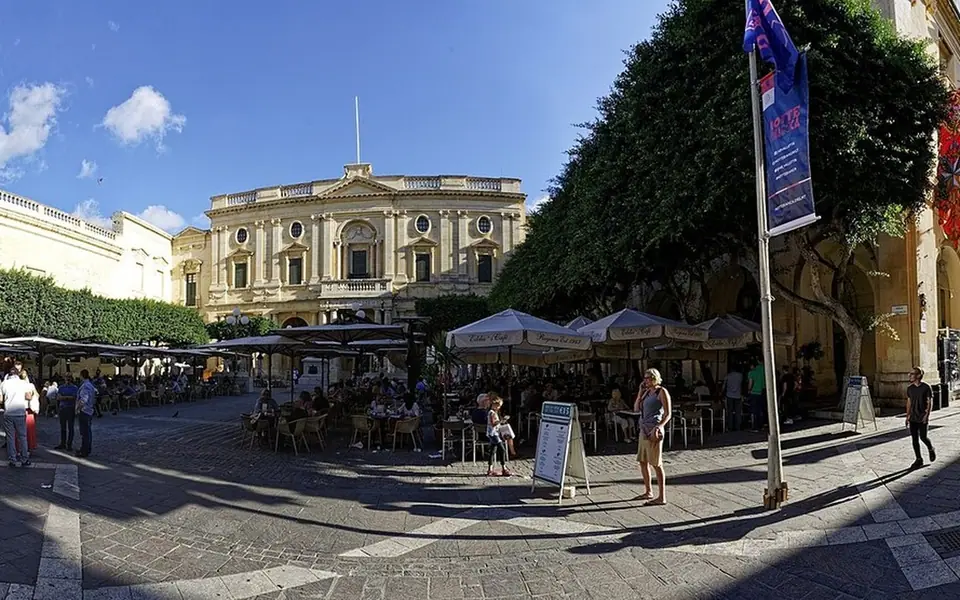
If you hold tickets for the prehistoric Ħal Saflieni Hypogeum, remember that Heritage Malta safety rules strictly require closed-toe shoes. Visitors wearing open-toed sandals, slides, or high heels are not permitted down the subterranean walkways. In addition, many of Valletta's most fascinating sights, including the Lascaris War Rooms (dug 45 metres beneath the Upper Barrakka), the Underground Valletta cistern tunnels, and the WWII air-raid shelter beneath Casa Rocca Piccola. All three maintain a constant subterranean temperature of 16°C to 18°C year-round. Stepping straight from a 32°C summer street into a rock-cut tunnel feels chilly after ten minutes, so keep a light linen shirt or cardigan in your bag.
Sun protection, harbour winds, and rock-beach swim gear
Between April and October, the white-gold limestone walls and harbour water reflect UV rays from every angle. Pack polarized sunglasses, SPF 50 sunscreen, and a hat that fits snugly enough not to blow off on the breezy upper ramparts of Fort St Elmo or the open deck of the Sliema ferry. If you plan to swim off Valletta's rocky bathing ledges (such as below the Siege Bell Memorial at Wuestenwinds or at Tigné Point), pack a quick-dry towel. Pair it with water shoes to step comfortably down the sea ladders and flat limestone shelves.
Where it is
- 1Valletta
- Malta International Airport (MLA) · about 6 km from Valletta in a straight line
- Directions in Google Maps
Traveller tips
Real advice from people who have been to Valletta. Every tip is read by our team before it goes live.
No tips yet. Been here? Yours could be the first.
Thank you! Your tip will appear here after a quick review.
More in Valletta
Continue exploring Valletta with related neighbourhood, food, and planning guides

Grand Master's Palace, Armoury, Casa Rocca Piccola & Knights' Auberges Guide
Valletta, Malta
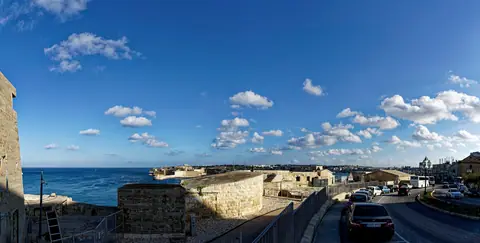
Fort St Elmo, National War Museum & Lascaris War Rooms Guide
Valletta, Malta
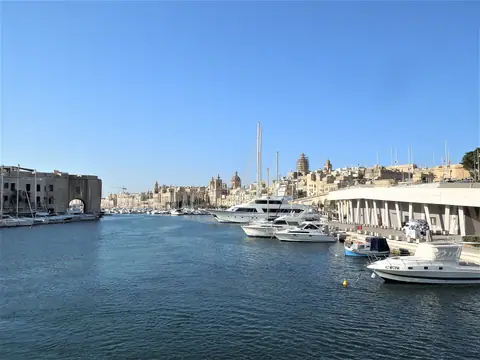
The Three Cities Guide: Birgu (Vittoriosa), Senglea, Cospicua & Dgħajsa Boats
Valletta, Malta
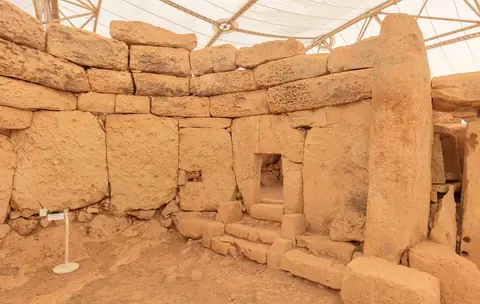
Ħal Saflieni Hypogeum, Tarxien, Ħaġar Qim & Mnajdra Temples Guide
Valletta, Malta
