Photo: Croq · CC BY-SA 4.0
Best Time to Visit Zagreb
Continental four-season swings between bright spring café weather, July afternoon storms, crisp autumn parks, and festive Advent lights.
Seated inland south of Mount Medvednica rather than beside the Adriatic Sea, Zagreb follows a four-season humid continental climate. Sharp temperature swings separate frosty valley mists from bright July afternoons. Packing for the exact month matters far more here than guessing coastal Mediterranean warmth.
Late spring (May into early June) and clear autumn days (especially October) bring pleasant walking conditions and lively street cafés. Conversely, December illuminates long frosty evenings across Croatia's premier winter festival.
Spring recovery from March winds to May park blooms
Winter loosens its grip across the Sava basin slowly in March. Average highs lift from 8 degrees Celsius in February to 13 degrees while dawn temperatures hover around 3 degrees. April warms afternoons to 18 degrees yet brings changeable showers across an average 13 wet days. Crisp breezes clear morning mist off Medvednica slopes steadily by mid-spring. Botanical Garden paths burst with blooming magnolias and wildflowers by mid-April.
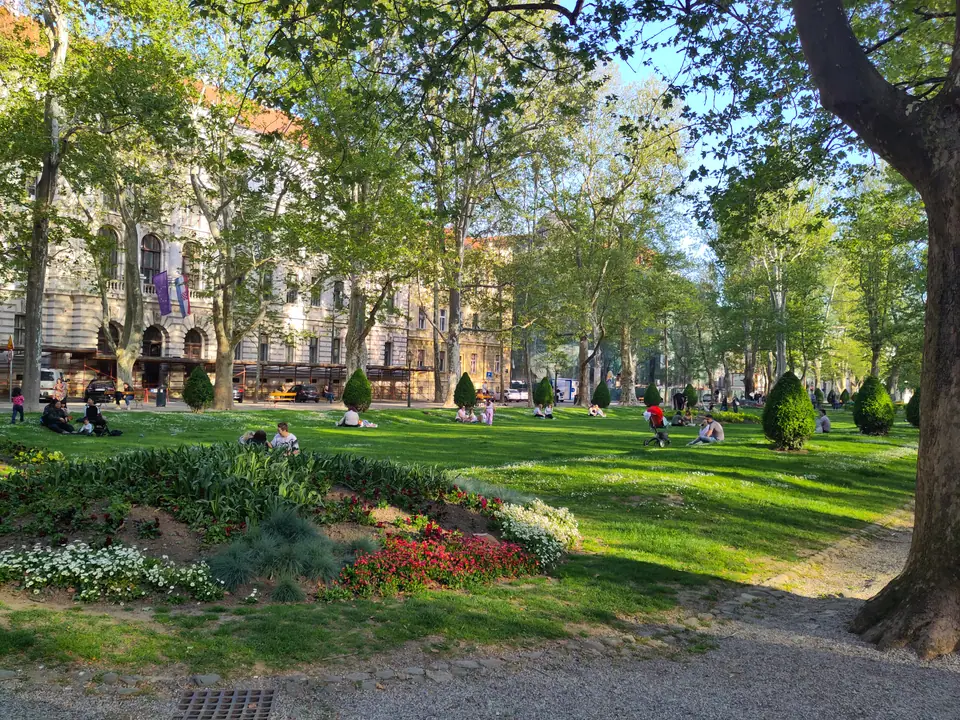
May stands out as an ideal walking window before summer humidity arrives. Daytime highs reach 22 degrees Celsius across 246 sunshine hours. Fresh leaves shade Zrinjevac plane trees, outdoor book stalls line Cvjetni trg, and historic hilltop circuits flow smoothly without winter coats. Crisp dry mornings reward early photographers walking Gradec ramparts before terrace umbrellas fill. Early June pushes highs toward 26 degrees while outdoor coffee patios fill past twilight, though late-afternoon storms occasionally surprise park picnics.
Midsummer warmth, storm bursts, and August city lull
July and August share peak average highs of 28 degrees Celsius and 16-degree nights. July sunshine climbs to roughly 294 monthly hours across open parks. Without cooling sea breezes, broad stone plazas hold afternoon warmth until dusk, prompting locals to gather under shaded courtyard trees, climb Medvednica hills, or swim at Lake Jarun. Early morning walks past Dolac stalls beat midday glare comfortably.
Summer evenings also bring major outdoor cultural events. Late June draws music fans onto Lake Jarun's Isle of Youth for three days of INmusic Festival concerts. In July, the Upper Town Dvorišta programme unlocks hidden noble courtyards for roughly ten nights of intimate acoustic music and local street snacks. Evening audiences gather across Strossmayer Promenade overlooking illuminated lower boulevards.
Plan around sharp summer thunderstorms during both July and August. Convective clouds spill off Medvednica ridge, dropping 80 to 86 millimetres of rain despite bright mornings. Botanical glasshouses and subterranean Grič Tunnel provide cool lunchtime shade during dry spells. Around Croatia's 15 August Assumption holiday, many residents leave for the coast, calming Lower Town tram platforms and lowering hotel demand while closing occasional small eateries.
Autumn colour in Maksimir and September's rain peak
Visitors expecting unbroken coastal September sun frequently underestimate inland autumn storms. DHMZ 1991-2020 climate normals mark September as Zagreb's wettest month of the year. Rain totals reach 104 millimetres across 12 wet days even while daytime temperatures rest around 23 degrees Celsius. Pack a compact umbrella whenever planning early autumn gallery circuits. Farmers still fill Dolac stalls with walnuts, pumpkins, honey jars, and wild mushrooms.
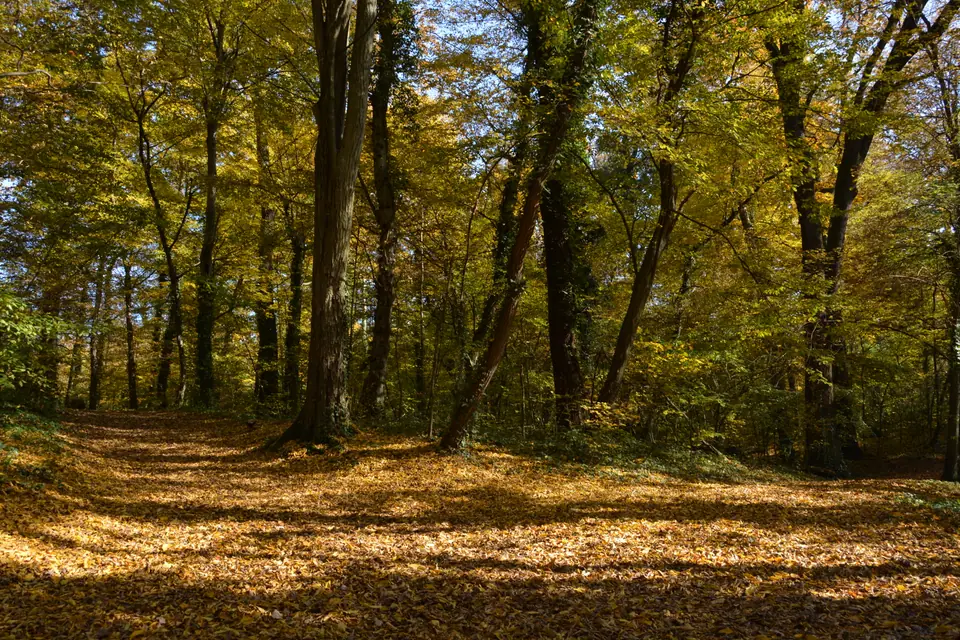
October rewards patience once wet weather fronts clear and highs settle at a walking-friendly 17 degrees Celsius. Chestnut roasters light charcoal braziers at busy tram crossings across Lower Town. Cultural calendars reopen inside theatres and galleries while oaks turn gold across Maksimir Park and Medvednica slopes. Clear late-autumn walks also pair naturally with All Saints' candlelit evenings at Mirogoj Cemetery.
Winter fog, Medvednica snow, and calm museum days
November cools briskly to 11-degree highs and shrinks to 66 sunshine hours as river fog drifts off the Sava valley. Between December and February, afternoon highs hover between 5 and 8 degrees Celsius while frost drops minimums to -1 or -2 degrees. Quiet January weeks keep hotel choices wide open around Glavni kolodvor and Zrinjevac.
December records just 53 average sunshine hours down on Lower Town streets. Higher up at 1,035-metre Sljeme peak, winter hikers and skiers often break clear above grey inversion cloud into bright mountain sunshine. Warm Lower Town indoor cafés, museums, and glasshouses shelter chilly afternoons smoothly when valley mist clings low. Pack thermal base socks, wool layers, gloves, and water-resistant walking shoes for damp stone alleys.
Advent in Zagreb from late November to early January
Winter darkness retreats cleanly once Advent in Zagreb illuminates squares and parks from late November into early January. Recent editions ran 29 November 2025 to 7 January 2026 and are scheduled 28 November 2026 to 7 January 2027. Voters named Zagreb Europe's best Christmas market destination three consecutive times between 2015 and 2017.
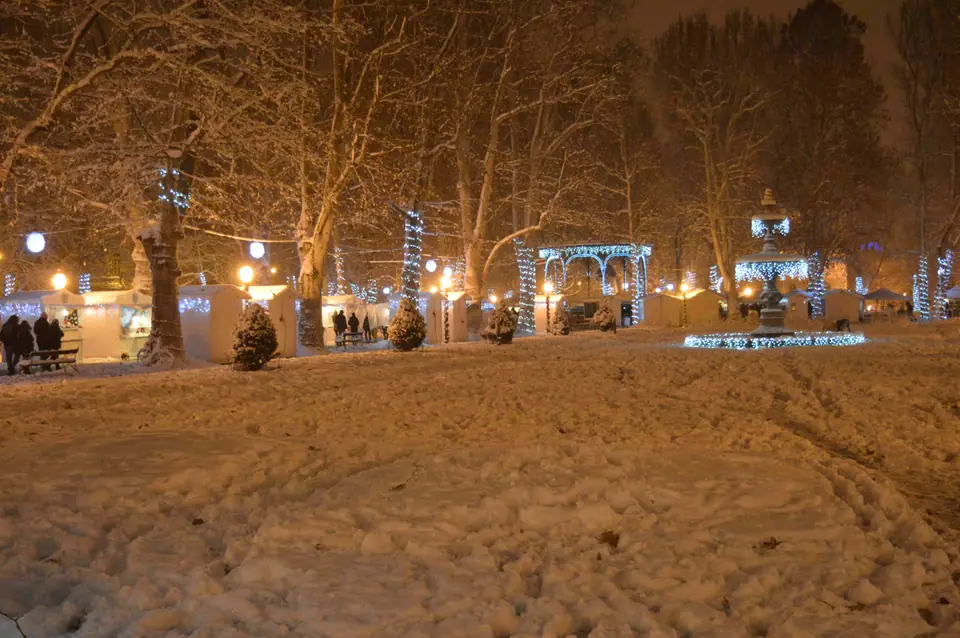
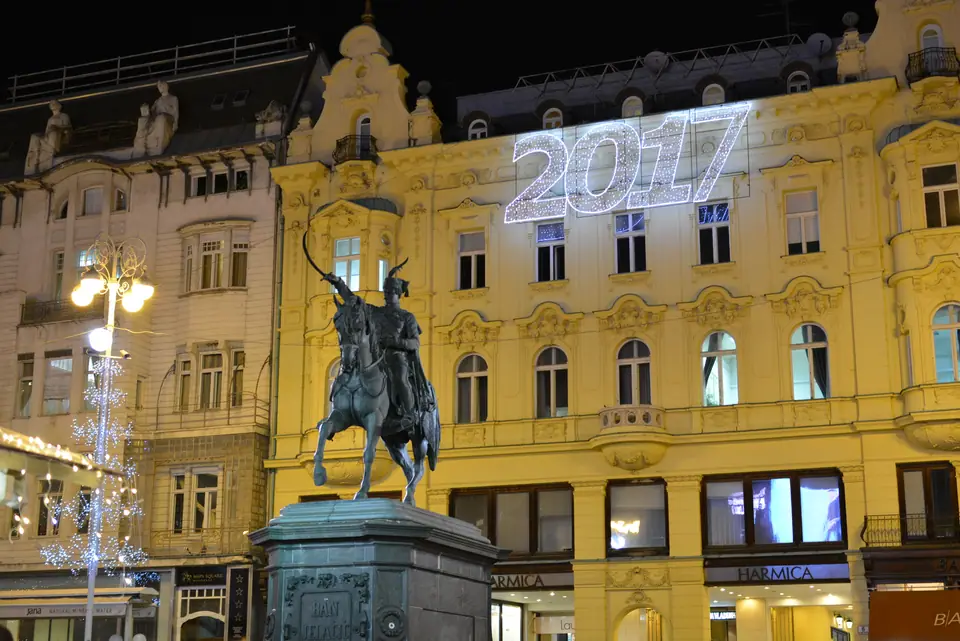
Warm bulbs wrap Zrinjevac's plane trees around open-air music pavilions. Brass choirs perform seasonal tunes inside open gazebos during frosty winter evenings. King Tomislav Square transforms into the sweeping Ice Park skating rink before the Art Pavilion. Steam rises warmly over chestnut braziers beside afternoon skating circuits. Timber huts across Ban Jelačić Square, European Square, and Gradec serve mulled wine, grilled sausages, and warm pastries from Zagreb's cold-weather food menu. Reserve city rooms well ahead for December weekends.
Monthly Zagreb climate normals (DHMZ Maksimir 1991-2020)
Measurements from DHMZ Zagreb Maksimir station across 1991-2020 yield an annual mean rainfall of 874 millimetres over 137 wet days and 2,026 sunshine hours per year. Pack breathable shirts for midsummer afternoons, umbrellas for September rain peaks, and insulated outerwear from November through early March. Light waterproof jackets handle crisp spring and autumn showers cleanly. Rounded monthly averages below support smart seasonal packing.
| Month | High | Low | Rain | Wet days |
|---|---|---|---|---|
| January | 5 °C | -2 °C | 46 mm | 10 |
| February | 8 °C | -1 °C | 45 mm | 10 |
| March | 13 °C | 3 °C | 48 mm | 10 |
| April | 18 °C | 7 °C | 61 mm | 13 |
| May | 22 °C | 11 °C | 77 mm | 13 |
| June | 26 °C | 15 °C | 91 mm | 13 |
| July | 28 °C | 16 °C | 80 mm | 11 |
| August | 28 °C | 16 °C | 86 mm | 9 |
| September | 23 °C | 12 °C | 104 mm | 12 |
| October | 17 °C | 8 °C | 89 mm | 11 |
| November | 11 °C | 3 °C | 87 mm | 12 |
| December | 5 °C | -1 °C | 62 mm | 12 |
Where it is
- 1Zagreb
- Zagreb Franjo Tuđman International Airport (ZAG) · about 10 km from Zagreb in a straight line
- Directions in Google Maps
Stations and taxi ranks: OpenStreetMap. Airports: OurAirports. Distances are in a straight line.
Traveller tips
Real advice from people who have been to Zagreb. Every tip is read by our team before it goes live.
No tips yet. Been here? Yours could be the first.
Thank you! Your tip will appear here after a quick review.
More in Zagreb
Continue exploring Zagreb with related neighbourhood, food, and planning guides