Photo: Nick Savchenko · CC BY-SA 2.0
Zagreb Orientation: Upper Town, Lower Town & Parks
Two medieval hills looking down over a planned nineteenth-century park ring, compact enough to map on foot.
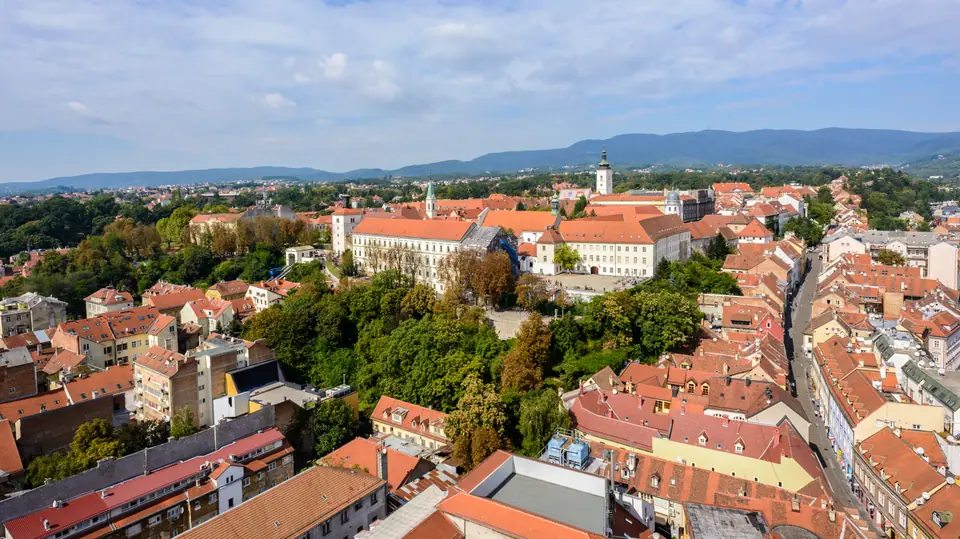
Zagreb rewards travellers who understand its split-level geography before stepping onto the stone squares. Croatia's capital did not spread outward from an Adriatic harbour. Instead, it grew from two facing medieval settlements perched on low hills south of Mount Medvednica.
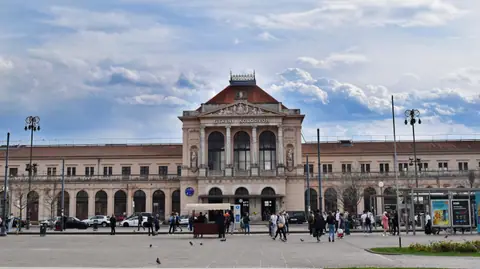
Every major walk in the historic centre connects three distinct areas. Secular Gradec sits on the western ridge. Ecclesiastical Kaptol faces it across a narrow valley. Flat Lower Town avenues stretch south toward the main railway station.
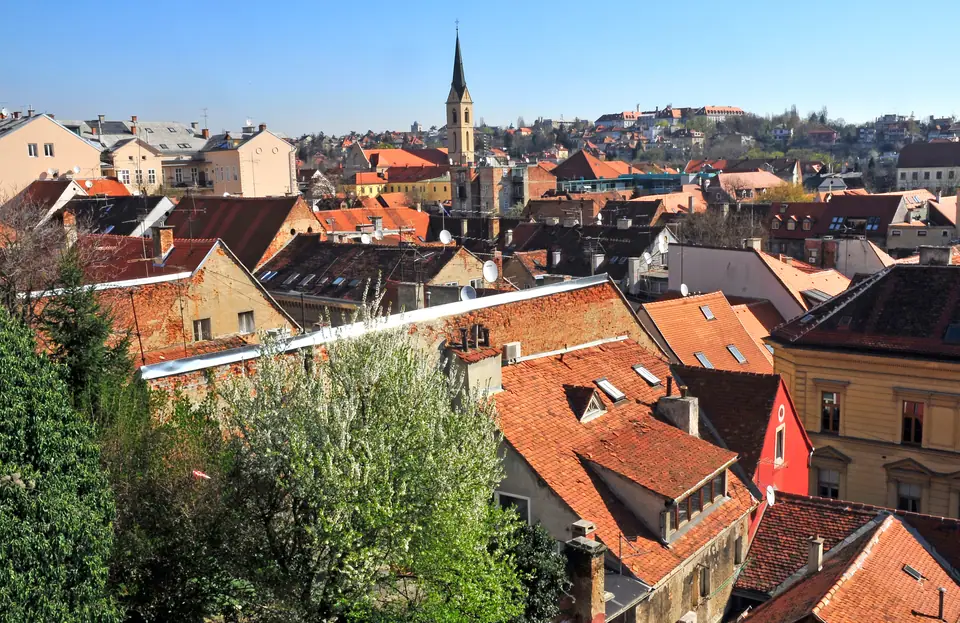
Two medieval hills separated by a vanished creek
King Ladislaus established the Diocese of Zagreb in 1094 on Kaptol. Clerical residences and the early cathedral rose inside fortified masonry walls along the eastern slope. Old defensive brick towers still frame the eastern boundary behind Kaptol Street. Cathedral curias and gardens quietly fill the stone lane beside the towers.
Across the narrow ravine carrying the Medveščak stream, King Béla IV issued the Golden Bull in 1242 to create the royal free town of Gradec. Bridges once spanned that rocky gully, and clashes between canons and townsfolk named Bloody Bridge Street (Krvavi most). Engineers later enclosed the stream underground, forming curving Tkalčićeva Street.
Lower Town boulevards and Lenuci's Green Horseshoe
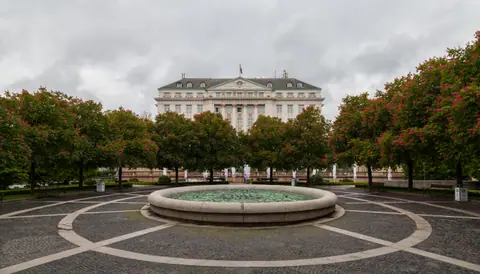
Gradec, Kaptol, and neighbouring parishes unified into modern Zagreb in 1850. Three decades later, the 1880 earthquake sped construction across flat land south toward the railway. Urban planner Milan Lenuci sketched a U-shaped ring of seven linked parks and civic squares in 1882.
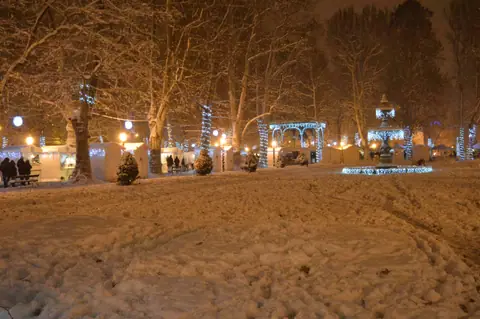
Known today as the Green Horseshoe, this park loop links Zrinjevac, Strossmayer Square, King Tomislav Square, and the Botanical Garden. Broad paved avenues intersect cleanly at right angles between yellow museums and shaded plane trees. Benches, fountains, and public drinking taps punctuate the shaded gravel promenades. Newcomers benefit from pairing this flat green circuit with our walk across Ban Jelačić Square and Dolac.
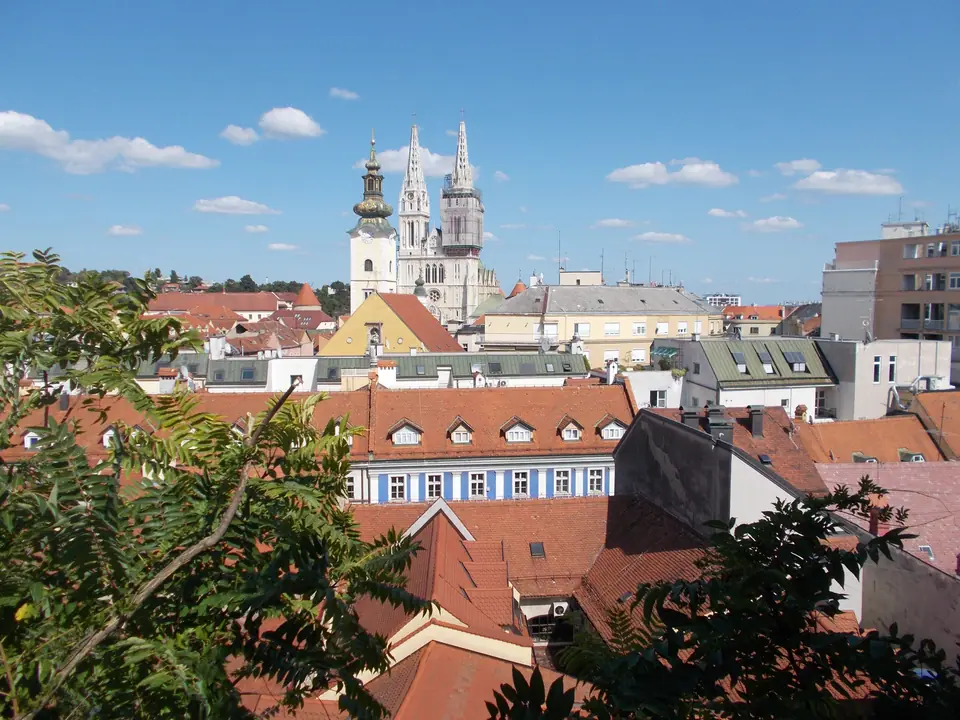
Restoration status you will notice on the ground
The March 2020 earthquake struck northern Zagreb hard. Multi-year structural works remain visible across historic monuments into late 2026. Steel props and wrapped stone spires greet visitors around Kaptol. Checking open entrances ahead of time prevents unnecessary detours around fenced facades:
- Zagreb Cathedral: Public entry and worship resumed inside the vaulted nave in December 2025 around internal steel bracing, though exterior scaffolding still wraps the towers.
- Upper Town Funicular: Closed in January 2025 for its deepest mechanical overhaul since 1890, the 66-metre cableway reopened on 19 May 2026 with modernised cabins.
- St Mark's Square: Police security barriers placed in October 2020 remain active while structural Parliament repairs continue into 2028; ask officers on site about Mass checkpoints.
- Museums and Dolac Market: Mimara Museum reopened on 7 November 2026, Museum of Arts and Crafts hosts shows on Ilica 163 into 2027, and Dolac adjusts stall zones during roof works.
Morning Dolac trade to calm evening promenades
Zagreb follows an unhurried Central European tempo rather than late coastal dinner schedules. Produce baskets fill beneath Dolac Market's red umbrellas during bright morning hours. By early afternoon, benches around Flower Square and Tkalčićeva trade pastry plates for espresso cups and light white wine spritzers. Sunday mornings slow down completely until bakeries pull fresh trays out for late breakfasts.
Independent bookshops, neighbourhood bakeries, and quiet courtyards anchor everyday Lower Town blocks between main boulevards. Outdoor espresso stalls welcome unhurried readers carrying weekend newspapers. Saturday mornings bring špica, when friends stroll Bogovićeva Street and Cvjetni trg between outdoor cafés. Match terrace plans and winter daylight hours against our Zagreb weather and seasonal calendar.
Walking routes vs ZET trams across Zone 1
Mechanised transport is rarely needed inside the central core stretching from Glavni kolodvor north to St Mark's Church. Pavements stay level as far as Ban Jelačić Square. Walkers climb into Gradec up cobbled Radićeva Street, the shaded Zakmardi steps, or the reopened Tomićeva funicular.
Blue electric trams connect outer parks regularly without confusing fare stages inside central Zone 1. Clear route maps inside glass shelters explain daylight lines down toward Mirogoj buses, eastern Maksimir Park, and Lake Jarun. Croatia entered the eurozone and Schengen Area on 1 January 2023, simplifying ticket machines and arrivals covered in our transport breakdown.
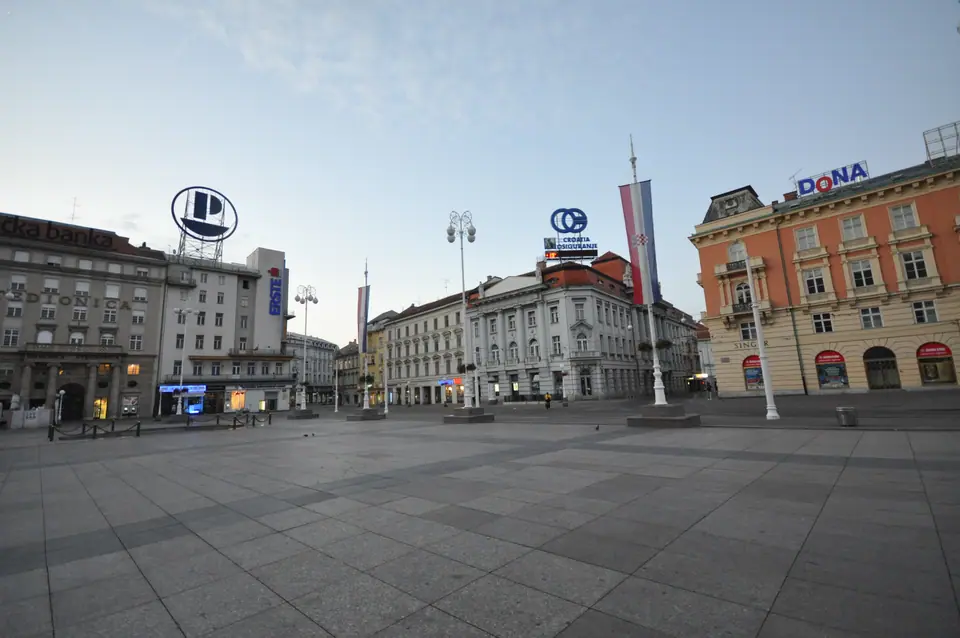
Choosing your base and meal strategy
Short stays run smoothest along the flat Lower Town tram grid between Zrinjevac and Ilica. Guests keep tram stops nearby and avoid rolling heavy luggage up steep hills. Bakeries, pharmacies, and small grocers open early along Zvonimirova and Vlaška Streets. Neighbourhood food shops sell chilled picnic fruit and regional snacks late into weekdays. Travellers seeking silent evenings choose residential Gradec alleys detailed in our neighbourhood accommodation comparison.
Menus lean heavily toward inland Zagorje and Slavonian comfort cooking instead of coastal fish grills. Pair afternoon museum stops with warm baked zagorski štrukli or crisp roast duck listed inside our Zagreb dish and market directory.
Forest ridges and royal towns within easy reach
Wooded Mount Medvednica rises immediately behind northern suburbs, capped by Sljeme summit at 1,035 metres and medieval Medvedgrad fortress. Direct city trams cross town east to eighteenth-century lakes and old oak avenues inside Maksimir Park. Quiet hiking trails also climb behind Šestine village toward castle walls. Cool mountain breezes drop summer temperatures noticeably across forested trails.
Beyond city limits, pastel baroque streets in Samobor sit a short coach ride west across the Sava plain. Pastry lovers head there specifically for warm custard slices served beside the creek. Direct HŽ trains carry passengers cleanly onward from Glavni kolodvor to Ljubljana, Vienna, Budapest, and coastal Split.
Where it is
- 1Zagreb
- Zagreb Franjo Tuđman International Airport (ZAG) · about 10 km from Zagreb in a straight line
- Directions in Google Maps
Stations and taxi ranks: OpenStreetMap. Airports: OurAirports. Distances are in a straight line.
Traveller tips
Real advice from people who have been to Zagreb. Every tip is read by our team before it goes live.
No tips yet. Been here? Yours could be the first.
Thank you! Your tip will appear here after a quick review.
More in Zagreb
Continue exploring Zagreb with related neighbourhood, food, and planning guides