Berlin: What to Know Before You Go
How Berlin is laid out, how long to stay and what to arrange before you arrive.
Berlin is wide, flat and spread out, closer to a group of towns than a single centre. The map makes it look compact, but a day spent zigzagging between unrelated sights is a day spent on trains. Plan by cluster, keep one loose block free each day, and the city becomes easy.
How the city is laid out
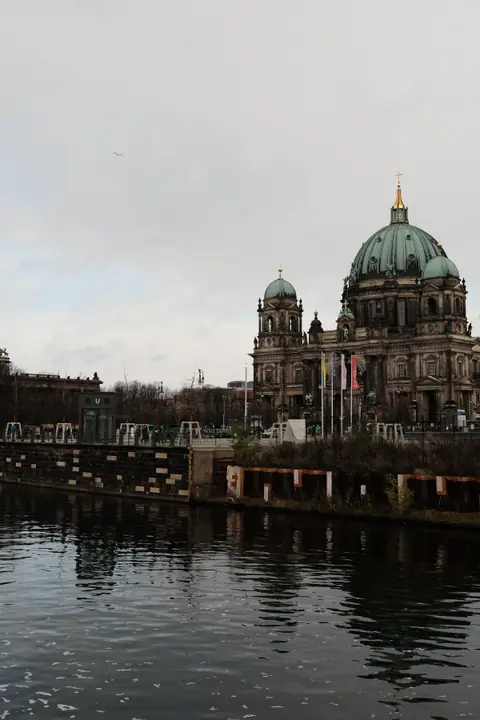
Mitte holds the historic core: the Brandenburg Gate, Unter den Linden, Museum Island and the cathedral. The government quarter and the Tiergarten park sit just to the west. East of the centre, Friedrichshain and Kreuzberg face each other across the Spree, with the East Side Gallery on the riverbank. City West, around Kurfürstendamm and Charlottenburg Palace, feels like a different town. Prenzlauer Berg and Neukölln are for neighbourhood time rather than landmarks.
How many days
Three days is a proper first visit, and our 3-day itinerary shows how to group them. Add a fourth for City West or the parks, and a fifth if you want Potsdam or slow evenings in the Kieze (neighbourhoods).
Getting around in brief
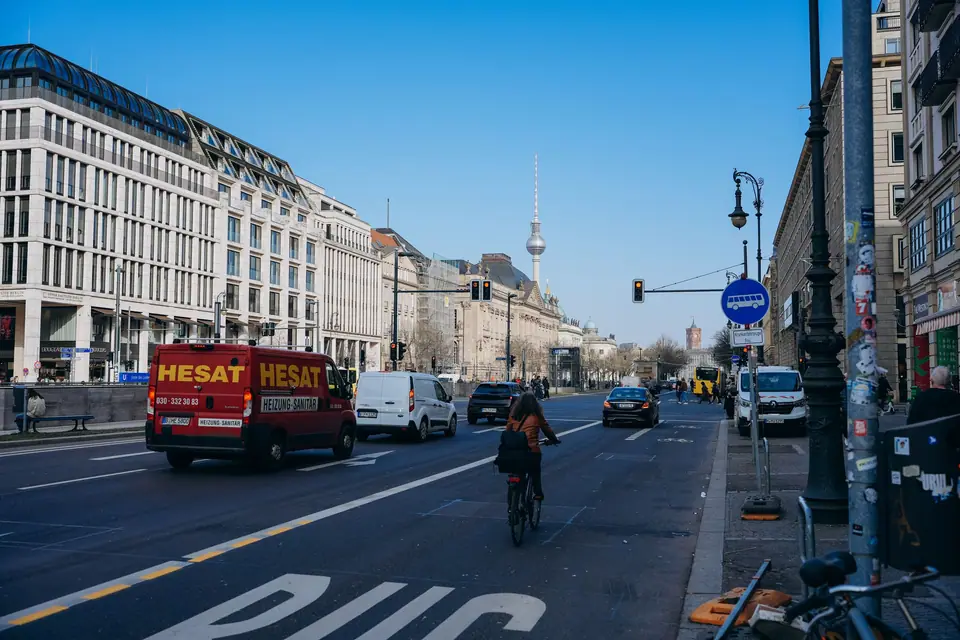
The S-Bahn, U-Bahn, trams and buses share one ticket system and one set of zones, so you rarely need a car. Our getting around guide explains the zones. Use trains for distance and your feet for the last stretch.
Booking and timing
Register in advance for the Reichstag dome, which is free but limited. The Pergamonmuseum is closed for renovation and is scheduled to reopen on 4 June 2027, so the Pergamon Altar is not on the 2026 list. The permanent exhibition at the Zeughaus of the German Historical Museum is also closed, while the Pei Building still hosts temporary shows. Check every museum's site for the dates you travel.
Money, etiquette and small things
Germany still likes cash. Many cafés, bars, market stalls and small shops take cards reluctantly or not at all, so carry some notes. Round up the bill in restaurants rather than leaving a fixed percentage. Most shops close on Sundays, though supermarkets in stations and the late-night kiosks called Spätis stay open. Bottles carry a Pfand (deposit), and the machines in supermarkets hand it back. Keep out of the cycle lanes on pavements, and wait for the green man even on an empty street, because locals do. Memorials such as the Holocaust Memorial ask for quiet behaviour, and Nazi symbols and gestures are illegal in Germany.
Traveller tips
Real advice from people who have been to Berlin: What to Know Before You Go. Every tip is read by our team before it goes live.
No tips yet. Been here? Yours could be the first.
Thank you! Your tip will appear here after a quick review.
More in Berlin
Continue exploring Berlin with related neighbourhood, food, and planning guides